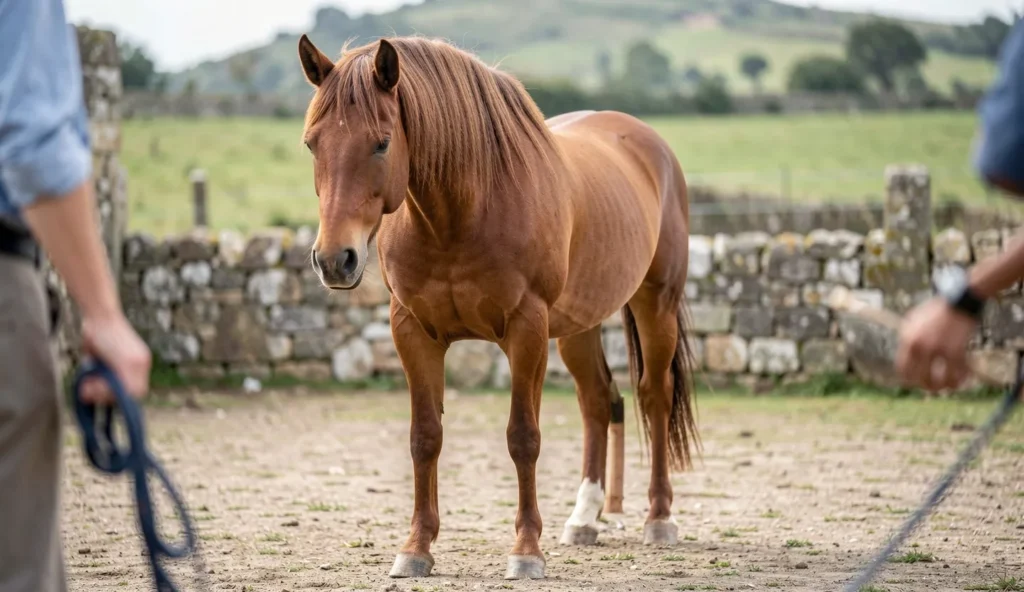
What Is A Lusitano Horse?
The Lusitano horse is a Portuguese Iberian type known for agility, courage, and a training style that supports collection. This breed developed alongside classical riding traditions and often shows natural engagement when handled correctly. Many people compare it to the Andalusian horse because both come from closely related Iberian roots.
Lusitano history also explains why the breed earned a reputation for working spirit. Portuguese breeders emphasized balance and responsiveness for demanding tasks, including traditional bullfighting-style work. Today, the same traits appear in dressage-style training and many controlled performance settings.
Origin In Portugal And Iberian Roots
Lusitano horses trace to Portugal’s long breeding tradition for Iberian riding horses. They remain a close relative of the Andalusian horse from Spain, with shared influence from the wider Iberian type. Because of this background, their movement often carries a collected feel even at moderate speeds.
Historically, the breed supported both sport and traditional work, including classical riding and Lusitano bullfighting-style culture. While modern handling varies by discipline and welfare standards, the cultural theme of courage still shapes how many trainers approach performance. For context on Iberian relatives, the Andalusian horse profile can help compare shared traits and selection goals.
Role In Classical Riding And Collection
The Lusitano temperament often pairs with classical training methods that aim for engagement, balance, and attentive transitions. Collection requires trust and communication, and this horse type typically responds well to careful cues. Instead of forcing a head position, training usually builds strength through correct movement mechanics.
At slower gaits, the horse commonly changes balance quickly when the aids stay consistent. This fast adjustment can help with dressage work, especially during circles and lateral patterns. At the same time, rushed training can create stiffness and reduce willingness.
Build And Movement Traits That Stand Out
Lusitano horses typically show an athletic frame suited to collected work. Many have an engaging walk, an expressive trot, and a canter that often feels elevated rather than flat. Agility usually connects to hindquarter strength and responsive coordination from the back through the croup.
When the horse maintains straightness, transitions become smoother and more repeatable. Trainers often look for a horse that can stay balanced in the corners and return to rhythm without resistance. With the right preparation, this natural movement can support accurate dressage patterns and controlled training progress.
Appearance And Physical Features Of The Lusitano Horse
Appearance helps readers set realistic expectations for the Lusitano horse before buying or schooling one. The breed often shows an Iberian look, with a compact balance and power carried behind. Body structure influences movement quality, so conformation matters as much as coat color.
In person, observers can often spot balanced joints, strong hindquarter support, and a frame built for collected transitions. Even so, exact traits vary by bloodline and training history. Understanding what is typical helps riders and handlers evaluate soundness and potential.
Typical Height, Weight, And Body Proportions
Lusitano horses usually fall into a medium to fairly tall range for Iberian types. Body proportions often show a strong back and a compact balance that supports engagement. Hindquarters commonly carry much of the power used for impulsion and collection transitions.
This build can make lateral work feel more achievable because the horse can shift weight while staying straight. However, the horse still requires strength training and careful workload planning. Without conditioning, even a naturally agile horse may not maintain endurance during high-demand sessions.
Common Coat Colors And Mane Characteristics
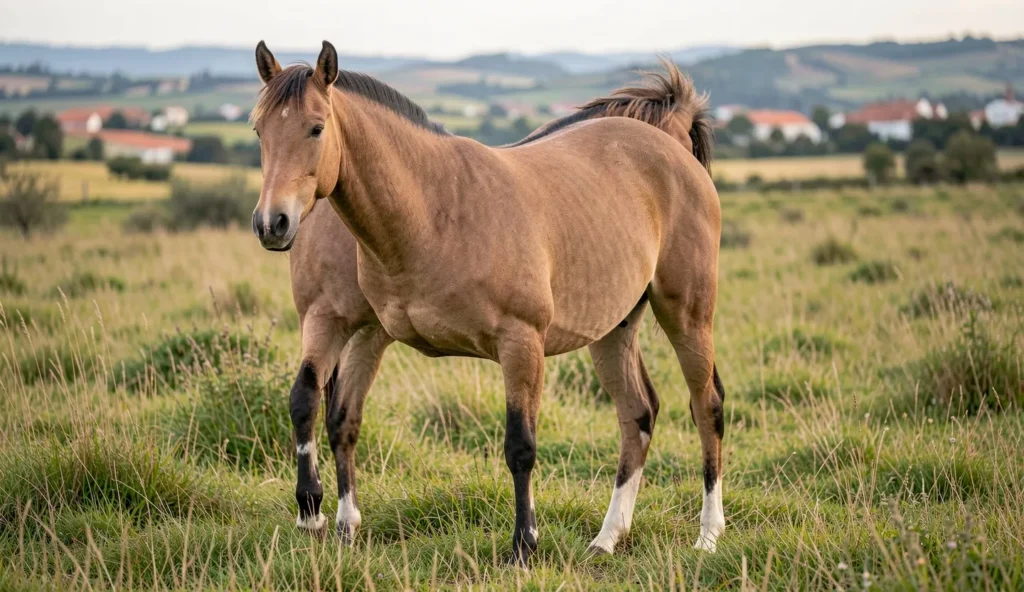
The Lusitano care routines that support coat health can also affect how the horse looks in the show ring. Common coat shades include gray, chestnut, and bay, with natural shine varying by grooming and seasonal changes. Mane and tail tones often match the overall coat shade.
Some coats require extra attention during shedding or if skin sensitivity appears. In general, gentle grooming and consistent inspection help keep the horse comfortable. For handlers comparing Iberian types, coat and grooming expectations can differ between breeds, so specific care guidance stays important.
Conformation Points Linked To Agility
Conformation often signals how easily a horse can move into collection. Shoulders typically support a free forward reach, while hind joints support the shift of weight needed for engagement. Hocks and stifles play a key role during collection transitions and quick balance changes.
Feet and legs also affect soundness when schooling includes more collected strides. If feet angles or limb alignment cause strain, performance may decline. Trainers usually prioritize a horse with stable joints, good foot health, and consistent movement under work.
How To Spot A Well Built Lusitano In Person
When evaluating a Lusitano horse, careful observation matters. Clean joints, stable foot angles, and coordinated movement usually stand out in well-conditioned examples. In the stable and during light work, the horse should show calm posture and controlled body language.
Back stability offers another useful clue, especially when turning and backing. During observation, handlers can also note how the horse responds to quiet rein and leg aids. If the horse braces or avoids motion, training needs may be higher and soundness should be checked early.
Lusitano Temperament And Personality In Daily Handling
The Lusitano temperament often blends courage with sensitivity, which shapes how training should progress. Many horses handle well when routines stay predictable and cues remain consistent. Because this type can respond quickly, beginners benefit from calm groundwork and clear session structure.
At the same time, sensitivity can become a challenge when the rider or handler sends mixed signals. When training stays steady and expectations remain realistic, the horse often shows focus and willingness. When handling becomes inconsistent, tension may rise during demanding tasks.
Courage And Willingness Under Work
Lusitano horses are often described as brave and game for demanding work. Under consistent routines, some horses show eagerness for training goals, including dressage-style collection. Still, willingness depends on patient cues and an approach that reduces pressure.
For bullfighting enthusiasts, the breed’s Lusitano bullfighting cultural background can explain why courage features in training themes. Modern instruction should keep tasks safe and welfare-based, with progress matched to the horse’s level. Training should build confidence rather than force reactions.
Sensitivity And Responsiveness
Lusitano horses frequently react quickly to leg, seat, and rein aids. This responsiveness can improve precision during dressage patterns, especially when transitions must stay balanced. However, inconsistent signals can cause the horse to tense and protect itself from unwanted pressure.
Positive handling often helps maintain focus during schooling. Small changes in cue timing can also improve clarity, so riders usually benefit from short, well-planned sessions. Overcorrecting can reduce forward engagement and make the horse less willing over time.
Social Behavior And Stall Handling
Many Lusitano horses handle well with predictable daily care. Respectful groundwork often helps build trust and keeps grooming and tack routines calm. Safe turnout can also reduce stress, particularly when footing and fencing remain reliable.
Group turnout can help some horses, but management must match the individual temperament. If a horse becomes aggressive or anxious with certain partners, turnout choices should adapt. During stall time, consistent feeding schedules and quiet handling typically support steadier behavior.
Temperament Considerations For Dressage And Classical Fans
Collection asks for balance, straightness, and trust, so personality affects results. Many horses do best with a steady training approach that emphasizes communication over speed. Riders should focus on relaxation and accurate aids before asking for higher degrees of engagement.
If the rider pushes too early, tension can appear during transitions and circles. Working with a trainer style that matches the horse’s sensitivity often yields better results. For readers comparing classical approaches, a breed with similar performance goals may include a Hanoverian horse profile, though temperament and selection differ.
Exercise Requirements For A Lusitano Horse
Exercise supports soundness, mental clarity, and the gradual strength needed for collection. A well-managed Lusitano horse typically benefits from daily movement and a weekly plan that rotates schooling with lighter recovery. This approach helps the horse maintain stride quality and avoids stiffness after intense sessions.
Because collection work demands balance and hindquarter control, training intensity should rise slowly. Conditioning should strengthen the horse’s ability to carry itself without rushing. When workload matches the horse’s current fitness, agility and responsiveness usually improve.
Daily Movement And Turnout Basics
Regular turnout supports joint health and helps digestion. Safe spaces allow social behavior and natural walking, which can reduce boredom. Turnout time should adjust based on weather, footing, and the horse’s comfort level.
Even on schooling days, daily movement usually keeps the horse supple. Hand walking can also support recovery after harder work. If turnout causes overstimulation, management can shift toward smaller paddocks or supervised turnout.
Conditioning For Agility And Collection
Conditioning should start with flatwork that builds rhythm and steady balance. Transitions help develop strength because the horse must shift weight and maintain alignment. Trainers typically avoid forcing collected posture early and instead support impulsion and straightness.
Agility improves when the horse learns how to rebalance correctly during changes. Those improvements come from repeatable work rather than long single sessions. Rapid increases in collected intensity can increase strain in the back and hind limbs.
Work Types That Fit Classical Riding
Many Lusitano care plans for performance also include a schooling structure suited to classical riding. Dressage flatwork with accurate corners and circles supports balance. Transitions during schooling help engagement develop without speed becoming the goal.
After harder sessions, lighter intervals can preserve willingness. Riders often find it useful to end work while the horse still stays relaxed. This helps the horse associate training with clarity rather than fatigue.
Scheduling Example For Weekly Training
A weekly plan commonly mixes schooling days with free movement days. Rest or light sessions often help after intense collection practice. During the week, monitoring responsiveness and stride quality provides early signals of fatigue.
If the horse shortens its stride or resists transitions, the next plan should shift toward lighter work. Consistency helps a horse learn patterns, while smart changes help protect soundness. Many riders also keep a simple log of session intensity and recovery signs.
Common Mistakes That Affect Performance
Many training setbacks start from moving too fast, especially when collection work begins. Long sessions without breaks can increase stiffness risk and reduce focus. Another common issue involves tack fit and rider fit, which can change posture and limit hindquarter engagement.
Work that demands collection without sufficient preparation can lead to resistance. If the rider’s leg and seat cues do not stay clear, a sensitive horse may brace. For readers comparing training styles across breeds, exploring a Warmblood horse overview can help clarify how discipline-focused conditioning differs.
Lusitano Training For Collection And Soundness
Lusitano training for collection should prioritize communication, balance, and safe progression. The horse’s natural agility can support progress, but only if groundwork and riding basics stay solid. When training respects the Lusitano temperament, the horse often becomes more willing over time.
Soundness depends on correct mechanics and recovery, not only on skill. Training steps should strengthen the hindquarters gradually and keep the horse straight. When riders plan shorter sessions with clear goals, the horse typically learns faster.
Groundwork And Handling Foundations
Groundwork establishes leading, stopping, and backing cues that later transfer to ridden work. Grooming and tack readiness should remain calm, with the horse learning to relax before demanding tasks. Before collection is asked for, relaxation helps prevent protective tension.
Consistent handling supports trust, which matters for a sensitive breed. Handlers should avoid sudden pressure during early cues and instead use steady, clear signals. This foundation often improves outcomes during dressage flatwork because the horse already understands the training language.
Riding Basics And Building Trust
Riding sessions should start with consistent aids and a clear plan for the day. Rhythm and straightness usually come first because they create the balance needed for later collection. If the horse shows tension, short sessions with lower demands often work better than long, hard schooling.
Trust also grows when the rider stays fair with correction. Overcorrection can lower engagement and make the horse less responsive to quiet aids. With the right tone and consistent session structure, the horse usually handles practice with fewer stress reactions.
Training Steps Toward Collection
Training toward collection aims to develop impulsion without forcing head carriage. Hindquarters often strengthen through correct transitions, not through constant asking for high collection instantly. Balance and straightness should lead, while speed follows only after the horse can carry itself.
Short, repeatable patterns help the horse learn how to shift weight with control. Riders should watch for back tightness or loss of rhythm, then adjust the next session. These checks protect both movement quality and long-term soundness.
Tack Fit And Rider Mechanics That Matter
Tack that fits properly supports comfort and movement, while ill-fitting tack can cause resistance. Saddle balance and girth tightness can change posture, which then affects hindquarter engagement. Regular checks keep the horse comfortable and reduce the chance of training problems developing.
Rider mechanics also shape the results, especially through leg position and seat clarity. When the rider supports the horse with stable alignment, the horse can use the hindquarters effectively. If the rider’s cues remain inconsistent, a sensitive Lusitano horse often shows it quickly in the movement.
Role Of Lusitano Bullfighting Culture In Training
Some traditional training themes include courageous engagement, which can influence how certain handlers approach motivation. Modern training focuses on controlled performance rather than reactive displays. Safe work should match the horse’s level and welfare standards.
Even when bullfighting culture matters, the core training goal stays the same. The horse should learn to respond calmly, remain balanced, and maintain correct form during demanding tasks. Clear progression helps prevent fear responses and protects the horse’s physical comfort.
Grooming, Diet, And Lusitano Care For Healthy Performance
Lusitano care supports the movement quality needed for dressage-style work and other performance disciplines. Daily routines help maintain skin and coat condition, protect hooves, and catch early warning signs. Because this breed can work at higher collection demands, recovery management also matters.
Care planning should connect to training intensity. After harder collected sessions, extra inspection helps identify heat, swelling, or minor soreness. With steady routines, the horse usually stays comfortable and responsive.
Daily Grooming And Coat Health
Daily grooming removes dirt and supports circulation, which improves comfort after training. Handlers should inspect mane and tail skin for irritation and check coat condition for abnormal changes. After work, checking for heat, swelling, or rubbing helps catch problems early.
When grooming includes gentle attention to pressure points, the horse can recover without added stress. Coat condition also signals hydration and nutrition adequacy. Inconsistent grooming can hide small issues that later become larger skin or comfort problems.
Hoof Care And Footing Considerations
Farrier visits for trimming and shaping should occur on a regular schedule. Hooves must stay clean to reduce irritation and wear issues that affect collected work. Because footing influences foot landing mechanics, schooling on safe surfaces helps protect the limbs.
If the arena footing becomes deep or inconsistent, adjustments may reduce strain. Trainers often plan schooling intensity around footing conditions. This approach keeps stride quality consistent and supports long-term soundness.
Diet And Feeding Guide For An Active Horse
Feeding should base on quality forage such as hay or pasture for day-to-day energy. Concentrates should support energy needs when required, but they should not replace forage. Clean, fresh water should remain available during all routines.
For active performance horses, body condition guides feed decisions. Weight changes can indicate insufficient forage quality, irregular work, or recovery issues. Consistent feeding routines also help maintain digestion and reduce stress.
Supplements And Treats That Fit Responsible Care
Supplements should avoid being used without veterinary input, especially for horses with unknown histories. Treats can support training rewards, but portion size should stay small. Feed choices should match body condition goals rather than only training plans.
When treats include sugar or rich concentrates, energy balance can shift quickly. Responsible care means using rewards while protecting digestion and recovery. For best results, treat and feed totals should remain part of a daily plan.
Common Health Issues To Monitor
After intense collected work, watch for lameness signs and changes in stride quality. Skin issues may appear when tack rubs or coat conditions change, so inspection should stay routine. Tracking weight, appetite, and water intake also helps detect early problems.
If the horse shows reduced willingness or new stiffness, the next training session should be adjusted. Early changes often prevent longer setbacks. When concerns persist, a veterinarian and farrier can help identify the cause and update the care plan.
Is A Lusitano Horse Right For You?
A Lusitano horse fits riders who want classical style training and value precise communication. Many horses handle best with consistent handling and steady training cues. Soundness-focused conditioning and good hoof care support the best performance outcomes.
However, sensitivity can challenge inexperienced handlers who lack consistent cue skills. Riders may need patient instruction to keep training clear and calm. When the right groundwork and care routines exist, the breed often shows strong potential in collection work.
For readers comparing performance-focused care across breeds, a brief review of other warmblood-centered training expectations can help set general conditioning structure. The Friesian horse profile offers another example of how breed type influences movement goals, even though training priorities differ.
A Practical Step To Start Confident Lusitano Care
Start with routines that match the individual horse’s pace and comfort. Consistent daily care and calm handling help a sensitive breed settle into work more quickly. Training intensity should follow soundness and recovery, not only ambition.
Feeding should stay forage based and then adjust based on body condition. As a final check, keeping tack fit and girth balance consistent reduces the chance of posture changes during training. When these fundamentals remain stable, dressage training and other classical work usually feel more controlled.
Frequently Asked Questions
What Makes The Lusitano Horse Different From An Andalusian Horse?
Both horses share Iberian roots and a classical riding history. The Lusitano selection often emphasizes agility, courage, and collection in its training priorities.
How Would You Describe Lusitano Temperament For Beginners?
Lusitano horses often stay sensitive and respond quickly to correct cues. Beginners usually succeed best with calm, consistent handling and clear training goals.
What Type Of Training Helps A Lusitano Horse Perform In Collection?
Collection training focuses on balance, rhythm, and accurate transitions built gradually. For best results, the horse should learn straightness and engagement without forced posture.
How Much Exercise Does A Lusitano Horse Need Each Week?
Most plans include regular daily movement through turnout and multiple schooling sessions. Many owners also include lighter recovery days after intense collection work.
What Should Be Included In Basic Lusitano Care For Everyday Management?
Basic care should include quality forage, fresh water, grooming, and routine hoof trimming. Limb health, coat condition, and comfort should be monitored after training.
Is The Lusitano Bullfighting Style Background Still Relevant Today?
Cultural tradition can influence training themes such as courage and engagement. Modern training should stay controlled, safe, and aligned with welfare standards.
Supporting Confident Work With Lusitano Care
Consistent handling, smart workload planning, and reliable grooming and hoof care support steady performance. With that foundation, a Lusitano horse can build collection safely and stay comfortable through training seasons.