Anatolian Black Goat – Traits, Temperament, Care & Livestock Guide
The Anatolian Black Goat is a regional Turkish goat type associated with Anatolia and valued for strong farm survival. This livestock guide focuses on Anatolian black goat characteristics, practical care needs, and common health risks faced by keepers. The breed stands out for its ability to maintain condition on pasture and browse when management stays consistent. Many people choose the Anatolian Black Goat for grazing based herd systems.
What Is The Anatolian Black Goat
The Anatolian Black Goat is a local Turkish goat type shaped by regional farming conditions. Keepers typically manage it as a practical farm animal that can handle outdoor movement and varied forage. In many herds, the goal centers on reliable browsing and grazing rather than specialized show traits.
Origin In Anatolia And Use In Turkish Livestock Systems
The Anatolian Black Goat is associated with Turkey’s Anatolia region. Local smallholder systems often keep these goats in mixed setups where daily grazing supports pasture productivity. Many herds rely on the animals to browse and graze on native vegetation rather than only cultivated feeds. Over time, selection favors natural hardiness and adaptability.
- Associated with Turkey’s Anatolia region
- Kept in mixed smallholder systems
- Used for grazing to support pasture productivity
- Selected for hardiness under variable conditions
Key Breed Traits Keepers Usually Select For
Several Anatolian black goat characteristics appear consistently in practical breeding programs. Keepers often select animals that maintain body condition on pasture and handle rough forage. The dark coat also supports visual uniformity across many regional lines, although individual variation exists.
- Hard coat helps survival under variable conditions
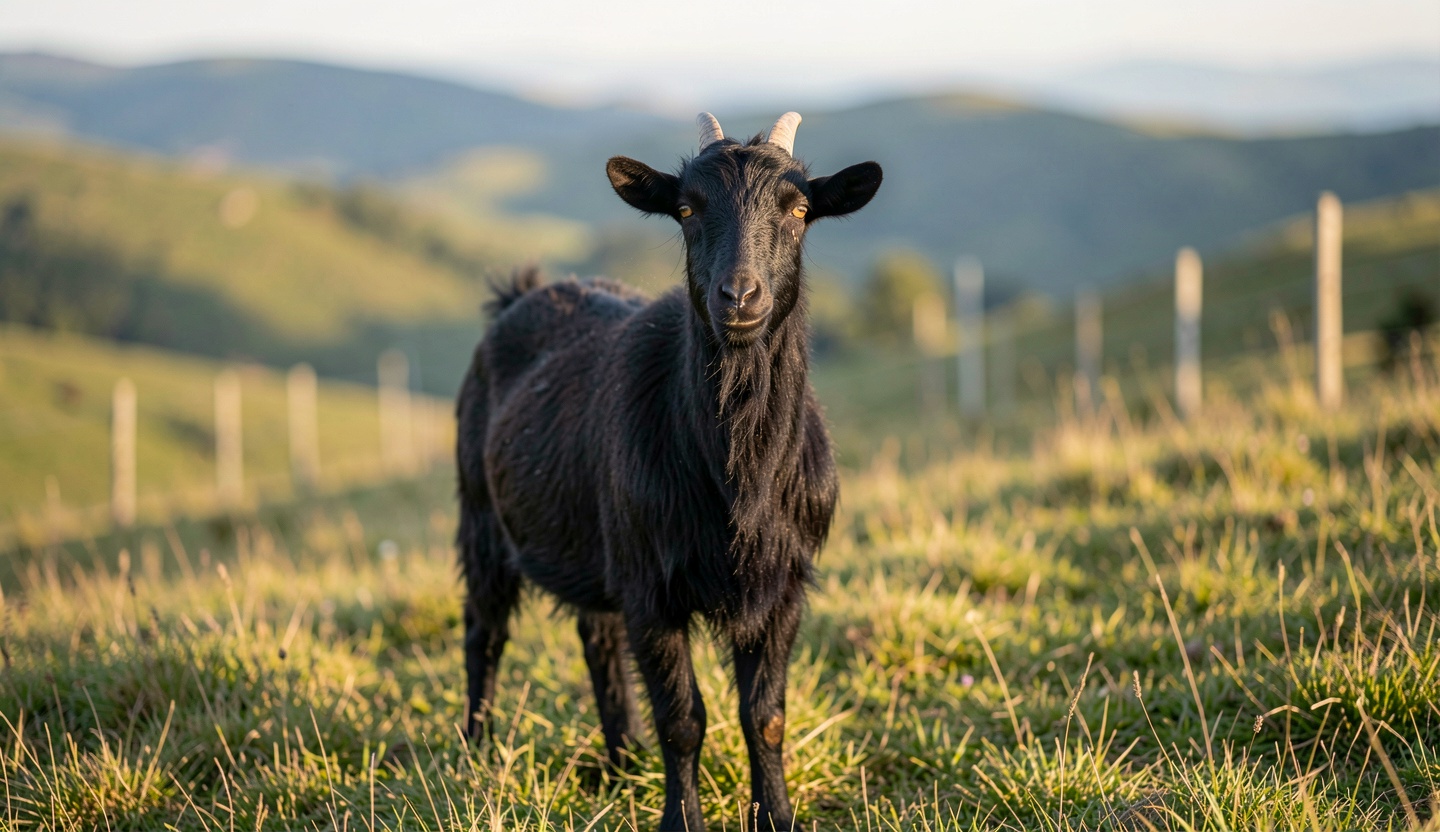
- Black coat coloration with broad visual consistency
- Handles rough forage better than many refined breeds
- Maintains body condition on pasture based diets
Appearance And Physical Features
Appearance helps readers identify Anatolian Black Goat animals in mixed herds and during routine checks. In most settings, the coat color and overall build provide the fastest visual cues. Still, confirming the animal through records and herd lineage remains best for breed research.
Coat Color Pattern And Texture
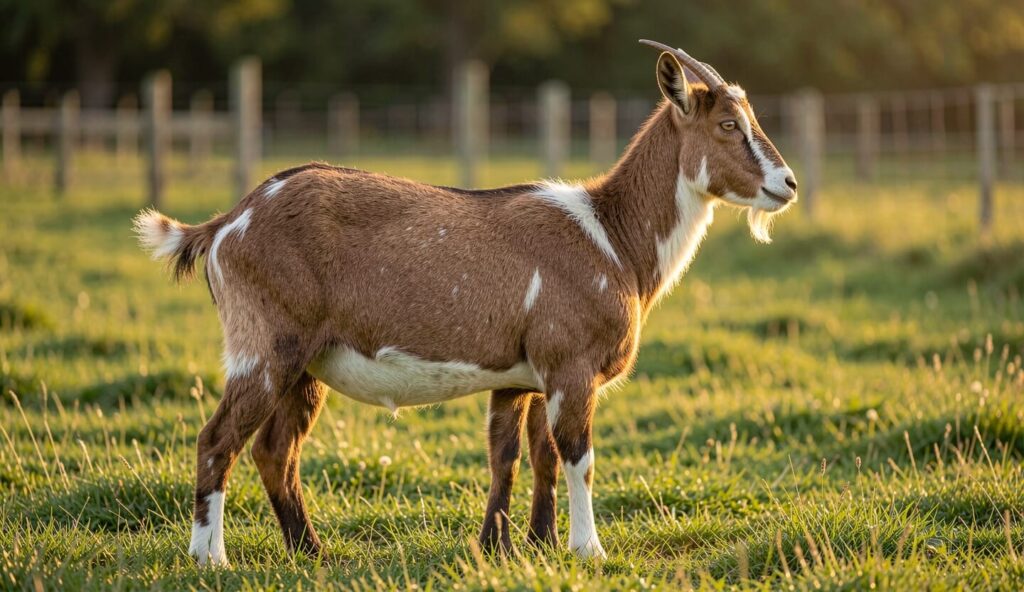
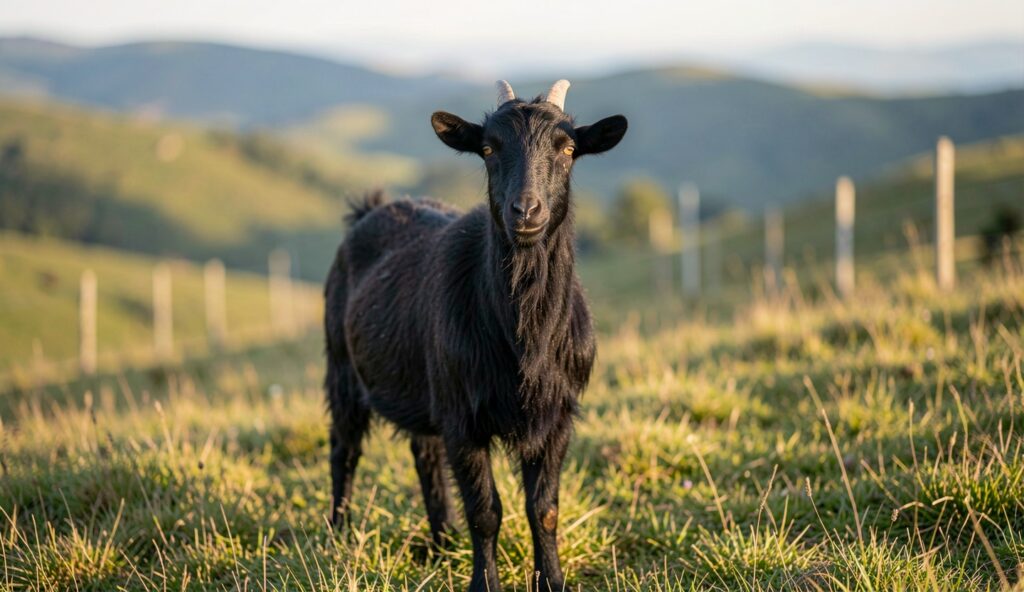
The coat base is predominantly black, with shades that can range from deep black to dark charcoal tones. Coat density often supports weather resistance in outdoor systems. Depending on seasonal changes, shedding intensity can increase during transitional months. Wet muddy periods may also change how the coat looks and feels for a short time.
- Base coat is predominantly black
- May range from deep black to dark charcoal tones
- Hair density supports outdoor weather resistance
- Seasonal shedding can change hair volume
Body Type And Common Measurements
The Anatolian Black Goat generally shows a medium to medium-large frame. The build stays balanced for walking and grazing, including uneven pasture terrain. Leg strength matters in field systems that include slopes and rocky ground. Overall proportions support both browsing and grazing rather than one narrow feeding style.
- Medium to medium-large local goat frame
- Balanced build for grazing and browsing
- Leg strength supports uneven pasture terrain
- Proportions fit mixed grazing and browse use
Head Features And Ear Shape
The head typically matches the body size without looking extreme. Ear shape and carriage generally align with local Turkish goat types. Face markings may be minimal or subtle in many animals, so coat color often remains the main identifier. Horn presence and size can vary by sex and local breeding lines.
- Head is proportionate to overall body size
- Ears match typical local Turkish goat shape
- Face markings can be minimal or subtle
- Horns vary by sex and breeding lines
Temperament And Herd Behavior
Anatolian goats usually show temperaments that fit working farms. Handling experience, herd stability, and facility design influence day to day behavior. For breed researchers, documenting behavior under routine management can support better selection decisions.
General Disposition With People
Anatolian goat temperament often includes alertness and responsiveness to farm routines. In unmanaged herds, some animals can appear calm while others act wary during first contact. Consistent handling often improves ease of management over time. Reduced stress during feeding and health checks supports steadier appetite and better outcomes.
- Often alert and responsive to routine cues
- Temperament can range from calm to wary
- Consistent handling improves management ease
- Lower stress supports feeding and health outcomes
Social Structure In Mixed Herds
Many keepers report better behavior when goats keep stable group membership. When animals meet for the first time, mild dominance behaviors can appear briefly. Gregarious behavior supports natural grazing patterns and reduces unnecessary pacing. Separation should happen only when health, kidding, or breeding requires it.
- Stable group membership reduces stress
- Mild dominance can appear at introductions
- Gregarious behavior supports natural grazing patterns
- Separate only when health or breeding requires it
Foraging And Browsing Habits
Foraging often uses both grazing and browsing depending on available pasture. Natural feeding patterns can support pasture resilience by spreading pressure across plant types. Diet selection can also reduce overgrazing of preferred species. When establishing fields, keepers benefit from observing individual movement patterns and then adjusting rotation plans.
- Uses grazing and browsing depending on pasture
- Natural feeding supports pasture resilience
- Diet selection can reduce overgrazing of favorites
- Observe movement patterns when creating fields
Exercise And Pasture Requirements
Movement supports physical condition and feeding efficiency for the Anatolian Black Goat. Outdoor access can support muscle development and more natural browsing behavior. However, field management must reduce wet ground issues and limit parasite exposure.
How Much Movement Helps Health And Condition
Regular access to pasture supports muscle strength and mobility. Walking supports digestion and helps goats forage more efficiently. In outdoor keeping, movement also influences hoof wear patterns. During wet seasons, access schedules should reduce mud and standing water risks.
- Pasture access supports muscle and mobility
- Walking improves digestion and foraging efficiency
- Movement supports hoof wear patterns
- Adjust access during wet seasons to reduce mud
Pasture Quality And Forage Mix Considerations
Local goats often do well on mixed native vegetation rather than a single crop forage. A variety of plants helps support more balanced intake. After rotational grazing, monitor regrowth and adjust rest periods if plants fail to recover. When forage becomes low quality or limited, keepers should plan supplementation early.
- Local goats often do well on mixed native vegetation
- Forage variety supports more balanced intake
- Monitor pasture regrowth after rotational grazing
- Supplement when forage quality drops
Rotational Grazing Basics For Livestock Keepers
Rotational grazing reduces constant pressure on one area and supports pasture recovery. Fencing should match goat behavior because goats will browse and explore boundaries. Body condition scoring can guide grazing intensity and help prevent weight loss. Shelter and water access also matter because bottlenecks increase crowding.
- Use rest periods for pasture recovery
- Use fencing to limit grazing pressure
- Track body condition to set grazing intensity
- Keep shelter and water accessible
Training And Handling For Farm Management
Training improves daily safety for keepers and reduces stress for goats. The Anatolian Black Goat typically benefits from calm, consistent routines that support easier vet handling. With routine station behaviors, health checks become faster and more accurate.
Best Practices For Approaching And Feeding
Feeding and routine checks work best when timing stays consistent. Approaching calmly and moving predictably helps goats associate handlers with routine rather than sudden events. Train for calm standstill during feeding and weighing so handling stays safe. Chasing increases fear and can raise the risk of injury.
- Use consistent timing for feeding and checks
- Approach calmly with predictable routines
- Train calm standstill during feeding and weighing
- Avoid chasing to reduce fear and injury risk
Teaching Basic Station Behaviors For Vet Care
Gradual desensitization supports goat tolerance of grooming and restraint. A secure holding area helps keepers perform hoof and health checks with less struggle. Handling young goats more frequently improves tolerance for routine procedures. Sessions should stay short and stop before stress escalates.
- Desensitize gradually to grooming and restraint
- Use secure holding area for hoof and health checks
- Handle young goats more often for tolerance
- Keep sessions short and stop before stress increases
Transport Readiness And Stress Reduction
Transport readiness begins with acclimating goats to loading areas and ramps. Trip planning should reduce delays and overheating because goats can dehydrate quickly under stress. Stable footing and ventilation in crates reduce injury and respiratory irritation. After transport, check hydration and offer feeding once animals settle.
- Acclimate goats to loading areas and ramps
- Plan trips to minimize delays and overheating
- Provide ventilation and stable footing in crates
- Check hydration and feeding after transport
Housing Essentials And Environmental Needs
Housing supports health by controlling wind exposure, moisture, and air quality. Proper ventilation also reduces ammonia buildup and improves comfort for outdoor herds. While shelter needs vary by climate, dry flooring and strong airflow usually matter most for goat housing for mixed herds.
Shelter Goals During Rain Wind And Cold
Housing should block wind and reduce direct rain exposure. Dry conditions protect coat quality and reduce hoof problems. In hot weather, shelter shade becomes useful if grazing time changes. Keeping airflow strong helps prevent odor and reduces respiratory irritation.
- Block wind and reduce direct rain exposure
- Maintain dryness for coat and hoof health
- Provide shade in hot weather
- Use airflow to reduce ammonia buildup
Bedding And Floor Management To Prevent Foot Problems
Dry bedding supports hoof comfort and reduces hoof soaking. In rainy seasons, wet bedding should get removed frequently to maintain dryness. Non-slip flooring helps goats stand safely in shelter areas. Drainage also matters because standing water increases foot rot risk.
- Dry bedding reduces hoof soaking and irritation
- Remove wet bedding frequently during rainy seasons
- Use non-slip flooring where goats stand often
- Create drainage to prevent standing water
Fencing And Secure Enclosures For Outdoor Keeping
Outdoor enclosures need to handle browsing and jumping behaviors common to goats. Regular fence line checks help prevent escapes at corners and gates. Secure holding pens support sorting and treatments without rushing animals. Enclosure height and overall integrity should get verified during routine maintenance.
- Sturdy fencing suited for browsing and jumping
- Check gaps at corners and gates regularly
- Provide secure holding pens for sorting
- Verify enclosure height and integrity routinely
Diet And Nutrition For Anatolian Black Goat Health
Feeding planning supports growth, reproduction, and stable pasture use for the Anatolian Black Goat. Forage often drives most nutrition, while supplements fill gaps when pasture quality drops. Using livestock guide methods such as body condition scoring helps avoid overfeeding concentrates. Dietary shifts should happen gradually to protect digestion.
Base Diet From Pasture And Browse
Pasture forage usually serves as the main energy source. Browse availability supports natural foraging behavior and helps distribute feeding across plant types. When moving between fields, avoid sudden diet changes that can disrupt rumen function. For consistent management, assess forage quality so supplementation decisions stay predictable.
- Pasture forage should be the main energy source
- Browse supports natural foraging behavior
- Avoid sudden diet changes between fields
- Use forage assessments for consistent quality management
Supplement Options When Forage Quality Drops
When forage quality drops, hay often provides needed structure and fiber. Grain or concentrates should apply only when condition goals require extra energy or specific nutrients. Supplement timing should connect to body condition scoring rather than routine assumptions. Introduce supplements gradually to reduce digestive disruption.
- Use hay to cover low forage periods
- Use grain or concentrates only when needed
- Coordinate supplementation around body condition scoring
- Introduce supplements gradually to protect digestion
Minerals And Water Requirements
Mineral needs typically require free choice salt or a balanced mineral mix. Clean water access should remain constant, especially when goats spend more time grazing in heat. Monitoring mineral consumption helps detect deficiencies or access issues. In hot weather, increase water refresh frequency to keep intake steady.
- Provide free choice salt or mineral mix
- Ensure clean water access at all times
- Check mineral intake to avoid deficiencies
- Refresh water more often in hot weather
Feeding Schedules For Different Production Stages
Feed requirements change for pregnant does and growing kids. Energy and protein planning should align with seasonal forage availability. During late gestation, monitor weight changes because nutrition affects kid development and kidding outcomes. A steady feeding approach reduces digestive disruptions and supports stable rumen activity.
- Adjust feed for pregnant does and growing kids
- Plan energy and protein across seasons
- Monitor weight changes during late gestation
- Maintain steady intake to reduce digestive issues
Grooming And Care Tips For Daily Maintenance
Daily maintenance keeps herd health stable and helps detect problems early. For the Anatolian Black Goat, routine coat checks and hoof inspections often reveal issues before they become severe. Simple hygiene tasks also support ammonia control and reduce wet bedding exposure.
Coat Care And Shedding Control
Brushing removes loose hair and debris that can trap moisture. Brushing should increase during seasonal shedding to reduce buildup around the skin. After wet or muddy periods, check for skin irritation or irritation caused by dampness. Harsh cleaning should get avoided because it can remove protective oils.
- Brush to remove loose hair and debris
- Increase brushing during heavy seasonal shedding
- Check skin after wet or muddy periods
- Avoid harsh cleaning that strips protective oils
Hoof Care And Parasite Prevention
Hoof inspections work best during routine handling sessions. Early attention to overgrowth reduces injury risk and supports comfortable movement. Keeping shelter areas dry helps prevent the conditions that lead to foot rot. Trimming schedules should match need and local veterinary or hoof care guidance.
- Inspect hooves during routine handling
- Address overgrowth early to prevent injury
- Reduce wetness to limit foot rot risk
- Use appropriate hoof trimming schedules
Routine Health Checks That Help Identify Problems Early
Keepers can reduce losses by watching eyes, nose, and mouth for illness signs. Appetite and rumen fill patterns provide daily signals about digestion and hydration. Posture and movement can reveal pain or weakness before obvious symptoms appear. Recording changes supports timely veterinary guidance when intervention becomes necessary.
- Check eyes, nose, and mouth for illness signs
- Monitor appetite and rumen fill patterns
- Observe posture and movement for pain
- Record changes to support veterinary decisions
Common Health Issues In Anatolian Black Goat Herds
Health risks in Anatolian Black Goat herds often connect to environment, nutrition, and stocking density. Many issues rise when wet housing and poor ventilation create damp, high ammonia conditions. Also, grazing systems that increase exposure to parasite larvae can trigger internal worm problems. Early detection through routine checks keeps interventions more effective.
Parasites Including Internal Worms And External Lice
Grazing can increase internal parasite exposure, especially where pasture is heavily used. Fecal testing can help guide deworming and reduce unnecessary treatments. Managing stocking density helps limit parasite build up across grazing areas. External lice checks during coat inspection can also help identify skin irritation early.
- Grazing increases exposure to internal parasites
- Use fecal testing when available
- Manage stocking density to limit parasite load
- Check coat and skin for lice or irritation
Foot Rot And Hoof Injuries
Foot rot risk rises with wet conditions and prolonged exposure to damp bedding. After rainy weather or muddy paddocks, inspect hooves and check gait. Keeping bedding dry in shelter areas reduces the chance of hoof soaking. When an animal shows signs of infection, prompt treatment and isolation when possible help prevent spread.
- Wet conditions increase foot rot risk
- Inspect hooves after rainy and muddy periods
- Maintain dry bedding in shelter areas
- Treat promptly and isolate affected animals when possible
Respiratory Issues From Damp Housing
Poor ventilation raises ammonia levels and can irritate airways. Damp bedding can contribute to coughing and nasal discharge in some goats. Improving airflow and keeping shelter floors dry often improves respiratory comfort. Reduced appetite and lethargy can accompany respiratory issues, so keepers should monitor intake closely.
- Poor ventilation raises ammonia and airway irritation
- Damp bedding can contribute to coughing and nasal discharge
- Improve airflow and keep floors dry
- Watch for lethargy and reduced appetite
Nutritional Problems Linked To Forage Imbalance
Low protein forage can slow growth and reduce pregnancy performance. Mineral gaps can affect coat quality and reproductive function. Overfeeding concentrates can disturb rumen function and contribute to digestive problems. Body condition scoring supports diet adjustments by showing whether goats maintain stable weight and condition.
- Low protein forage can reduce growth and pregnancy performance
- Mineral gaps can affect coat quality and fertility
- Overfeeding concentrates can disturb rumen function
- Use body condition scoring to guide dietary adjustments
Breeding Basics And Raising Kids
Breeding for the Anatolian Black Goat depends on planning, nutrition, and clean kidding areas. Researchers often benefit from recording parentage and health status to evaluate line traits. Keepers can reduce losses by prioritizing colostrum access and dry, safe newborn conditions.
Breeding Goals For Pure Lines And Herd Improvement
Breeding goals usually focus on health, body condition, and consistent regional traits. Selecting breeding animals based on records helps maintain more predictable offspring. Recording parentage supports consistent line trait evaluation. Avoid breeding with known hereditary health problems and plan mating to match pasture and feed availability.
- Select breeding animals based on health and body condition
- Record parentage for consistent line traits
- Avoid breeding with known hereditary health problems
- Plan mating around pasture and feed availability
Newborn Care For Temperature Hydration And Colostrum
Newborn kids need quick access to colostrum to support early immunity. The kidding area should stay clean and dry to prevent chilling and contamination. Keepers should monitor breathing and strength during the first hours. Using sheltered space and dry bedding reduces chilling risks in early life.
- Ensure newborn access to colostrum as soon as possible
- Keep kidding area clean and dry
- Monitor breathing and strength in the first hours
- Reduce chilling with sheltered space and dry bedding
Growth Monitoring Until Weaning
Growth monitoring should rely on growth trends and forage intake rather than age alone. Creep feed can help meet nutrition targets but should fit the herd’s needs rather than become automatic. Preventing parasite build up requires smart pasture rotation and consistent monitoring. Vaccinations and deworming schedules should align with local veterinary guidance.
- Wean based on growth and forage intake
- Provide creep feed only if needed for targets
- Prevent parasites using pasture rotation
- Keep vaccinations and deworming aligned with local guidance
Starter Checklist For New Owners And Researchers
A structured livestock approach helps new keepers manage the Anatolian Black Goat with fewer mistakes. For researchers, consistent records and routine observations improve comparisons across herds. This starter checklist supports planning before animals arrive and then consistency after acquisition.
Plan Before Buying Or Importing Animals
Before acquiring animals, confirm local regulations for animal movement and health documents. Set a vet baseline plan that includes fecal testing and vaccinations based on local risk factors. Evaluate pasture size and water access for herd size goals because nutrition depends on grazing. Quarantine new arrivals to limit disease introduction and to observe health status.
- Confirm local regulations for movement and health documents
- Set vet baseline plan for fecal testing and vaccinations
- Evaluate pasture size and water access for herd goals
- Set quarantine procedures for new arrivals
Daily Weekly And Seasonal Tasks To Stay Consistent
Daily work supports early detection and stable intake. Weekly tasks help manage hoof and skin maintenance, and they also support pasture and bedding quality control. Seasonal adjustments guide feed and shelter changes when conditions shift. Monitoring feed quality helps keep supplementation targeted.
- Check appetite, hydration, and posture every day
- Inspect hooves and skin during regular handling
- Refresh bedding and clean water points regularly
- Review feed quality each season and adjust supplements
Record Keeping For Health And Breed Research
Record keeping supports both herd management and breed research goals. Track births, weight estimates, and parentage so outcomes connect to breeding decisions. Log treatments and test results to evaluate what works in the specific region. Pasture rotation dates and animal grouping help explain health differences tied to field management.
- Track births, weight estimates, and parentage
- Log treatments, test results, and outcomes
- Record pasture rotation dates and animal grouping
- Use body condition scores at consistent intervals
Is The Anatolian Black Goat Right For You
Fit depends on management capacity, pasture access, and ability to maintain dry housing and consistent health checks. The Anatolian Black Goat often suits keepers who can support outdoor movement and routine monitoring. Where forage access and shelter quality remain stable, this Turkish goat breed can support dependable herd performance.
Best Fit For Livestock Keepers With Grazing Based Systems
It often works well where forage access and outdoor movement are available. Keepers who perform routine health checks can manage parasite and hoof risks more effectively. Many people choose this regional type because it aligns with pasture based management. The combination of browsing and grazing can also support pasture maintenance when rotation plans run correctly.
- Works best where forage access and outdoor movement exist
- Benefits herds that do routine health checks
- Often fits keepers seeking a hardy regional type
- Supports pasture maintenance through grazing and browsing
Key Management Limits To Consider Before Choosing
The Anatolian Black Goat requires consistent parasite and hoof monitoring to stay healthy. Shelter must remain dry with reliable ventilation to reduce respiratory and foot risks. Diet adjustments matter because forage quality changes by season. Breeding success depends on planned nutrition, records, and clean kidding management.
- Requires consistent parasite and hoof monitoring
- Shelter must stay dry with reliable ventilation
- Diet must adjust when forage quality changes
- Breeding success depends on planned nutrition and records
A Practical Way To Approach Keeping This Turkish Goat Breed
Good results come from stable routines, dry housing, and records that connect care decisions to outcomes. Consistent checking helps catch issues early and supports steady growth or reproduction goals. For additional regional comparisons in goat management, some keepers review the Abaza Goat breed profile to compare dual purpose herd planning methods.
Use Routine Care And Records To Reduce Risk
- Consistent checking helps catch issues early
- Pasture and diet adjustments support stable condition
- Health records improve breeding decisions
Frequently Asked Questions
What makes the Anatolian Black Goat different from other Turkish goat breeds?
The Anatolian Black Goat is primarily known for its consistently dark coat and local hardiness. Many herds value it for grazing and browsing adaptability in pasture systems.
How much pasture do Anatolian Black goats need per animal?
Pasture needs depend on forage quality and the length of the grazing season. Body condition scoring helps guide stocking density and rotation timing.
What should Anatolian Black goats eat in winter or dry seasons?
Hay and available browse typically replace low quality pasture during dry periods. Mineral salt should stay available, and concentrates should only support specific condition goals.
Are Anatolian Black goats good for mixed herds?
They can do well in mixed grazing groups when group stability stays high. New animals should enter gradually to reduce dominance stress.
What health problems are most common in this goat type?
Internal parasites and hoof issues often rise with wet or crowded conditions. Damp housing can also contribute to respiratory irritation.
How should newborn kids be cared for when kidding starts?
Provide clean, dry shelter and ensure colostrum intake as soon as possible. Monitor breathing and strength closely and keep kids warm and dry during the first hours.
Final Care Notes For Anatolian Black Goat Keepers
With dry housing, planned feeding, and steady health checks, the Anatolian Black Goat can thrive in regional grazing systems. Routine records also support better herd research and more consistent management decisions.