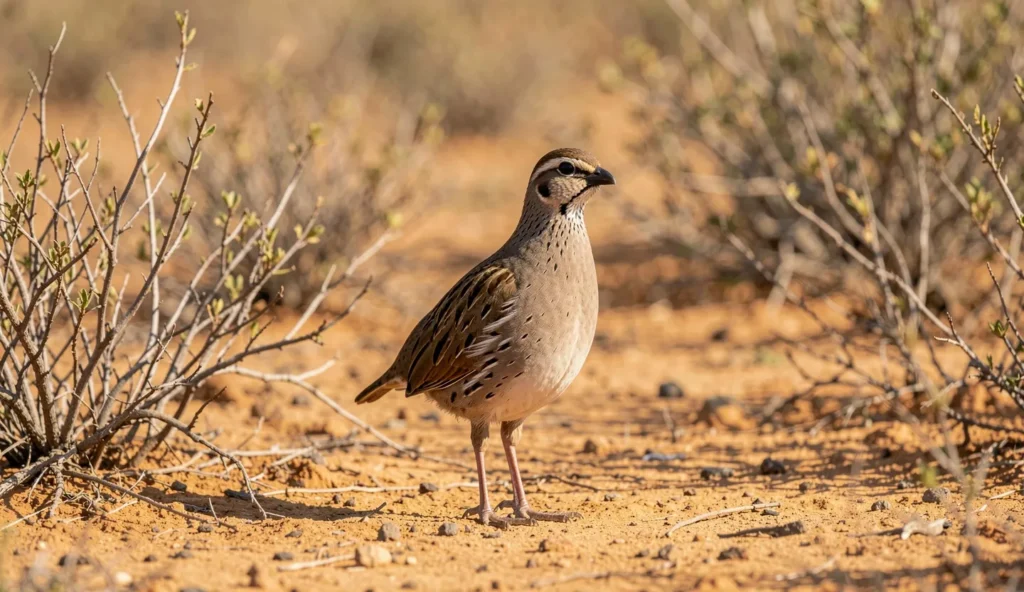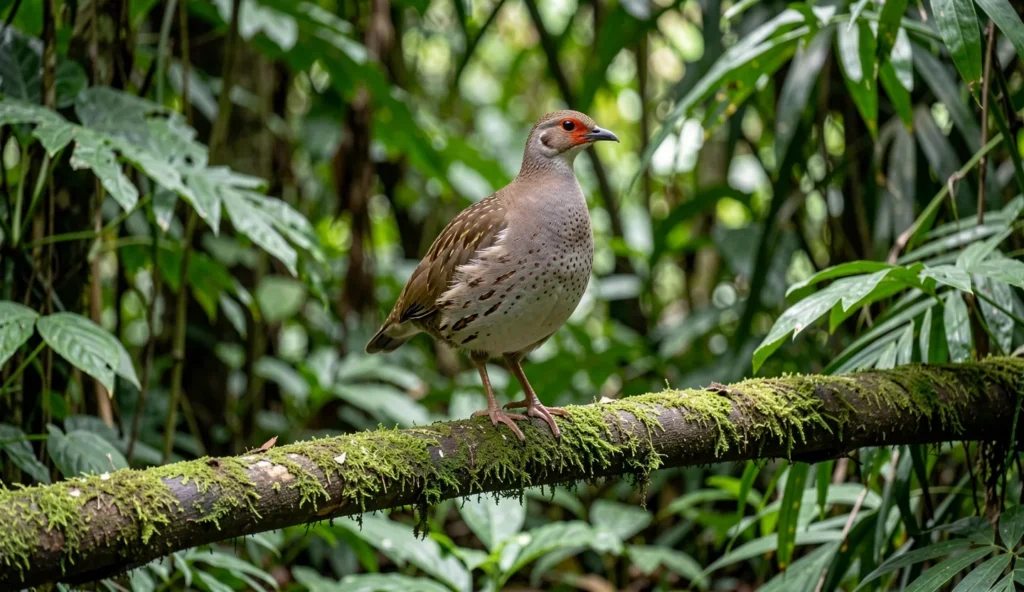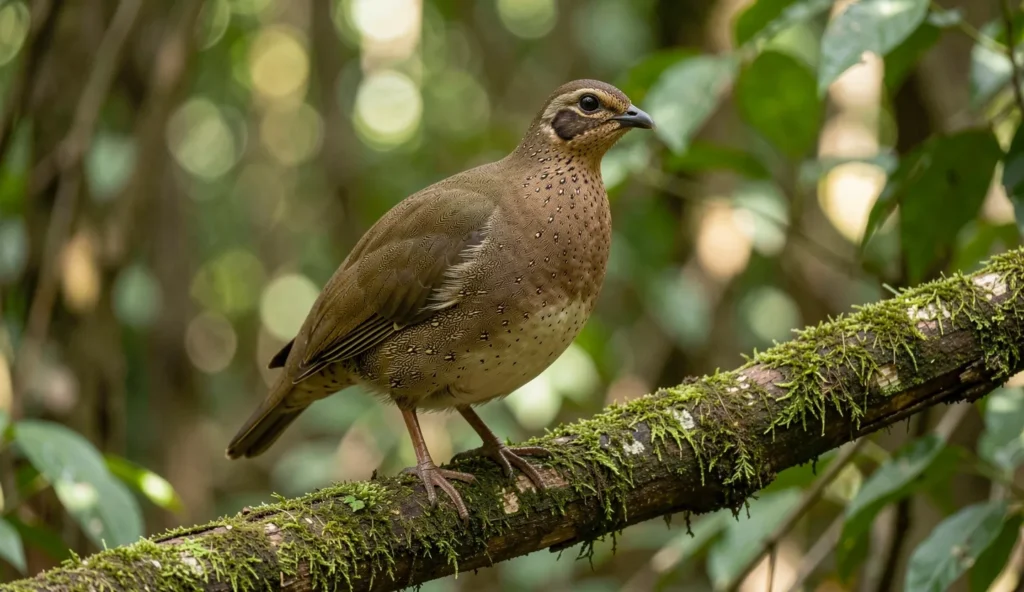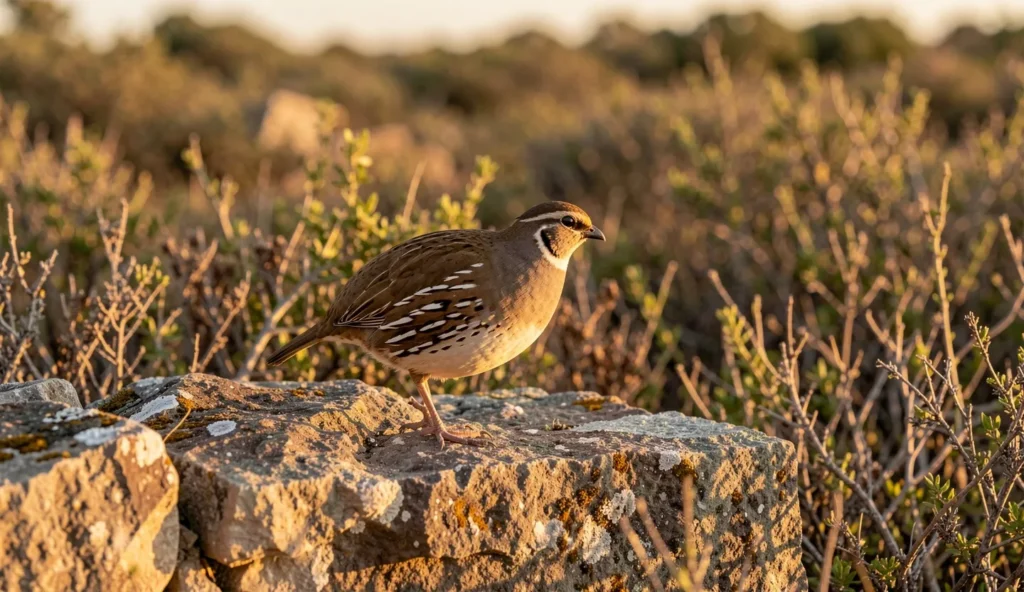
What Is a Natal Francolin?
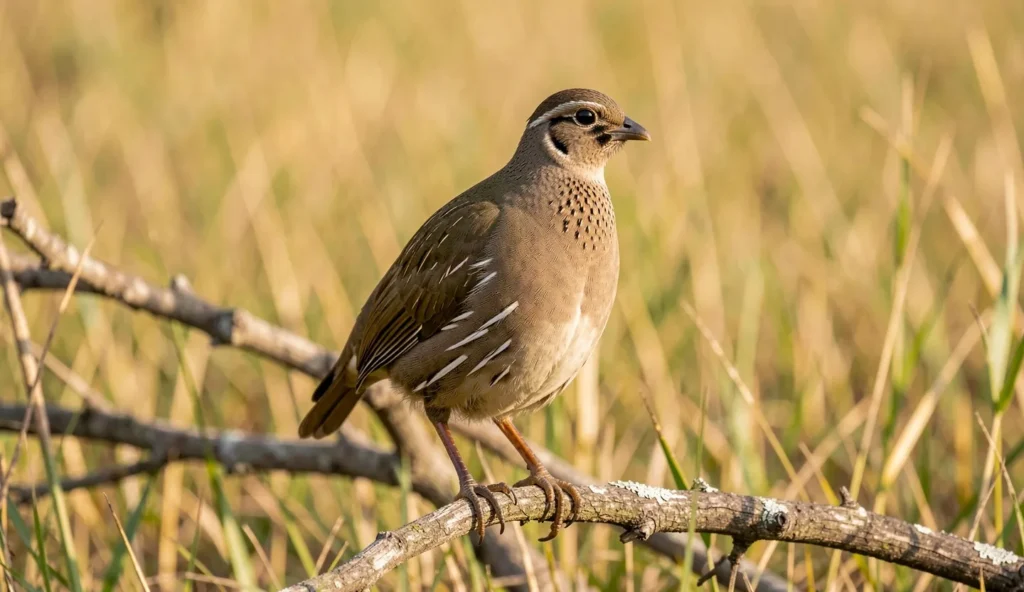
Natal francolin is a ground-dwelling game bird native to southern Africa, where daily temperatures rarely drop to freezing. In temperate regions, cold exposure becomes a housing problem fast because frost and wind act directly on the body.
Because Natal francolin cold weather risk rises during frost and damp conditions, housing quality matters as much as diet. Owners can reduce stress by planning winter care around heated shelter, dry bedding, and draft free access.
Natural Range And Temperature Comfort
Natal francolin typically live in grasslands and woodland edges within warmer climates. Shade, thick cover, and stable ground conditions help them avoid sharp temperature swings.
During winter in temperate zones, the environment changes quickly, especially when wind chills and dampness combine. Frost and strong drafts often cause more trouble than mild cold alone.
Frost Sensitivity And Housing Impacts
Frost sensitive birds can develop chilled feet and skin damage when they spend time on cold ground. Wet conditions worsen this because moisture pulls heat away from the body.
When the bird feels chilled, appetite can drop and immune function can weaken. Then housing quality can affect winter feeding, growth, and overall resilience.
For owners comparing bird hardiness, it can help to review how other francolins handle cool seasons, such as Grey Francolin and habitat needs.
How To Choose The Right Cold Weather Setup
Choosing the right cold weather setup starts with reducing exposure to wind, rain, and frost while maintaining safe ventilation. A well planned insulated aviary and a separate heated shelter create reliable protection during winter care.
Because Natal francolin spend time on the ground, floor insulation and bedding management must receive as much attention as wall insulation. Thoughtful design also reduces daily labor during cold weather feeding.
Insulated Aviary Basics For Winter
An insulated, draft resistant enclosure protects against rapid chilling while still allowing airflow. Ventilation remains necessary because stale air and moisture raise respiratory risk.
To reduce prevailing wind exposure, place the enclosure so the solid walls block direct gusts. Owners should also use insulation panels or wind resistant sections that do not compress into gaps over time.
If similar species housing is being compared, Black Francolin can provide context for ground cover and shelter planning.
Positioning Sun Exposure And Wet Weather Protection
In a cold climate, daytime shelter from heavy rain and snow prevents bedding from becoming damp. Where possible, allow some sun during clear weather so the enclosure stays drier.
Drainage and coverings keep litter dry, especially near doorways where meltwater collects. This step directly supports winter care because dry bedding reduces ammonia buildup and chilling.
Enclosures near wet grasslands need extra attention, and owners can learn from Swamp Francolin habitat emphasis when planning moisture control.
Safe Heating Options For Bird Shelters
A dedicated heated shelter works better than heating the entire insulated aviary. This approach creates a warm zone birds can choose without overheating the whole enclosure.
Heating should not involve surfaces birds can easily touch or scorch. Also keep heater placement out of reach and away from bedding to prevent fire risk.
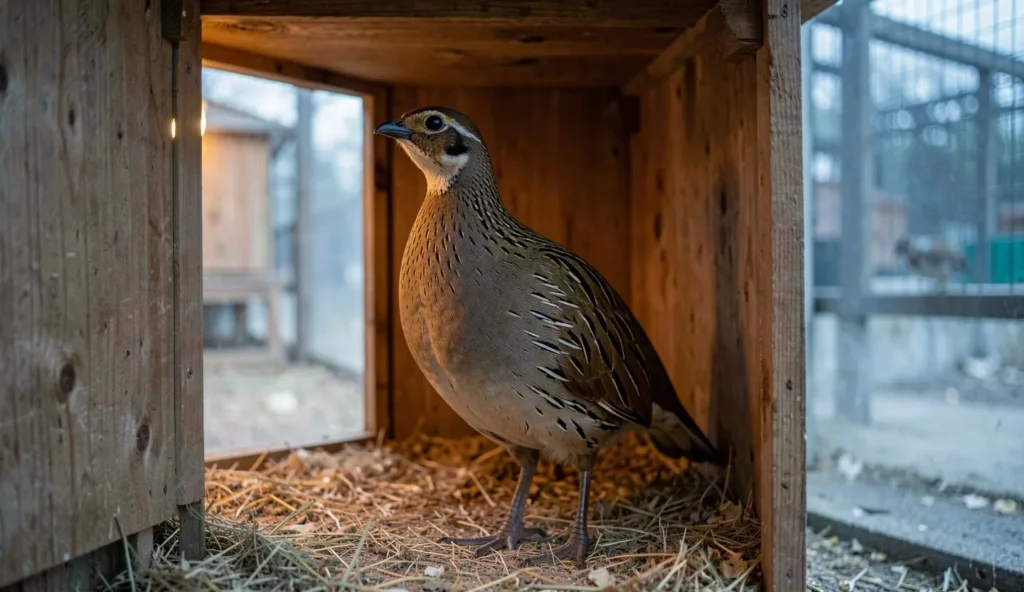
Some owners prefer a small heated compartment, which functions like heated shelter for birds rather than an indoor room. That design helps maintain a stable microclimate during frost sensitive periods.
Heated Shelter Requirements For Frost Protection
Heated shelter requirements for Natal francolin should focus on predictable warmth and safe access. The goal is to keep the warm area above frost risk while avoiding sudden temperature swings.
When the shelter provides a reliable retreat, winter exposure drops and stress reduces. Then the bird can eat, rest, and remain active enough to stay in good condition.
Temperature Targets For Winter Housing
Set a warm zone that stays above frost risk and allow the rest of the aviary to remain cooler. That setup reduces shock when outside temperatures change during day and night.
A reliable thermometer near the shelter entry helps track conditions that reflect bird comfort. It is better to monitor real shelter temperatures than rely on outdoor weather alone.
As another example of cold housing planning, owners who keep pigeons may review a cold hardy setup like Russian Tumbler to understand how shelter zoning can reduce drafts.
Draft Free Construction Details
Seal gaps that create cold air blasts around door frames and vent openings. Windbreak panels reduce direct gusts while ventilation still removes damp air.
A buffer area helps the bird avoid immediate chilling when the door opens for checks. This design step matters because frequent opening can otherwise pull cold air into the heated space.
Bedding And Flooring For Cold Nights
Use insulating, absorbent bedding that stays dry and distributes warmth near the feet. Bedding should be replaced quickly when wet patches form to prevent damp chilling.
Avoid slippery floors because they increase stress when the bird is already managing cold. Owners should also ensure there are stable walking areas leading into the shelter.
Daily Winter Care Steps For Natal Francolin
Daily winter care steps should focus on water, food access, and early signs of stress. Small checks can prevent frost exposure and keep appetite stable.
During the coldest hours, the enclosure needs frequent monitoring because freezing conditions can develop faster than expected. Then owners can adjust housing before problems spread.
Water Access That Does Not Freeze
Use waterers designed to reduce freezing risk and check them multiple times during the coldest hours. Keeping water clean supports health and reduces winter disease risk.
Waterers should be placed where they do not block entrances or create damp floors. Clean replacement schedules also reduce contamination from partial freezing.
Feeding Adjustments In Cold Weather
Maintain a high quality base diet and keep fresh food available in the shelter when possible. Natal francolin often eat more consistently when warmth stays accessible.
Extra energy items can help during very cold spells, but they should match the usual diet and not replace essential nutrients. Cold weather feeding works best when food stays fresh and dry.
To compare how different ground feeding birds manage seasonal changes, some owners also review Painted Francolin feeding context for enclosure planning.
Spot Checks For Feet And Respiratory Signs
Inspect feet for swelling, discoloration, or stiff movement after cold nights. Early foot chilling can worsen if the bird continues to sleep on cold ground.
Watch for labored breathing, persistent coughing, or reduced alertness. When these signs appear, move the bird to a warmer, cleaner space and follow veterinary guidance.
Health Risks In Cold Climates And What To Prevent
Cold climates create predictable risks for Natal francolin, especially when frost sensitive birds face wet bedding and drafts. Housing controls these risks more effectively than treatment after the fact.
Prevention depends on clean dryness, stable shelter temperatures, and consistent daily checks. With that foundation, winter care supports immune resilience and normal activity.
Frostbite And Chilled Feet Prevention
Keep the shelter warm enough to prevent frost exposure and use dry insulated bedding to slow ground cooling. Limit time outside during hard frost so the feet avoid repeated temperature stress.
Use a plan for quick access to warmth whenever outdoor conditions become unsafe. This approach reduces the chance of chilled feet and improves recovery after cold spells.
Dampness Ammonia And Respiratory Stress
Dampness increases harmful buildup, including ammonia, which can irritate the respiratory system. Reducing wet bedding and cleaning more frequently during winter moisture helps keep air quality safer.
Ventilation must increase carefully without creating direct drafts into the bird resting areas. Then air stays moving while bedding remains dry.
Parasites And Weak Condition In Low Temperatures
Low temperatures can add immune stress, which may worsen parasite risk in some birds. Consistent hygiene and routine health checks remain necessary even when bedding changes less often.
Parasite control should follow vet guidance and local recommendations. Then owners can address issues early rather than after the bird’s condition declines.
For additional husbandry comparisons across birds, some owners also look at how parrot species manage winter housing, such as Eastern Rosella.
Starter Checklist For A Winter Ready Natal Francolin Aviary
A winter ready checklist helps owners prepare before the first hard frost hits. It also reduces last minute changes that can disrupt routine and stress the birds.
Use the list to verify that insulation, heating, and daily water checks work together as one system. When every item is in place, Natal francolin cold weather handling becomes more predictable.
Winter Housing Checklist
- Insulated aviary panels or wind resistant walls installed
- Heated shelter available with safe bird access
- Bedding stocked with a plan for wet weather
- Thermometer placed where readings reflect bird comfort
- Water setup that resists freezing and stays reachable
- Cleaning schedule adjusted for dampness and odor control
- Draft plan confirmed for doors, vents, and daily access
Owners should also verify heater safety rules, including proper guarding and safe spacing from bedding. This helps avoid overheating and keeps the shelter a safe refuge.
Daily Monitoring Checklist During Cold Spells
- Observe shelter use to confirm birds choose the warm zone
- Confirm water stays liquid and clean during checks
- Check droppings for changes and watch appetite behavior
- Inspect feet after nights with frost or wind
- Watch for labored breathing or persistent coughing
When stress signs appear, the bird should move to warmth promptly. At the same time, investigate the environment because housing problems often cause the symptoms.
Frequently Asked Questions
How Cold Can a Natal Francolin Tolerate Before Frost Risk Increases?
Risk increases with frost and wind exposure, so a heated shelter should be provided when freezing occurs.
What Is the Safest Way to Heat a Natal Francolin Shelter?
A sheltered warm zone works best, and direct contact with warm surfaces should be prevented.
Should Bedding Be Changed More Often During Winter for Natal Francolin?
Yes, damp sections should be removed quickly to prevent chilling and odor buildup.
How Can Water Be Kept From Freezing Without Risking Contamination?
Use freezing resistant options and check frequently to keep water clean and fully accessible.
What Signs Show Natal Francolin Are Struggling in Cold Weather?
Chilled feet, reduced appetite, and labored breathing are key signs that need prompt warming and veterinary advice.
Is an Insulated Aviary Enough Without a Heated Shelter for Natal Francolin?
Insulation helps, but frost periods often still require heating to protect frost sensitive birds.
Final Housing Efforts That Improve Winter Comfort
Thoughtful insulated aviary design plus a heated shelter for Natal francolin improves safety during winter care. With dry bedding, draft free housing, and daily checks, cold season management stays more stable and controlled.