🐦 Grey Francolin – The Beloved Teetar of the Subcontinent
🌍 Introduction to Grey Francolin
If you’ve ever woken up to the sweet, rhythmic call of “Ka-tee-tar, tee-tar” echoing across a rural landscape, you’ve already met the Grey Francolin — better known as Teetar in Pakistan and India. This beloved game bird is more than just a pretty face; it’s a cultural icon deeply woven into the fabric of South Asian village life. From its earthy plumage that blends perfectly into dry fields to its cheerful calls that mark the start and end of each day, the Grey Francolin has earned a special place in the hearts of bird lovers, farmers, and hobbyists alike. Whether you’re considering raising one or simply curious about this charming bird, you’re in for a treat.
📌 Scientific Classification
- Scientific Name: Francolinus pondicerianus
- Common Names: Grey Francolin, Teetar, Bhoora Titar
- Family: Phasianidae (Pheasant family)
- Origin: Indian Subcontinent and surrounding regions
🧬 Physical Characteristics of Grey Francolin
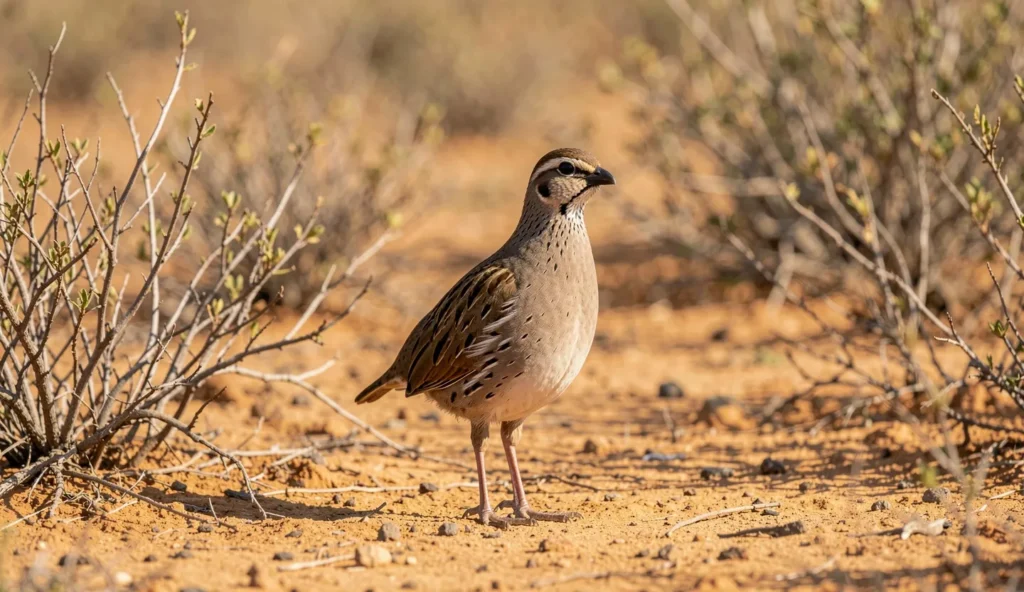
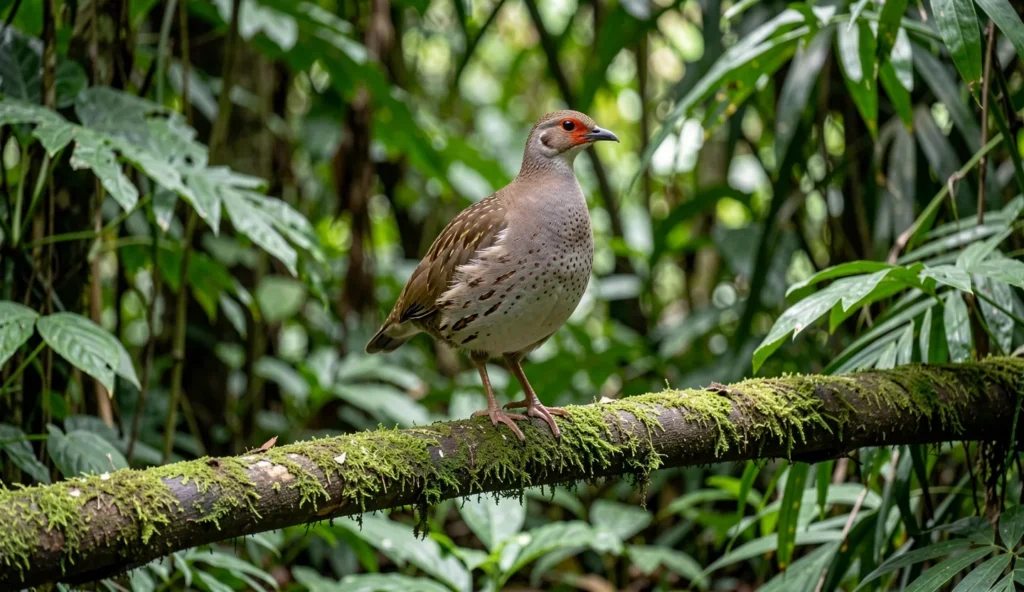
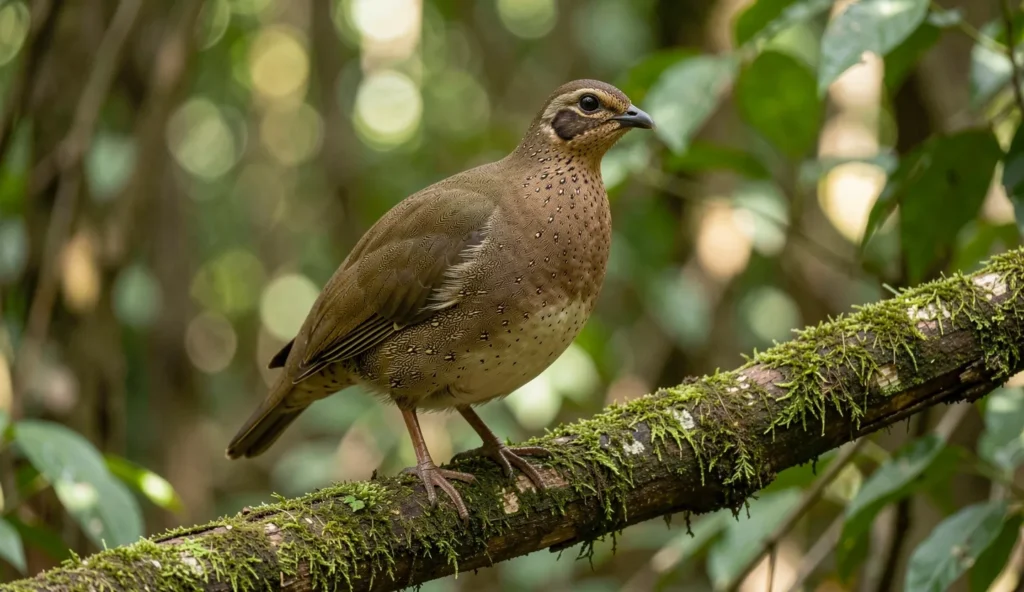
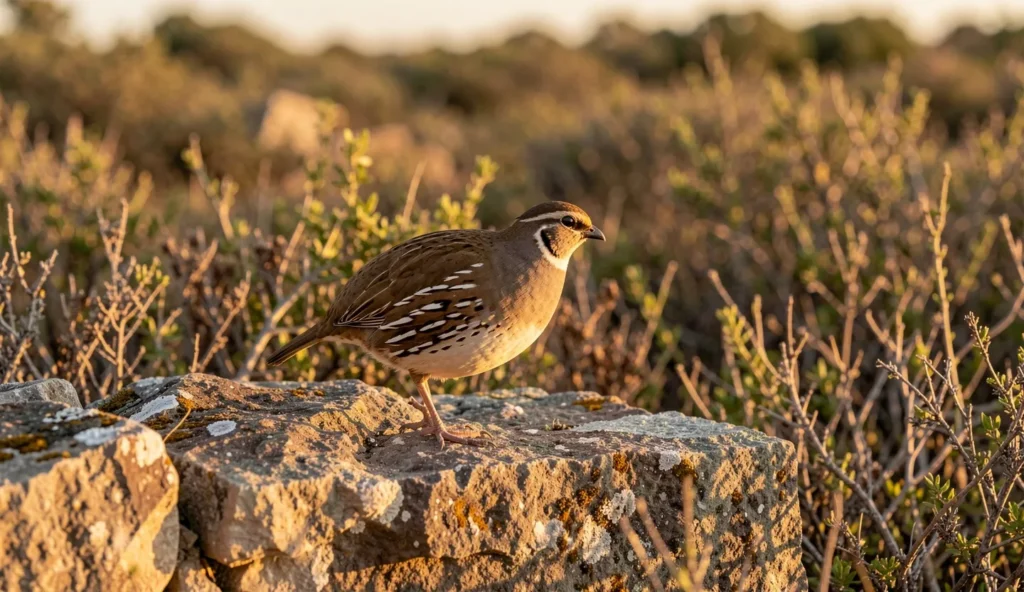
The Grey Francolin is subtle yet striking in its appearance, designed perfectly for camouflage in dry, grassy habitats:
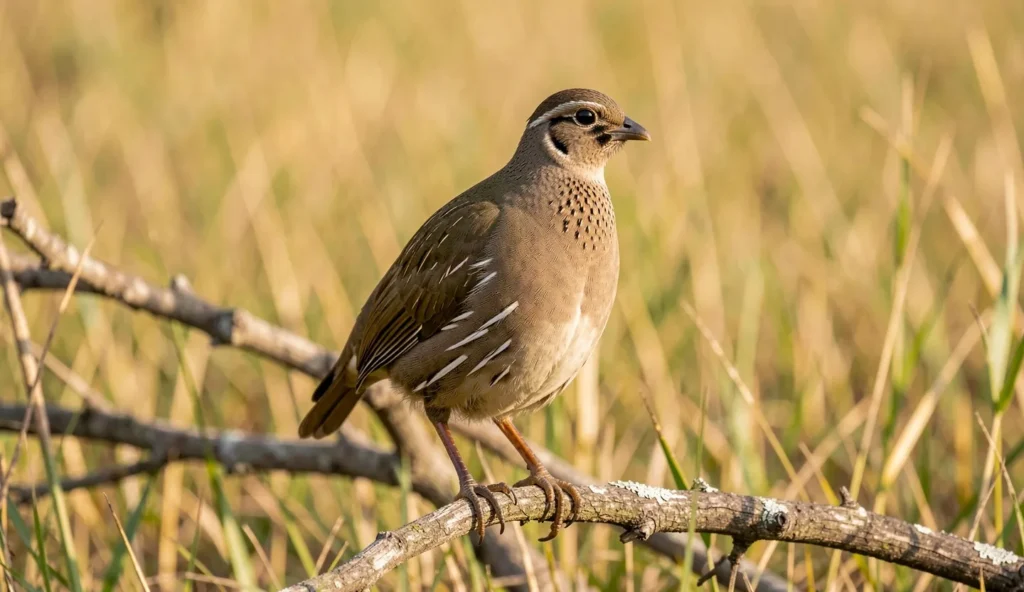
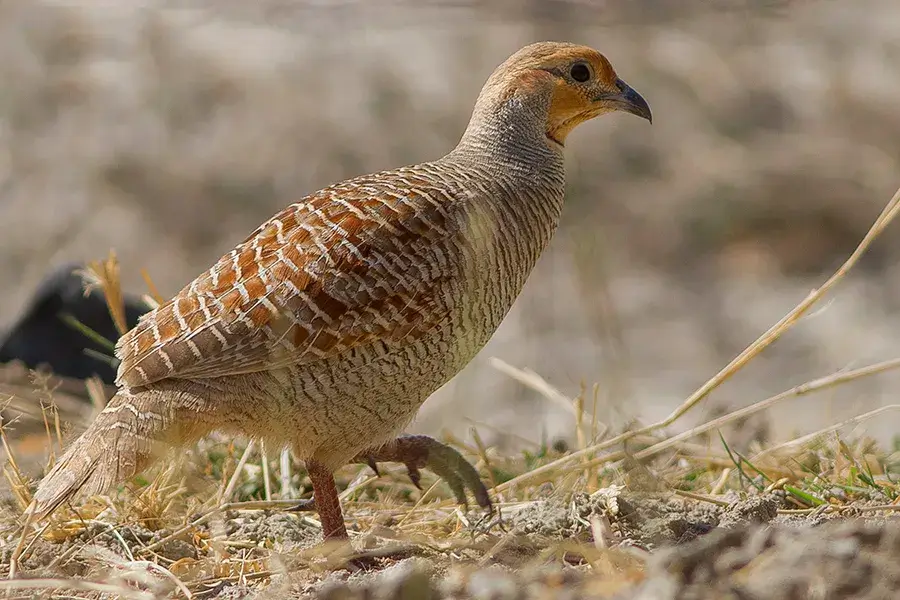
- 🎨 Brownish-grey feathers with fine black-and-white barring
- 🎀 Buff-colored face with a thin black border on the throat
- 📏 Size: 30–33 cm in length
- ⚖️ Weight: 250–350 grams
🔊 The Melodious Voice of the Teetar
One of the main reasons this bird is loved in rural areas is its sweet, repetitive call:
- 🔊 The famous “Ka-tee-tar, tee-tar” sound is heard at dawn and dusk
- 🎶 Males often call from elevated spots during the breeding season
- 🕊️ Their calls are used in village games and competitions
🌾 Natural Habitat and Distribution
Grey Francolins prefer open and dry landscapes:
- 🌿 Found in grasslands, farmlands, dry scrub forests, and village fields
- 🇵🇰 In Pakistan, common in Punjab, Sindh, and Balochistan
- 🌍 Also found in India, Nepal, Bangladesh, and parts of the Middle East
🍽️ Diet and Feeding Habits
Teetars are omnivores and adapt well to both wild and captive feeding:
- 🌾 Seeds, grains, and insects form their natural diet
- 🪲 Insects, worms, and small invertebrates boost protein intake
- 🌽 In captivity: Wheat, millet, cracked corn, and green veggies
- 💧 Always provide clean drinking water
🏡 Captive Care and Housing
Raising Grey Francolins at home or on farms is simple if their basic needs are met. For those interested in other ground-dwelling birds, the Painted Francolin offers a colorful alternative with similar care requirements:
- 🪺 Spacious cages or aviaries with ground access for scratching
- 🌤️ They prefer dry and sunny areas with some shade
- 🧼 Clean environment to prevent respiratory and parasitic issues
🔁 Breeding and Reproduction
Grey Francolins breed naturally and often when provided the right conditions:
- 🐣 Breeding season: April to August
- 🥚 A female lays 6–10 eggs per clutch
- 🕒 Incubation period: Around 18–21 days
- 👨🌾 Can be bred in small farms or village backyards
💡 Benefits of Raising Grey Francolins
Grey Francolins aren’t just beautiful birds; they also offer practical benefits:
- 🎵 Their sweet calls bring joy to rural mornings
- 🎯 Popular in bird calling competitions and rural games
- 💰 High demand for breeding pairs and chicks in local markets
- 🌱 They help control insect populations in gardens and fields
🎭 Cultural Importance of Teetar
The Teetar is a beloved figure in South Asian culture:
- 🎤 Featured in countless folk songs and regional poetry
- 🏡 Symbol of rural beauty and harmony with nature
- 🏆 Used in traditional calling competitions between villages
🩺 Health and Common Issues
Proper care ensures a long, healthy life for Grey Francolins. A practical tip from experienced keepers: always quarantine new birds for at least two weeks before introducing them to your existing flock to prevent the spread of diseases.
- 💉 Vaccinate regularly against Newcastle Disease and fowl pox
- 🧼 Keep bedding dry to prevent respiratory infections
- 🦠 Deworm every 3–6 months
- 🐛 Check for external parasites like mites and lice
📊 Grey Francolin vs Black Francolin
| Feature | Grey Francolin (Teetar) | Black Francolin (Kala Titar) |
|———————-|————————-|——————————-|
| Color | Brown-grey | Glossy black with chestnut |
| Call | Soft, sweet repetition | Loud, sharp territorial call |
| Size | 30–33 cm | 33–36 cm |
| Habitat | Dry plains, fields | Grasslands, near water |
| Popularity | Widely kept in villages | Often bred for competitions |
🎉 Fun Facts About Grey Francolin
- 🐾 Teetars are excellent runners — they prefer to flee predators on foot
- 📣 Males call loudly during dawn to mark territory
- 👫 Pairs mate for a season and share parenting duties
- 🥚 Chicks are precocial — they walk and feed themselves just hours after hatching
❓ Frequently Asked Questions
Q1: Can Grey Francolins be kept as pets?
A: Yes, many people in rural Pakistan keep them for their aesthetic appeal, cultural value, and as a means of communication. They adapt well to captivity with proper care.
Q2: Are Teetars legal to keep in Pakistan?
A: In most areas, yes. However, always check with local wildlife authorities to ensure you comply with regulations.
Q3: What is the price of a Grey Francolin?
A: A healthy adult Teetar can cost anywhere from PKR 2,000 to 6,000, depending on location and quality of the bird.
Q4: How long do Grey Francolins live?
A: In captivity, with good care, they can live up to 5–7 years.
Q5: Can Grey Francolins be trained?
A: While not as trainable as parrots, they can become tame with regular handling and may respond to calls over time.
✅ Conclusion – Why Grey Francolin Is a Treasure
The Grey Francolin, or Teetar, represents a timeless connection between nature and rural life. Its gentle beauty, peaceful call, and low-maintenance nature make it an ideal bird for farmers, hobbyists, and cultural enthusiasts alike. Whether you’re raising them for tradition, breeding, or simply as a hobby, these birds continue to inspire joy and nostalgia across generations. For those looking to explore similar species, the Swamp Francolin offers a fascinating contrast with its wetland habitat preferences, while the Black Francolin provides a striking visual and vocal alternative. 🐦🌾❤️