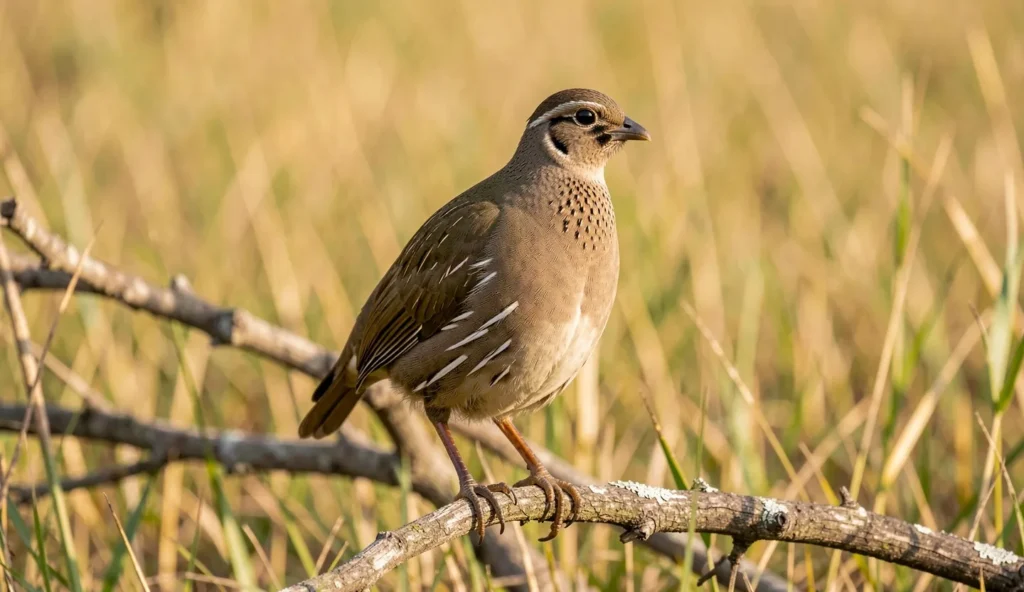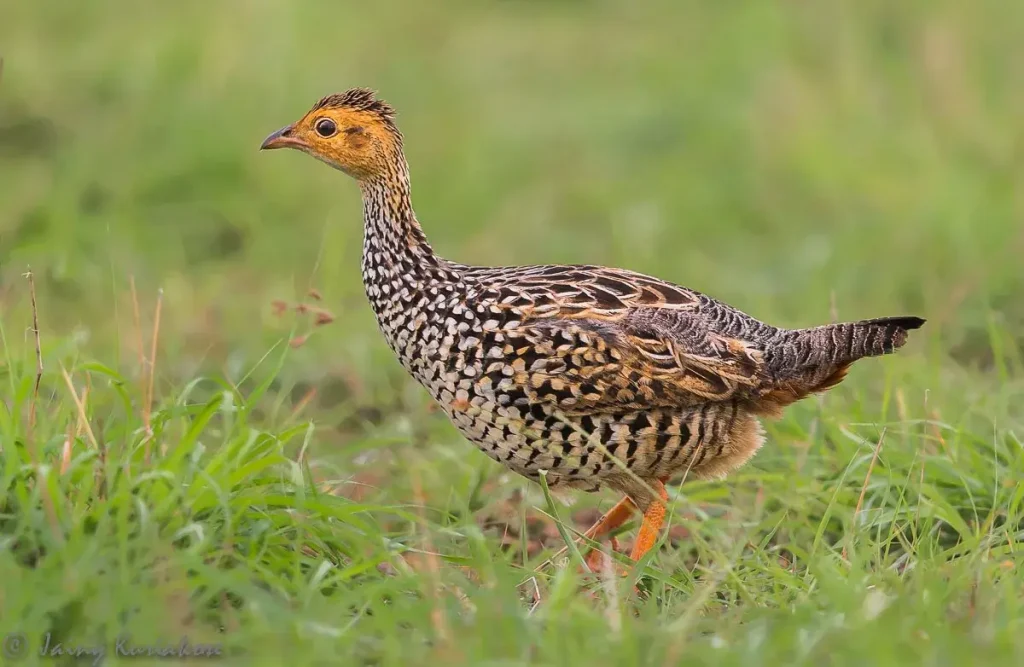
🎨 Painted Francolin – A Colorful Gem Among Game Birds
🌟 Introduction to the Painted Francolin
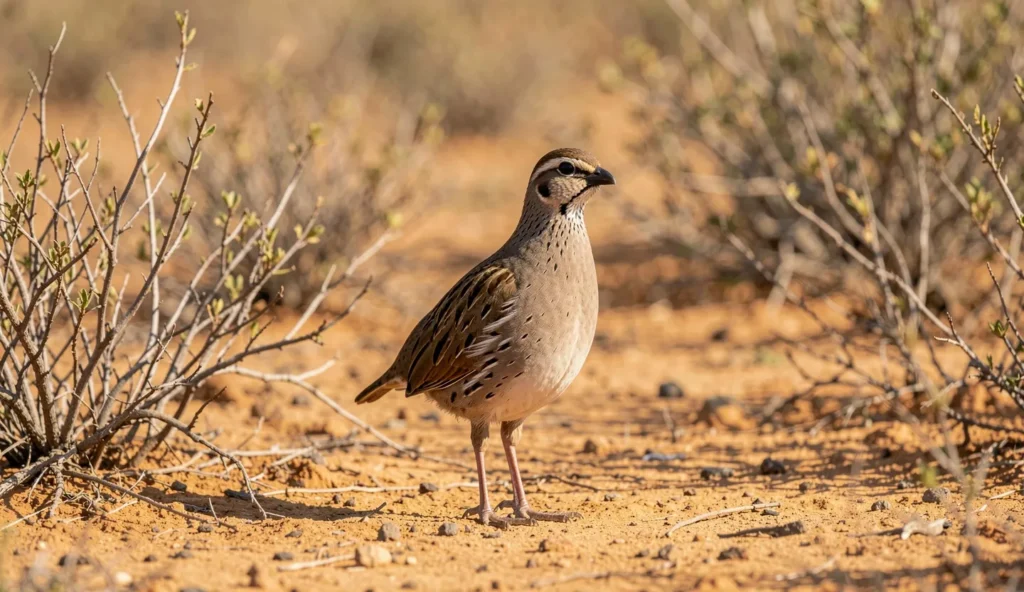
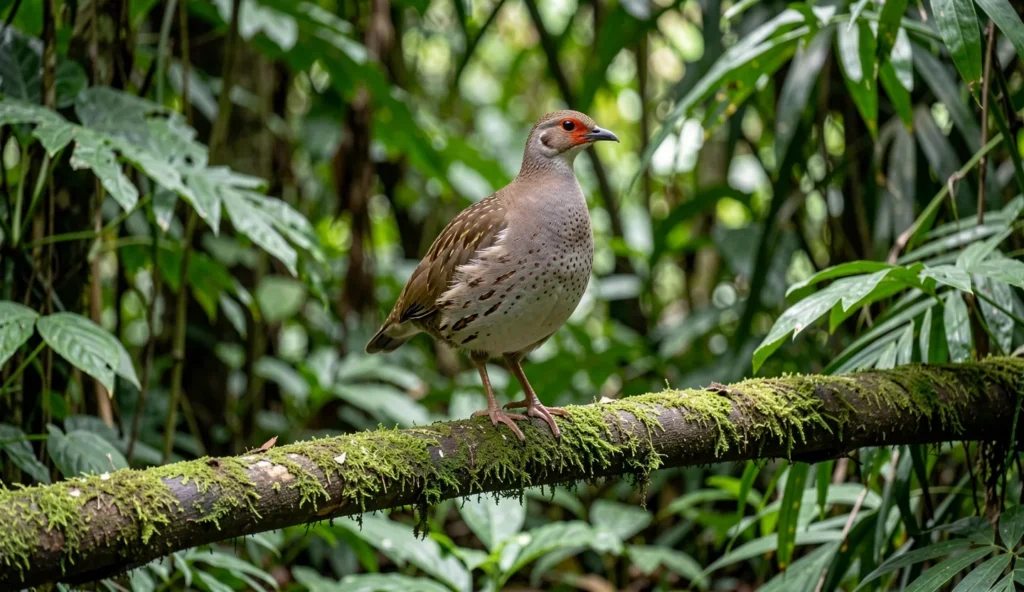
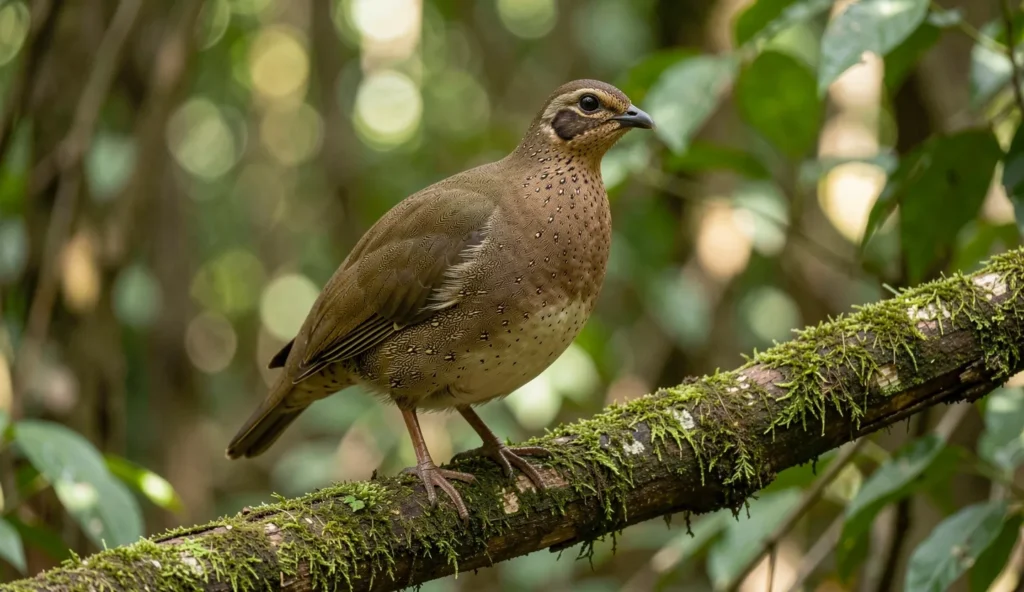
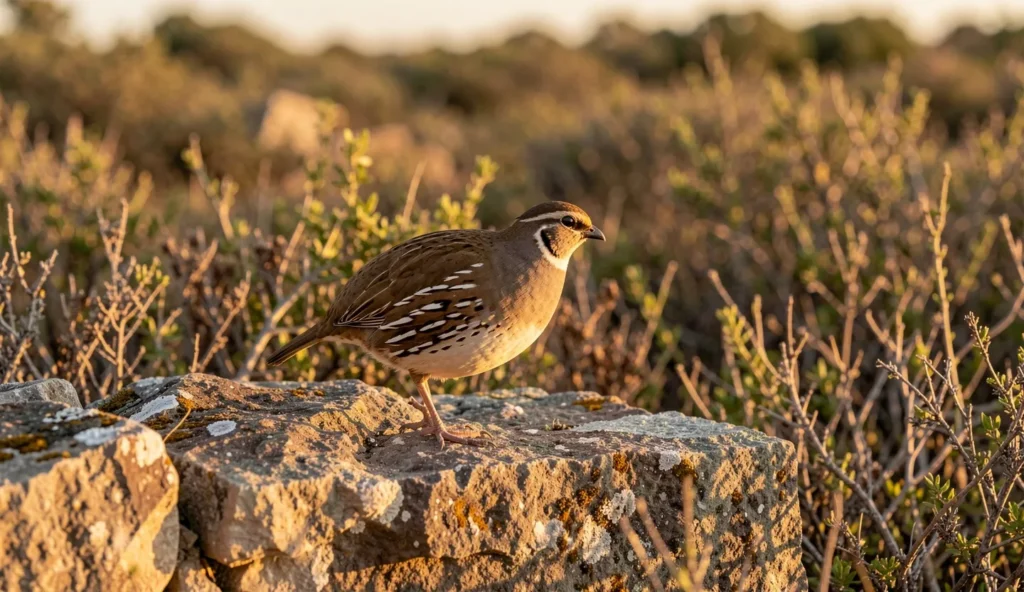
If you’ve ever heard a sharp, musical “chee-chak” echoing across a dry grassland at dawn, you may have been listening to one of the most visually striking members of the francolin family. The Painted Francolin (Francolinus pictus) is a true standout, boasting chestnut plumage adorned with golden spots and bold black-and-white patterns that set it apart from its more familiar relatives like the Grey Francolin (Teetar). Native to parts of the Indian subcontinent, this bird captivates bird enthusiasts, nature lovers, and responsible breeders alike. Though rare in captivity, interest in its conservation and ethical breeding is steadily growing as more people recognize its ecological and aesthetic value.
📖 Scientific Classification
- Scientific Name: Francolinus pictus
- Common Names: Painted Francolin, Painted Partridge, Rangin Teetar (in Urdu)
- Family: Phasianidae (Pheasant family)
- Native Region: India and parts of southern Pakistan
🎨 Distinctive Appearance
The Painted Francolin lives up to its artistic name:
- 🌈 Deep chestnut feathers beautifully marked with black and white patterns
- 🟡 Golden spots along its wings and flanks
- 🧡 Bright orange legs and a compact, upright posture
- 📏 Size: Approximately 33–35 cm in length
- ⚖️ Weight: Around 300–400 grams
🔊 Vocalizations and Behavior
Painted Francolins are expressive, especially during early morning and evening hours:
- 🔉 Known for their unique “chee-chak, chee-chak” call
- 🎤 Males vocalize frequently during the breeding season to establish their presence
- 🎶 Their sounds are musical and somewhat sharper compared to other francolins
🌍 Natural Habitat and Distribution
These birds are selective about where they live:
- 🌾 Prefer dry grasslands, lightly wooded areas, and farmlands with nearby cover
- 🟢 Thrive in regions with moderate vegetation and access to clean water
- 📍 Found across central and southern India and parts of Sindh and southern Punjab in Pakistan
🥗 Diet and Feeding Habits
The Painted Francolin has a diverse and balanced diet:
- 🌿 Eats seeds, grains, green shoots, and small insects
- 🐜 Actively forages for termites, beetles, and grasshoppers
- 🌽 In supportive care, they do well on a mix of grains (wheat, millet) and fresh vegetables
- 💧 Access to fresh, clean water is essential for their well-being
🏠 Ethical Housing and Environment in Care
Although not commonly kept, these birds can adapt to responsible, ethical care:
- 🪺 Require a spacious, well-ventilated aviary with natural ground material
- 🌤️ Prefer warm, dry climates with partial shade and shelter
- 🧹 Cleanliness is vital to prevent infections and promote health
- 🪵 Include natural elements like logs, grasses, and safe perches for enrichment
🐣 Breeding and Conservation Awareness
Breeding Painted Francolins requires dedication and respect for their natural behaviors:
- 🌸 Breeding season typically follows spring rains, from April to July
- 🥚 Females lay 6–8 eggs in shallow nests on the ground
- 🕒 Incubation lasts about 18–20 days
- 👨👩👧👦 Chicks become independent quickly but still benefit from a safe, nurturing environment
🔍 Identifying Gender Differences
- 🧔♂️ Males tend to have bolder coloration and more active vocal behavior
- 👩 Females usually have subtler plumage patterns, aiding in nesting camouflage
- 👀 Males are often more territorial, especially during the mating season
🏆 What Makes the Painted Francolin Unique?
There’s more to this bird than its good looks:
- 🎨 Exceptional coloring sets it apart from other francolins
- 🌿 Plays a helpful role in local ecosystems by managing insects
- 💸 Its rarity in aviculture contributes to its value and fascination
- 🧬 Ethical breeding is key, as wild populations deserve protection
📊 Comparing Painted Francolins With Other Francolin Species
| Feature | Painted Francolin | Grey Francolin | Black Francolin |
|———————-|————————|————————|————————|
| Plumage | Chestnut with gold bars| Grey-brown with stripes| Glossy black and rust |
| Size | 33–35 cm | 30–33 cm | 33–36 cm |
| Availability | Rare in care settings | Common in many regions | Moderate |
| Vocalization | Sharp and musical | Softer and repetitive | Loud and dramatic |
| Recognition | Distinctive appearance | Familiar rural bird | Known for bold calls |
🎉 Fascinating Facts About Painted Francolins
- 🖌️ The word “pictus” in its scientific name means “painted” in Latin
- 🪶 They rely on camouflage rather than flight when startled
- 🌾 Help naturally control crop pests in rural areas
- 🛡️ Often heard before they’re seen, thanks to their calls
❓ Frequently Asked Questions
Q1: Are Painted Francolins found in Pakistan?
A: Yes, they are occasionally spotted in grasslands and farmland areas of Sindh and southern Punjab, though they remain uncommon. For a comparison, the Black Francolin is more widespread in similar habitats across the region.
Q2: Can Painted Francolins be cared for at home?
A: With the right conditions and ethical practices, experienced aviculturists may care for them. However, their specialized needs make them better suited to conservation-focused settings. Those interested in similar species might also explore the Swamp Francolin, which has different habitat requirements.
Q3: How much does a Painted Francolin cost?
A: Due to its rarity, a pair may range from PKR 10,000 to 25,000. Prices depend on health, source, and availability.
Q4: How does this species differ from the Grey Francolin?
A: Painted Francolins have more vivid coloring and a unique call. Grey Francolins are more widely found and familiar in rural areas.
Q5: Is it legal to keep Painted Francolins?
A: Regulations vary by region. It’s important to follow local wildlife and conservation laws. Always ensure birds are sourced ethically and not taken from the wild.
✅ Conclusion – Celebrating the Painted Francolin
The Painted Francolin is a true wonder of the avian world. With its breathtaking plumage, musical voice, and unique personality, it brings joy and inspiration to everyone who encounters it. Whether in the wild or cared for ethically in protected spaces, this bird reminds us of the importance of biodiversity and the need to conserve our natural treasures. For those fascinated by the diversity of francolins, learning about related species like the Grey Francolin and Black Francolin offers a fuller picture of these remarkable game birds. 🌿🐦💚