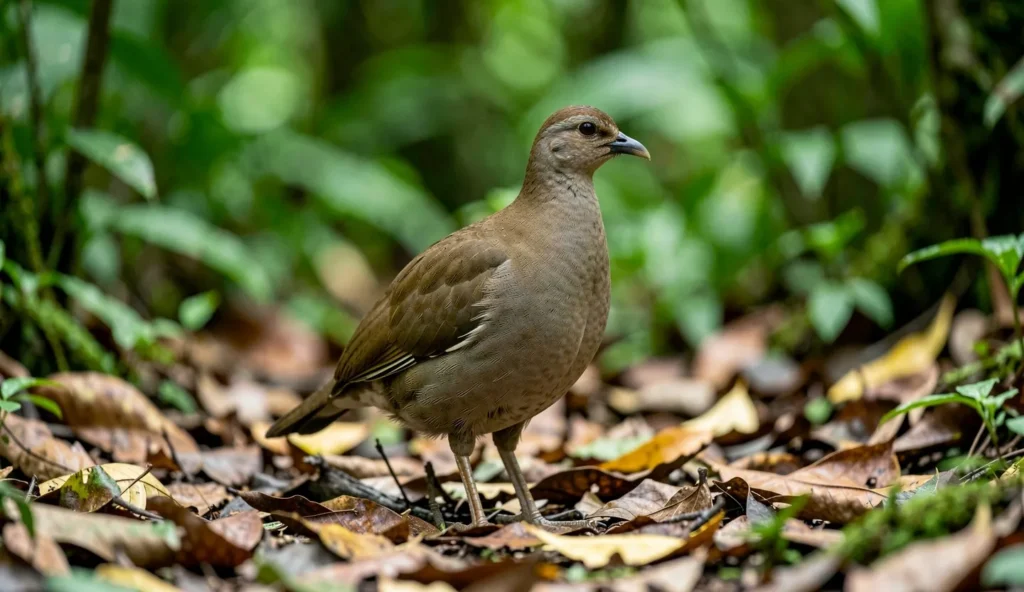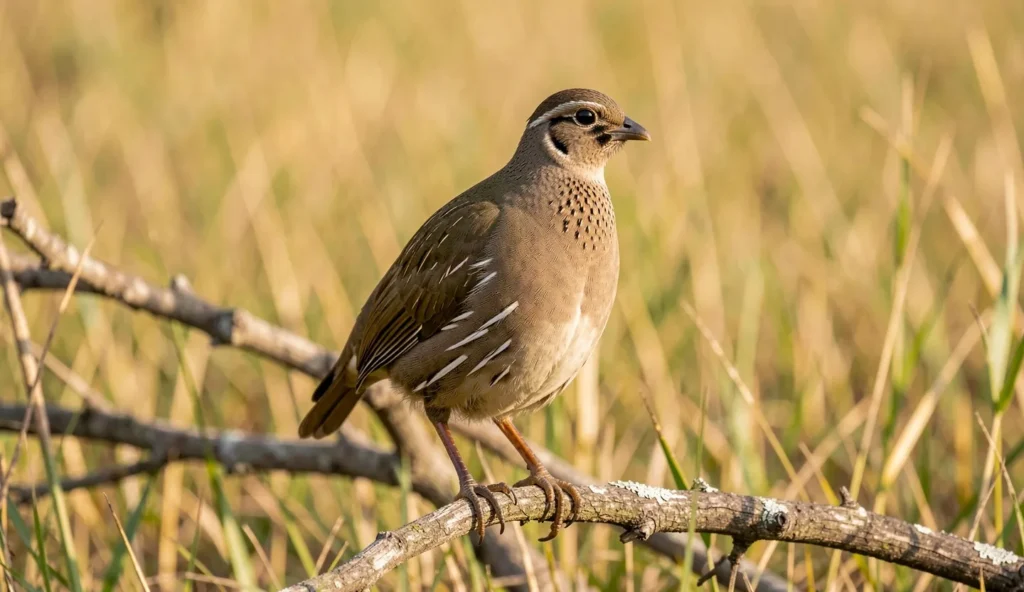
What Is an African Francolin
The African Francolin is a ground dwelling bird native to sub-Saharan Africa and is valued for its calm temperament and sturdy foraging behavior. It is a species that adapts well to modest aviaries when provided with appropriate housing and enrichment.
Natural Habitat And Range
Native to sub Saharan Africa, the African Francolin occupies grasslands and savannas and relies on dense ground cover for protection. It is a ground dwelling bird that makes short, controlled flights when disturbed.
- Native to sub-Saharan Africa
- Typically found in grasslands and savannas
- Ground dwelling birds with short, controlled flights
For broader context on related species, see the Black Francolin.
Distinctive Physical Traits
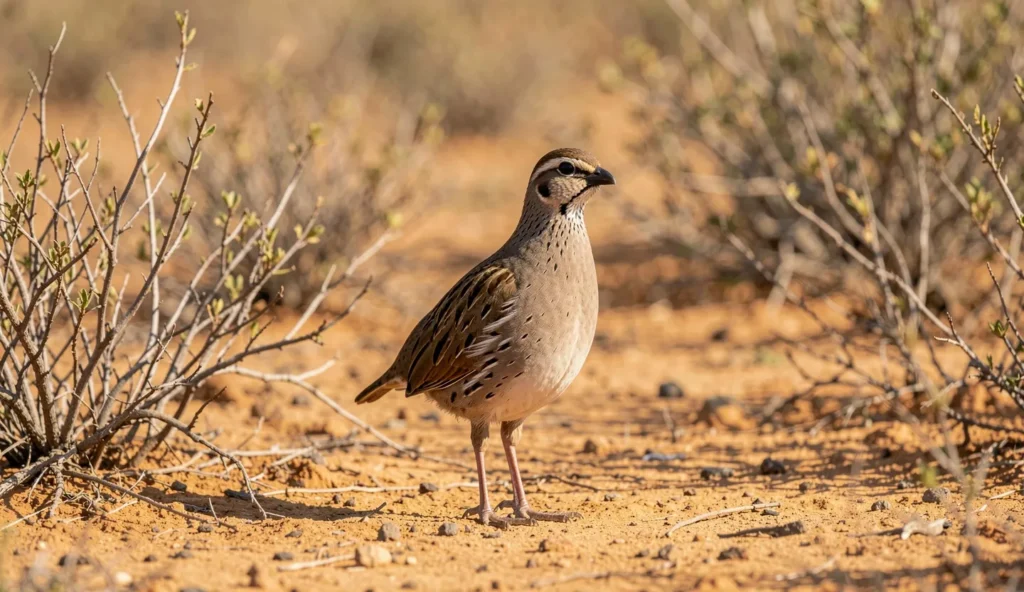
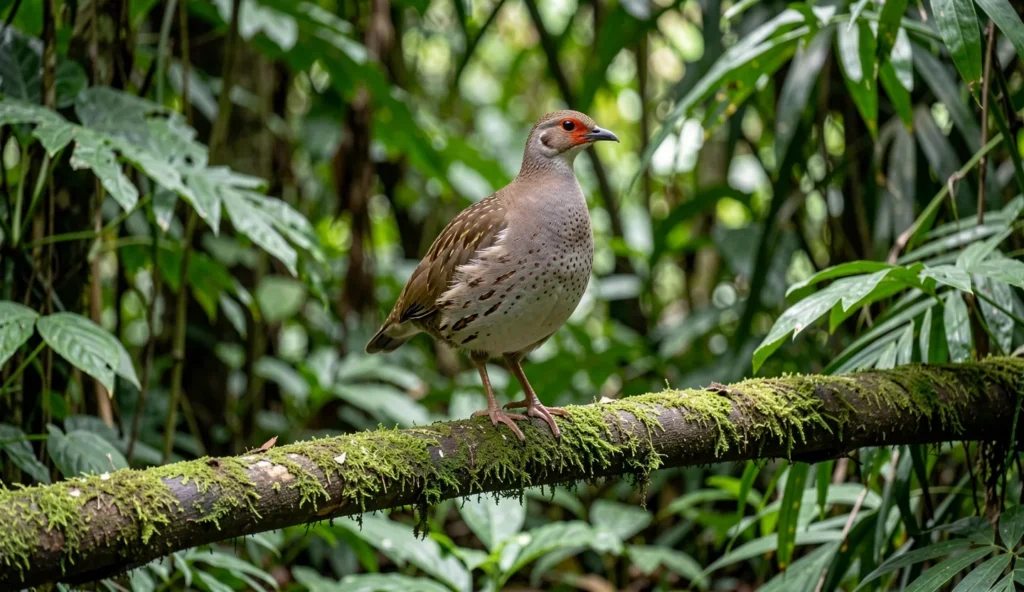
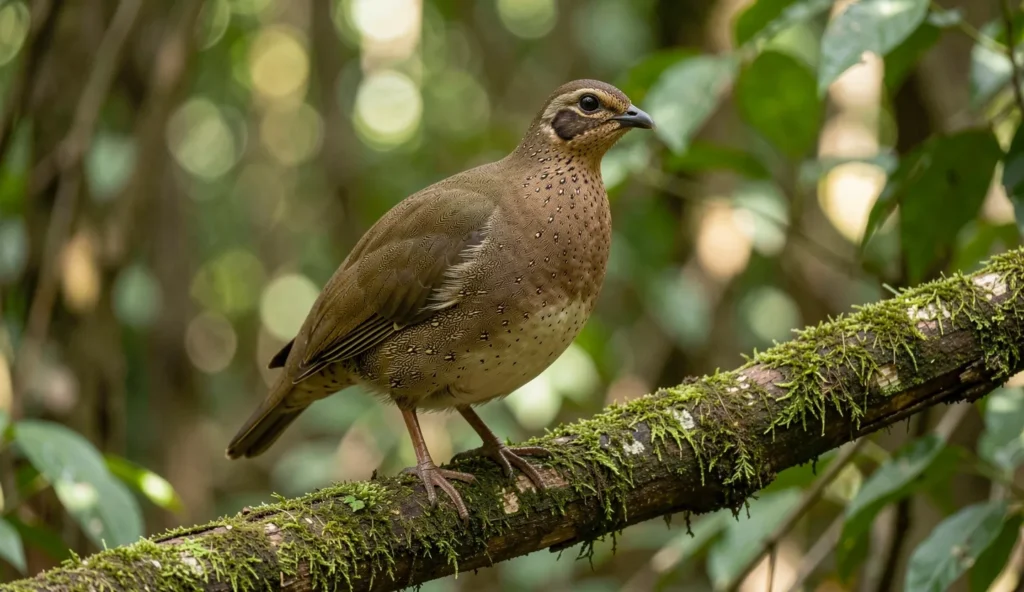
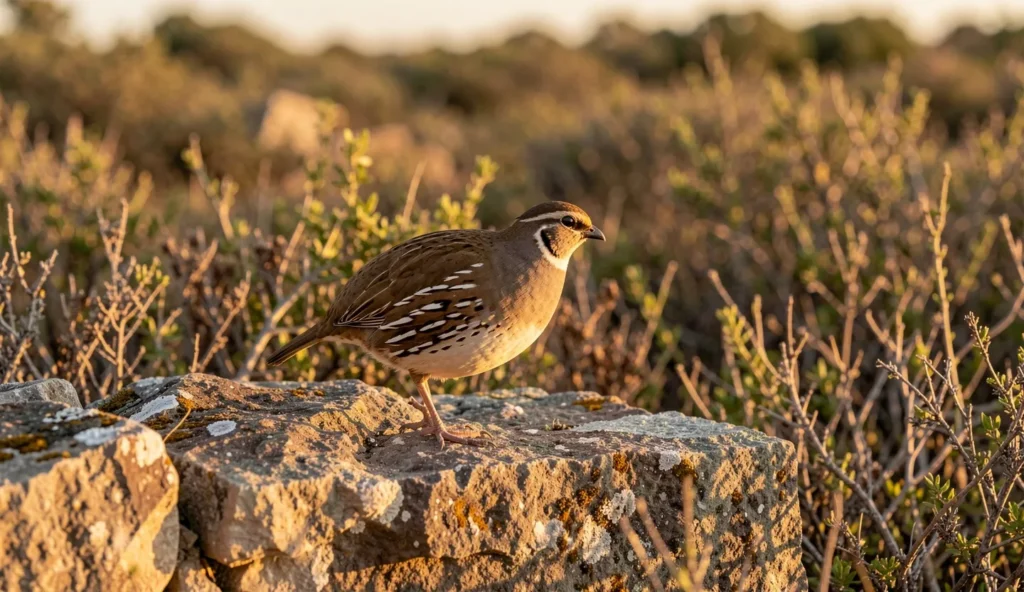
The African Francolin shows cryptic plumage that helps conceal it on the ground, especially in dry grasses. It is a medium sized bird with a rounded body and a short bill, coupled with sturdy legs suited for life on the ground.
- Spotted or streaked plumage for camouflage
- Medium sized with a rounded body
- Short bill and sturdy legs suited for ground life
These camouflage features are similar to the Grey Francolin and help explain why these birds are often chosen for easy care references.
Why Keepers Consider Them
Keepers appreciate the African Francolin for its moderate noise levels when housed properly, which makes it a practical option for many homes. It typically shows a calm temperament when properly housed and handled.
- Moderate noise levels with proper housing
- Calm temperament when properly housed and handled
Compared with other species, the White-Throated Francolin offers a useful benchmark for temperament and space needs.
Appearance and Varieties
The African Francolin displays cryptic plumage patterns that help it blend into ground cover, and its medium body size gives it a robust appearance with a relatively short tail. Overall, the bird maintains a sturdy build that suits a ground oriented lifestyle.
Plumage and Size Overview
Cryptic plumage patterns provide effective camouflage on the forest floor and grasslands. The bird’s medium body size includes a strong chest and a short tail, making it well suited for ground life.
- Cryptic plumage patterns for ground camouflage
- Medium body size with robust chest and short tail
- Gender differences may be minimal in some populations
Regional variants show differences in plumage intensity, with some populations displaying more pronounced markings. For regional context, the Cape Francolin provides a comparative example.
Common Subspecies or Variants
There are variations in plumage intensity by region, with some populations showing more pronounced markings. These variants reflect adaptation to local habitats and threats.
Housing Essentials
Proper housing supports health and reduces stress in the African Francolin by providing space for foraging and roosting. A well designed enclosure also aids in gentle handling during routine care.
Enclosure Size and Design
Provide ample floor space for scratching and foraging, and use secure fencing to prevent escapes. A quiet, low-stress environment reduces aggression and promotes steadier behavior.
- Provide ample floor space for scratching and foraging
- Secure fencing to prevent escapes
- Quiet, low stress environments reduce aggression
Linking to Handsome Francolin as an example of compatible housing can help new keepers understand enclosure expectations.
Substrate and Perches
Choose a soft substrate to minimize foot problems and provide varied perch heights to encourage natural behavior. The arrangement should allow easy cleaning and predictable roosting spots.
- Soft substrate to minimize foot problems
- Varied perch heights to encourage natural behavior
In related care guides, you can compare with Handsome Francolin care for practical ideas.
Lighting and Temperature
Natural light cycles are beneficial for circadian rhythms, and maintain moderate temperatures to avoid stress. Consistency helps prevent behavioral issues.
Diet and Feeding
A balanced diet supports energy and feather condition in the African Francolin and should mirror natural foraging patterns. Providing a variety of nutrients helps maintain long term health.
Ideal Diet Components
High quality commercial bird seed mix or pellets forms the base, supplemented with fresh greens and small insects. Occasional fruit can be offered as a treat in moderation.
- High quality commercial bird seed mix or pellets
- Supplement with fresh greens and small insects
- Occasional fruit as a treat in moderation
Dietary variety aids digestion and mimics natural foraging, a topic covered in other care guides such as Red-Necked Francolin.
Feeding Schedule and Tips
Provide fresh water daily and offer small, regular meals to mimic natural foraging behavior. Avoid overfeeding high fat foods to prevent obesity.
Treats and Foods to Avoid
Avoid spicy, salty, or sugary foods, and limit dairy and high fat snacks to protect gut health.
Handling and Temperament
Most African Francolins respond to gentle daily handling and steady routines, which builds trust over time. Balanced social interaction reduces stress during routine care.
Taming and Socialization
Gentle daily interaction improves trust and reduces skittish behavior, especially when introduced gradually. Avoid sudden movements to prevent stress.
Interaction With Humans and Other Birds
They are generally sociable but benefit from consistent routines and safe flight zones. Monitor signs of territorial aggression during bonding with others.
Common Health Issues
Respiratory infections and parasites can occur in overcrowded or dirty enclosures. Regular checks help catch problems early.
Typical Health Concerns
Respiratory infections and parasites can occur, especially in dusty or damp settings. Foot issues may arise from hard or dirty substrates.
Prevention and Veterinary Care
Regular health checks and clean housing reduce risk, and avian veterinarians should be consulted for persistent symptoms.
Signs That Require Vet Attention
Lethargy, poor appetite, breathing difficulties, feather loss or unusual droppings warrant veterinary attention.
Breeding Basics
Breeding should only be attempted by experienced keepers who can provide secure and segregated housing. This protects both birds and eggs.
Breeding Readiness and Housing
Only experienced keepers should attempt breeding, and separate breeding pairs require secure housing.
Eggs, Incubation, And Rearing
Incubation periods vary by species and chick rearing needs specialized care.
Starter Checklist for New Owners
A practical starter kit helps new keepers establish a safe and comfortable environment.
Initial Setup Essentials
Appropriate enclosure and secure housing, basic feeders, waterers, and substrate are essential.
First Weeks Care Plan
Gradual introduction to the new environment, with close monitoring of health and behavior, supports a smooth transition.
Is African Francolin Right for You
Owners should assess whether a quiet companion bird fits their lifestyle and home environment. The African Francolin requires regular care, space, and attention.
Lifestyle Fit and Commitments
Regular care, space, and attention are necessary, making it best for quiet, bird friendly households.
Costs and Space Considerations
Initial setup costs and ongoing diet needs must be planned, and a secure space helps prevent stress and escapes.
Final Note
Closing Remarks
With proper housing, feeding, and daily handling, the African Francolin can be a rewarding and manageable pet bird for many households.
Frequently Asked Questions
What is an African Francolin?
The African Francolin is a ground dwelling bird native to sub Saharan Africa with speckled plumage and distinctive calls.
How much space does an African Francolin need?
A spacious, secure enclosure with ample floor area and enrichment is essential for comfort and health.
What should I feed an African Francolin?
A balanced diet includes quality seed mix or pellets, greens, and occasional insects for variety.
Is an African Francolin suitable as a pet bird?
They can adapt to captivity with proper housing, enrichment, and consistent care.