What Is the Cape Francolin and What It Naturally Eats
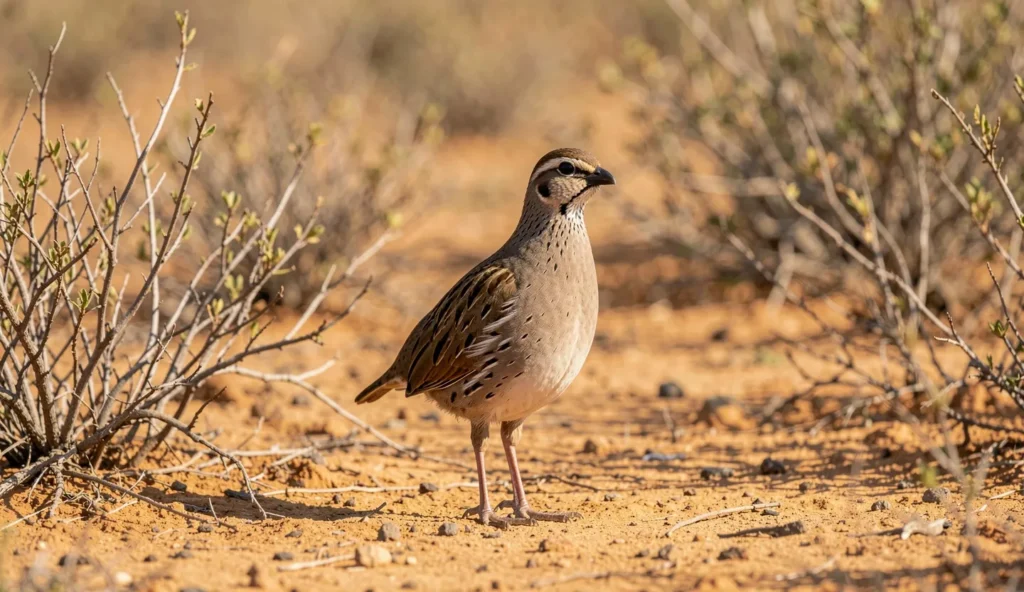
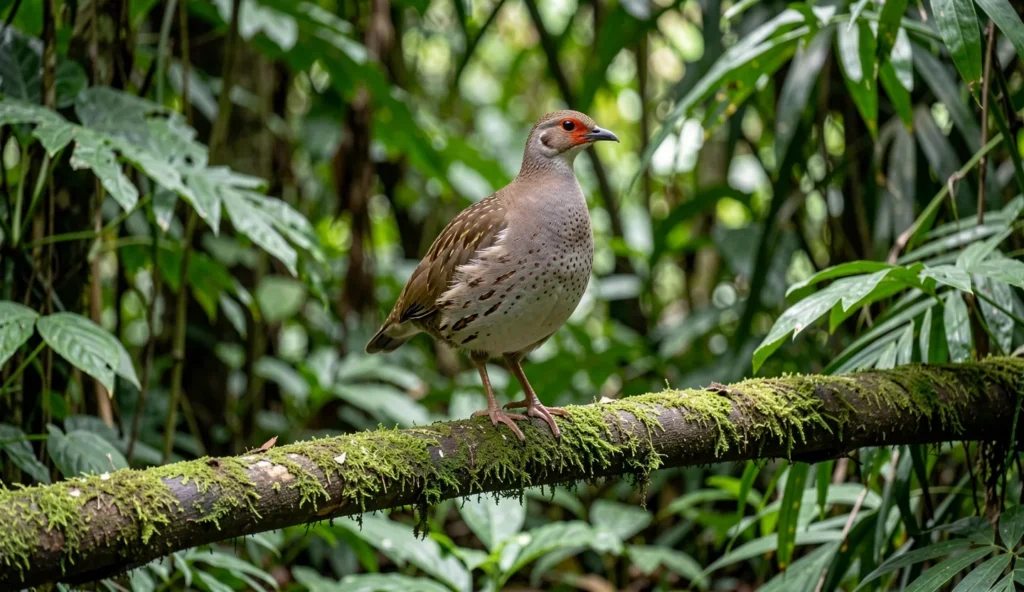
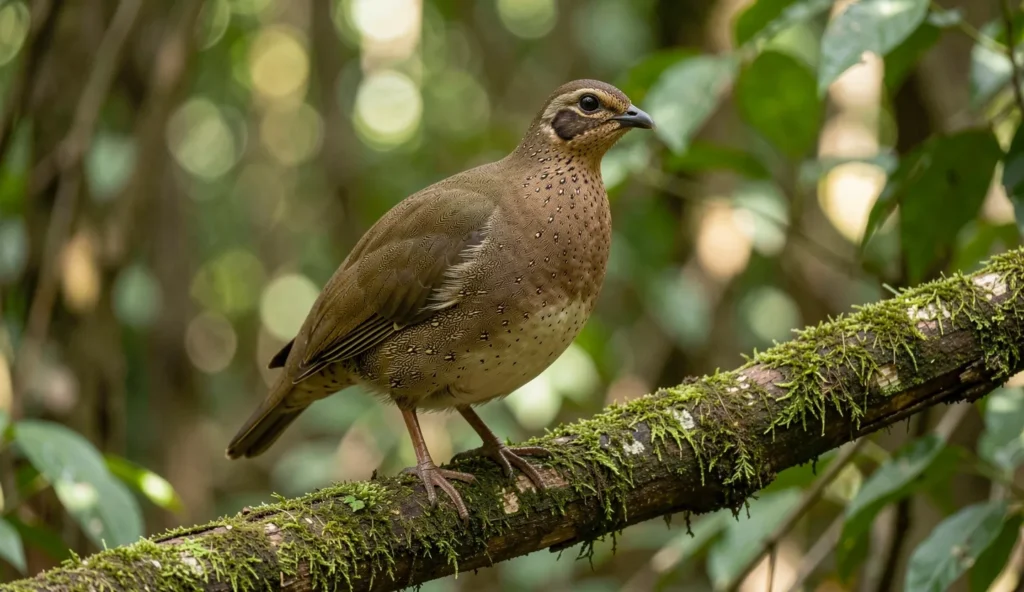
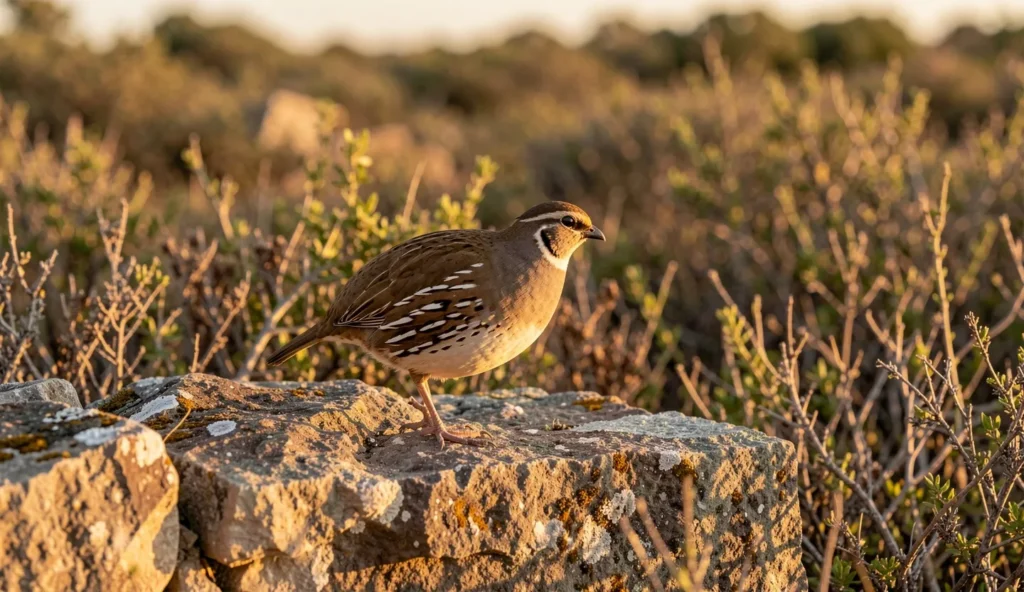
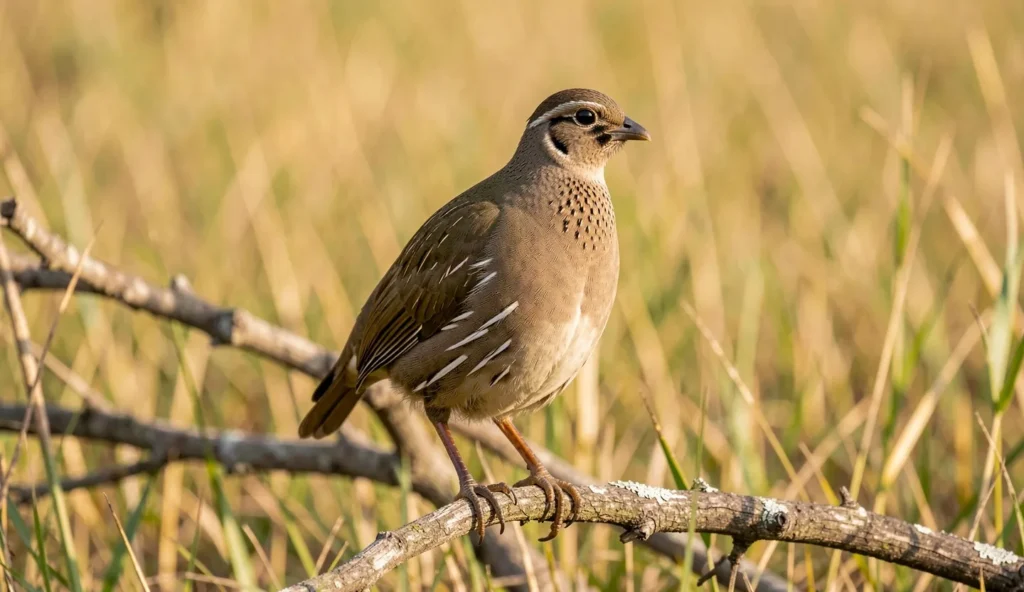
The Cape Francolin is a ground feeding bird endemic to South Africa, known for active foraging and a varied diet. Its natural food choices shape what successful Cape francolin feeding looks like in captivity.
Origin and habitat in South Africa
The Cape Francolin lives in open areas with grass cover across South Africa. In the wild, it forages mostly on the ground during daily movement patterns.
Natural food sources and feeding style
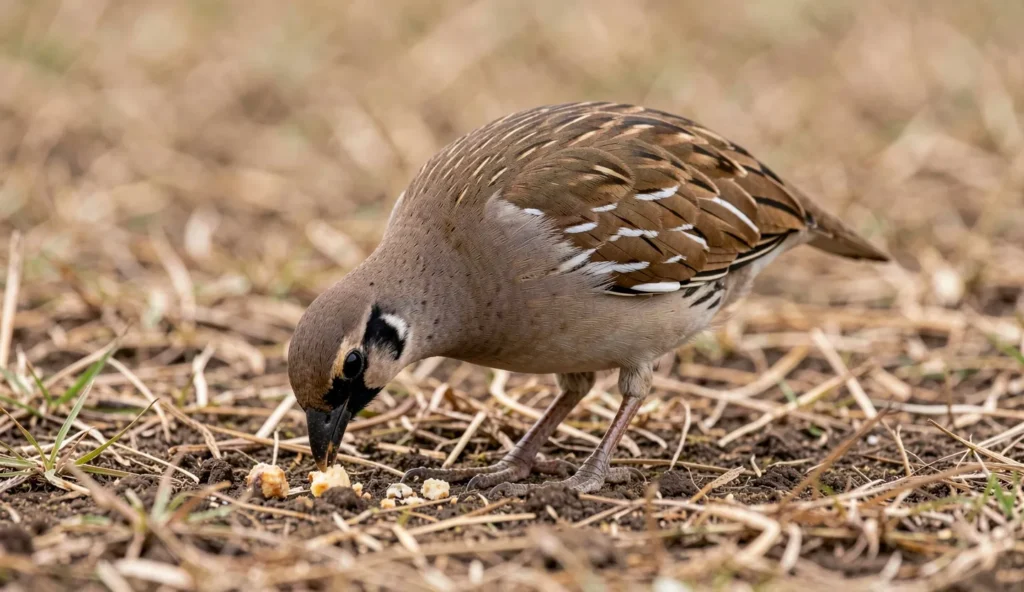
Cape francolin feeding in nature leans on grains, seeds, and plant matter. Opportunistic insects and other small protein sources also appear when they are available.
Because the bird searches the ground for food, captive diet planning should support picking, pecking, and short foraging bursts. Food should feel similar in size and texture to what it would find outside.
Why grains and greens matter in captivity
In captivity, a captive diet should include a grain based base because it mimics the staple role of natural seeds. Fresh greens provide fiber and micronutrients that support day to day maintenance.
Balance matters more than any single food type, since bird nutrition depends on both energy and gut supporting plants. When grains and greens work together, feeding becomes more stable and predictable.
Housing Setup That Supports Healthy Eating
Housing design affects how easily the bird eats, which directly influences bird nutrition. When the enclosure supports calm, routine eating, Cape francolin feeding stays consistent.
Food and water placement for ground feeding
Food should sit at ground level in stable, non tipping trays or bowls designed for small birds. Water must remain separate from food to reduce contamination and bacterial growth.
Placing feeding stations in a safe corner also reduces stress during meals. If more than one bird is present, multiple stations help lower competition and keep francolin diet access more even.
To compare similar ground feeding styles in game birds, owners may find useful context in resources like Grey Francolin. Many francolins share foraging habits that translate into similar captive feeding routines.
Bedding and hygiene to reduce spoiled food
Bedding should stay easy to clean and not stay damp, since moisture increases mold and odor risk. Wet greens spoil faster than dry grains, so cleanup needs to happen quickly.
Bowls require daily washing and regular sanitizing, especially trays used for chopped greens. Good hygiene reduces the chance that spoiled food drives digestive upset.
Reducing stress during feeding times
Feeding should happen at consistent times, with fewer disruptions near the enclosure during those periods. Loud spaces and sudden movement often reduce appetite and make Cape francolin feeding less reliable.
Space also matters, because aggressive guarding can block food access. When enough room exists, the bird eats without extended stress behaviors.
Cape Francolin Feeding Schedule for Everyday Care
A feeding schedule for pet birds should be repeatable and based on routine. This helps owners track intake and adjust portions based on real results.
Daily feeding rhythm for adult birds
Most adult birds do well with fresh food offered twice daily as part of everyday care. Uneaten greens should be removed within a short time window to limit spoilage.
Water should remain available throughout the day and be refreshed often. Fresh water supports digestion and helps offset any diet changes from day to day.
Portion guidance using body condition checks
Portions should adjust based on body weight trends and simple body condition checks. Steady weight usually signals correct balance of grains and greens for the current activity level.
If weight drops or increases rapidly, grains and greens should change gradually rather than abruptly. Small adjustments protect bird nutrition while digestion adapts.
Weekly and seasonal rotation for balanced nutrition
Green options should rotate across the week to vary micronutrients without changing the overall diet base. Seasonal availability can guide safe swaps as long as the texture and portion size stay consistent.
Insect protein should not become an everyday replacement unless a vet or avian specialist recommends it. For added context on closely related diets, owners can also review Painted Francolin as another reference point for game bird style feeding.
What To Feed the Cape Francolin in Captivity
Choosing what to feed the Cape Francolin in captivity requires a clear set of safe components. A practical francolin diet usually centers on grains and greens with limited additions for protein and support nutrients.
Staple grains and seeds to prioritize
Use a grain based base designed for game birds or similar seed eating species with ground foraging behavior. A mix should support steady energy without forcing the bird to rely on one food ingredient only.
Over time, relying on only one grain type can reduce micronutrient coverage. Owners often do better with a balanced seed or grain mix intended for birds that eat on the ground.
Greens and vegetables that are usually safe
Offer leafy greens daily for fiber and micronutrient support, since this helps round out a grain based plan. Chop pieces small enough for easy picking and limit waste from larger pieces.
Introduce new greens gradually to reduce refusal and digestive upset. If refusal occurs, returning to the last well accepted greens helps reset Cape francolin feeding while keeping bird nutrition steady.
When building a varied routine, some owners also look at Senegal Parrot feeding articles for broader understanding of how daily produce choices influence appetite. Even though parrot diets differ, the concept of safe rotation and gradual changes stays useful across many pet bird setups.
Protein options beyond grains
Small insects can support natural feeding behavior and add protein when used appropriately. Use commercially raised insects or safely sourced options that match safe feeding standards for pet birds.
Protein additions should match life stage and health needs, since not every bird benefits from higher protein levels year round. Overdoing protein can disturb balance, especially if insects replace too many grains and greens.
Calcium and grit for digestion and bone support
Calcium needs depend on the bird’s life stage and any existing diet gaps, so mineral support should follow professional guidance when possible. Calcium supplements should not replace a sound base diet.
Grit is commonly used to support grinding in the digestive tract for birds that process tougher seeds and plant matter. Mineral sources should be selected carefully and provided as directed by a vet or avian specialist.
Supplements and fortified foods when they are needed
A complete, varied diet may reduce the need for extra supplements, but limited variety can justify targeted support. Fortified foods can help when owners cannot rotate greens often.
If feather quality drops, weight shifts, or appetite changes, professional advice becomes more important than guessing. In those situations, owners can also compare general bird care considerations in Eclectus Parrot articles for how supplementation decisions depend on diet quality, even though exact requirements differ by species.
Foods to avoid or offer only rarely
Avoid salty or heavily processed foods since they provide low nutritional value and can harm digestion. Toxic plants and unknown yard clippings also create unnecessary risk.
Additionally, avoid foods that spoil quickly in warm conditions, especially if leftover greens remain accessible. Moldy or sour smelling feed often triggers digestive problems that can worsen fast.
How to Transition a Cape Francolin to a New Diet
Diet changes can cause refusal or loose droppings if introduced too quickly. A slow approach protects digestion and helps maintain appetite.
Start with familiar staples and add changes slowly
Keep the grain based staple consistent and add new greens or grain components in small amounts first. Using the same feeding times during the change helps the bird stay calm.
Gradual mixing also allows owners to observe what the bird accepts. If the bird picks the new items and leaves the rest, the change can continue at a steady pace.
Monitor droppings and body weight during changes
Droppings provide early clues, including diarrhea, reduced volume, or unusual color shifts. Weight checks should happen regularly so portion guidance stays based on actual trends.
If problems persist beyond short adjustment periods, the transition should pause and veterinary advice should be sought. Persistent decline often indicates a mismatch rather than simple preference.
Handling picky eaters and food refusal
Picky eating usually improves when fresh greens replace old leftovers quickly. Offering different chopped textures can also help, since some birds prefer smaller or softer pieces.
Rather than swapping everything at once, mixing new greens with familiar greens often works better. Consistency reduces stress and supports continued foraging behavior.
Common Diet Mistakes and Health Signs to Watch
Diet errors show up as changes in weight, droppings, and activity level. Owners who track these signs early can correct Cape francolin feeding before problems become serious.
Signs of poor nutrition in pet francolins
Weight loss or slow weight gain can signal inadequate intake or poor balance in the captive diet. Feather condition issues may also reflect long term nutrient gaps.
Low energy and less foraging can indicate imbalance, especially if grains and greens are not meeting daily needs. When the bird stops searching the ground for food, a diet review becomes necessary.
Digestive problems from wrong food balance
Overfeeding rich items can cause digestive upset, including loose droppings or reduced appetite. Too many wet greens can also increase spoilage risk and gut irritation if cleanup happens late.
Consistent water access helps digestion, because dehydration can worsen stool changes. Even when the diet looks correct, poor hydration can still create symptoms.
Food safety issues with greens and leftovers
Uneaten greens should get discarded the same day since freshness declines quickly. Bowls need cleaning to prevent residue buildup that can grow bacteria.
If food smells sour or shows visible mold, feeding must stop immediately. Safe greens for birds require careful storage and fast removal from the enclosure.
For broader context on game bird health risks related to diet changes, some owners also compare notes across related species like Black Francolin. While each bird differs, many diet safety principles stay consistent across francolins.
When to contact an avian vet
An avian vet should be contacted if appetite loss, weakness, or persistent weight changes occur. Dropping changes lasting more than a day often deserve professional input.
Professional guidance also matters before adding supplements for suspected deficiencies. Incorrect supplements can create more harm than missing nutrients.
Starter Checklist for a Balanced Cape Francolin Diet
A checklist helps owners set up feeding quickly and stay consistent during the first weeks. This improves Cape francolin feeding reliability and keeps bird nutrition on track.
Daily essentials
- Grain based staple offered in stable daily portions.
- Fresh chopped greens offered daily for fiber and micronutrients.
- Clean water refreshed throughout the day.
- Grit provided to support digestion and grinding.
Weekly priorities
- Rotate green types to vary micronutrients.
- Inspect body condition and adjust portions slowly.
- Remove and deep clean feeding bowls.
Food safety rules
- Discard greens leftovers the same day.
- Avoid unknown plants, yard clippings, and risky produce.
- Store feed dry and keep containers closed.
Is a Cape Francolin Right for Pet Owners Who Want Simple Feeding
The Cape Francolin can fit well when owners maintain routine and handle cleanup fast. A grain and green based plan typically stays straightforward when feeding times remain consistent.
Feeding effort and consistency expectations
Feeding requires steady routines and quick removal of wet greens to prevent spoilage. Monitoring appetite and droppings supports stable adjustments to the francolin diet.
When daily tasks stay manageable, the bird usually adapts to the captive diet plan faster. Stress reduction during meals also supports better intake.
Best fit for owners who can support diet variety
Some variety supports micronutrients and reduces the risk of boredom eating. Small protein additions may suit certain life stages, depending on the bird’s needs and health status.
Avian vet support becomes important if health changes appear between diet rotations. Owners who can track changes and act quickly usually manage bird nutrition more successfully.
Frequently Asked Questions
What Is the Best Staple Food for a Cape Francolin in Captivity?
Choose a grain based game bird mix as the daily staple.
How Often Should Greens Be Offered to a Cape Francolin?
Offer fresh chopped greens daily and remove uneaten portions quickly.
Should Insects Be Included in a Cape Francolin Diet?
Insects can be added as appropriate protein, not as a full replacement.
Do Cape Francolins Need Grit?
Grit is commonly used to support grinding and digestion.
What Foods Should Be Avoided When Feeding a Cape Francolin?
Avoid salty, processed foods, toxic plants, and moldy or spoiled leftovers.
Care That Keeps Feeding Stable Over Time
Consistent Cape francolin feeding based on grains and greens supports healthy digestion and steadier appetite. With routine hygiene and gradual diet changes, bird nutrition stays easier to manage for pet owners.