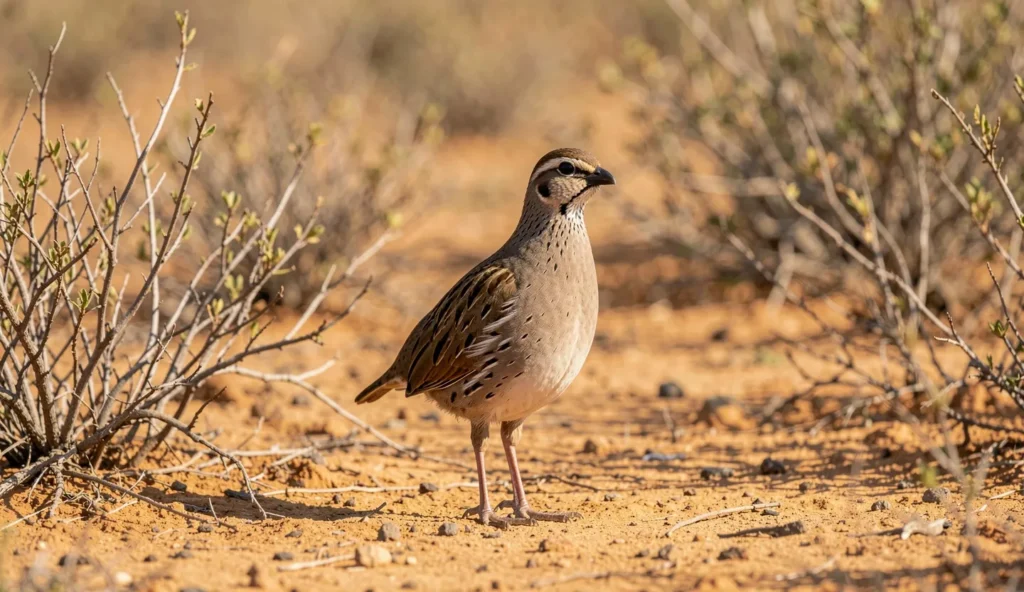
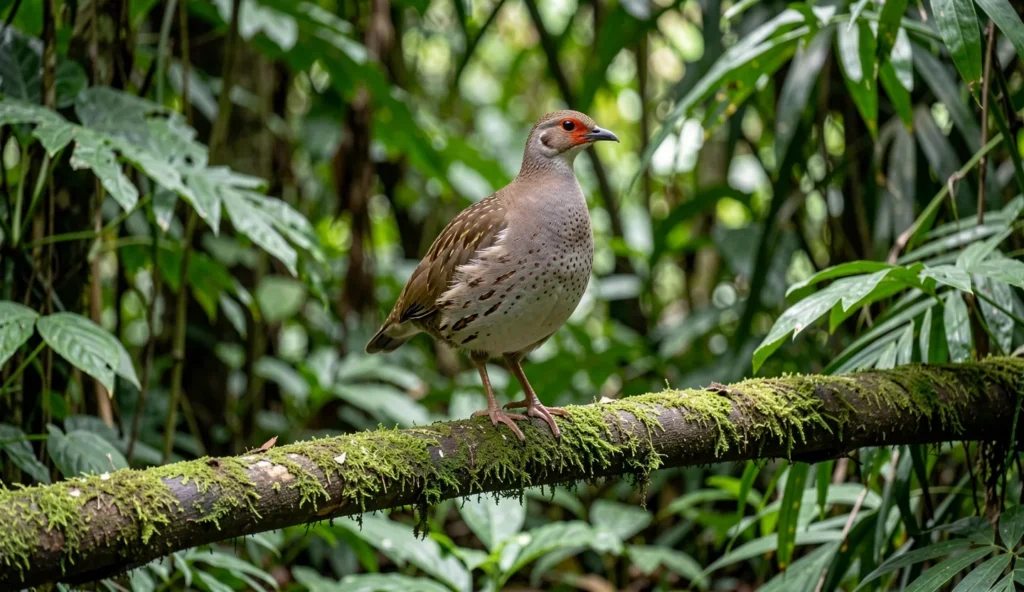
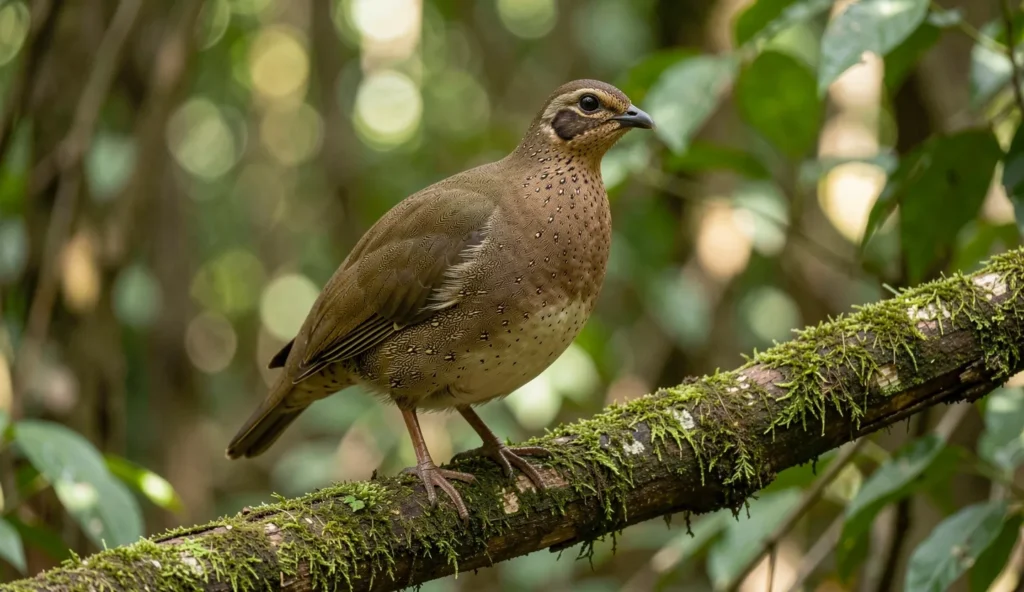
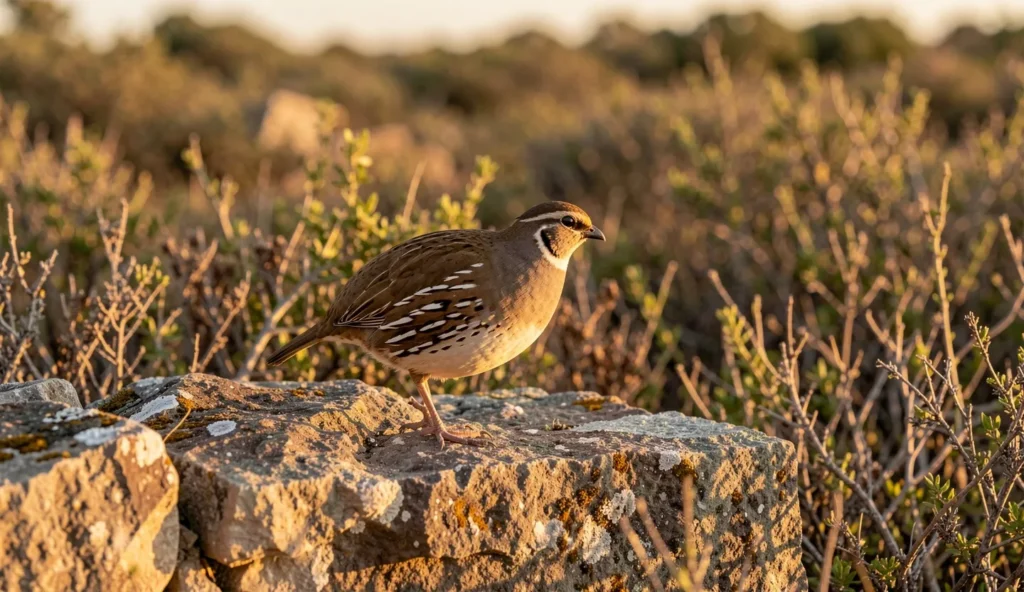
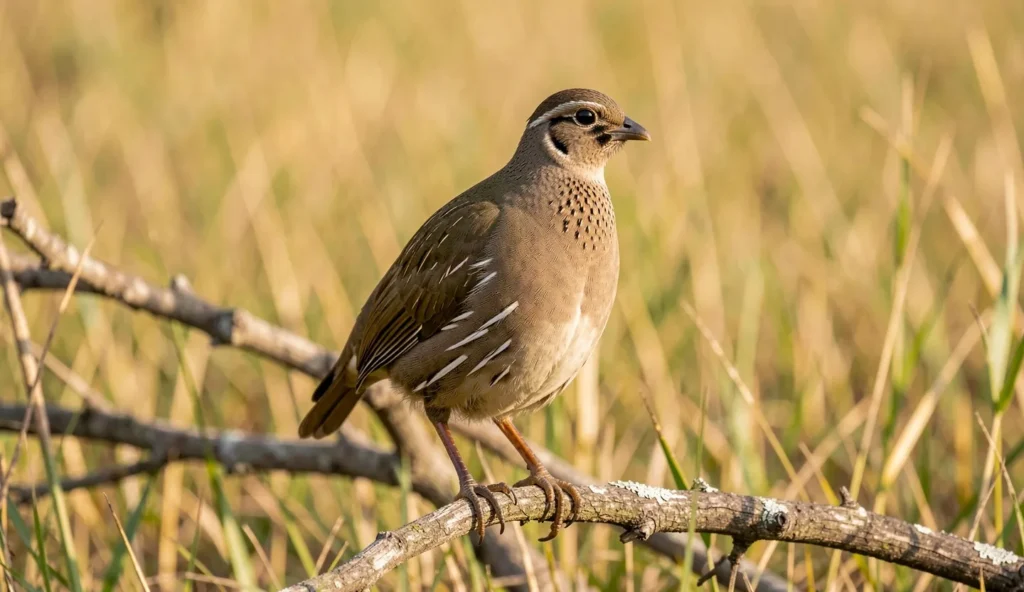
What Is a Handsome Francolin?
The Handsome Francolin is a ground-dwelling gamebird kept by some private owners, often for its active foraging behavior and strong presence. Because the bird spends time on the floor, handsome francolin grooming depends on dry housing, clean feathers, and regular dust bath access.
Quick Breed Overview And Why Grooming Matters
The Handsome Francolin’s feather condition affects insulation and comfort, so basic feather care needs attention. Regular grooming also supports bird parasite prevention by reducing skin irritation from external pests.
Normal Behavior To Expect During Routine Care
Daily preening often includes head and chest feather adjustment after foraging or resting. Many birds also dust bathe regularly, and some wing or tail feathers can look rough between sessions.
Appearance And Feather Maintenance Basics
Care becomes easier when owners know what normal feathers look like on the Handsome Francolin. With consistent hands-on checks, feather maintenance turns into a simple routine instead of a reactive scramble.
Feather Condition Checklist For Daily Observation
Look for smooth, aligned feathers with no missing patches across the body. Next, check for oily or matted areas on the chest and underwings, and inspect around the vent area for cleanliness and odor.
- Smooth feathers should lie flat without obvious gaps
- Chest feathers should feel clean and not clumped
- Underwing areas should not show heavy matting
- Vent area should remain dry and free of crusts
Signs of Feather Problems And What To Do First
Fraying edges can indicate molt stress or enclosure hygiene problems that need quick correction. Sticky feathers usually point to damp bedding or dirty perches, so enclosure dryness should be restored first.
Redness, scabs, or frequent scratching also require early review of cleaning steps and dust bath availability. When external parasites are a concern, owners often benefit from reading disease and handling details for similar francolin species, such as Crested Francolin, to compare common care patterns.
How Molting Changes Grooming Needs
During active molt, new pin feathers can appear and tender areas need gentler routines. Heavy handling can damage developing feathers, so inspection should stay brief and supportive.
Dust bath access can increase during mild molt periods because dry dust helps keep new feathers clean. If enclosure setup and hygiene are already solid, feather maintenance stays easier through the molt cycle.
Housing Essentials That Make Grooming Easier
Housing setup directly affects how often grime and dampness build up on a Handsome Francolin. When the ground area stays clean and dry, handsome francolin grooming becomes less time-consuming and more consistent.
Bedding And Flooring Choices That Support Clean Feathers
Use dry, absorbent bedding to prevent damp feather damage and reduce unpleasant odors. Then, spot-clean soiled areas daily when indoor housing is used, and replace bedding fully on a regular schedule.
This approach also helps lower the chance of pests that thrive in dirty substrates. For broader enclosure hygiene ideas, owners sometimes compare routines seen in Orange River Francolin setups.
Perch And Ground Area Design For Less Feather Wear
Stable footing reduces scuffing and uneven feather wear, especially around the legs and tail base. Avoid sharp edges that can snag tail feathers, and keep water spill zones separate from sleeping zones.
- Use stable perches with rounded edges
- Keep food and water areas away from resting spots
- Choose flooring that drains or dries quickly
- Reduce tail snag points in the enclosure
Ventilation And Humidity For Healthier Skin And Plumage
Good airflow helps prevent dampness and odor buildup that leads to dirty feather surfaces. Aim for moderate humidity and avoid wet bedding recurrence, because dry air supports comfort and better feather care.
If humidity rises, dust bath routines still help, but the enclosure should also be adjusted to restore dryness.
Dust Bath Setup And Regular Routine
Dust baths play a central role in the Handsome Francolin grooming routine, since dry dust supports feather cleanliness and parasite control. Regular dust bath access helps dislodge mites and other external pests before irritation escalates.
Why Dust Baths Are Essential For Parasite Control
Dust baths physically dislodge mites and other external parasites from the skin surface. Dry dust also reduces buildup that can trap debris between feather layers, which supports feather care and reduces skin stress.
Owners should treat dust bathing as a daily necessity, not a luxury, especially when birds spend much of the day on the enclosure floor.
Choosing The Right Dust Bath Materials
Use clean, dry, bird-safe dust bath material with no fragrances or additives. Select a fine, loose texture that allows dusting and easy distribution over feathers.
- Use only bird-safe, additive-free dust materials
- Choose fine, dry texture that clumps less
- Avoid scented bedding products or chemicals
- Keep the container dry between sessions
Step By Step Dust Bath Routine For Owners
Place the dust bath in a calm, low-traffic area so the Handsome Francolin can bathe without repeated disturbances. Then, offer bath access for a set period each day or every other day based on cleanliness and weather.
Use a shallow container to reduce falling risk, and replace dust when it becomes damp, clumped, or soiled. After bathing, remove wet or dirty dust promptly so bedding stays dry.
If the enclosure includes a separate bathing spot, it should be easy to clean after use. For owners also caring for other ground birds, dust bath patterns can be similar to those seen in Yellow-Necked Francolin keeping notes.
How Often To Offer Dust Baths Based On Conditions
Increase dust bath frequency during warm, dry weather and during active molt periods. Offer more consistent access when bedding hygiene becomes harder, because dampness can rise during busy weeks.
If the bird repeatedly exits the dust bath with wet dust stuck to feathers, reduce exposure time and verify container dryness. This helps maintain handsome francolin grooming goals without replacing cleanliness with extra mess.
Feather Maintenance Beyond Dust Baths
Dust baths support feather maintenance, but they do not replace basic hygiene and monitoring. Owners should keep handling minimal and focus on quick cleaning responses when feather surfaces get dirty.
Safe Preening Support And Handling Rules
Limit handling to what is necessary for health checks, because extra stress can disrupt normal grooming behavior. When inspection is needed, securely support the bird and keep the session brief.
Avoid pulling or trimming feathers unless a professional directs it, since feather damage can worsen fraying and increase irritation. For temperament expectations in similar birds, reviewing Red-Billed Francolin notes can help set practical expectations for routine care.
Spot Cleaning For Dirty Feathers
Remove debris with gentle, dry methods instead of washing feathers with water. Change damp bedding immediately if feathers get wet, and then keep the bird warm and stress-free after any minor cleaning.
- Use dry debris removal tools or gentle wiping
- Replace damp bedding right away
- Keep the bird in a clean, dry area
- Avoid repeated wet contact during spot cleaning
When To Treat As A Health Issue
Persistent scratching can indicate mites or irritation that requires a more targeted response. Broken or severely frayed feathers may require a checkup, especially when the issue keeps returning.
Bad smell, crusting, or vent soiling needs prompt assessment, because delayed treatment can worsen feather condition and overall comfort. In francolin care contexts, health monitoring approaches often overlap, so reviewing Clapperton Francolin health check guidance can support better owner habits.
Starter Checklist For New Owners And Care Scheduling
A clear schedule helps owners stay consistent with handsome francolin grooming and reduces the chance of missed feather problems. With a weekly plan, both dust bath routine and basic enclosure resets become manageable.
Daily Grooming And Observation Tasks
Perform quick checks for feather cleanliness and overall body condition each day. Confirm dust bath availability and observe whether the bird dust bathed recently, then spot-clean soiled bedding areas before they dry and cake.
- Check feather cleanliness across chest, wings, and back
- Inspect vent area for dryness and debris
- Confirm dust bath access and look for signs of bathing
- Spot-clean bedding before damp areas spread
Weekly Grooming And Enclosure Reset Tasks
Replace dust bath medium if it becomes clumped, damp, or visibly dirty. Deep clean the dust bath container with safe, bird-friendly methods, then refresh bedding and wash hard surfaces to reduce parasite buildup.
This weekly reset supports dust bath hygiene and improves feather care outcomes. Owners also often pair this step with food and drinking area hygiene, since spills can increase dampness.
Monthly Care Reminders For Long-Term Feather Health
Reassess the bedding schedule based on moisture levels and adjust cleanup timing if humidity changes. Review enclosure ventilation and airflow to ensure dampness does not return between deep cleans.
Also plan for extra dust bath access during molt phases, since new feather growth can show changes in cleanliness needs.
Is Handsome Francolin Right For You
The Handsome Francolin can fit owners who can maintain dry bedding and follow a steady dust bathing plan. It can also challenge owners when enclosure dampness cannot be controlled or cleanup time stays limited.
Who Benefits From A Hands-On Grooming Routine
Owners who can manage daily spot-cleaning and consistent dust bath access generally do well with handsome francolin grooming. Caregivers comfortable with basic health checks can also catch feather and skin issues early.
Who May Struggle With Grooming Demands
Busy households that cannot spot-clean damp zones may see faster soiling and weaker feather maintenance. Situations where external parasite treatment access is delayed can also make it harder to manage bird parasite prevention when issues begin.
For owners comparing care demands across ground birds, diet patterns can affect stool quality and bedding dryness, so some people look at species such as Cape Francolin to understand how feeding ties into enclosure cleanliness.
Frequently Asked Questions
How Often Should A Handsome Francolin Dust Bath?
Offer dust bath access daily or every other day based on weather and cleanliness.
What Dust Bath Material Is Safe For Handsome Francolins?
Use clean, dry, bird-safe dust bath material with no fragrances or additives.
How Can Owners Tell If A Handsome Francolin Has Mites Or Parasites?
Look for increased scratching, irritated skin, and dull or damaged feather condition.
Should A Handsome Francolin Be Washed With Water?
Avoid routine washing and rely on dust bathing plus dry, clean housing.
What Should Be Done If Feathers Become Matted Or Dirty?
Improve bedding dryness immediately and use gentle dry spot-cleaning methods.
Final Note On Building A Consistent Grooming Routine
Consistent dust baths and dry housing support feather maintenance and bird parasite prevention, especially for a ground-dwelling bird. Small daily checks help owners catch feather issues early and keep grooming steady through seasonal changes.