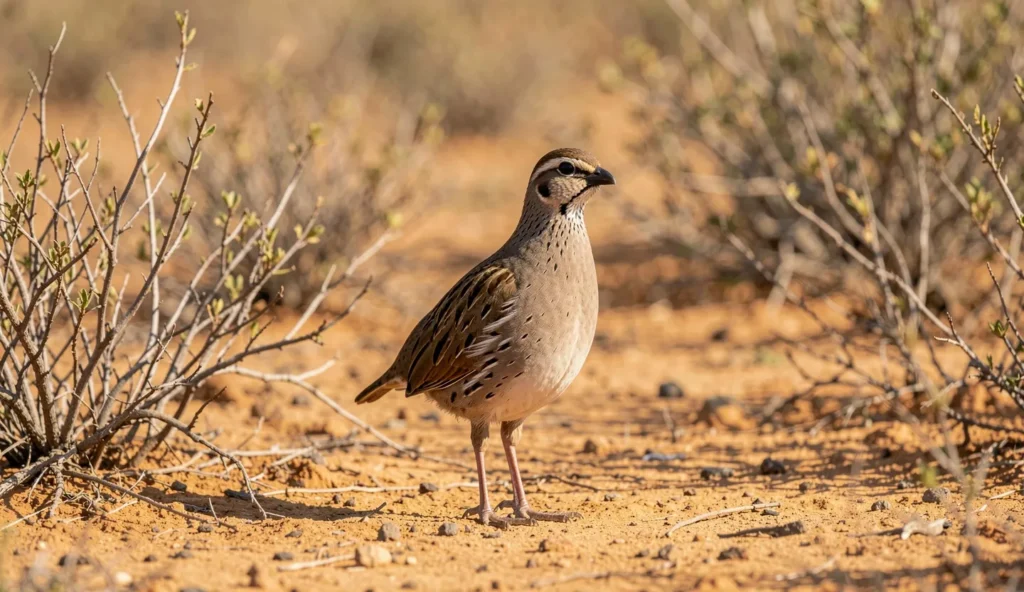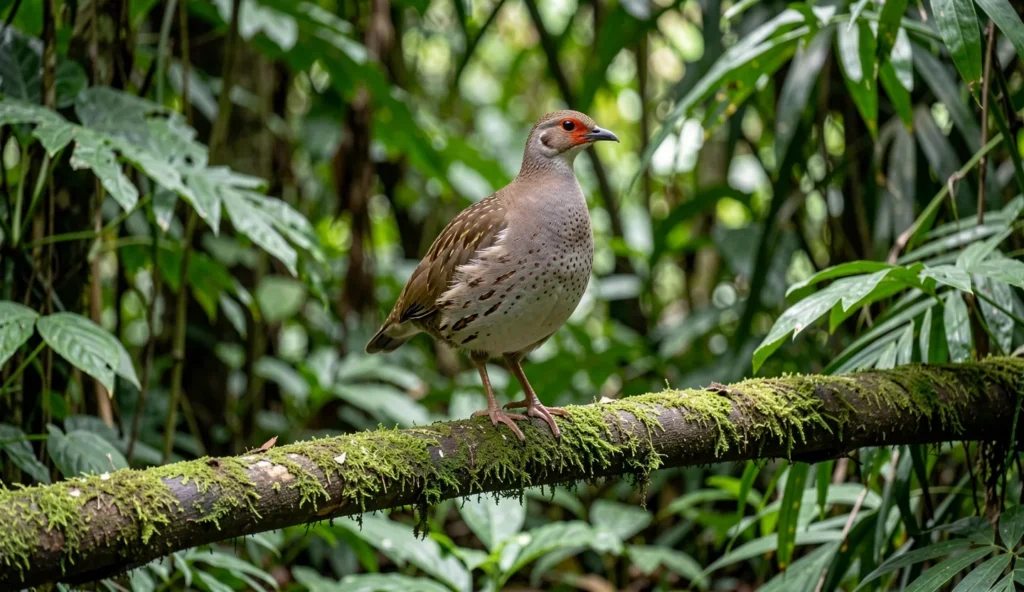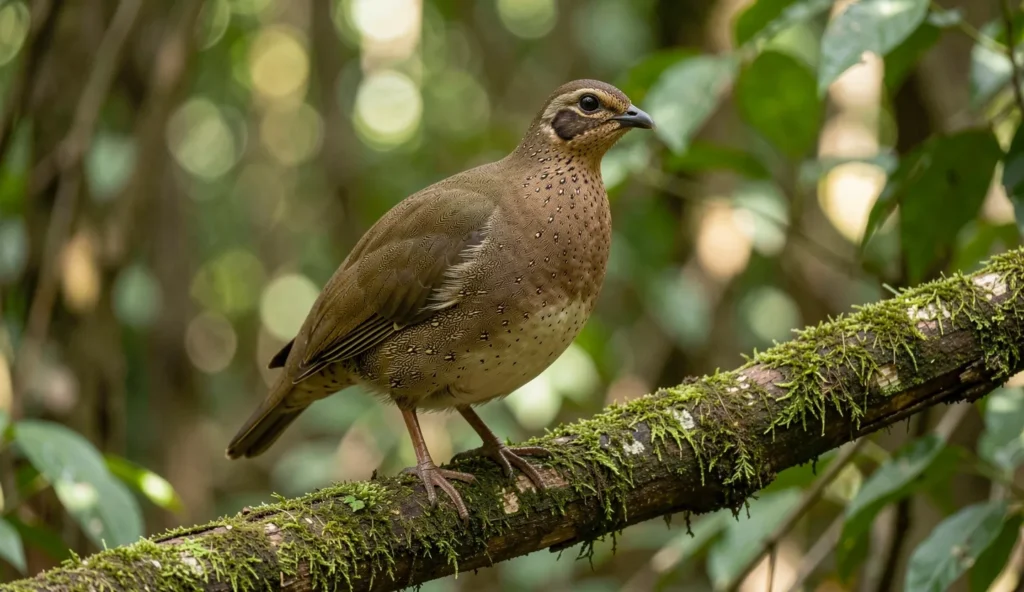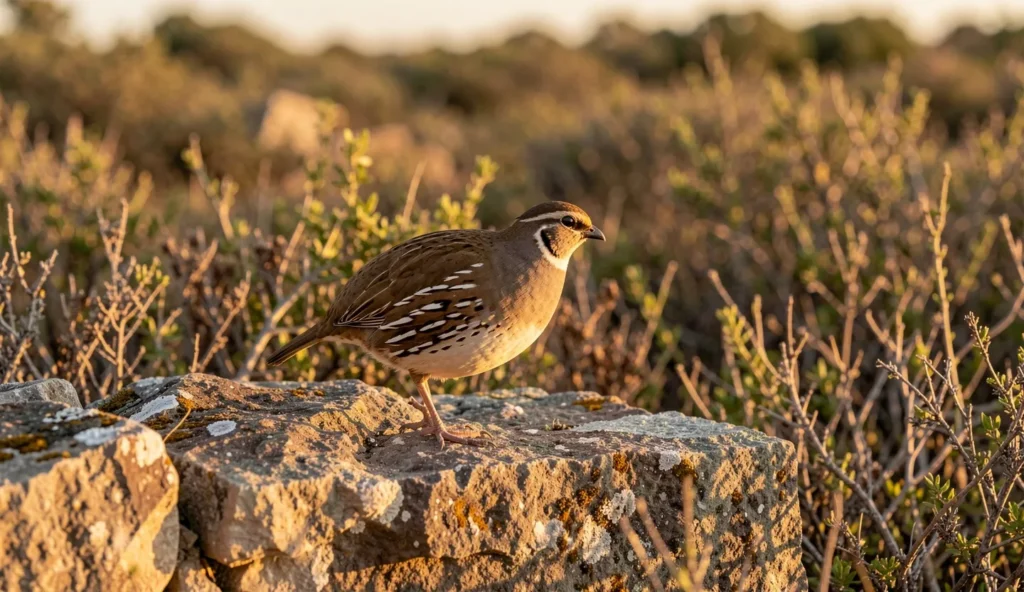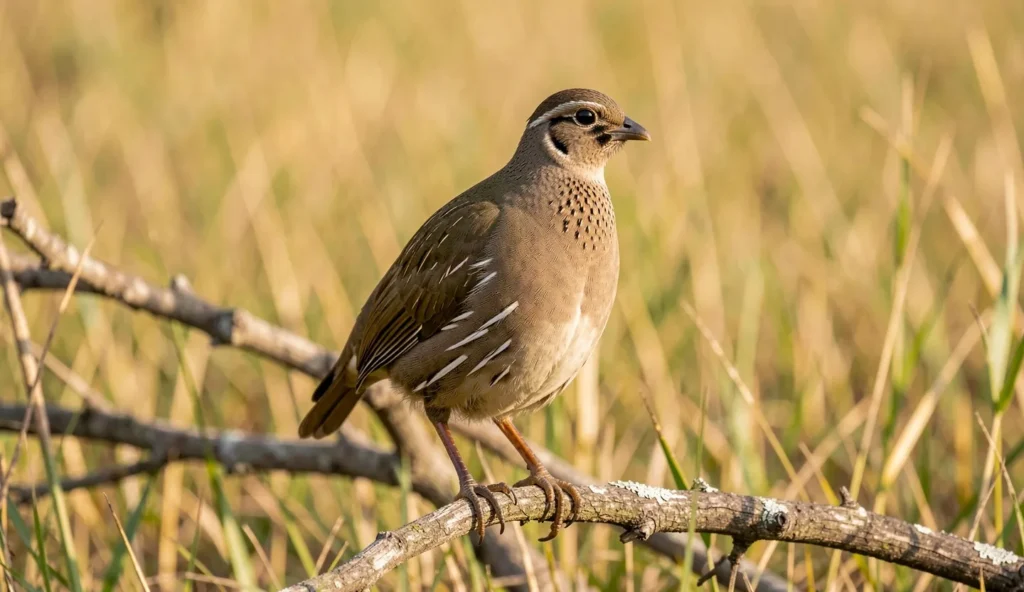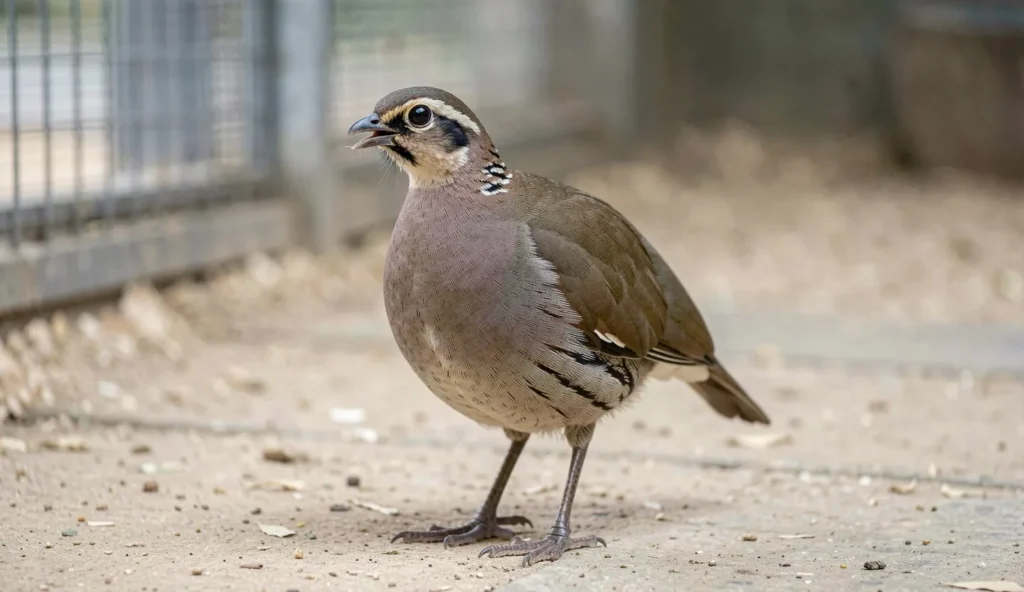
What Is A Clapperton Francolin?
The Clapperton Francolin is a ground-dwelling bird from West Africa that many keepers see as hardy. In captivity, Clapperton francolin health can change quickly when stress, diet variation, or ventilation issues develop.
Because this species is less common in collections, patterns for francolin health monitoring may not be obvious at first. Regular checks help veterinarians and owners spot problems early, especially respiratory issues in birds.
Species Background And Why Captivity Changes Health Risk
Clapperton francolins spend most time on the enclosure floor in their natural habitat. In captivity, housing conditions often shape risk more than genetics alone.
Stress from handling, inconsistent feeding schedules, and poor air exchange can all increase disease exposure. Also, routine ventilation and litter management matter because airborne irritants can inflame airways.
When similar birds are not available for comparison, early subtle changes may go unnoticed. Consistent observation builds an accurate health baseline for veterinary care decisions.
Normal Baseline Behaviors Owners Can Observe
A healthy Clapperton Francolin typically forages with steady walking across the enclosure floor. Head movement and posture adjustments should look relaxed and frequent.
Appetite should remain stable for the bird’s size and activity level. Water intake should also track everyday routines without long gaps.
Alertness should look consistent, with quick responses to normal sounds and enclosure activity. If the bird becomes unusually still for extended periods, assessment should start immediately.
Normal Physical Features To Learn Early
Feathers should appear smooth and aligned, with no constant ruffling or patchy coverage. Eyes should remain bright with no visible discharge.
Legs and feet should show intact skin, firm scales, and no swelling around joints. Any change in stance, stepping pattern, or toe position should be treated as a health signal.
Learning these features early supports early detection of disease signs. It also improves the quality of information during an avian wellness exam.
Daily Health Check Steps For A Clapperton Francolin
Daily checks support early detection of bird diseases that may start subtly. When Clapperton Francolin health monitoring happens consistently, veterinary care can focus faster once symptoms appear.
The routine should take only a few minutes but must stay repeatable. Over time, owners learn which findings are normal for that specific bird.
What To Check In The First Minute
Begin by observing breathing rate and effort from a short distance. Chest movement should look steady, and the bird should not struggle to inhale.
Next, check posture for hunching, drooping wings, or unusual standing. Confirm appetite by watching feeding behavior during the check.
Finally, note alertness level and interaction with normal enclosure sounds. Any sudden withdrawal from routine should be recorded.
Body Condition And Feather State
Body shape should not show weight loss over short periods. Breast muscle changes often appear before many other signs.
Feathers should look clean with no long-lasting ruffling. Patchiness or dull coat can suggest parasites, diet imbalance, or illness.
Preening should happen regularly without causing feather loss. Damage patterns can also point to mites or bullying from other birds.
Eyes, Nostrils, And Mouth For Early Respiratory Clues
Watch for nasal discharge, wetness, or crusting around the nostrils. Closed eyelids, blinking with discharge, or reduced responsiveness can also signal trouble.
Check the mouth for open breathing, especially at rest. Clicking or obvious gurgling sounds during breathing should be treated as concerning.
These observations often link directly to respiratory issues in birds, which need fast veterinary attention. When respiratory symptoms are visible, delaying examination can worsen outcomes.
Droppings And Signs Of Gut Problems
Compare daily droppings to normal color and consistency. Watery output, mucus, blood, and strong odor changes can indicate digestive disease.
Urates should not look excessively watery, and their color should stay within the bird’s typical range. If output shifts for more than a day, assessment should progress beyond routine monitoring.
Because droppings reflect both hydration and gut function, they are useful during the first avian wellness exam. They also help veterinarians rule out dehydration-related changes.
Feet, Legs, And Skin Around The Vent
Inspect feet for swelling, scaling, limping, or changes in how the bird steps. Early signs of pressure injury can start as small surface changes.
Check for scabs, lesions, and early toe ulceration. Examine the vent area for staining, wetness, or fecal buildup.
In some enclosures, flooring and humidity drive foot health issues. When keepers review safer setup choices, risk often drops.
If needed, owners can also review how ground-dwelling birds cope with housing differences by comparing species care patterns from Painted Francolin and other francolin species writeups. These comparisons can sharpen enclosure expectations even when symptoms differ.
Respiratory Issue Warning Signs To Monitor Closely
Respiratory problems matter because they can progress quickly in birds. For this species, Clapperton francolin health monitoring should prioritize breathing changes before other symptoms develop.
Less common in captivity means subtle patterns may be missed without a strict observation routine. That is why the warning signs below should be treated as urgent signals for veterinary care.
Breathing Changes That Require Urgent Evaluation
Open-mouth breathing, tail bobbing, and flared nostrils can indicate significant airway stress. Persistent rapid breathing at rest should never be treated as normal.
Increased effort can appear as repeated stretching or braced posture. Any breathlessness that continues after brief disturbance is a red flag.
Common Respiratory Signs Owners May Notice At Home
Sneezing, nasal discharge, or visible mucus around nares often appear early in respiratory disease. Wheezing, clicking, or rattling sounds during breathing also warrant immediate assessment.
Reduced vocalization can occur when breathing becomes uncomfortable. Quiet behavior paired with abnormal respiration usually signals an active issue.
If respiratory symptoms coincide with decreased appetite, the risk rises. Owners should track both features and communicate them clearly to the veterinarian.
Environmental Factors That Can Worsen Respiratory Health
Poor ventilation increases humidity and concentrates irritants in the enclosure air. Ammonia from soiled bedding can inflame airways and increase mucus production.
Drafts, cold surfaces, and rapid temperature swings raise risk by stressing thermoregulation. When daily humidity and cleaning habits stay inconsistent, airway inflammation can persist.
Owners can reduce exposure by improving airflow patterns and tightening bedding routines. This step supports long-term prevention, not just short-term symptom control.
How To Document Symptoms For The Veterinarian
Write down the start time, frequency, and severity of breathing changes. Record appetite, droppings, and activity during the same period.
Bringing recent photos of droppings and any nasal discharge helps with triage. Clear documentation supports faster interpretation during veterinary care.
When owners compare early patterns with those seen in Grey Francolin and Swamp Francolin health notes, they may recognize similar respiratory presentations. Such comparisons can help owners describe symptoms more accurately.
Common Bird Diseases Linked To Captive Clapperton Francolin Health
Many problems fall into recurring categories, and each category shows visible signs. Mapping bird diseases to observable outcomes helps owners and veterinarians respond with the right first steps.
Because Clapperton Francolin health monitoring focuses on respiratory risks, airway-related issues should remain top priority. Even so, other systems often show changes alongside breathing problems.
Respiratory Infections And Air Sac Problems
Respiratory infections often cause nasal discharge, coughing-like behaviors, and breathing effort. Air sac involvement can produce persistent symptoms even when appetite seems partially maintained.
Because complications can follow, prompt veterinary care helps reduce the chance of chronic disease. Owners should avoid waiting for symptoms to “settle,” since airway damage can progress.
Parasitic Problems Including Mites And Internal Parasites
Mites can lead to feather damage, itching, and restlessness. Internal parasites can contribute to weight loss and abnormal droppings.
Diagnosis should rely on proper testing rather than guesswork. Testing also helps select treatment that matches the specific parasite type.
When the pattern includes feather loss and agitation, it may resemble issues seen in Masked Lovebird Health presentations. That kind of cross-species awareness can improve early descriptions for veterinary care.
Digestive Issues From Diet Changes Or Imbalance
Sudden diet changes can trigger diarrhea or reduced appetite. Diet imbalance can also contribute to poor body condition over time.
Water quality and feeding consistency affect gut health as well. If droppings become watery or mucus appears, digestive disease moves higher on the priority list.
Foot Health Problems From Flooring And Humidity
Overly wet or abrasive flooring increases risk for sores and ulceration. Sustained pressure can cause toe injury that later becomes painful or infected.
Early intervention matters because open lesions can allow secondary infection. Foot checks should continue even when the bird appears otherwise active.
Enclosure design choices often determine foot outcomes, and those patterns may also appear in other ground birds like Black Francolin care observations. Such comparisons support better flooring expectations.
Infectious Diseases Needing Immediate Veterinary Guidance
Fever, sudden collapse, or rapid deterioration should trigger urgent veterinary assessment. Contagious disease risk rises with shared housing or new birds entering the enclosure.
Testing and isolation protocols often become necessary to protect the rest of the flock. For owners, immediate reporting of rapid change supports safer handling decisions.
What A Veterinary Health Check Typically Includes
A veterinary health check for the Clapperton Francolin usually starts with information from the owner. This history improves diagnostic accuracy and guides decisions about tests and treatment.
Owners should expect a structured workflow that balances observation with targeted testing. Veterinarians aim to confirm the cause rather than treat symptoms blindly.
History And Observation During The Exam
The exam typically reviews diet, enclosure setup, and any recent changes in cleaning or ventilation. The timing of first symptoms and how quickly they progressed also matters.
Breathing pattern, posture, and overall body condition are assessed during observation. Any link between symptoms and environmental events is documented.
Physical Exam Focus Areas For Francolins
Careful assessment of eyes, nostrils, and the oral cavity looks for discharge or inflammation. Chest and air sac evaluation uses safe auscultation methods appropriate for small birds.
Feet, legs, and vent area get direct inspection for lesions and staining. If lesions exist, the exam may also assess whether they look superficial or infected.
Common Diagnostic Tests Used For Birds
Fecal testing helps identify parasites and assess droppings abnormalities. Bloodwork supports evaluation of hydration and systemic illness when indicated.
Imaging or respiratory diagnostics may be selected when respiratory symptoms dominate. Test choice depends on severity, risk, and the likely differential diagnosis.
For owners who want a structured checklist approach, reviewing how breeders and caretakers handle diagnostic steps in other birds like Abacot Ranger care notes can improve preparedness for the clinic visit. That kind of preparation helps align expectations during the avian wellness exam.
Treatment Planning And Follow Up Schedule
Treatment depends on confirmed diagnosis when possible, but early supportive care may start while results return. Follow ups track weight, breathing, and droppings response to treatment.
Medication and dosing should be guided by an avian veterinarian. Dosing errors can worsen outcomes, so written instructions should be followed closely.
After treatment begins, owners should keep the same daily monitoring routine to report changes accurately. That continuity improves long-term francolin health monitoring.
Starter Checklist For New Owners And Long Term Monitoring
A practical checklist supports prevention and rapid response when signs appear. For Clapperton Francolin health, consistency usually matters more than speed alone.
Even in a stable home setup, respiratory issues can emerge from humidity and ammonia exposure. So the checklist must cover both daily monitoring and environment checks.
Home Monitoring Tools And Record Keeping
Keep a daily log of appetite, activity, droppings, and breathing effort. Weigh the bird on a consistent schedule using a reliable scale.
Store photos of droppings and any nasal or eye discharge. Records help make symptoms measurable, which supports better veterinary care decisions.
When records become consistent, veterinarians can compare trends rather than single observations. That trend view often improves diagnostic accuracy.
Environment Checks That Reduce Disease Risk
Maintain clean bedding and manage humidity and ammonia levels. Ensure a consistent temperature without drafts on resting areas.
Use safe ventilation and minimize airborne irritants like dust and strong cleaners. If the enclosure uses frequent deep cleaning, allow surfaces to fully dry before reintroducing the bird.
Owners can also review basic enclosure patterns from other small birds such as Barbu d’Anvers bantam guidance when planning ventilation and flooring choices. Cross-reading helps ensure foundational setup remains correct.
When To Seek Veterinary Care Right Away
Open-mouth breathing or obvious breathing effort at rest should trigger immediate veterinary evaluation. Blood in droppings or rapid weight loss over days also needs prompt assessment.
Fever signs often include marked lethargy and reduced responsiveness. When those appear with abnormal breathing, urgency increases.
Do Not Delay Actions That Protect Other Birds
Isolate symptomatic birds to reduce potential spread when multiple birds share a space. Use dedicated cleaning tools to avoid cross contamination between cages or enclosures.
Follow the veterinarian’s guidance for quarantine length and testing. These steps protect the larger flock while diagnostics proceed.
Even when only one bird shows signs, the Clapperton francolin health concern extends to shared air quality and cleaning practices. Adjusting those systems quickly reduces exposure for other birds.
Frequently Asked Questions
How Often Should A Clapperton Francolin Have A Health Check?
Do daily checks and schedule routine veterinary exams as advised.
What Respiratory Signs In A Clapperton Francolin Require Urgent Care?
Open-mouth breathing, tail bobbing, or persistent rapid breathing require urgent evaluation.
Can Feather Ruffling Alone Indicate A Disease In Clapperton Francolins?
Occasional ruffling can happen, but persistent ruffling needs a veterinary assessment.
How Should Droppings Changes Guide A Veterinary Visit?
Watery output, mucus, blood, or strong odor changes warrant a prompt exam.
What Tests Help Diagnose Bird Diseases In Francolins?
Fecal testing, bloodwork, and respiratory diagnostics when indicated help confirm causes.
Why Do Clapperton Francolins Have Higher Risk For Respiratory Problems In Captivity?
Ventilation, humidity, and ammonia exposure can inflame airways.
Closing Notes On Keeping Clapperton Francolin Health Stable
Consistent daily monitoring and early veterinary care support stable Clapperton francolin health. When respiratory warning signs appear, fast action usually gives the best odds for recovery.