🐐 Barbari Goat – The Small Marvel of Northern Pakistan and India
🌍 Introduction
While most goat breeds require sprawling pastures, the Barbari Goat thrives in compact urban backyards and small farms across Pakistan and northern India. This small-sized powerhouse is one of the most popular goat breeds in the region, prized for its early maturity, excellent adaptability, and efficient feed conversion. Don’t let its compact frame fool you—the Barbari is a marvel of productivity and resilience, making it an ideal choice for farmers with limited space and resources.
📜 History and Origin
The Barbari breed is believed to have originated near the Berbera port of Somalia, but over generations, it established deep roots in Punjab, Pakistan, and Uttar Pradesh, India. Today, it’s widely bred across South Asia for both meat and milk due to its efficient feed conversion and hardiness. For those interested in other South Asian breeds, the Beetal Goat is another prized breed from the same region, known for its impressive size and milk production.
🧬 Physical Characteristics
Barbari goats are easily recognizable and quite charming:
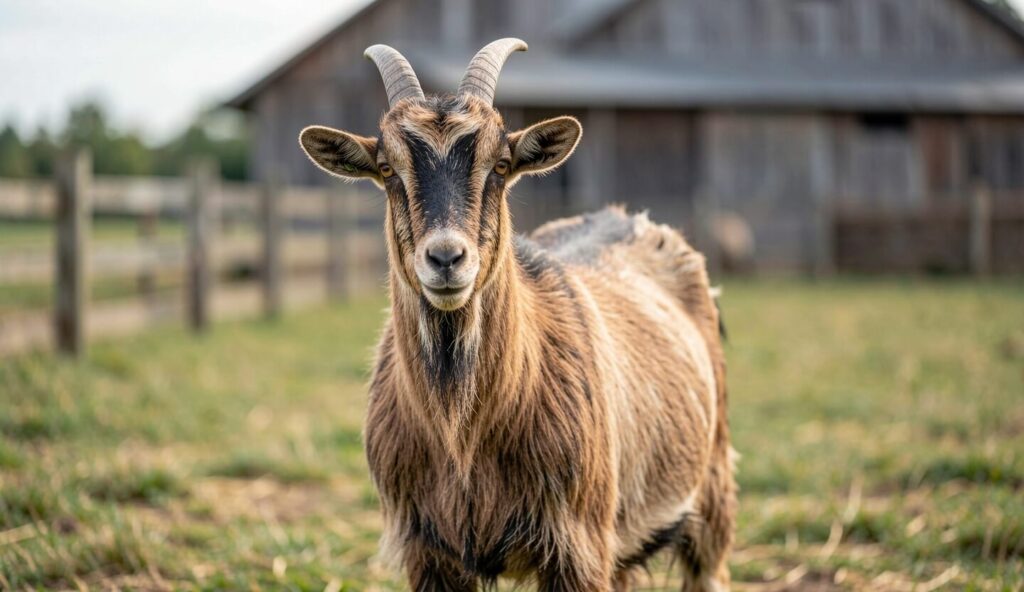
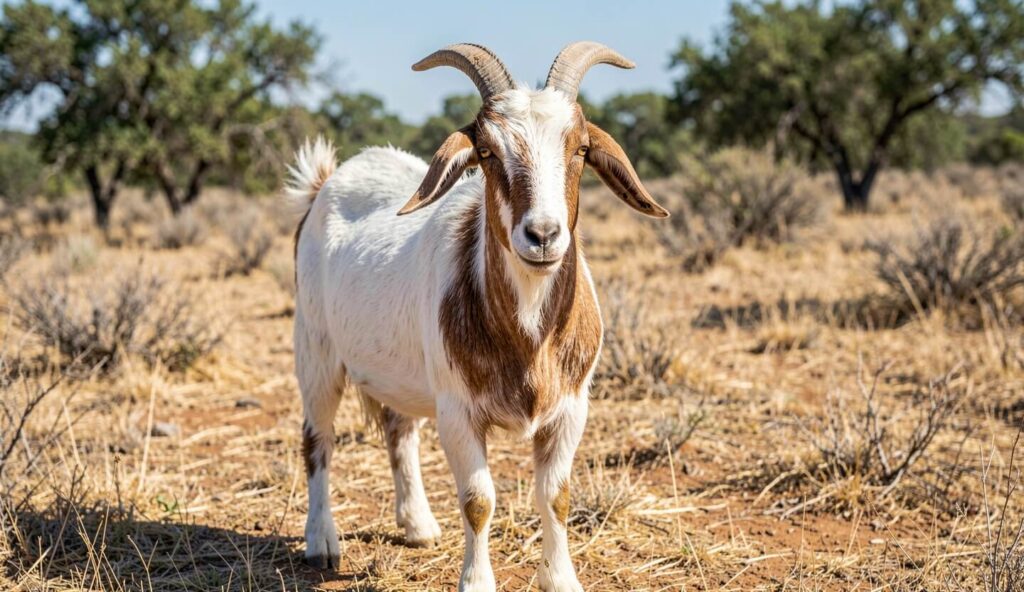
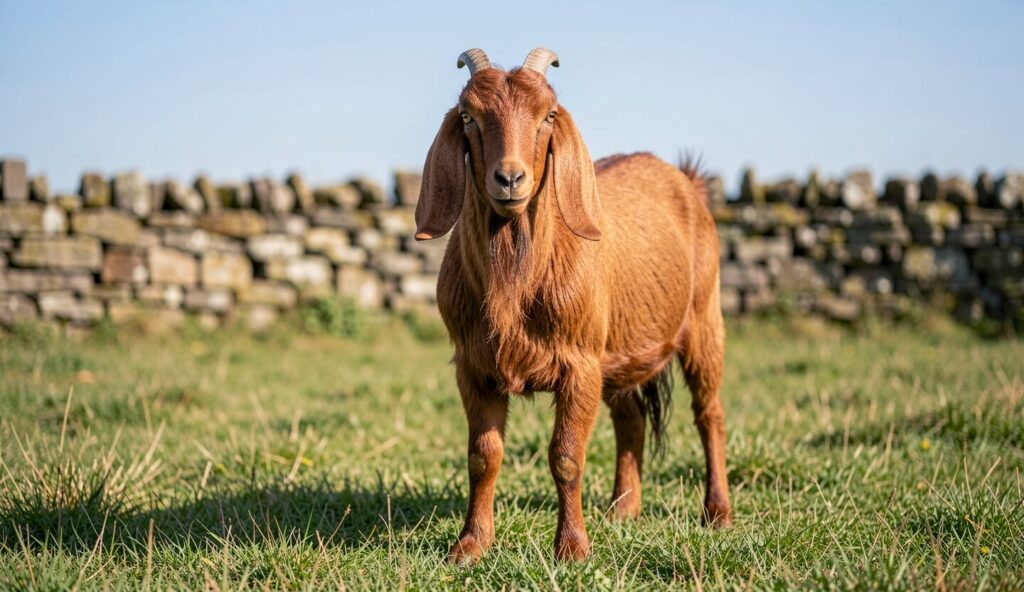
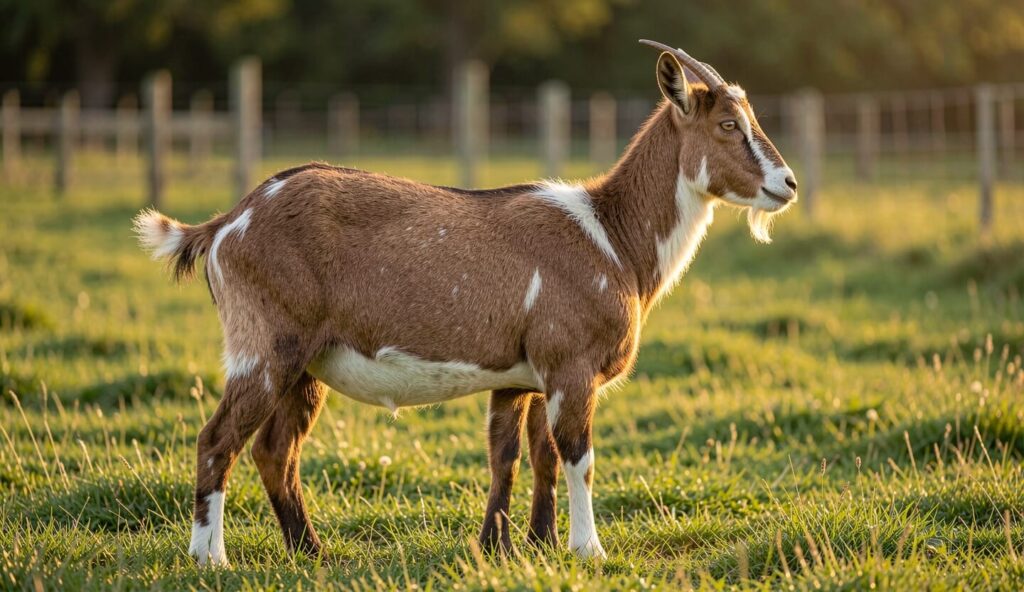
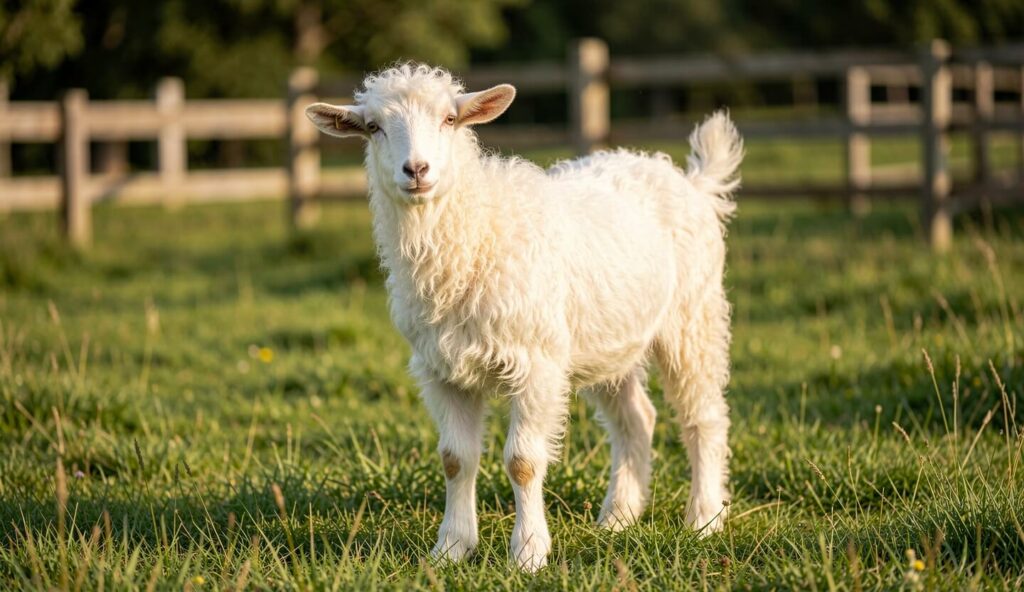
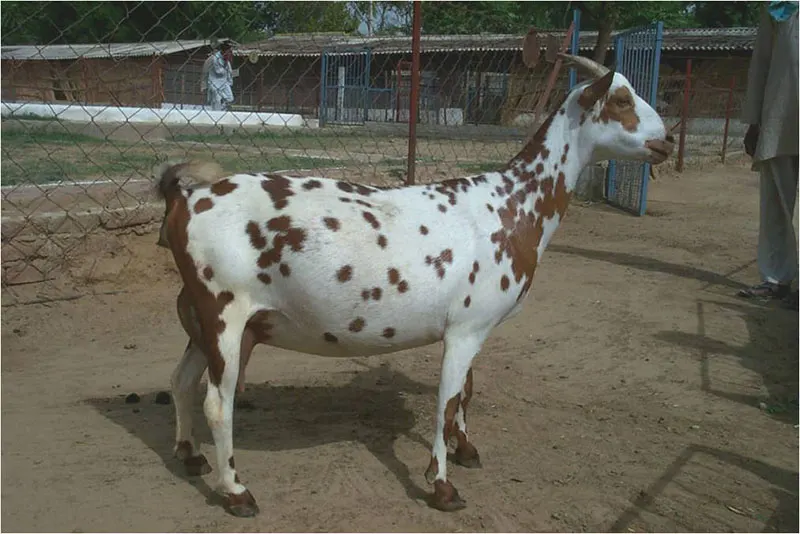
- 👂 Small, erect ears and a short, alert face
- 🎨 White coat with brown, tan, or black patches (or pure white)
- 🐐 Compact, muscular build perfect for small spaces
- 👁️ Prominent eyes with a curious expression
Adult bucks typically weigh between 35–45 kg (77–99 lbs), while does weigh around 25–35 kg (55–77 lbs).
🌟 Temperament and Behavior
Barbari goats are lively, intelligent, and highly social. They thrive in herds and enjoy interaction with both animals and humans. Their energetic nature makes them a joy to watch and easy to manage in controlled environments. If you appreciate manageable breeds, the Teddy Goat from Punjab shares a similarly compact and easy-to-handle temperament.
🌄 Ideal Environment
Barbari goats adapt well to various climates but prefer:
- 🌤️ Semi-arid to tropical environments
- 🏠 Urban and peri-urban areas, due to their small size
- 🧼 Clean and dry shelters to avoid health issues
🥛 Diet and Nutrition
Despite their small size, Barbari goats require balanced nutrition for optimal productivity:
- 🌿 Green fodder like lucerne, maize leaves, and mustard plants
- 🌾 Dry fodder and agricultural by-products
- 🍽️ Grain mixtures and protein supplements
- 🧂 Salt blocks and mineral mixtures to support growth and reproduction
Clean drinking water must be provided at all times. A practical tip: supplementing with mineral blocks during the dry season can significantly boost reproductive success and overall herd health.
🩺 Health and Lifespan
With good management, Barbari goats can live up to 10–12 years. Key health care tips include:
- 💉 Routine vaccinations against common diseases like PPR and Foot-and-Mouth Disease
- 🐛 Deworming every 2–3 months, with fecal testing to target specific parasites
- ✂️ Hoof care and clean bedding to prevent infections
Regular health checks and a clean environment are essential to prevent respiratory issues, especially in humid climates.
🎯 Primary Uses
Barbari goats are valued for:
- 🍖 Meat: Known for lean and tender meat with good dressing percentage
- 🥛 Milk: Does yield around 1–1.5 liters of milk per day
- 👶 Breeding: Early maturity and high reproductive rate make them ideal for fast herd multiplication
👑 Cultural Importance
In many parts of Pakistan and India, Barbari goats are celebrated for their economic value. They are popular choices for Eid-ul-Adha due to their beauty, affordability, and meat quality. Urban farmers and first-time livestock keepers often prefer them for their ease of handling. For those seeking a larger meat-focused breed, the Rajhanpuri Goat from southern Punjab offers a robust alternative.
📈 Breeding and Reproduction
Barbari goats are incredibly efficient breeders:
- 🌼 Sexual maturity is reached at just 6–8 months
- 🤰 Gestation period lasts about 145–150 days
- 👶 High twinning rate, often producing twins or triplets
This high reproductive rate makes them a top choice for farmers aiming for quick herd expansion.
🎉 Fun Facts About Barbari Goats
- Barbari goats are among the fastest-growing small breeds
- Ideal for zero-grazing systems and backyard farming
- They can reproduce up to twice a year in favorable conditions
- Their meat is considered premium quality in local markets
❓ Frequently Asked Questions
Q1: What is the price range of a Barbari goat?
A: Prices start from PKR 25,000 and can go up to PKR 80,000 depending on age, size, and quality.
Q2: Is the Barbari goat good for small farms?
A: Yes! Their small size and high productivity make them perfect for backyard setups and small-scale farming.
Q3: How often do Barbari goats reproduce?
A: Barbari goats can reproduce twice a year and often have twins or triplets, making them very efficient breeders.
Q4: Do Barbari goats produce enough milk for family use?
A: Absolutely! While they aren’t high-yielding dairy goats, their milk is sufficient for small households and is nutritious.
Q5: Are Barbari goats easy to handle?
A: Yes, they are very manageable, especially for beginners. Their calm nature and adaptability make them easy to raise.
✅ Conclusion
The Barbari Goat is a testament to how great things come in small packages. Whether you’re aiming for quick herd expansion, sustainable meat production, or a beginner-friendly livestock option, Barbari goats offer unmatched efficiency and charm. Perfectly suited to both rural and urban environments, they remain a top choice for farmers across Pakistan and India. For a similar small-sized breed with excellent adaptability, explore the Bengal Goat, another South Asian favorite for backyard farming.