🐐 Angora Goat – The Elegant Fiber Producer Behind Luxurious Mohair
🌍 Introduction
Did you know that the Angora Goat produces mohair, often called the “diamond fiber” for its brilliant luster and incredible strength? This majestic and gentle breed is best known for producing mohair — a silky, luxurious fiber prized in the textile industry. Originating from Turkey, these goats are now raised worldwide for their high-quality fleece. With their flowing white locks and calm nature, Angora Goats bring beauty and value to any farm or fiber operation. For those interested in other fiber-producing animals, the English Angora Rabbit offers a similar rewarding experience with its cloud-like wool.
📜 History and Origin
The Angora Goat traces its roots to the Ankara region of Turkey, historically known as Angora. These goats have been bred for thousands of years for their soft, shiny fleece. They were introduced to the U.S. in the mid-1800s, quickly becoming the cornerstone of mohair production in Texas and beyond.
Today, Turkey, South Africa, and the United States are the leading producers of mohair from Angora Goats. The global demand for sustainable, natural fibers has renewed interest in this historic breed, making it a top choice for modern fiber farmers.
🧬 Physical Characteristics
Angora Goats have a unique, elegant appearance:
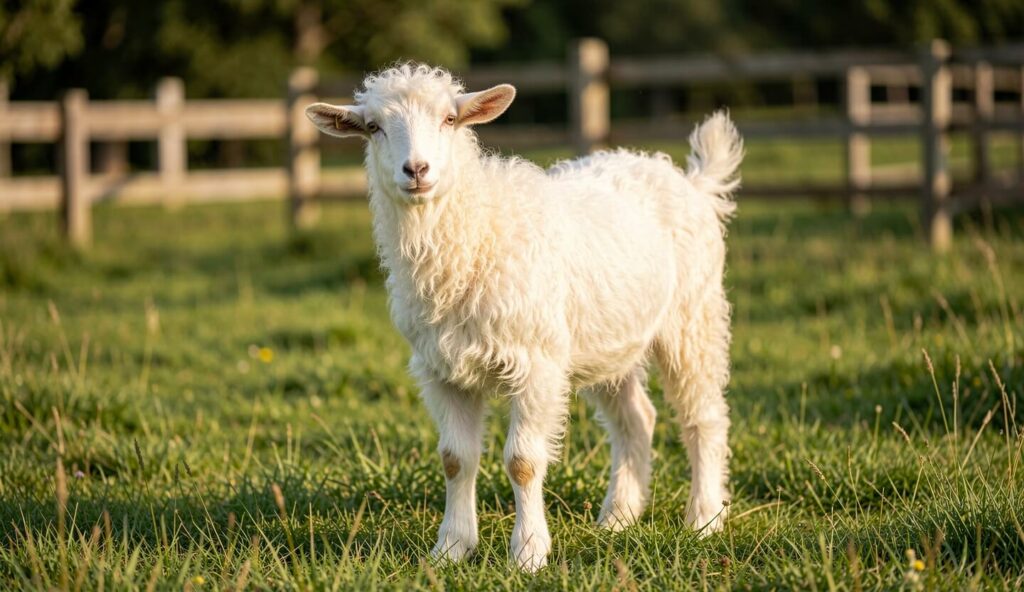
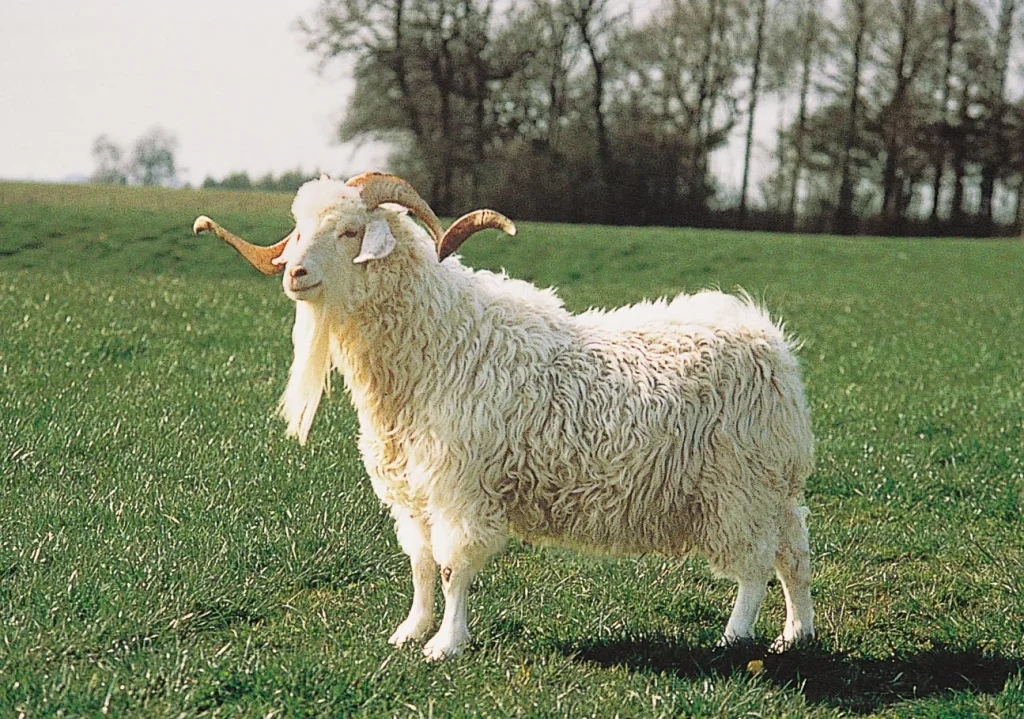
- Long, curly white fiber (mohair)
- Medium-sized frame
- Drooping ears and a slightly Roman nose
- Both bucks and does may have horns
Their fleece grows continuously and can reach impressive lengths if left unshorn. Unlike cashmere, which comes from the undercoat, mohair grows from the outer coat, giving it a distinctive sheen and durability.
🌟 Temperament and Behavior
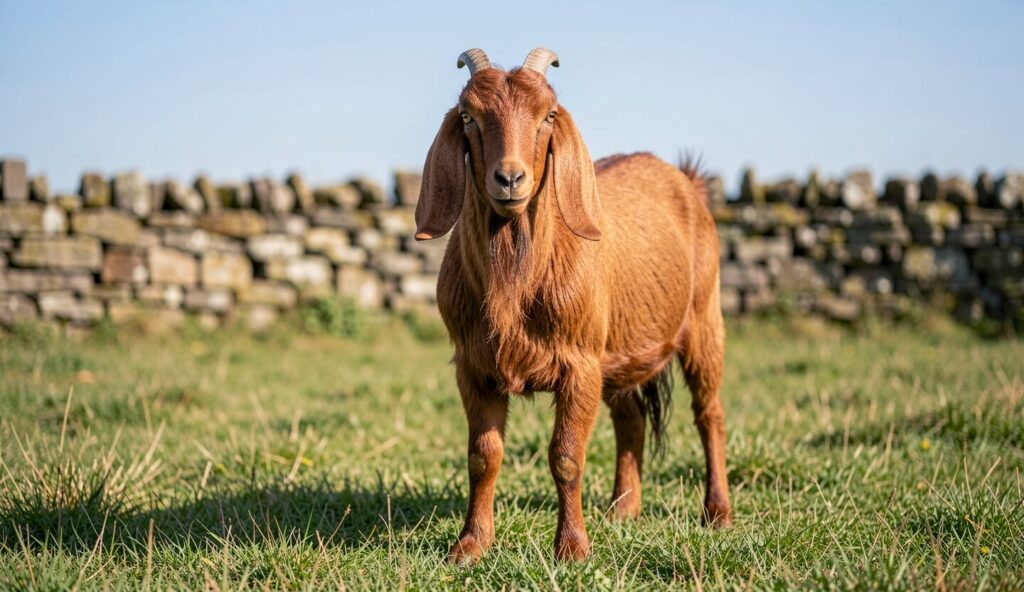
Angoras are known for their gentle and quiet disposition. They are not as curious or mischievous as some goat breeds, making them easier to manage. However, they can be a bit shy and prefer calm environments. Their docile nature makes them a wonderful addition to a mixed herd, especially alongside similarly calm breeds like the Nubian Goat, which shares a friendly temperament.
🌄 Ideal Environment
Angora Goats do well in dry climates with access to pasture and shelter. Since mohair doesn’t repel water like some other fibers, they need protection from rain and cold to prevent chilling. In regions with higher humidity, providing a well-ventilated, dry shelter is critical to prevent fleece rot and respiratory issues.
Regular shelter, clean bedding, and protection from predators are essential for their health and fleece quality.
🥗 Diet and Nutrition
Angora Goats require a nutrient-rich diet, especially during fleece growth and pregnancy. Their diet should include:
- High-quality hay and forage
- Protein supplements during peak fleece production
- Fresh water and trace mineral blocks
Maintaining proper nutrition helps them grow thick, lustrous mohair and stay healthy year-round. Many experienced breeders recommend copper supplementation, as it is vital for fiber quality and overall health.
🩺 Health and Lifespan
Angora Goats are more sensitive than some other breeds, especially in wet or cold climates. Common health concerns include:
- Hypothermia after shearing in cold weather
- Internal parasites
- Hoof rot in damp environments
With attentive care, Angora Goats can live between 10–12 years. Regular health checks and a proactive deworming program are key to preventing common issues. For comparison, the hardy Alpine Goat is known for its resilience in varied climates.
🎯 Primary Uses
Angoras are raised almost exclusively for mohair. This unique fiber is:
- Soft and lustrous
- Elastic and durable
- Often used in luxury clothing and home decor
Each goat produces around 8–12 pounds of mohair per year, making them a profitable option for fiber farms. Kid mohair, from the first shearing of young goats, is especially fine and commands premium prices in the textile market.
✂️ Grooming and Shearing
Angora Goats require shearing twice a year — typically in spring and fall. Grooming also includes:
- Brushing out debris from the fleece
- Hoof trimming every few weeks
- Parasite control to keep fleece and skin healthy
Shearing must be timed carefully to avoid cold stress and maintain fleece quality. A practical tip: always have a warm, dry shelter ready immediately after shearing to prevent hypothermia.
👨👩👧👦 Family and Social Compatibility
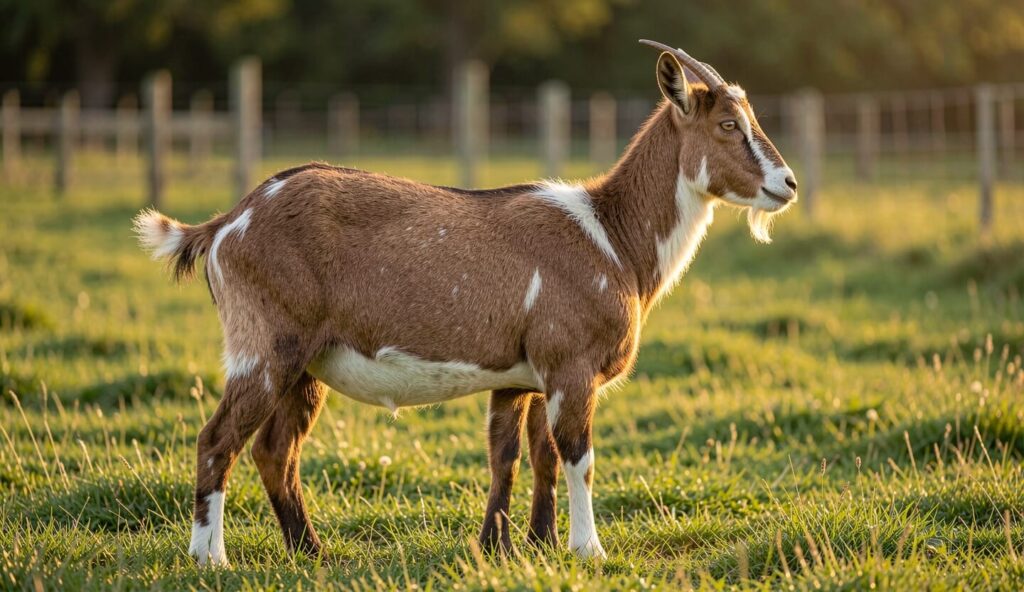
Their calm nature makes Angora Goats great for families and fiber hobbyists. While not as playful as other breeds, they enjoy gentle handling and thrive in small herds with stable social structures. For those interested in a more active dairy breed, the Toggenburg Goat offers a different but equally rewarding experience.
📈 Breeding and Productivity
Angora Goats are seasonal breeders. Does typically have one or two kids per year. Breeding is timed to align with shearing and fleece growth cycles to ensure optimal productivity.
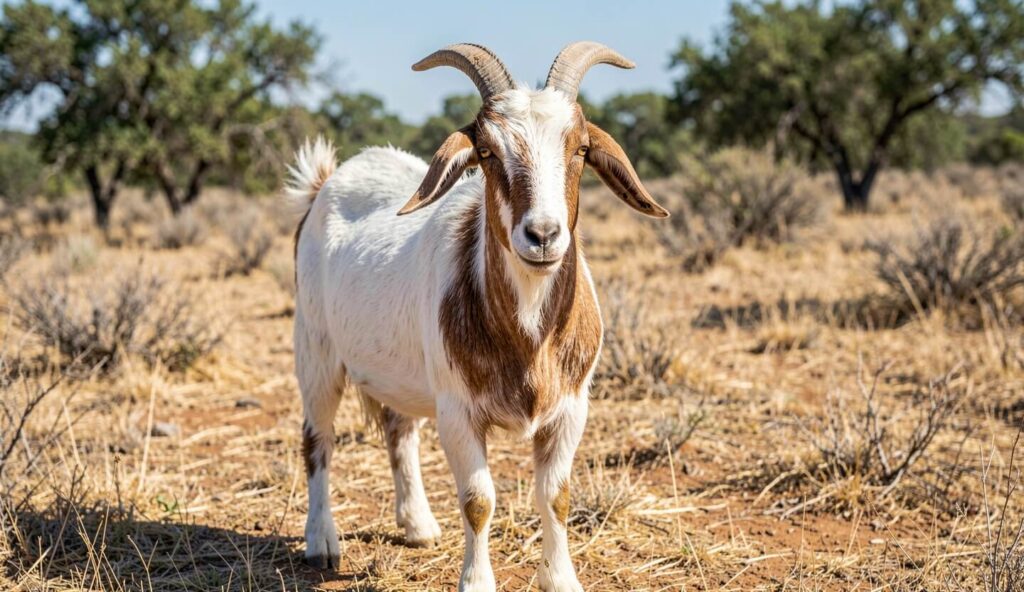
Crossbreeding Angoras with other goats is sometimes done to improve hardiness while retaining fiber quality. For example, crossing with the robust Boer Goat can produce offspring with better meat qualities while still yielding usable fiber.
🎉 Fun Facts About Angora Goats
- Mohair is often called the “diamond fiber” due to its sheen and strength.
- Unlike cashmere, mohair grows from the outer coat, not the undercoat.
- Young goats produce the finest mohair, called “kid mohair.”
- One Angora Goat can produce more than 10 pounds of fleece annually.
❓ Frequently Asked Questions
Q1: How often do Angora Goats need to be sheared?
A: Twice a year — once in the spring and once in the fall to ensure fleece health and goat comfort.
Q2: Is mohair itchy like wool?
A: No, mohair is smoother and silkier than wool, making it more comfortable against the skin. It is often compared to Merino sheep wool for its softness.
Q3: Can Angora Goats be kept with other goat breeds?
A: Yes, but it’s best to keep them with similarly calm breeds to avoid fleece damage from rough play.
Q4: Do Angora Goats need special housing?
A: They need dry, draft-free shelter to protect their fleece and prevent cold stress, especially after shearing.
Q5: Are Angora Goats profitable?
A: Yes, especially on small farms focused on fiber production and specialty textiles. With rising demand for sustainable materials, mohair continues to be a valuable commodity.
✅ Conclusion
The Angora Goat is a stunning, productive breed beloved by fiber artists and farmers worldwide. With its shimmering mohair and calm temperament, this goat brings elegance and utility to any homestead. If you’re interested in sustainable fiber production or simply enjoy working with animals that offer more than just companionship, Angoras are an ideal choice. Whether you are a seasoned breeder or a curious beginner, this breed offers a unique blend of beauty, productivity, and gentle companionship that is hard to match.