What Is a Little Owl
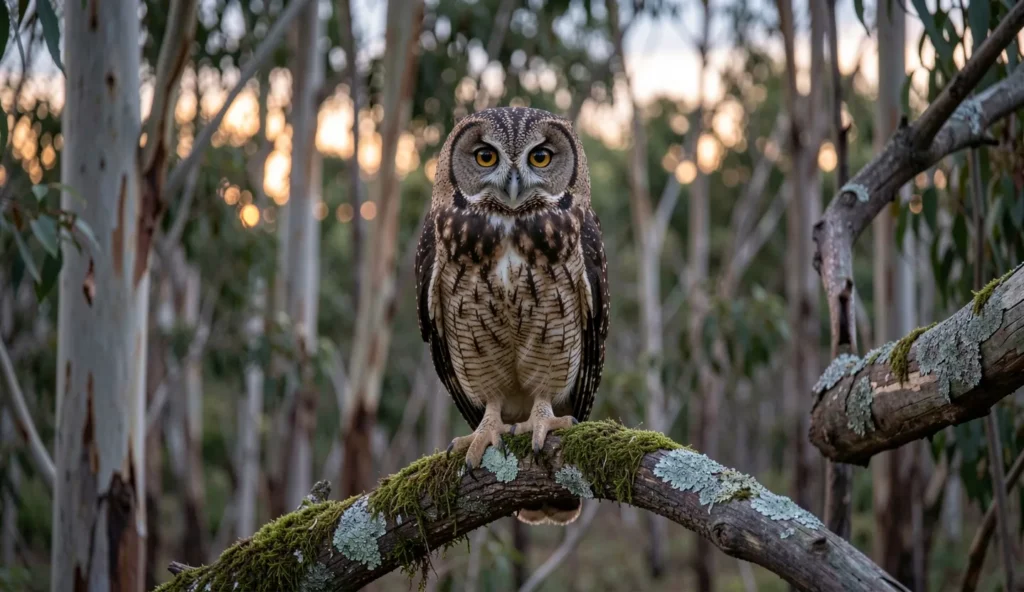
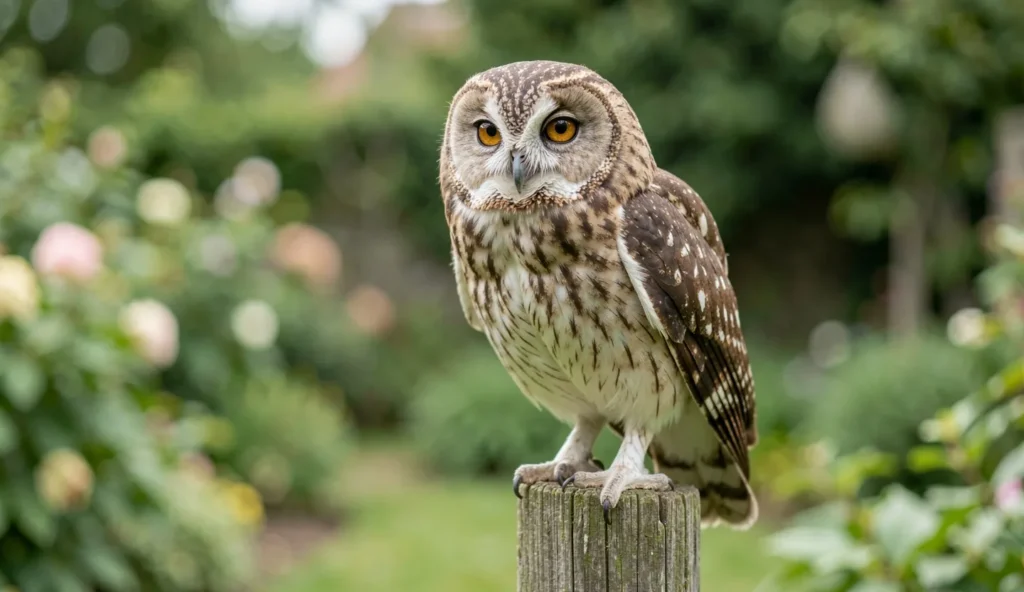
The Little Owl is a small diurnal owl native to Europe and western Asia. It is often perched on poles or fence posts during daylight, much like the Barn Owl.
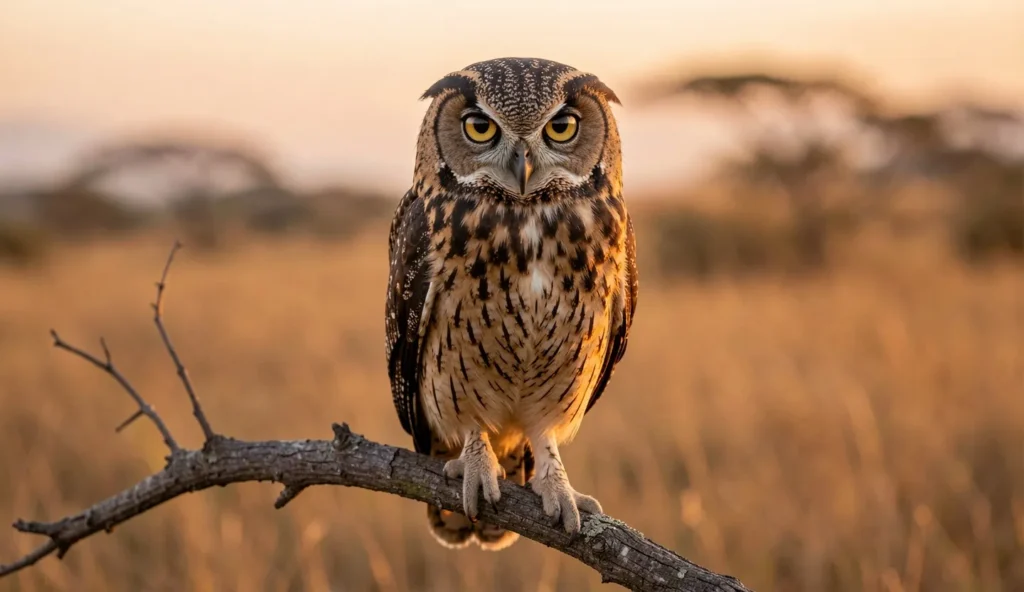
Key identifying features include a stocky body with a short tail and rounded head, a distinct yellow eye, and a round facial disc. This species is commonly seen in open habitats with perches and hedges for daytime scanning.
The geographic range covers much of Europe and western Asia, and it has been introduced to other regions such as New Zealand. For context, the Short-eared Owl also favors open country and perches, illustrating similar ecological niches.
Appearance And Physical Features
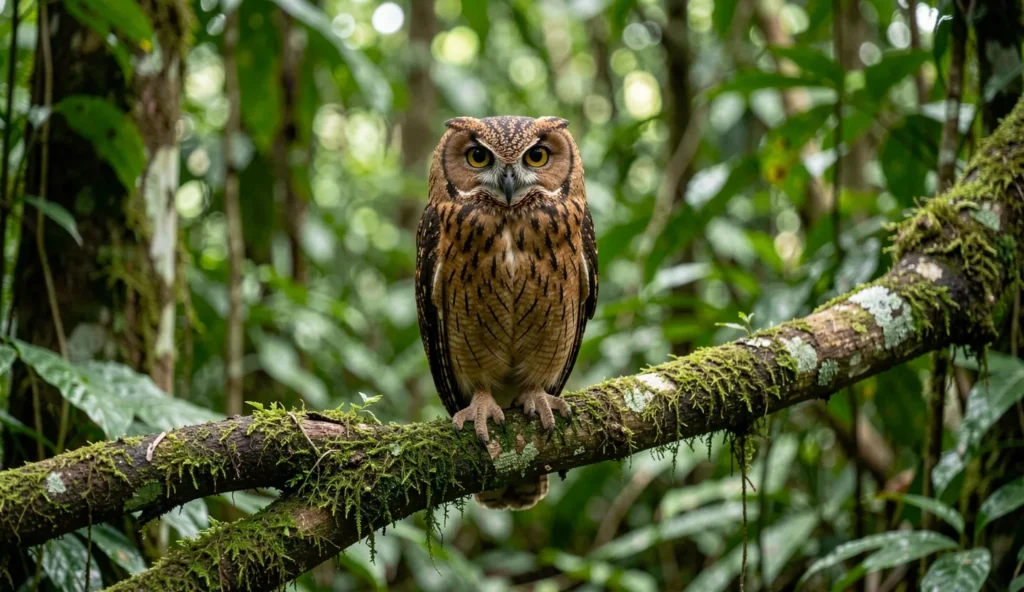
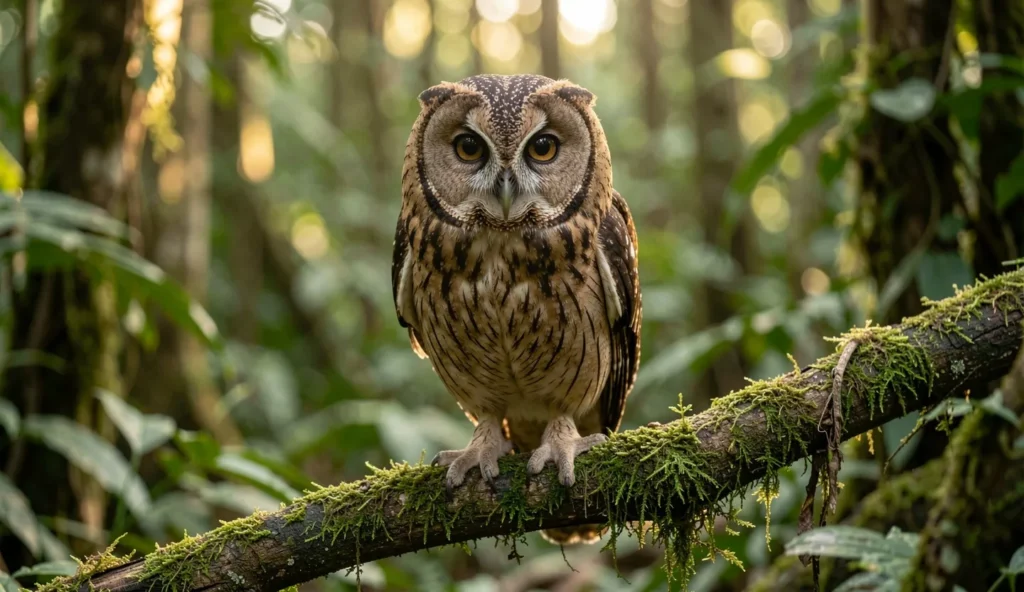
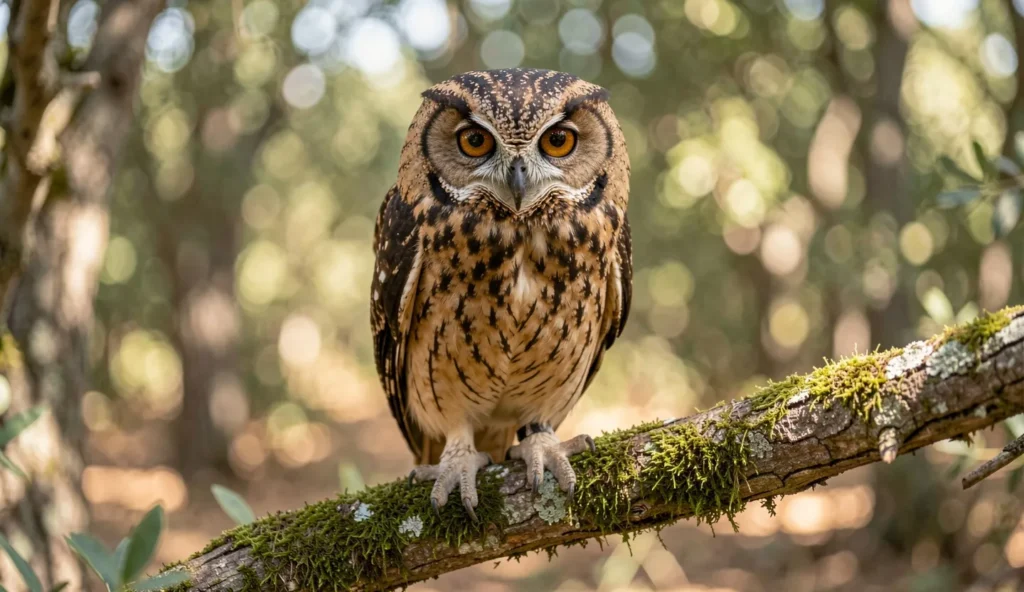
The Little Owl typically stands about 16–20 cm tall, with broad wings that support short, direct flights. Its brown back and streaked underparts contrast with a pale facial disk and a dark eye mask, and plumage may vary seasonally.
Compared with larger owls, the Little Owl has a more compact silhouette and a higher daytime activity window. The wings are broad, allowing quick bursts of flight, and the feather structure contributes to relatively silent takeoffs, which is advantageous for hunting during daylight hours. In juvenile birds, the tail appears shorter and the overall plumage duller, revealing age through subtle differences.
Seasonal plumage variations occur, with some individuals showing lighter or darker tones depending on locality. For natural history context, the Snowy Owl provides a useful contrast in size and habitat adaptation.
Size and plumage
- Height about 16–20 cm with a compact build
- Brown back and streaked underparts
- Pale facial disk and dark eye mask
- Seasonal plumage variations occur
- Sexual dimorphism is subtle in adults
Wings and flight
- Broad wings suited for short flights
- Direct flight with rapid wingbeats
- Feather structure supports near-silent takeoffs
Sexual dimorphism and age
- Males and females are similar in size
- Juveniles appear duller with shorter tails
Temperament And Behavior
The Little Owl is typically confident and alert when perched, yet tolerance to humans varies with proximity and disturbance. In calm garden settings, it often remains watchful rather than panicked.
Communication includes soft trills and short whistles for contact, while screeching calls signal threat or alarm. This species is diurnal, actively hunting insects and small vertebrates in open habitats during daylight hours.
In terms of social behavior, adults may defend perching sites, while juveniles explore nearby hedges and edges. For garden observers, the Little Owl often shows a relaxed posture when not actively threatened, making steady observations possible.
General demeanor around humans
- Usually confident and alert when perched
- Tolerance varies with proximity and disturbance
Vocalizations and communication
- Soft trills and short whistles for contact
- Screeching calls during threats or alarm
Diurnal habits and hunting behavior
- Active during the day in open habitats
- Hunts insects and small vertebrates
Exercise And Activity Needs
Daily activity is moderate, with short flights between perches that fulfill foraging and surveillance needs. The Little Owl requires suitable perching and observation spots to scan the surroundings effectively.
Flight time depends on weather and prey availability, but safe perches and open air access are essential. Garden spaces with predator-free zones provide important hunting grounds for this diurnal owl.
Garden safety considerations include dense cover for retreat and nesting, and avoiding high traffic areas during breeding season. Providing quiet, sheltered perches helps reduce stress during daylight activity.
Daily activity expectations
- Moderate daily activity with short flights
- Requires perching and observation spots
Flight time and space
- Needs safe perches and open air access
- Garden spaces with predator-free zones help
Garden safety considerations
- Provide dense cover for retreat and nesting
- Avoid high traffic areas during breeding season
Grooming And Care Tips
Feather maintenance includes an annual molt where new feathers replace worn ones. Limit handling during molt to reduce stress and avoid feather damage.
Handling and safety around perches require minimal disturbance near perching sites and quiet approaches when observing in gardens. Regular checks of perch stability help prevent accidental injuries.
Feather and molt care
- Molts annually; new feathers replace worn ones
- Limit handling during molt to reduce stress
Handling and safety around perches
- Minimize disturbance near perching sites
- Use quiet approaches when observing in gardens
Diet And Nutrition
The wild diet centers on insects, small vertebrates, and seasonal fruit, with prey availability driving shifts throughout the year. In captivity, provide a varied diet that mirrors natural items and avoid over-reliance on processed foods.
Fresh water should be available at all times, and garden water sources help reduce dehydration risk. Hydration supports overall health and plumage quality.
Wild diet and prey items
- Insects, small vertebrates, and seasonal fruit
- Seasonal variation in prey availability
Captive diet considerations
- Provide a varied diet matching natural prey
- Avoid over-reliance on processed foods
Hydration needs
- Fresh water available at all times
- Water sources in gardens reduce dehydration risk
Common Health Issues
Parasites and infections are possible in both wild and captive birds, so regular health monitoring is advised for kept specimens. Nutritional deficiencies can affect plumage and vigor, especially if the diet lacks key vitamins.
Injuries from accidents or predation require careful handling and rehabilitation by licensed professionals. Avoid handling injured birds and seek appropriate help promptly to prevent further harm.
Parasites and infections
- Parasites and bacterial infections possible in wild and captive birds
- Regular health monitoring advised for kept birds
Nutritional deficiencies
- Gaps in vitamins or minerals affect plumage and vigor
Injuries and rehabilitation
- Avoid handling with injured birds; seek licensed help
- Prevent entanglement and predator-related injuries
Is Little Owl Right For You
This species suits rural or semi-open landscapes with perches and hedges, but prospective keepers should check local wildlife laws before attracting or keeping a Little Owl. Observers should consider safety requirements and ongoing monitoring as part of daily routines.
Care commitments include ample space, daily observation, and careful handling to ensure safety for both bird and human. For those exploring similar bird keeping in Europe, the Old German Owl presents parallel housing and welfare considerations.
Creative ways to attract Little Owls include natural perches and nest boxes away from busy roads, coupled with a pesticide-free garden. In regions where legal, attempts should align with conservation guidelines and local regulations.
Habitat and legal considerations
- Prefers rural and semi-open landscapes with perches
- Check local wildlife laws before keeping or attracting
Care commitments and safety
- Requires space and routine observation
- Important to ensure safe handling and monitoring
Creative ways to attract safely
- Install natural perches and nest boxes away from roads
- Maintain pesticide-free gardens
Final Note
Garden lovers can enjoy watching the Little Owl while supporting safe habitats and pesticide-free perches in the garden.
Frequently Asked Questions
Where is the Little Owl found in the wild?
The Little Owl is native to parts of Europe and western Asia, with introductions elsewhere such as New Zealand.
What does the Little Owl eat in its natural habitat?
Primarily insects and small vertebrates, with seasonal variability.
Is the Little Owl active during the day or night?
The Little Owl is diurnal and hunts during daylight hours.
How can gardeners attract Little Owls safely?
Provide perch sites, hedges, and avoid pesticides while respecting local wildlife laws.