What Is A Tawny Owl
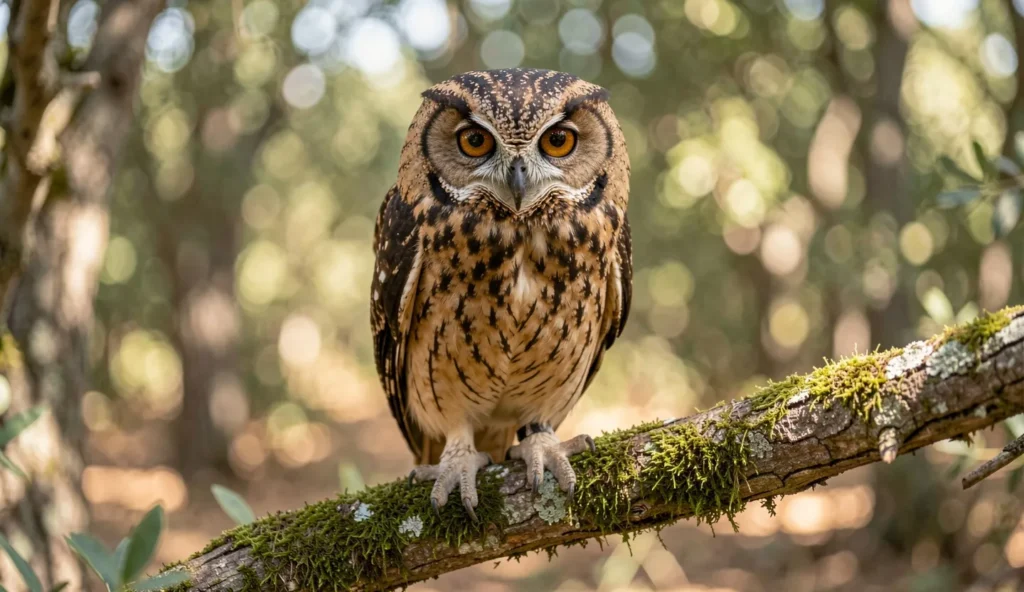
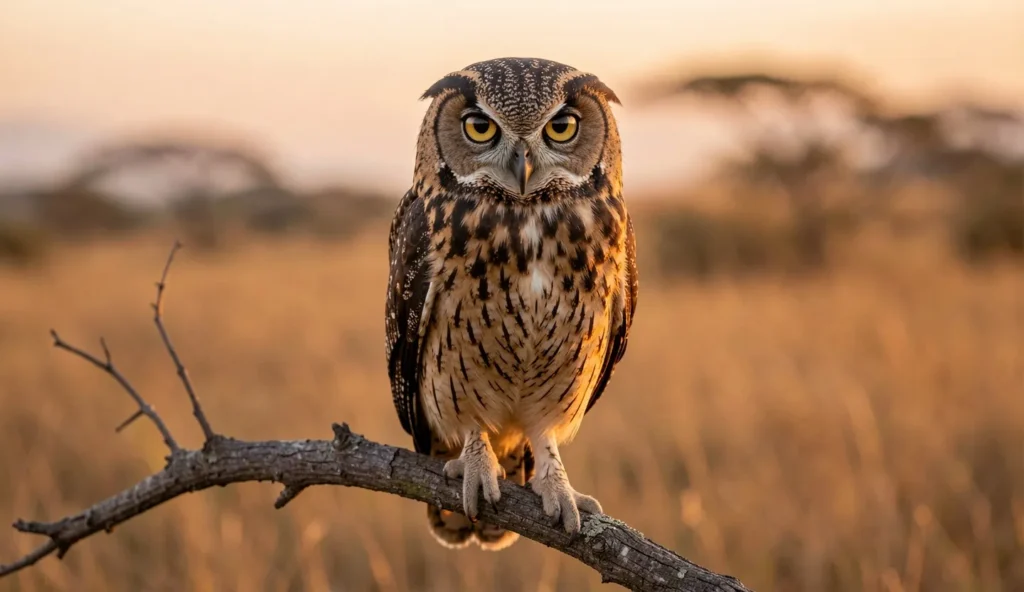
The Tawny Owl is a medium sized nocturnal raptor found across Europe, similar to the Long-eared Owl. Its round face and brown plumage make it instantly recognizable, and its classic twit-twoo call is a familiar sound in European woodlands.
Overview Of The Species
- Scientific name: Strix aluco
- Common in the UK and Europe with a rounded face and brown plumage
Appearance And Physical Features
Plumage And Size
Brown to tawny upperparts with subtle markings characterize the species. The Tawny Owl has a rounded head, a short beak, and a compact body. Length ranges from 37 to 48 cm, with a wingspan of roughly 85 to 105 cm.
Facial Disc And Eyes
The Tawny Owl features a prominent pale facial disk with darker edges. Its dark round eyes give a keen stare, a feature shared with the Barn Owl, and soft feather edges contribute to silent flight.
Habitat And Range
European Distribution
The Tawny Owl is widespread across temperate Europe from the British Isles to eastern Europe. It is especially common in woodlands, parks, and hedgerows with mature trees, where the Old German Owl has also been observed in some regions.
Preferred Habitat Features
Old trees provide nesting cavities or holes. Dense understory offers concealment during hunting.
Diet And Feeding
Typical Prey Items
Small mammals such as voles and mice are the primary prey. Birds and large insects may be taken opportunistically, a pattern shared by the Short-eared Owl in open habitats.
Hunting Style
The Tawny Owl is a nocturnal hunter that uses perches to scan the surroundings. It relies on silent flight to surprise its prey, a trait also admired in the Eurasian Eagle-Owl.
Care Tips For Owning A Tawny Owl
Housing And Enclosure
A secure, escape-proof enclosure with multiple perches is essential. Protection from weather and predators is important for welfare.
Diet And Feeding
Provide a species appropriate diet under veterinary guidance. Fresh water should be available at all times.
Handling And Safety
Handling should be limited to trained personnel. Local laws and licensing requirements must be followed.
Grooming And Health Checks
Regular feather, beak, and talon inspections help monitor condition. Watch for parasites and weight changes as part of routine health checks.
Is A Tawny Owl Right For You
Suitability For Beginners And Enthusiasts
Owls are protected in many regions and require permits. Owning them is not typical as a pet and demands considerable time, space, and expertise.
Frequently Asked Questions
Where In Europe Is The Tawny Owl Most Commonly Found?
The Tawny Owl occurs across temperate Europe, including the UK, Ireland, and much of mainland Europe, favoring woodlands and hedgerows with mature trees.
What Does The Tawny Owl Call Sound Like And When Is It Most Audible?
Its signature twit-twoo double hoot is most often heard at night or just before dawn.
When Is The Tawny Owl Breeding Season And Where Does It Nest?
Breeding typically occurs in late winter to early spring, with nests placed in tree cavities or hollows.
What Threats Affect Tawny Owls In The Wild?
Habitat loss, fragmentation, pesticide exposure, and vehicle collisions threaten populations.
Final Note
Observers are encouraged to enjoy Tawny Owls from a respectful distance and follow local wildlife guidelines to help protect this iconic species.