What Is a Ural Owl?
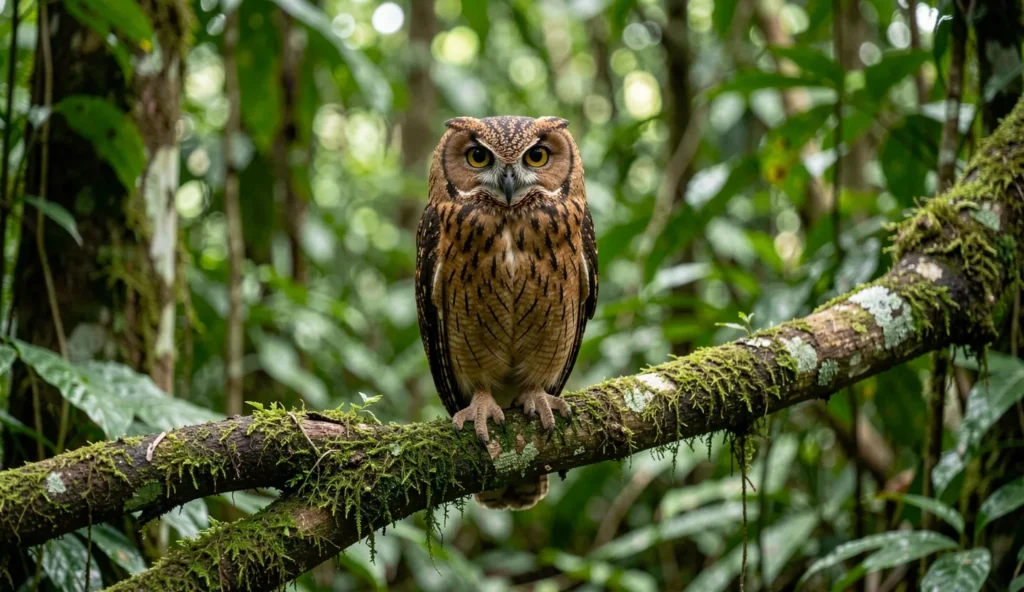
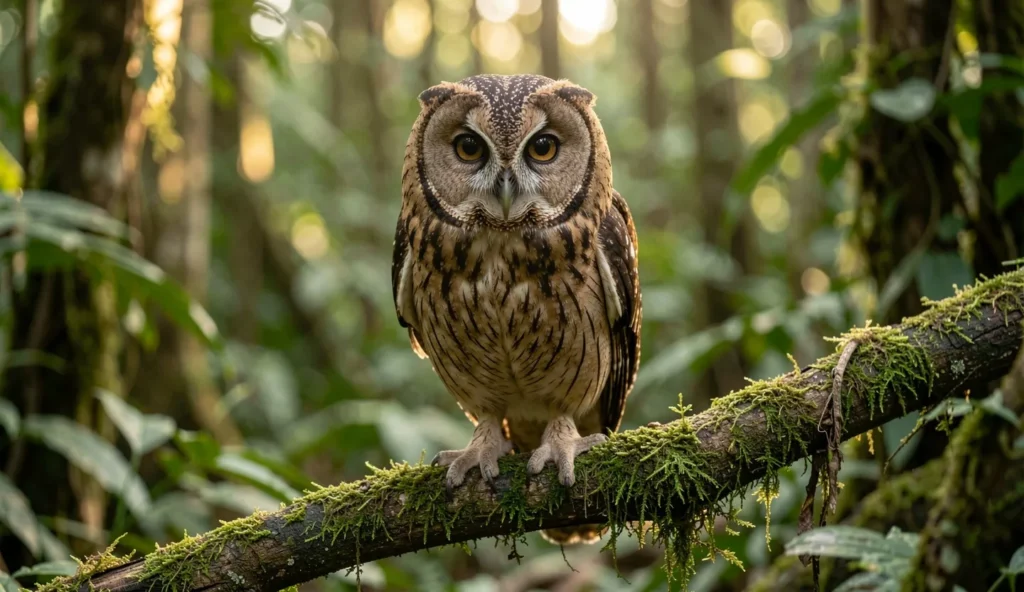
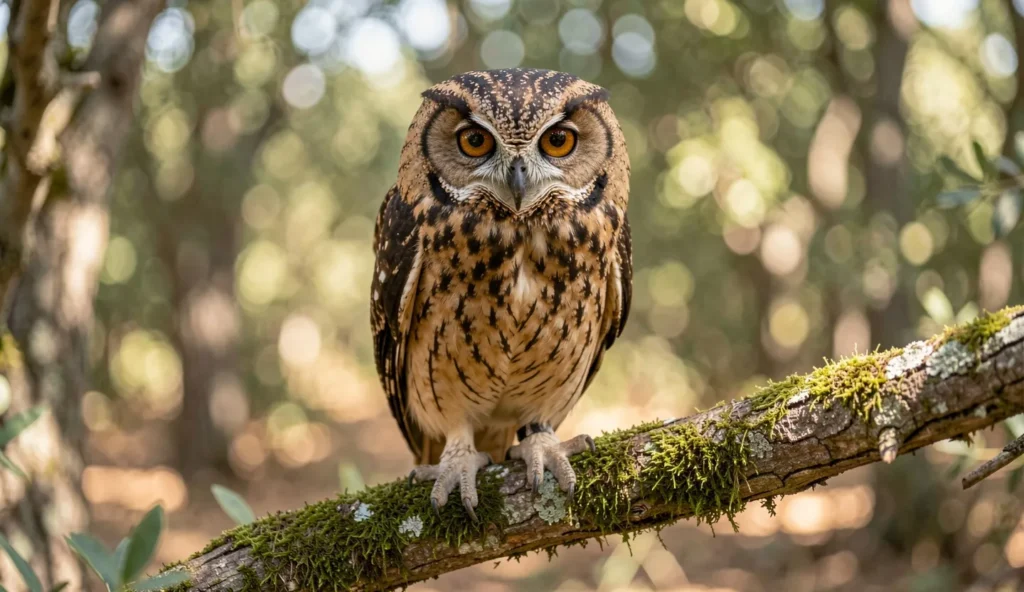
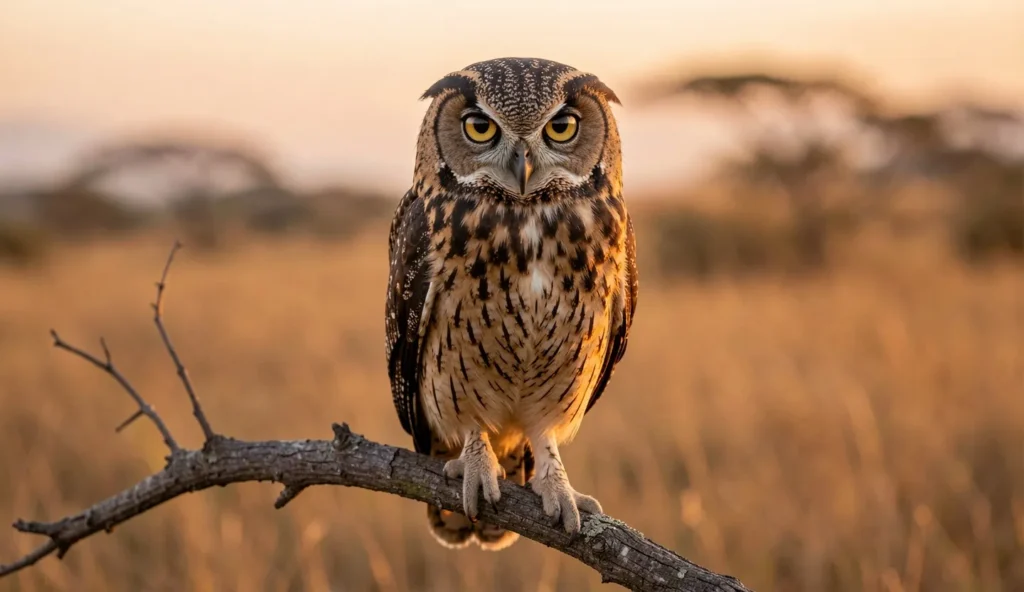
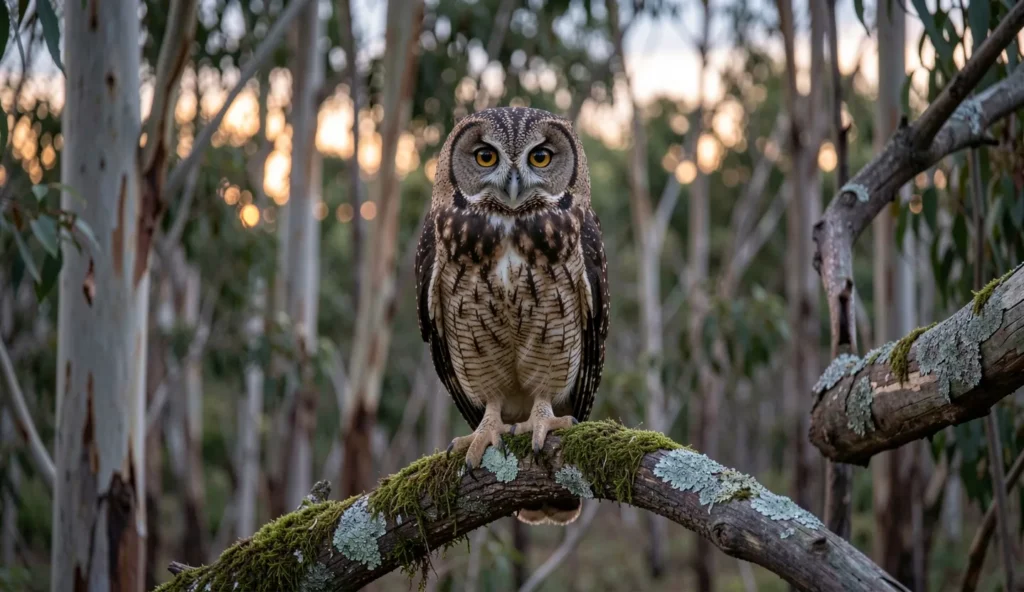
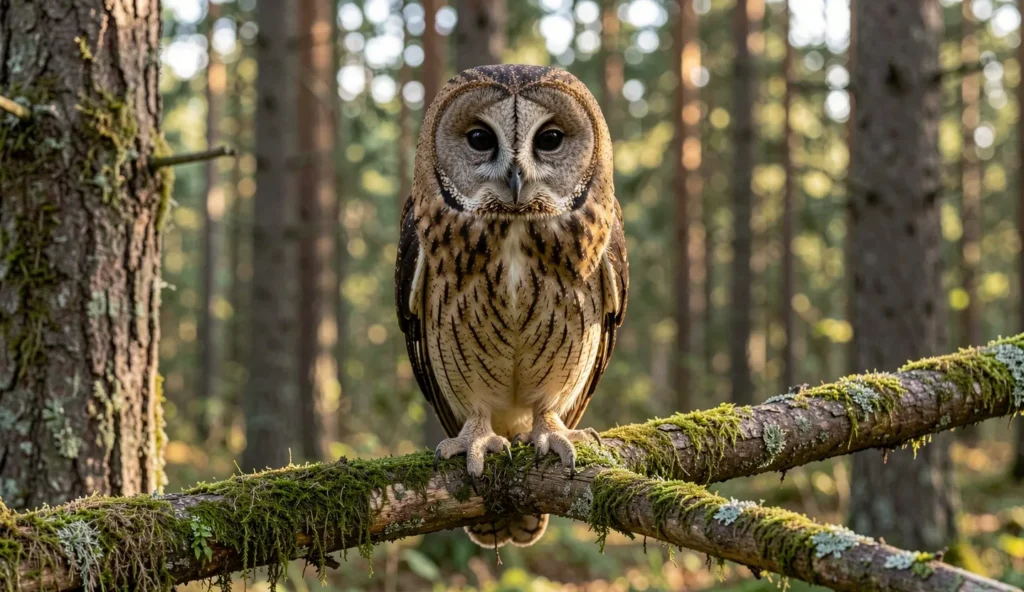
The Ural Owl (Strix uralensis) is a large nocturnal raptor found across northern Europe and Asia. It stands out for its pale underparts and a broad round facial disc that helps it blend into old-growth forests.
Within owl taxonomy, the Ural Owl sits in the family Strigidae, sharing features with other forest specialists. The species is notable for its size and its preference for mature woodlands.
Scientific Classification
- Species name Strix uralensis
- Family Strigidae
- Genus and close relatives
Key Distinguishing Traits
- Larger than many common owls in its range
- Pale underparts with fine streaks
- Round facial disc with a pale, contrasting border
Appearance and Physical Features
The Ural Owl is medium to large in size for its genus, with rufous-brown upperparts and pale underparts. This combination aids identification in dense boreal forests.
Sexual dimorphism is subtle, with plumage appearing similar between males and females, though females may be slightly larger on average. These traits help field observers distinguish it from sympatric species.
Size and Plumage
- Medium to large owl size for its genus
- Rufous-brown upperparts with subtle streaking
- Whiter underparts with fine dark streaks
Sexual Dimorphism
- Male and female plumage similar in appearance
- Females may be slightly larger on average
Habitat and Range
The Ural Owl favors old-growth forests and requires large trees for nesting cavities, making it sensitive to habitat disturbance. It tends to favor undisturbed settings where prey and nesting sites are stable.
Geographic range covers parts of northern Europe and Asia, with most sightings in boreal forest zones. The species overlaps with the Tawny Owl but occupies different habitats and elevations, reducing direct competition.
Old Growth Forest Preference
- Prefers mature, undisturbed deciduous and coniferous forests
- Requires large trees for nesting cavities
- Sensitive to forest fragmentation
Geographic Range
- Covers parts of northern Europe and Asia
- Most sightings linked to boreal forest zones
- Overlaps with Tawny Owl but occupies different habitats and elevations
Diet and Foraging Behavior
The Ural Owl predominantly hunts small to medium vertebrates, including small mammals and birds, with diet shifting based on availability and season. In lean periods, insects may appear briefly, though vertebrates remain the core.
Hunting is primarily nocturnal or crepuscular, with the bird perching to scan for movement before a silent ambush. A well-structured forest with a rich prey base supports successful foraging.
Primary Food Items
- Small to medium vertebrates including small mammals
- Birds and occasionally insects during lean periods
- Diet varies with prey availability and season
Hunting Strategy
- Nocturnal or crepuscular hunting habits
- Perches to scan for movement before a silent ambush
- Requires suitable prey base and forest structure
Is Ural Owl Right for You
For researchers and birders, observing the Ural Owl demands large, undisturbed forest areas and patience. The species is best studied within protected areas or long-term monitoring sites.
Conservation and ethical considerations are central, as habitat loss can impact populations. Field work should minimize disturbance near nesting sites and follow local wildlife guidelines.
For Researchers and Birders
- Requires large, undisturbed forest areas for reliable observations
- Best studied within protected areas or long-term monitoring sites
Conservation and Ethical Considerations
- Species may be sensitive to habitat loss
- Field work should minimize disturbance to nesting sites
- Data collection should follow local wildlife guidelines
Final Note
In boreal ecosystems, the Ural Owl serves as a key indicator of forest health and structure. Protecting old-growth habitats safeguards this species and many associated organisms.
Final Note
- Provide a concise closing reminder about the Ural Owl and its forest ecosystem role
Frequently Asked Questions
Where can the Ural Owl be reliably observed in the wild?
Typically in mature boreal and temperate forests of northern Europe and Asia.
What does the Ural Owl primarily eat and does diet vary seasonally?
Mainly small mammals and birds; diet shifts with prey availability and season.
How can researchers identify a Ural Owl without confusion with similar species?
Look for larger size, pale underparts with fine streaks, and a round facial disc in old-growth forests.
How does the Ural Owl differ from the Tawny Owl in appearance and habitat?
Ural Owl is larger with subtler facial markings and tends to favor older forests; Tawny Owl has more robust facial contrast and broader habitat tolerance.
Is the Ural Owl considered a conservation concern in Europe or Asia?
Conservation status varies by region and is often linked to forest integrity and fragmentation.
What precautions should researchers take when studying Ural Owls in the wild?
Minimize disturbance near nests, follow permits, and adhere to ethical wildlife guidelines.