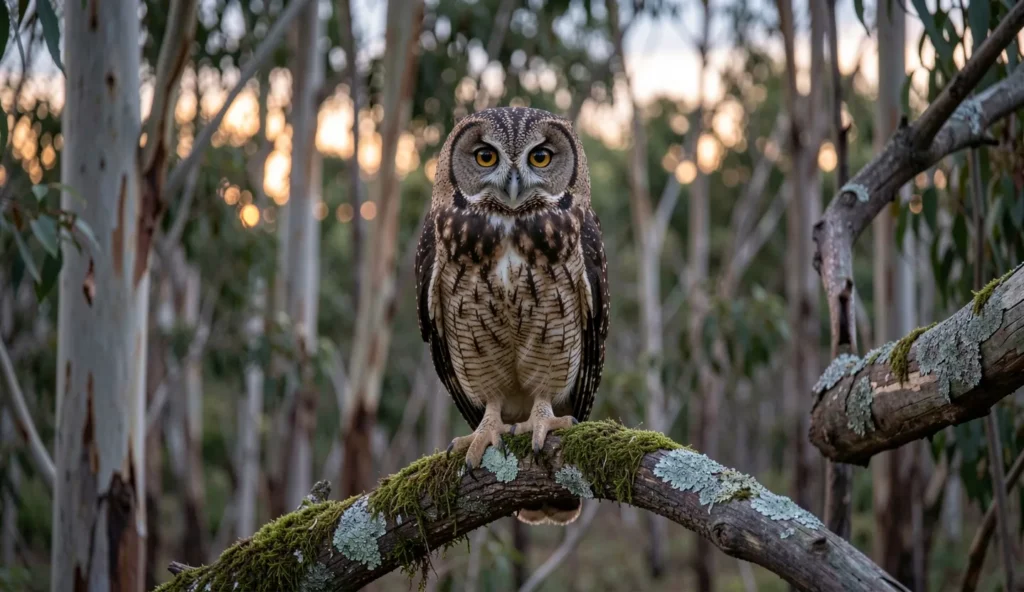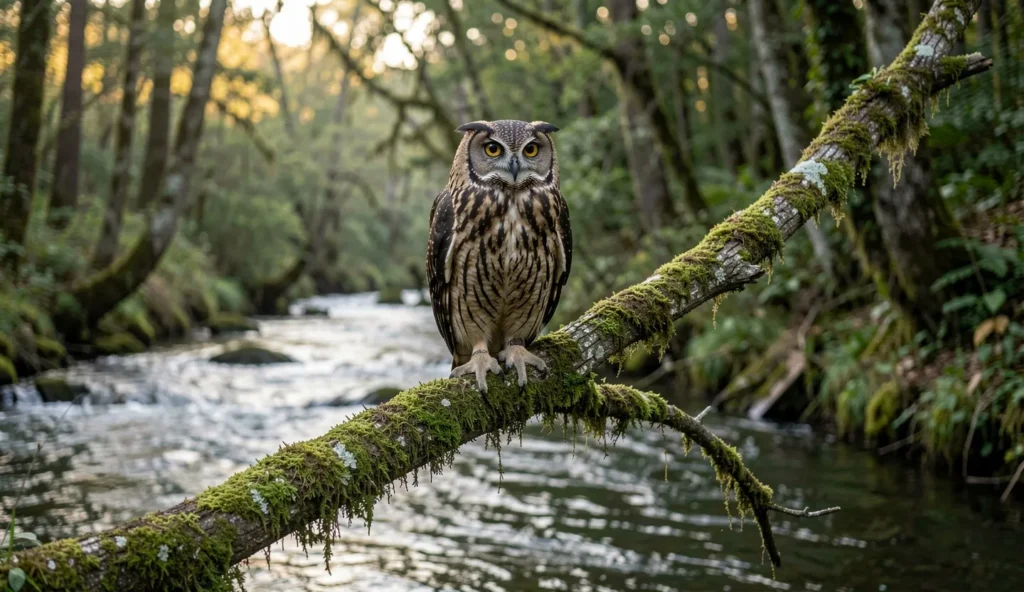
Introducing The Blakiston Fish Owl
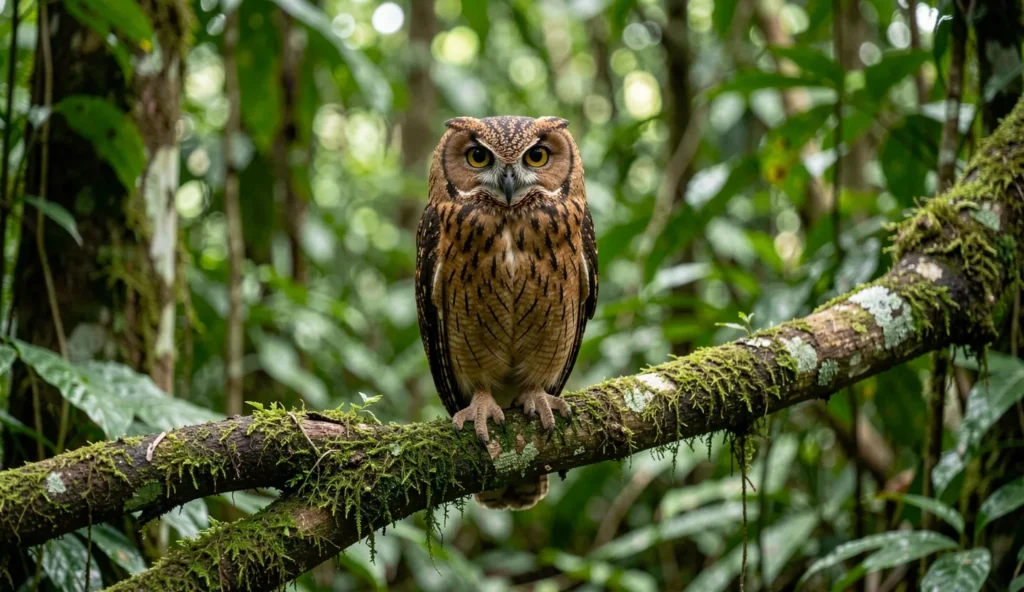
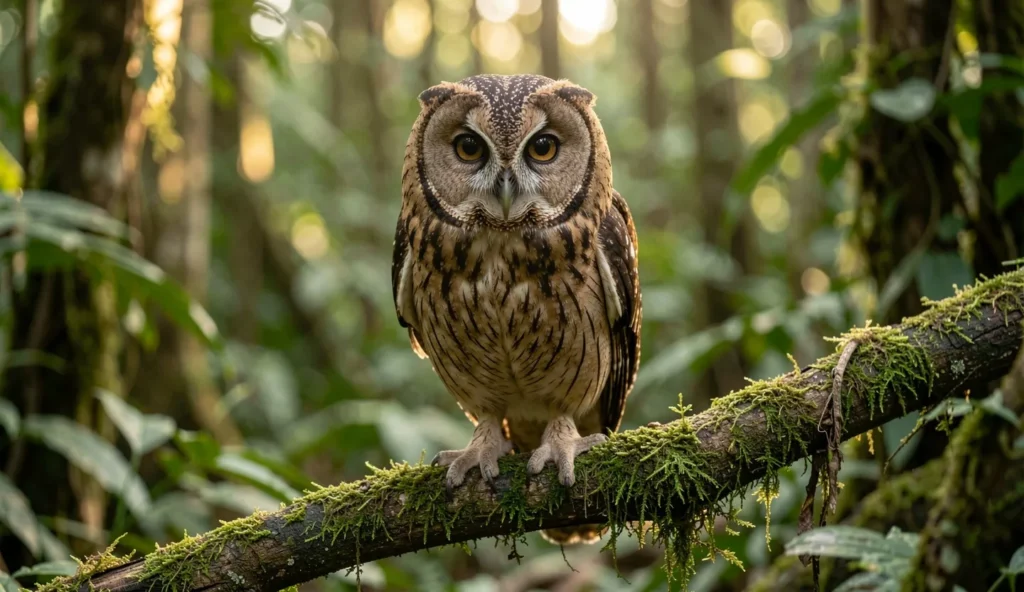
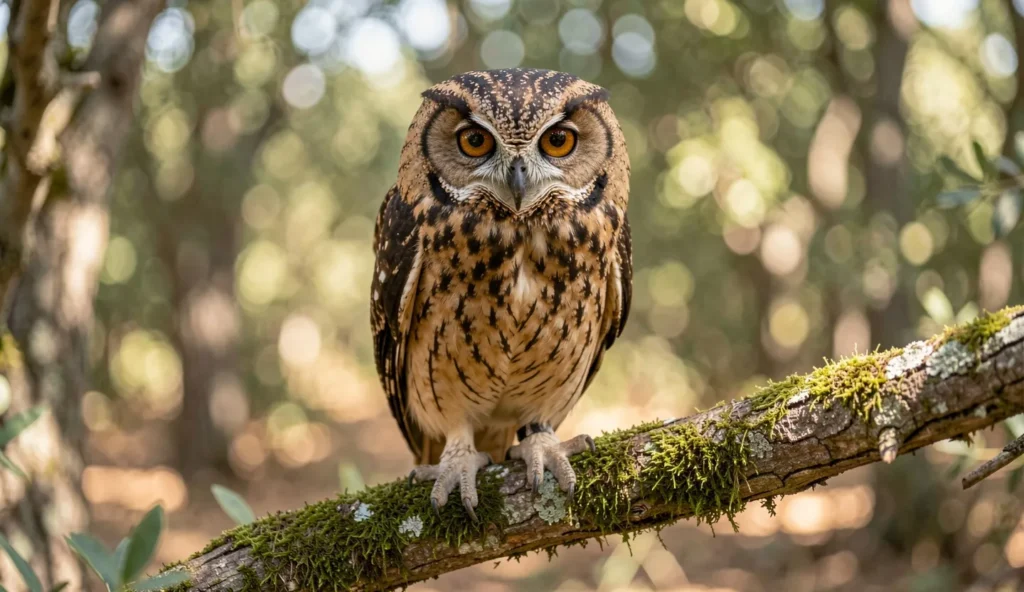
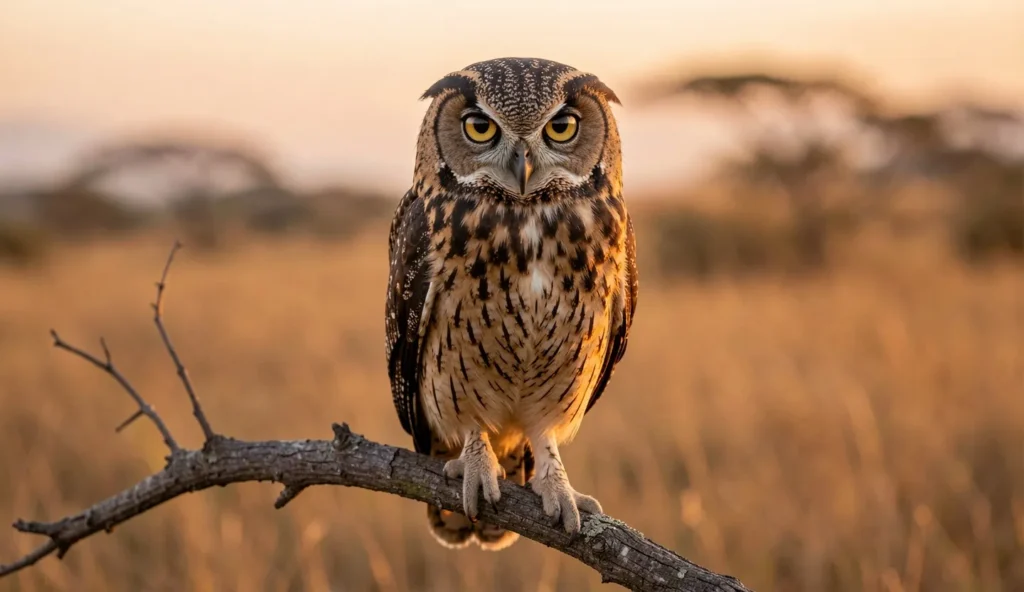
The Blakiston Fish Owl is a large nocturnal owl native to the rivers and forests of the Russian Far East and northern Japan. Its stout body and remarkable fish hunting skills set it apart, making it a priority for conservationists and birding adventurers.
Additionally, this guide highlights size, habitat needs, and practical steps for observing the species without disturbing its fragile riverine ecosystems.
What Makes This Owl The Giant Among East Asian Birds
Body Size And How It Compares With Other Owls
The Blakiston Fish Owl ranks among the largest owls on the planet, with a robust body and expansive wings. It is a true giant of eastern Asia and relies on river edge habitats to sustain its foraging needs.
- Its size places it among the largest owls, broader than many species such as the Eurasian Eagle-Owl.
- Large wings aid powerful flight over riparian zones during fish hunting.
- Body mass supports endurance in cold, forested river corridors.
Where It Lives And How Its Range Has Shaped Its Heritage
The species is primarily found in the Russian Far East and northern Japan, including Hokkaido. Mature riverine forests with large trees and fish-rich streams provide essential feeding and nesting opportunities.
Historically, logging and habitat fragmentation have reduced its range, increasing the need for cross-border protection efforts and habitat corridors to sustain populations. In many landscapes, coordination with regional conservation bodies is key to maintaining river health and breeding success.
Why It Is Critically Endangered
The Blakiston Fish Owl faces a critically endangered status due to a combination of low reproductive rate and late maturity. Threats include habitat loss, water pollution, and human disturbance at nests, all of which threaten long-term survival.
Protecting river corridors and old-growth trees is central to improving outcomes for this species.
Understanding Blakiston Fish Owl Size And Appearance
Body Size And How It Compares With Other Owls
The Blakiston Fish Owl is one of the largest owls worldwide, with a heavy body and broad wings. Its size supports hunting in riparian zones and catching sizable prey along rivers.
- Wild individuals display impressive wingspans that aid stoic hovering above water.
- Size differences among individuals reflect age and region, not just species averages.
- In captivity, posture can exaggerate or minimize perceived size, unlike in the wild.
Distinctive Markings And Adaptations For Riverine Environments
Plumage coloration and a broad facial disk give the owl camouflage against riverbank shadows. The long legs and strong talons are well suited for catching fish and amphibians along water edges.
Behaviors favor stealthy approaches over water near nests, and seasonal plumage shifts help blend with changing riverbank habitats. These features collectively support successful hunting in dynamic riverine environments.
How Researchers Measure And Monitor The Population
Researchers use telemetry, nest monitoring, and camera traps to study the population, acknowledging the species’ cryptic and remote habitats. Standardized river corridor surveys are essential for tracking trends and informing management actions.
Citizen scientists can contribute observations using established protocols, expanding the data pool for this rare owl.
Habitat And Conservation For The Blakiston Fish Owl
Mature Riverine Forests As A Critical Habitat
Mature riverine forests with intact watercourses are essential for nesting and feeding. Nesting occurs in large trees near clean streams with abundant fish, linking forest health to prey availability and breeding success.
Management that maintains tree continuity and river health supports long-term stability for this species.
Risks From Habitat Loss Climate Change And Human Disturbance
Logging, road building, and dam projects fragment habitat and alter river dynamics. Pollution and sedimentation reduce fish populations and degrade nesting sites, while climate shifts can shift prey timing and nesting windows.
Human presence near nests increases fledging failures and disrupts critical breeding stages.
Conservation Efforts And Ways To Support
Protected areas and transboundary conservation initiatives play a central role in safeguarding riverine habitats. Breeding and reintroduction programs may be part of regional strategies where appropriate.
Birders and researchers can collaborate with authorities by sharing observations and supporting forestry practices that protect river corridors—and thereby the Blakiston Fish Owl.
Experiencing The Blakiston Fish Owl Responsibly In The Field
Best Times And Places For Ethical Sightings
Seasonal windows along northern rivers in mature forests provide the best chances for sightings. Observers should choose quiet periods to minimize disturbance and avoid flash photography near nests.
Keeping a respectful distance helps protect nesting sites and allows the birds to behave naturally.
Field Etiquette And Data Collection For Citizen Scientists
Minimal-impact observation techniques are essential when studying this species in the wild. Record date, time, location, weather, and behavior, then share the data with local research groups.
Note prey indicators and water quality to support ecological studies without compromising the owl’s safety.
What To Do If You Spot A Nest Or Offspring
Maintain immediate distance and avoid any approach toward the nest. Notify park rangers or wildlife authorities and keep records discreet to protect nesting sites.
Follow guidance during sensitive breeding periods to safeguard both humans and owls.
Frequently Asked Questions
How big is the Blakiston Fish Owl and how does it compare to other owls?
It is one of the largest owl species with a substantial wingspan and heavy body.
Where can I typically find Blakiston Fish Owls in the wild?
They are mainly found in eastern Russia and northern Japan, especially along riverine forests.
What does the Blakiston Fish Owl eat and how does it hunt?
Its diet centers on fish, and it hunts by perching beside rivers before swift strikes into the water.
What are the main threats to the Blakiston Fish Owl?
Key threats include habitat loss, water pollution, and a low reproductive rate that hampers recovery.
Final Note
Observing the Blakiston Fish Owl requires patience, respect, and adherence to local guidelines to protect riverine forests for future generations.