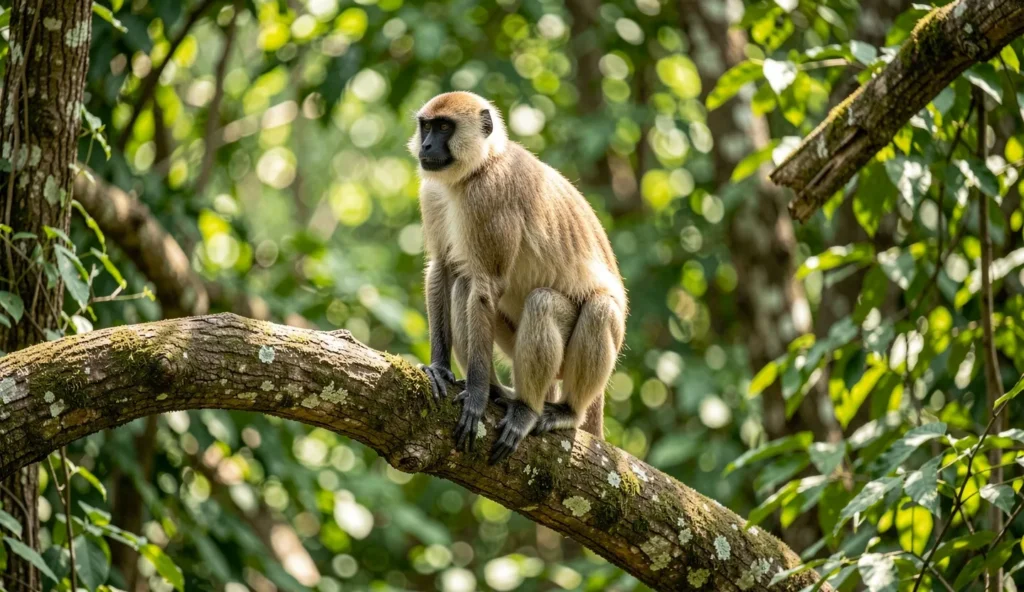
What Is a Hanuman Langur
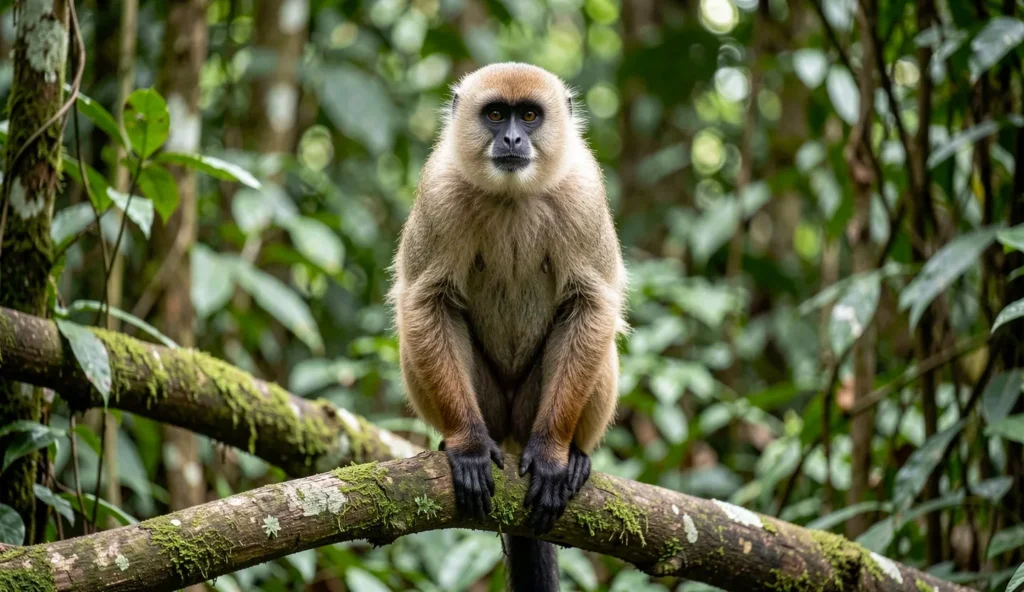
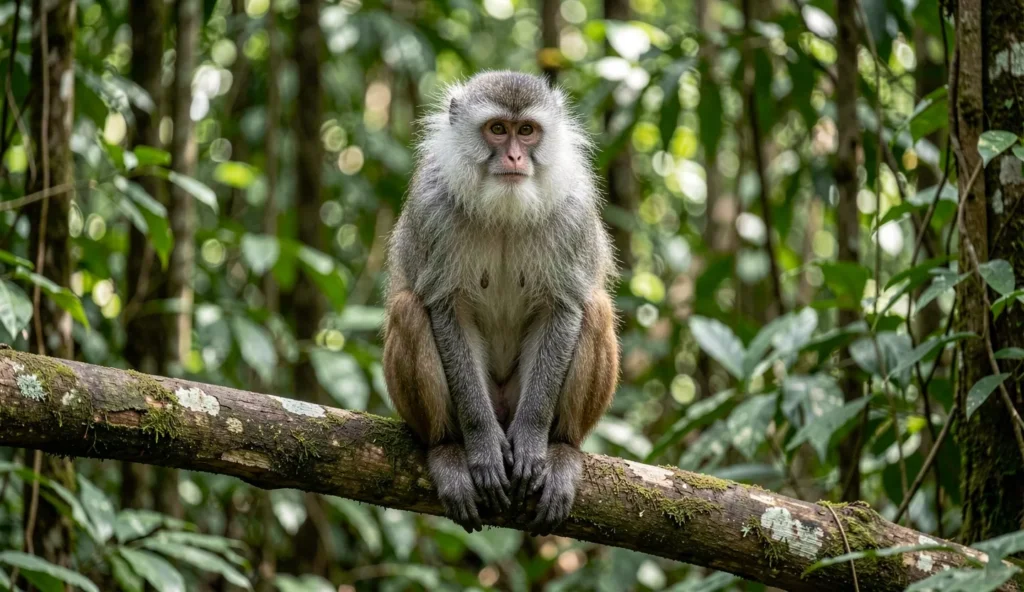
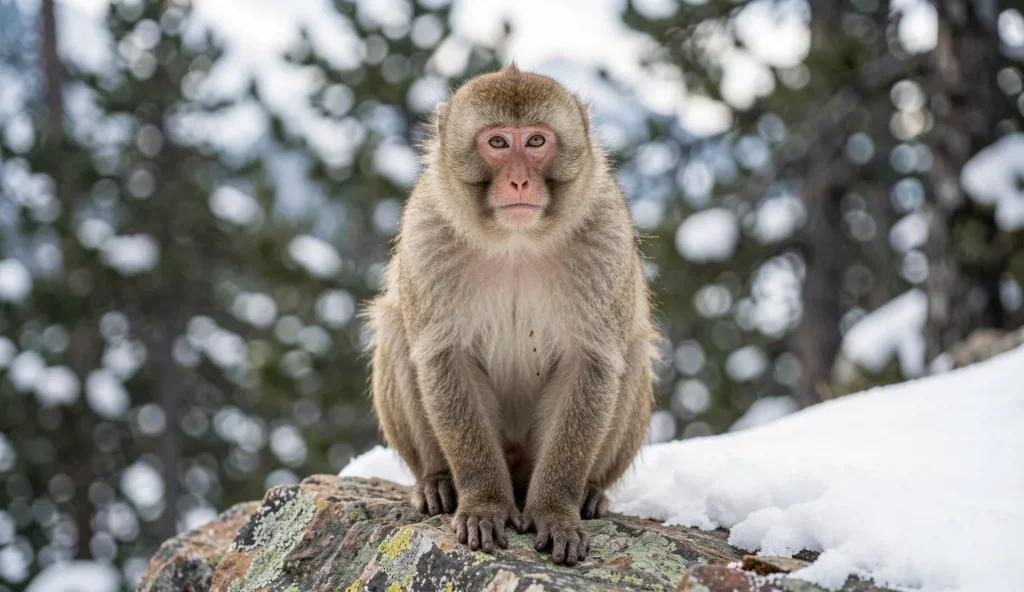
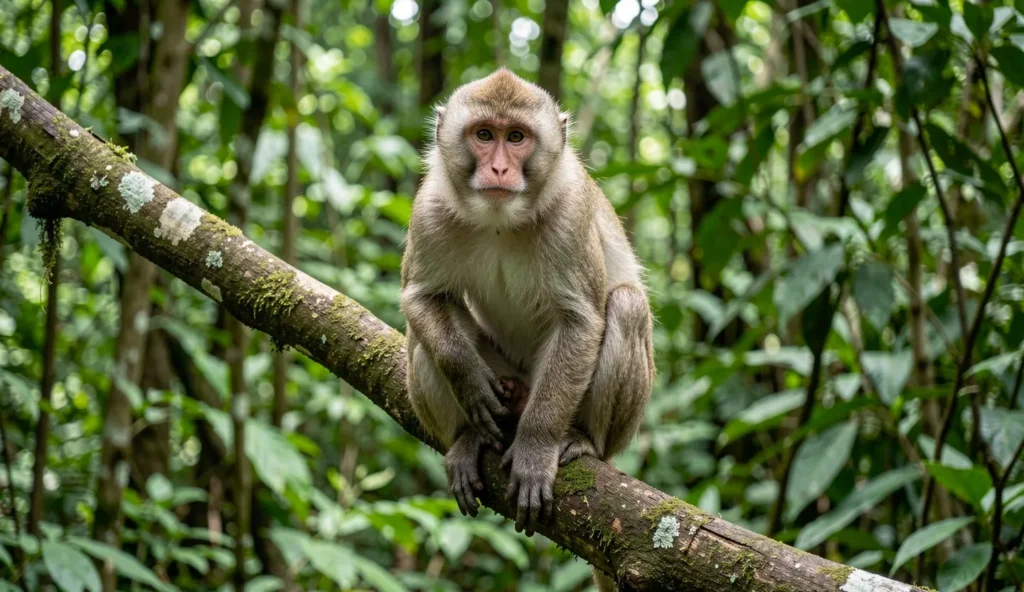
The Hanuman Langur is a large arboreal primate native to the Indian subcontinent and surrounding regions. In the wild, individuals live in large social groups and engage in complex grooming and foraging behaviors, similar to the Squirrel Monkey.
Appearance And Physical Features
Physical Traits And Sexual Dimorphism
Hanuman Langurs have a long, slender build with a gray to dark-brown coat and a pale face. Adults typically reach 50 to 75 centimeters in body length, with tails that add substantial reach, a pattern the Hanuman Langur exhibits.
Temperament And Social Behavior
Social Structure And Group Dynamics
The Hanuman Langur is highly social and forms multi-male, multi-female groups, with group sizes varying by habitat. Within these groups, grooming, vocalizations, and coordinated foraging help reinforce social bonds and reduce stress, a pattern also observed in the Colobus Monkey.
Diet And Nutrition
Wild Diet And Fiber Needs
The diet of Hanuman Langur in the wild consists primarily of leaves, fruits, seeds, and flowers; fiber is essential. In captivity, providing a high-fiber, plant-based diet supports digestive health and overall condition, and a comparable pattern can be found in the Marmoset Monkey diet for reference.
Care Tips For Hanuman Langur
Diet And Foraging
A high fiber diet is essential for digestive health and energy. For example, variation in forage items supports natural foraging behavior and prevents nutritional gaps.
- High fiber plant based items are essential
- Provide varied leaves, fruit, and seeds when possible
- Avoid processed foods and additives
- Ensure fresh water at all times
Exercise And Enrichment
Active play and foraging challenges help maintain fitness and reduce stress. Provide climbing structures, ropes, and elevated perches to mimic natural arboreal movement.
Housing And Environment
Enclosures should mimic an arboreal habitat with ample vertical space and secure escape routes. Temperature and humidity should be maintained to match the native climate inside the enclosure.
Social Needs And Handling
Hanuman Langurs are highly social in groups and require companionship to prevent stress and abnormal behaviors. Handling should be minimal and stress free, and wildlife protections and laws must be respected.
Grooming And Health Monitoring
Regular observation of coat and skin health helps detect problems early. Schedule veterinary checkups when possible to maintain overall health and address dental issues or parasites.
Is Hanuman Langur Right For You
Suitability Check
Potential keepers should assess space, time, and legal considerations before pursuing a Hanuman Langur, recognizing the need for enriched social environments and fiber-rich diets.
Frequently Asked Questions
Is it legal to own a Hanuman Langur as a pet?
Laws vary by country and require permits or bans; ownership may be illegal or restricted.
What does a Hanuman Langur eat in the wild?
They primarily eat leaves, fruits, seeds, and flowers depending on season and habitat.
How big can a Hanuman Langur get?
Adults vary by sex, typically with body lengths around 50 to 75 centimeters plus a long tail.
Are Hanuman Langurs good with families or children?
They are wild animals and not recommended as family pets; interactions should be limited and supervised.
Final Note
Hanuman Langurs thrive in complex social settings and require thoughtful care that matches their natural behaviors.