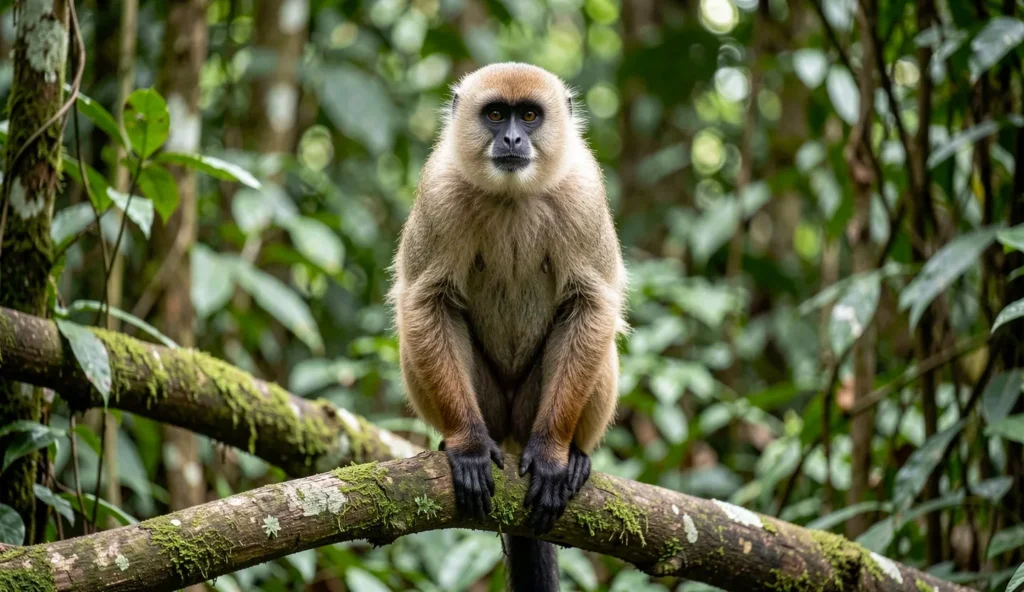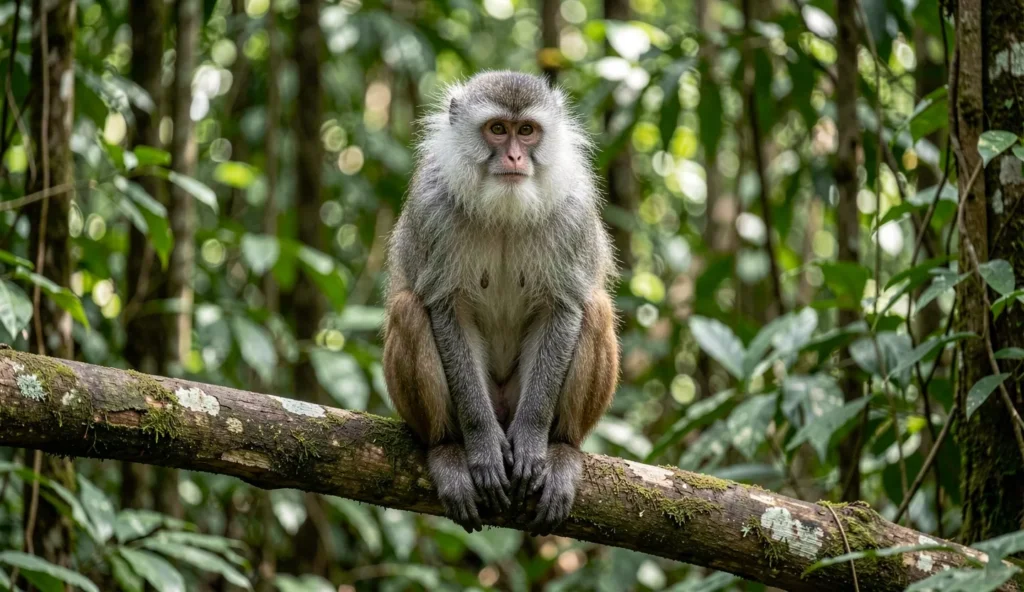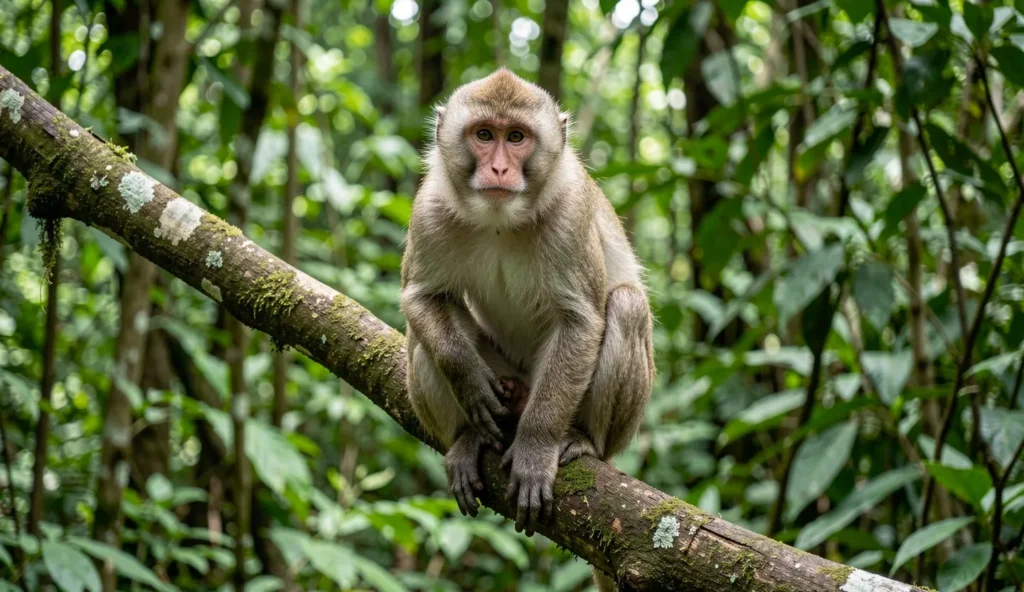
What Is a Nilgiri Langur
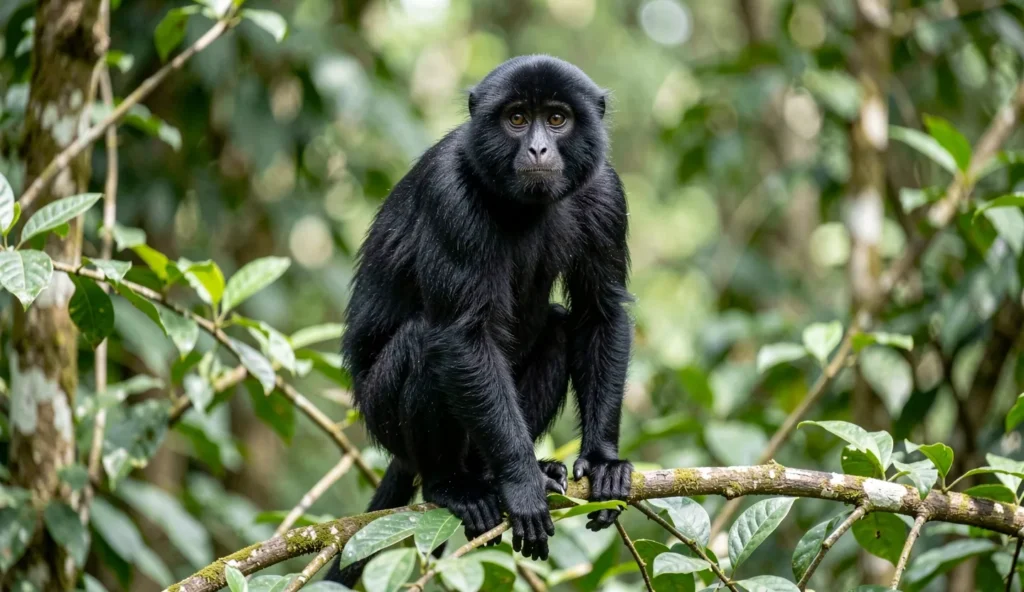
The Nilgiri Langur is a medium-sized primate endemic to the Western Ghats of India, and its scientific name is Semnopithecus johnii. This profile highlights a glossy black coat and habitat preferences that set the Nilgiri Langur apart from other primates, providing a factual reference for exotic pet enthusiasts and researchers alike, including comparisons to the Rhesus Macaque Breed.
Taxonomy and Nomenclature
The Nilgiri Langur is commonly referred to by its scientific name Semnopithecus johnii, with the term black langur used in some regions. This naming reflects its distinct appearance within the Semnopithecus genus.
Native Range and Habitat
Endemic to the Western Ghats of India, the Nilgiri Langur typically inhabits montane and tropical forest communities. The species relies on forest canopies and riparian zones for foraging and shelter, making habitat protection essential.
Notable Traits
The glossy black coat and a medium build with a relatively long tail help the Nilgiri Langur maneuver through trees with ease. These traits contribute to its recognizable silhouette in the wild.
Appearance and Physical Features
Visual identification centers on the Nilgiri Langur’s dark fur and distinct facial characteristics. Subtle seasonal variation may influence coat tone, but the overall silhouette remains consistently dark.
Coat Color and Texture
Coat is a glossy black across the body, with minor seasonal shifts that can alter hue slightly in some individuals. The fur length and density support insulation in varying climates within the Western Ghats.
Size and Build
It is a medium-sized primate with elongated limbs adapted for an arboreal lifestyle. A long tail aids balance during climbs and leaps between branches.
Distinctive Facial Features
Facial skin tends to be dark with expressive eyes and proportionate ears, giving the Nilgiri Langur a characteristic look. Facial expressions can convey mood and social signals within groups.
Temperament and Social Structure
Nilgiri Langurs are typically observed in multi-male, multi-female groups with stable social bonds. They display diurnal activity with regular grooming sessions that reinforce cohesion, even when foraging over large home ranges.
Social Groups and Social Dynamics
Groups maintain defined boundaries within a home range and show nuanced hierarchy during foraging and grooming. This social complexity supports cooperative behaviors in resource gathering.
Activity Pattern
Active during daylight hours, Nilgiri Langurs dedicate substantial time to foraging and social interaction. Grooming plays a key role in maintaining alliances and reducing tension.
Interaction With Humans
In the wild, there is a general wariness of humans, and captive handling is discouraged and often regulated to protect welfare. When observed by researchers, non-intrusive methods are preferred to minimize stress.
Diet and Feeding Habits
In the wild, the Nilgiri Langur relies on a variety of leaves, fruits, flowers, and buds, with seasonal shifts affecting item availability. In captivity, a high-fiber, plant-based diet supports digestive health and energy needs, while avoiding harmful processed foods is essential.
Wild Diet
Leaves, fruits, flowers, and buds form the core of its foraging plan, with seasonal changes directing food choices. The diet adapts to forest phenology and canopy productivity throughout the year.
Captive Diet Considerations
Offer high-fiber plant matter and a diverse menu to promote foraging behavior and dental health. Avoid processed items and any foods unsafe for primates to prevent illness.
Habitat and Conservation Status
Endemic range to the Western Ghats creates habitat needs focused on forest canopies and riparian corridors, where tree connectivity supports movement and feeding. Conservation status reflects ongoing pressure from habitat loss and fragmentation, underscoring the importance of protected areas.
Endemic Range and Habitat Needs
The Nilgiri Langur is restricted to the Western Ghats and relies on continuous canopies and intact forest habitats for survival. Preservation of montane forests is crucial for maintaining viable populations.
Conservation Status and Threats
Threats include habitat loss, fragmentation, and human-wildlife conflict in some regions. Protective measures are in place through regional and national frameworks to support recovery efforts.
Is Nilgiri Langur Suitable for Captive Care
Private possession of primates is highly regulated, and welfare concerns require a robust enrichment program. This section explains why captive care presents significant challenges and why it is generally discouraged for this species.
Legal and Ethical Considerations
Regulations limit private ownership of primates and emphasize public safety and animal welfare. Ethical concerns include social needs, mental stimulation, and appropriate living environments.
Enrichment and Handling
Captivity demands complex environmental enrichment, including physical structures, foraging opportunities, and social housing. Handling is discouraged to minimize stress and preserve natural behaviors.
Final Note
Respect for wild heritage and conservation needs should guide any interest in the Nilgiri Langur and related species, particularly for exotic pet enthusiasts and researchers alike.
Frequently Asked Questions
What makes the Nilgiri Langur a distinct species within the Semnopithecus johnii group?
It is endemic to the Western Ghats with a glossy black coat and specific habitat preferences.
Where is the Nilgiri Langur naturally found and what is its typical habitat?
Endemic to the Western Ghats in India, mainly in forest canopies and montane habitats.
Are Nilgiri Langurs ever kept as pets and what are the welfare concerns?
Private ownership is highly regulated and welfare concerns escalate due to enrichment and social needs.
What does the Nilgiri Langur eat in the wild and how should diet be approached in captivity?
Its diet includes leaves, fruits, and flowers; captivity requires high fiber plant matter and avoidance of processed foods.