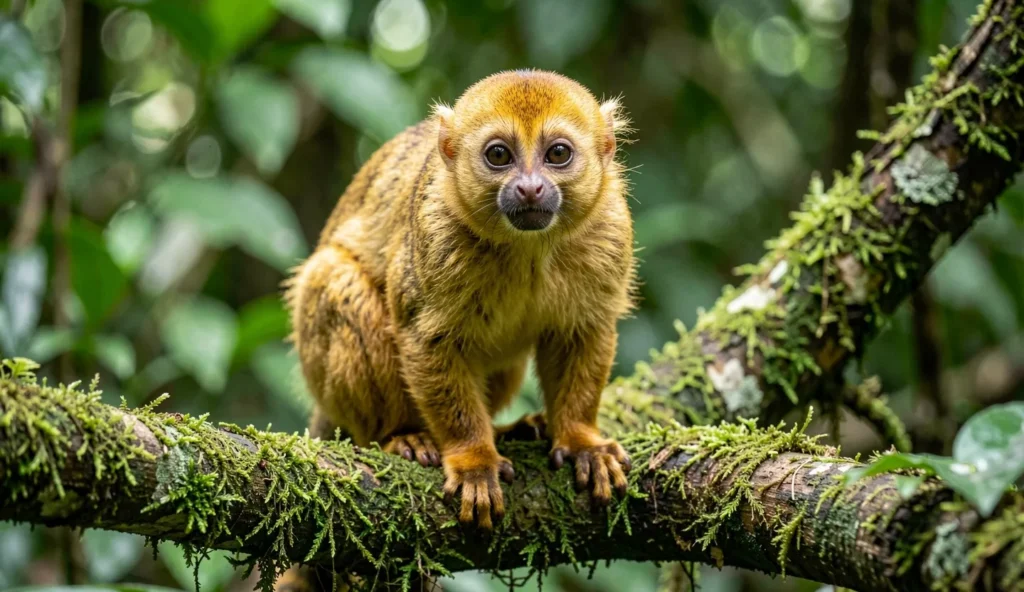
What Is a Golden Lion Tamarin
The Golden Lion Tamarin is an endangered primate native to the Atlantic forest of Brazil. Its bright orange fur and compact size help identify it, yet significant welfare and legal considerations make it unsuitable for most private owners, unlike some other primates such as the Marmoset Monkey.
Species Overview
- Scientific name is Leontopithecus rosalia.
- Native to the Atlantic coastal rainforest of Brazil.
- Endangered with ongoing conservation efforts.
- Social, diurnal primates that live in small family groups.
- Not commonly suitable as pets due to welfare and legal considerations.
Appearance And Physical Features
Golden Lion Tamarins feature a bright orange coat and a small body size, aiding camouflage and social signaling in the treetop environment. Visually, they carry a distinctive look that sets them apart from many other small primates.
Coat Color And Size
- Bright orange to golden fur is a defining trait.
- Small primate, body length around 20 to 26 cm.
- Tail longer than body, helps with balance in trees.
- Weight generally around 400 to 600 grams.
Body Proportions And Distinctive Traits
- Short snout and expressive eyes.
- Strong grasping hands for arboreal life.
- Long tail used for balance rather than grasping.
Temperament And Personality
In general, Golden Lion Tamarins are cautious around strangers but form tight social bonds within their family groups. When interacting with humans, they respond better to gradual, positive exposure and calm handling.
Interaction With Humans
- Tamarins can be shy or wary around unfamiliar people.
- Require gentle handling and gradual socialization.
- Best kept with experienced handlers in captivity.
Social Structure And Enrichment Needs
- Live in small family groups in the wild.
- In captivity, need social companions to prevent stress.
- Mental stimulation is essential to prevent boredom.
Housing And Enrichment For A Pet Tamarin
In captivity, enclosures should resemble rainforest canopies with ample climbing space. Habitat design should accommodate arboreal movement and provide opportunities for foraging and exploration, similar to what is needed for other rainforest primates such as the Colobus Monkey.
Enclosure Requirements
- Large, multi-tiered enclosure with secure climbing structures.
- Safe, escape-proof locks and sturdy branches.
- Regular environmental enrichment to mimic rainforest.
Social Housing And Companions
- Tamarins are highly social; kept best in compatible pairs or family groups.
- Mixing unfamiliar tamarins can cause stress and aggression.
- Permits may regulate how many animals can be kept together.
Enrichment And Exercise
- Provide climbing puzzles and foraging opportunities.
- Daily supervised play sessions in a safe environment.
- Accessible enrichment reduces stress and promotes activity.
Diet And Health Considerations
Diet plays a central role in wellbeing; a varied diet supports natural foraging behaviors and helps prevent nutritional gaps. In captivity, care teams often mirror diet practices used for other small primates such as the Squirrel Monkey to promote balance.
Ideal Diet And Feeding Schedule
- A balanced mix of fruit, vegetables, insects, and special primate chow.
- Regular feeding times to mimic natural foraging patterns.
- Fresh water available at all times.
Foods To Avoid
- Avoid processed human foods high in sugar or salt.
- Limit dairy and citrus that can upset stomach.
- Steer clear of toxic plants and unsafe household items.
Healthcare And Vet Needs
- Regular wellness checks with a wildlife-competent vet.
- Vaccinations and parasite control as advised by professionals.
- Early signs of illness should prompt veterinary assessment.
Is A Golden Lion Tamarin Right For You
Assessing suitability involves legal, ethical, and lifestyle considerations that go beyond appearance. Prospective owners should examine local regulations, and compare options with other species such as the Baboon Monkey to understand broader commitments.
Legal And Ethical Considerations
- Ownership is restricted or prohibited in many regions.
- Ethical concerns include animal welfare and import regulations.
- Permits or licenses may be required depending on location.
Time Space And Financial Commitments
- Tamarins require extensive daily care and social interaction.
- Enclosures, diet, and veterinary costs add up quickly.
- Consider long-term commitment before acquiring.
Frequently Asked Questions About Golden Lion Tamarin
Are Golden Lion Tamarins legal to own as pets?
In many regions ownership is restricted or illegal without special permits.
What kind of enclosure does a Golden Lion Tamarin need?
A large, secure, multi-level enclosure with climbing structures and enrichment is essential.
Do Golden Lion Tamarins require permits to keep?
Yes, permits or licenses are often required and vary by jurisdiction.
What should be included in a Golden Lion Tamarin diet?
A balanced mix of fruit, vegetables, insects, and primate chow with fresh water.
How much space does a Golden Lion Tamarin need?
Space should accommodate climbing, social groups, and enrichment; exact needs depend on the number of animals.
What are common health issues to watch for in Golden Lion Tamarins?
Common concerns include dental issues, parasites, and stress-related illnesses; regular vet checks are important.
Final Note
Golden Lion Tamarins require careful planning, legal compliance, and ongoing enrichment to thrive in captivity.