What Is a Blue-Throated Hummingbird
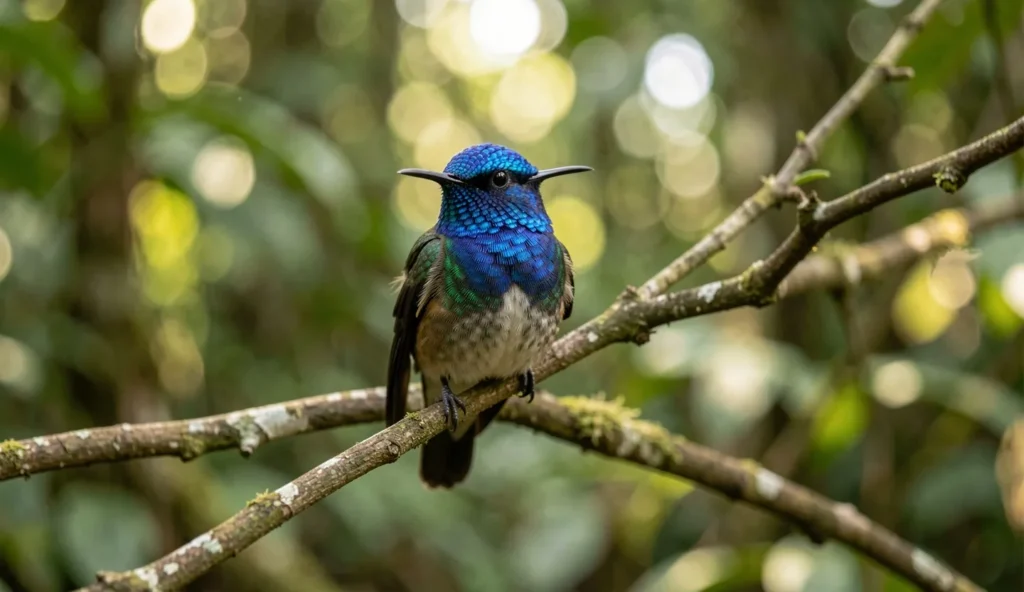
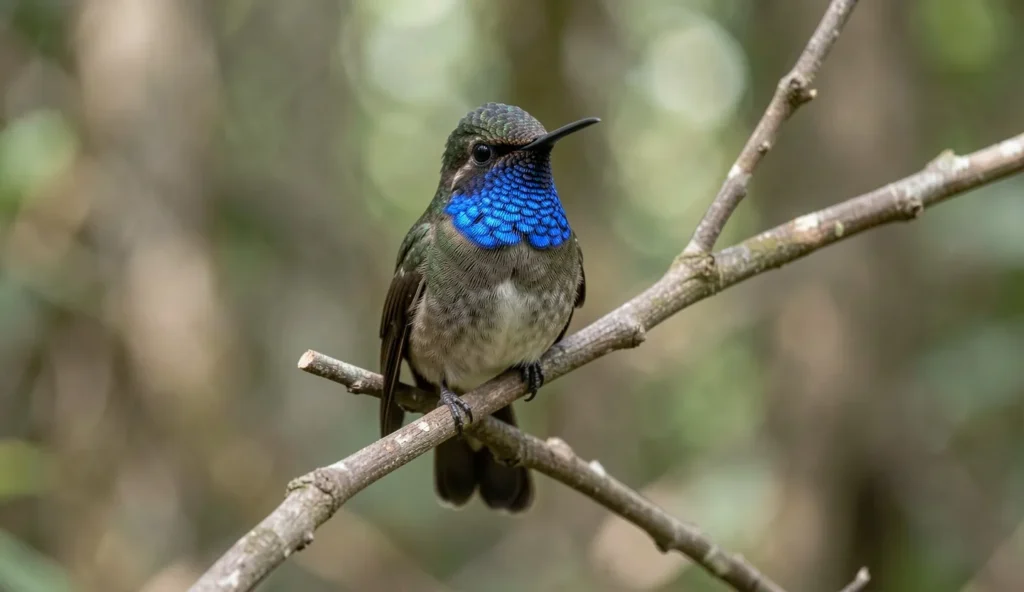
The Blue-throated Hummingbird is a rare visitor to the United States, primarily seen in southern Texas and along desert corridors near the Mexican border. This striking bird stands out for its size and its iridescent blue throat.
Taxonomy and Scientific Name
- Lampornis clemenciae is the scientific name.
- Belongs to the hummingbird family Trochilidae.
- Notable as the largest hummingbird species recorded in the United States.
- Rarity north of Mexico underlines its conservation interest.
Notable Traits
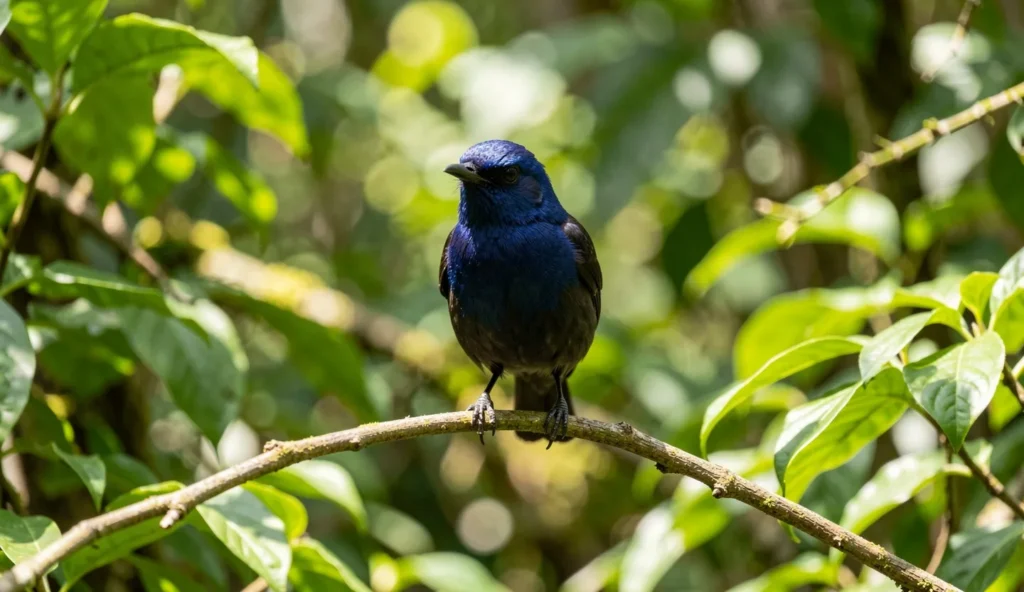
- Distinctive iridescent blue throat patch.
- Larger size compared to most US hummingbirds.
- Loud wing hum during rapid flight.
- Bright plumage can vary with light angle.
Appearance and Physical Features
Size and Plumage
- Medium to large hummingbird by US standards.
- Iridescent blue throat more prominent in males.
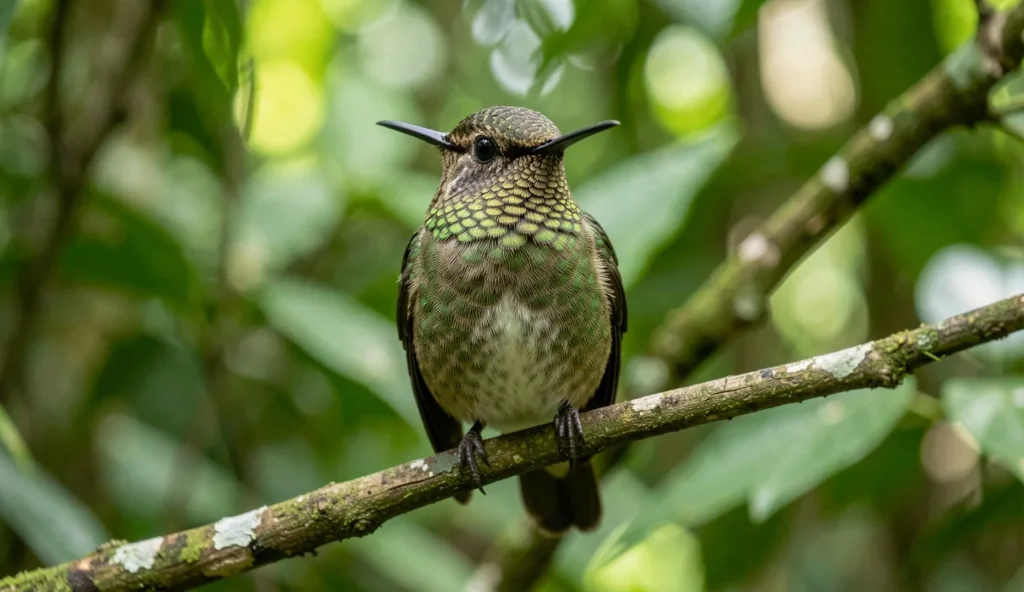
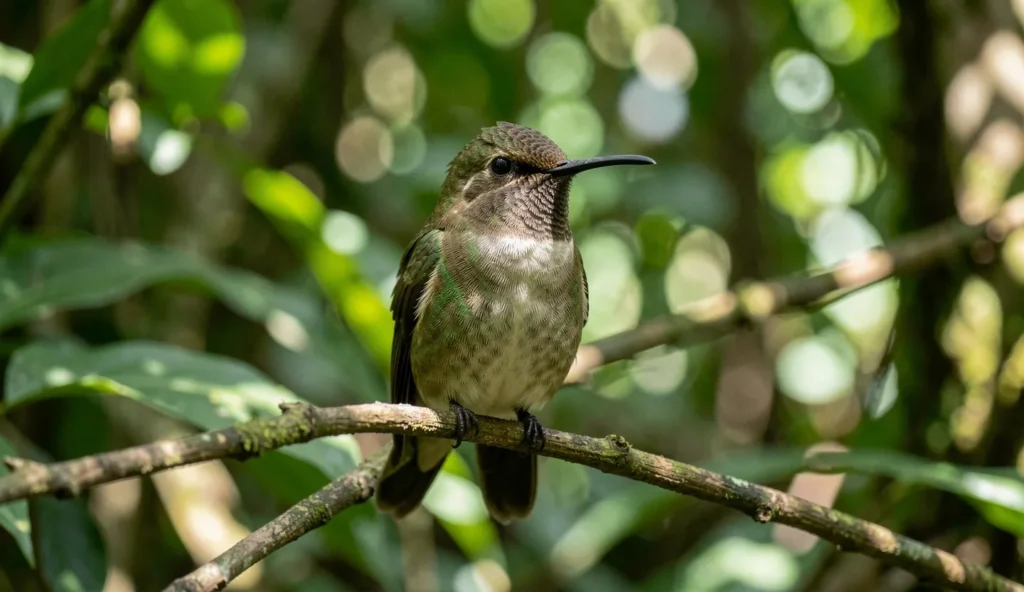
- Green back and silver-gray underparts commonly observed.
- Feather structure enhances color shifts with light.
Color Variations and Sex Differences
- Males show brighter blue throat compared to females.
- Females and juveniles are similar but less dramatic throat color.
- Seasonal wear can mute vivid tones temporarily.
- No drastic size difference between sexes.
Habitat and Range
Geographic Range
- Primarily a Mexico-based species with rare US sightings.
- Most frequent reports come from southern Texas and Arizona, a pattern also discussed in Magnificent Hummingbird.
- Occasional northern wanderers can reach New Mexico or nearby areas.
- Sighting patterns align with migratory and nectar-flower availability.
Habitat Preferences
- Mountain forest edges and canyons with flowers.
- Areas with abundant nectar plants and small insects.
- Prefer sheltered riparian zones near flowering plants.
- Clearings with brambles and flowering shrubs attract foraging birds.
Diet and Feeding
Natural Food Sources
- Nectar from a variety of flowering plants.
- Small insect and spider supplementation for protein.
- Feeding responses can vary with plant availability.
- Seasonal flora shifts influence feeding behavior.
Observation Tips for Birders
- Use binoculars or scopes to study plumage from a distance.
- Avoid blocking feeders or nectar sources during presence.
- Look for a rapid wingbeat and blue throat glow in sunlight. Calliope Hummingbird observations provide useful context.
- Record dates and locations of sightings for citizen science.
Behavior and Vocalizations
Flight and Wing Hum
- Wing hum is notably loud compared to other species.
- Rapid wingbeats assist hovering near flowers.
- Displays can be brief but energetically impressive.
- Vocalizations are generally high pitched and faint.
Mating and Territorial Behavior
- Males defend nectar rich perches.
- Display flights may include quick dashes between plants.
- Territorial behavior intensifies around feeders in some locales.
- Behavior reflects typical hummingbird strategies for resources.
Is Blue-throated Hummingbird Right for You
For Serious Birders and Rare Visitor Enthusiasts
- Ideal for observers in Texas and Arizona who track rare migrants.
- Attracts attention of collectors of rare US hummingbirds.
- Requires patience and careful observation to spot.
- Engages with similar species such as Anna’s Hummingbird for comparative notes.
Important Considerations for Observers
- Respect wildlife laws and avoid handling the bird.
- Focus on safe distances and non invasive observation.
- Be mindful of habitat sensitivity and conservation status.
- Document sightings with photos or notes for records.
Final Note
These visitors enrich local birding scenes, especially in southern states where nectar sources bloom. Observers should document sightings responsibly to support ongoing conservation efforts.
Frequently Asked Questions
What is the scientific name of the Blue-throated Hummingbird?
Lampornis clemenciae is the scientific name.
How common are sightings of the Blue-throated Hummingbird in the United States?
Sightings are rare and typically occur as southern migrants in Texas and Arizona.
What distinguishes the Blue-throated Hummingbird from other large US hummingbirds?
A distinctive iridescent blue throat and a larger overall size compared to most US species.
When is the best time to look for this species in the US?
Migration periods in spring and fall offer the best chances for sightings in southern states.
What should observers do to attract these birds responsibly?
Rely on natural nectar sources and observe from a distance without feeding strategies that disrupt behavior.
Final Note
Observing the Blue-throated Hummingbird should be done with respect for its habitat and with careful, low impact practices.