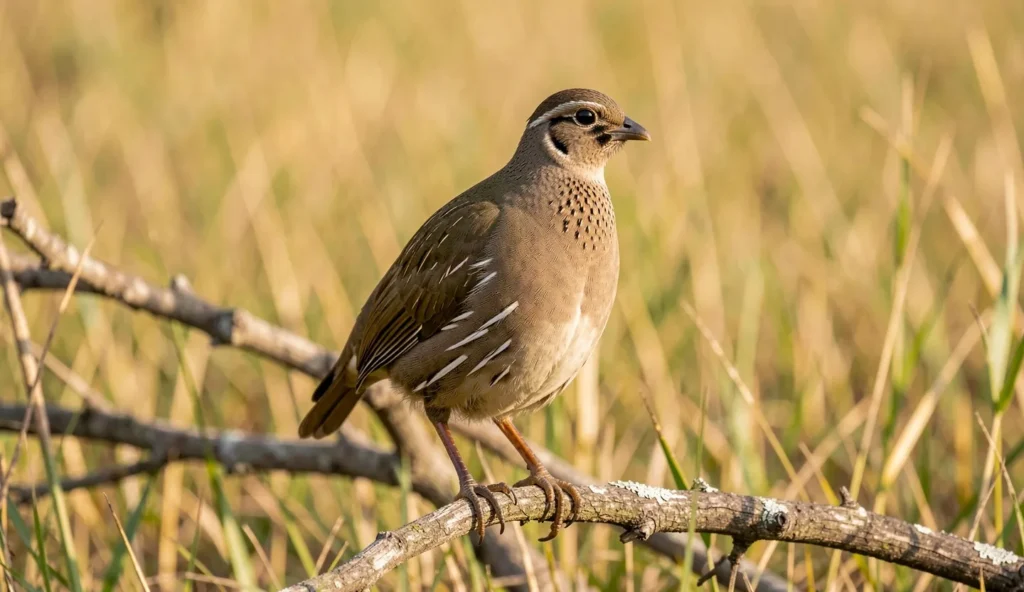
What Is a Chinese Francolin
The Chinese Francolin is a small ground-dwelling bird native to parts of Asia. It draws interest from aviculturists for its active foraging and compact size, and it is kept under regulatory frameworks in many places.
Overview Of The Species
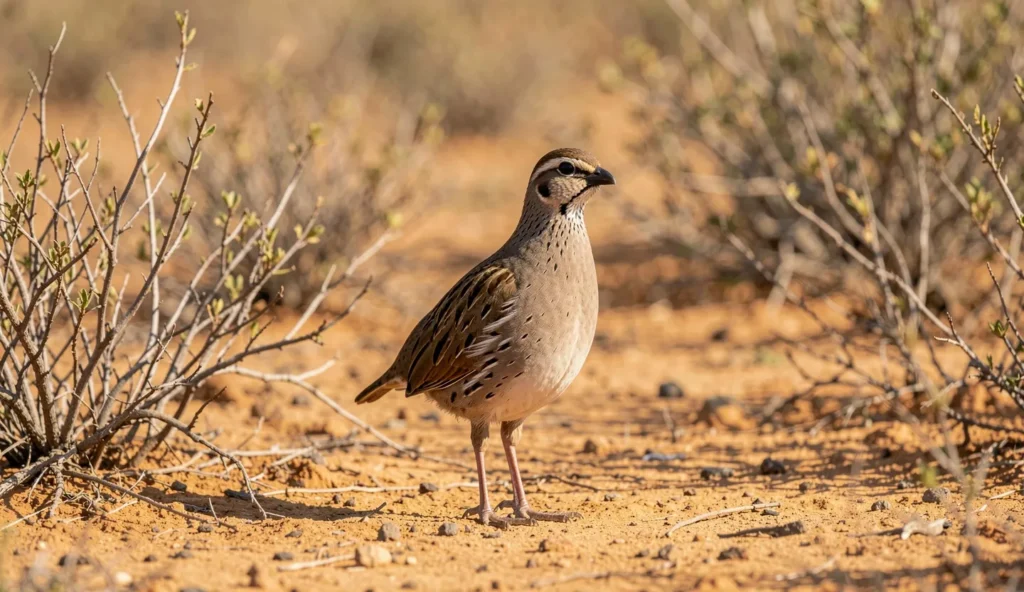
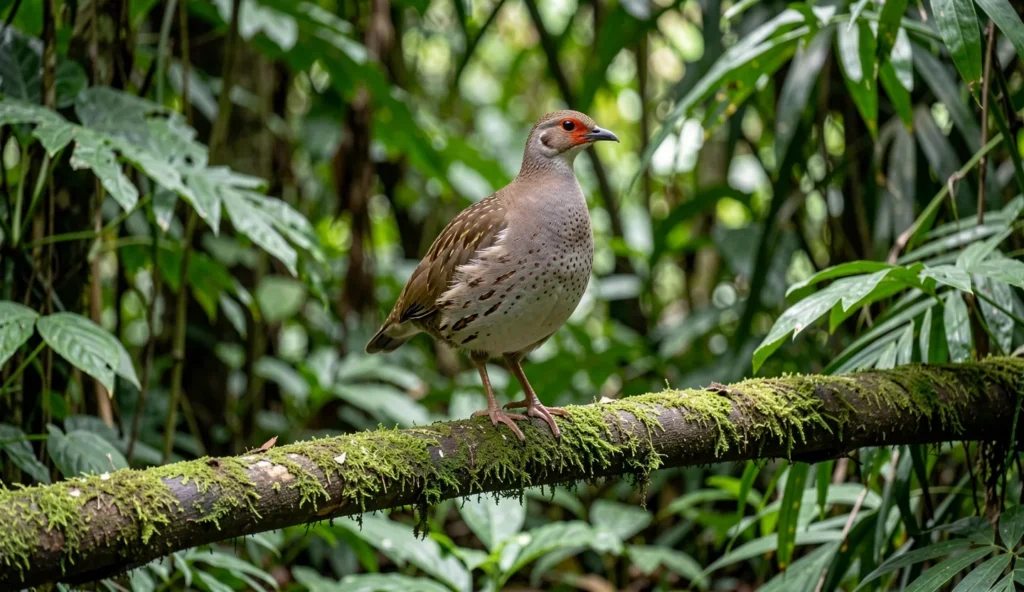
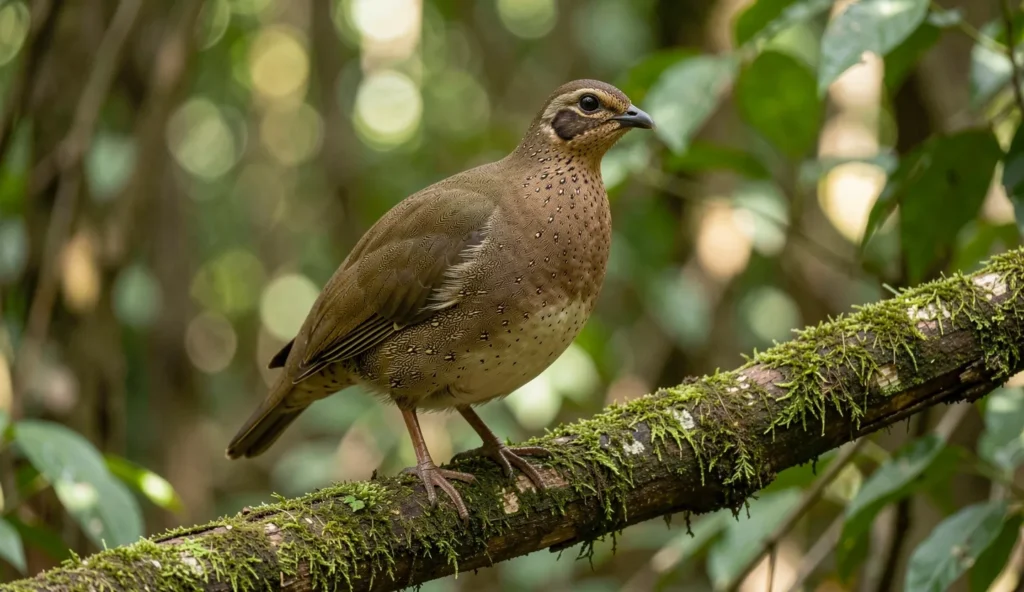
The Chinese Francolin is a small game bird valued by keepers for its alert behavior and endearing presence in aviaries. Like other francolins, it tends to forage on the ground, pecking at seeds, insects, and vegetation. The species shows adult plumage differences between sexes, aiding identification for breeders and hobbyists. For context, see the White-Throated Francolin as a closely related example of similar care needs.
- Small game bird native to parts of Asia
- Often kept by aviculturists under regulation
- Adult plumage varies by sex
Habitat And Natural Range
In the wild, the Chinese Francolin occupies grasslands and scrub areas, often near agricultural edges. Captive populations exist in aviaries and farms, where habitat design mirrors its natural foraging behaviors. Similar species in nearby regions share comparable habitat requirements.
Appearance And Physical Features
The Chinese Francolin presents compact proportions with distinct markings that help distinguish individuals at a glance. Overall, the bird is robust and well-adapted to terrestrial life, making enclosure design straightforward for informed owners.
Plumage And Size
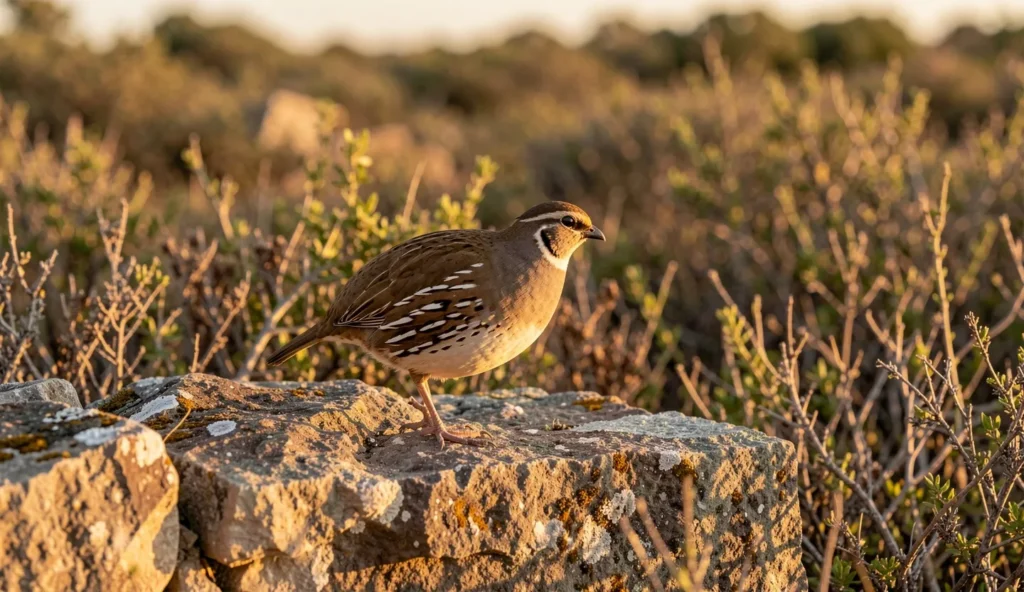
Males often display brighter plumage than females, particularly on the head and neck. Body length typically ranges from 25 to 30 cm, with short wings suited to short bursts of flight. The plumage pattern includes camouflage tones that blend with ground cover, providing natural concealment.
Sexual Dimorphism And Age Marks
Sexes show distinct plumage patterns, with males usually more vividly colored during breeding seasons. Juveniles lack the bold adult markings and appear duller, gradually developing mature colors during their first year.
Legal Status In The United States
Legal status for the Chinese Francolin in the United States varies by federal, state, and local rules. Prospective owners must verify current requirements before any purchase.
Federal Import Regulations
USDA permits may be required for import, depending on origin and transport, as described in federal guidelines and the Cape Francolin page. Compliance hinges on source, transport method, and documented health status.
State And Local Permit Requirements
Ownership may be restricted by state wildlife laws, and local ordinances can impose enclosure standards or additional paperwork. Owners should consult their state wildlife agency and municipal rules before acquiring a Chinese Francolin and review the Clapperton Francolin example for context.
CITES And Trade Implications
CITES status affects international trade and import export permissions. Check the current Appendix listing before any purchase, such as the information available on the Painted Francolin page for comparison.
Housing And Enclosure Needs
A properly designed enclosure supports natural behaviors and reduces stress. Space, safety, and enrichment are all critical when housing a Chinese Francolin.
Enclosure Size And Design
Escape-proof construction is essential, with secure latching and sturdy mesh. Provide safe flooring and ample space for movement to mimic ground-foraging activities.
Perches Substrate And Enrichment
Multiple perches at varying heights encourage roosting, while ground cover and enrichment items promote foraging and exploration. Enrichment can include safe foraging toys and shallow dust baths.
Environmental Conditions
Maintain moderate temperatures with good ventilation and avoid direct drafts. Protect the enclosure from extreme heat or cold to preserve health and productivity.
Diet And Nutrition
A balanced diet supports health and vitality in the Chinese Francolin, combining formulated rations with natural foraging opportunities. Proper nutrition also reduces disease risk and improves feather condition.
Preferred Diet Components
- Game bird formulated diets or species-appropriate pellets
- Fresh greens, grains, and occasional insects
Feeding Schedule And Portions
Provide fresh water daily and offer meals at regular times with portion control. Monitor intake and adjust portions based on age, size, and activity level.
Foods To Avoid
- Avoid toxic plants and avocado
- Limit salty, sugary, or spoiled foods
Health Issues And Veterinary Care
Regular health monitoring helps catch issues early, especially as francolins can be susceptible to respiratory problems and parasites. Proactive care supports longevity and welfare.
Common Health Issues In Francolins
Respiratory infections and parasites are possible; early signs include reduced activity and appetite changes. Vigilant observation guides timely veterinary intervention.
Preventive Care
Regular health checkups and appropriate vaccination considerations, when applicable, form the foundation of preventive care. Maintain up-to-date records for rapid reference during visits.
Finding A Qualified Avian Vet
Seek vets with experience in game birds and have an emergency care plan for rapid illness response. The right specialist ensures accurate diagnosis and effective treatment plans, including options for care in crisis situations, such as with the Coqui Francolin.
Is Chinese Francolin Right For You
Prospective owners should assess time, space, and regulatory diligence before committing. This species requires consistent care and legal compliance to thrive in a home setting.
Time And Space Commitment
Daily care and enclosure maintenance are essential, along with ample space for movement and enrichment. A well-planned setup reduces stress and promotes natural behavior.
Legal Compliance Diligence
Verify permits and state compliance before purchase and stay informed about ongoing regulatory changes. Documentation and future-proofing are practical parts of ownership, especially when tracking changes to state laws like those affecting species such as the Yellow-Necked Francolin.
Ethical And Welfare Considerations
Ensure natural behaviors are supported and buy from reputable sources with proper paperwork. Ethical sourcing reduces risks for both the animal and the keeper.
Final Note
Owners should approach this species with careful planning and ongoing compliance to support welfare and legal status. Preparedness helps ensure a positive experience for both the animal and the owner.
Frequently Asked Questions
Is owning a Chinese Francolin legal in all US states?
No, legality varies by state and locality and may require permits.
Do USDA permits apply to Chinese Francolin imports?
Import may require USDA permits depending on origin and transport.
What permits are required to keep a Chinese Francolin in the US?
Permits may include state wildlife and enclosure compliance where applicable.
Are Chinese Francolins protected by CITES and what does that mean for ownership?
CITES status can restrict international trade and import/export.
What enclosure size is recommended for a Chinese Francolin kept as a pet?
Provide ample floor space with secure enclosure and enrichment.
Can a beginner successfully keep a Chinese Francolin in a typical home?
It requires dedicated time, space, and legal compliance; suitable for prepared owners.