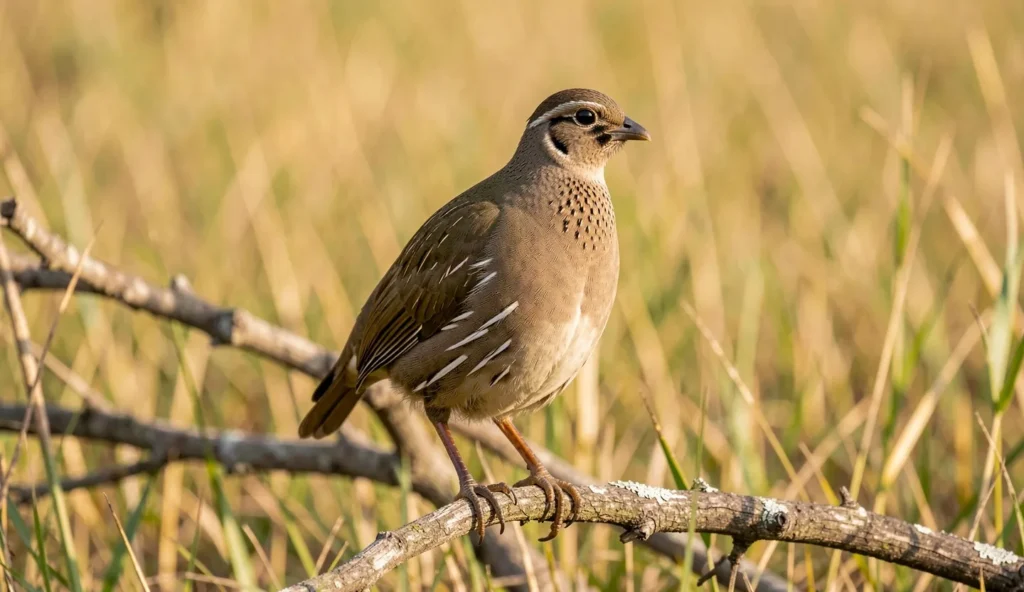
What Is a Finsch Francolin And Why Compatibility Matters
The Finsch Francolin is a small ground-dwelling bird native to parts of Africa, and its behavior matters for mixed aviaries. Understanding its ground-foraging habits and gentle disposition helps prevent stress in a multi-species bird community.
Where Finsch Francolins Come From And How That Shapes Behavior
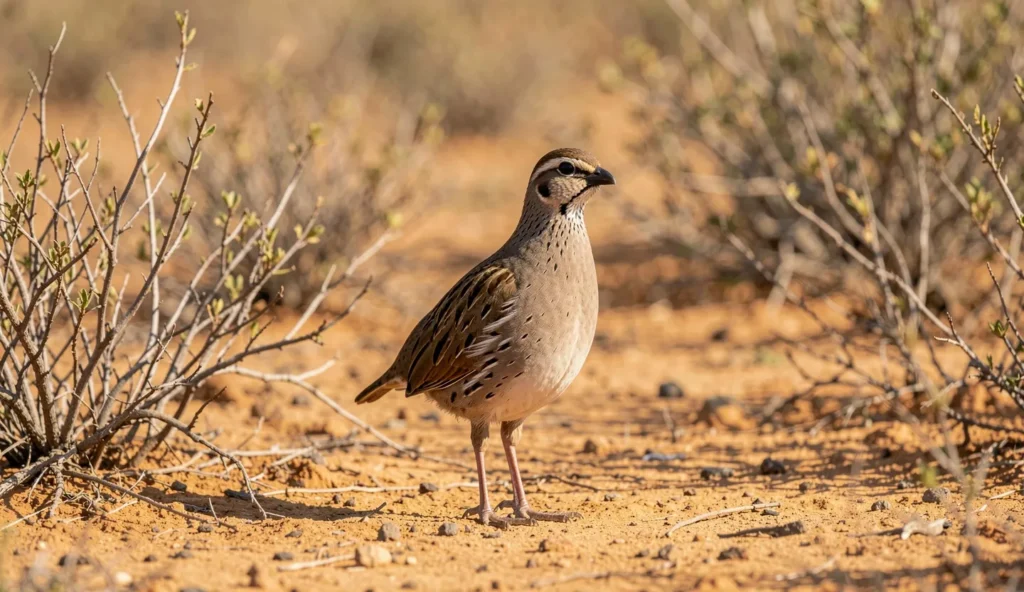
Finsch francolins are small, ground-dwelling birds adapted to foraging in open terrains with scattered cover. Natural habitat features like shrubs and low vegetation influence how the species moves and reacts to nearby birds.
In mixed aviaries, space and ground cover influence calmness, similar to how other floor-foraging species respond to enclosure layout. For reference, the Cape Francolin offers a similar ground-foraging pattern.
Compatibility Goal In a Mixed Aviary
The compatibility goal in a mixed aviary is to reduce competition for food and shelter. It also aims to minimize stress by providing safe retreat space when conflicts appear.
- Reduce competition for food and shelter
- Avoid forcing birds into the same tight foraging spots
- Plan for safe retreat space when stress appears
Temperament Signals That Predict Better Cohabitation
Observing daily behavior helps determine if the Finsch Francolin can share space with other birds in a mixed aviary. Subtle cues from calm foraging to vocalizations indicate compatibility potential.
What Calm Looks Like During Daily Foraging
Calm foraging includes steady walking, normal head movements, and consistent feeding without chase. The absence of frequent chasing or cornering indicates higher coexistence potential.
- Steady walking and normal head movements while foraging
- Low frequency of chasing or cornering
- Resting periods without aggressive posturing
Warning Signs of Conflict To Watch For
Look for indicators that harmony may break down in a mixed flock. Early detection allows preventive actions before injuries occur.
- Persistent blocking of access to feed or water
- Repeated tail flicking and sudden lunging
- Avoidance behaviors like hiding without access to cover
- Feather damage on legs and neck areas
How Pairing Sexes and Group Size Changes Outcomes
Pairing sex and adjusting group size can influence stability in a mixed aviary with Finsch Francolins. Balanced numbers reduce stress and promote predictable foraging routines.
- Stable pair bonds can reduce restless wandering
- Too many birds increases resource competition
- Unbalanced numbers can trigger guarding behavior
How To Set Up a Mixed Aviary So Finsch Francolins Stay Peaceful
Effective enclosure design and careful management support peaceful cohabitation for the Finsch Francolin and other ground birds. Proper planning minimizes stress and encourages natural foraging.
Minimum Space and Ground Cover Requirements
Provide ample ground area for parallel foraging and multiple species. Use naturalistic cover like shrubs and low plants to create microhabitats and escape routes.
- Provide ample ground area for parallel foraging
- Use naturalistic cover like shrubs and low plants
- Add visual barriers to break line of sight during disputes
Partitioning Options When Introducing New Birds
Temporary barriers help ease the first days of mixed housing. Maintain identical feeding routines on both sides to prevent resource competition.
- Use temporary side panels during first contact
- Maintain the same feeding routines on both sides
- Switch to full access only after calm behavior appears
Perches Water Stations and Feeding Layout For Ground Birds
Distribute resources to prevent bottlenecks and encourage natural movement. Ground cover and safe perching heights support different species’ needs.
- Place multiple feed points to reduce guarding
- Provide several water stations to prevent bottlenecks
- Offer ground cover plus safe perching heights for other birds
- Avoid placing all resources in one corner
Bedding Flooring and Parasite Prevention in Shared Space
Keep litter dry and monitor moisture to prevent parasites. Regular rotation of space and a consistent cleaning schedule support overall flock health.
- Keep litter dry and remove wet patches quickly
- Rotate sections if possible for hygiene
- Use a cleaning schedule that matches the busiest birds
- Quarantine new additions before mixing
Which Other Birds Pair Well With Finsch Francolins
Choosing compatible companions involves matching temperament and ecological niches. Practical pairings focus on calm, ground-dwelling foragers that share resources without guarding behavior.
Best Matches Among Non Aggressive Ground Birds
Look for species that are non-territorial and forage independently. This approach minimizes direct competition and reduces stress during meals.
- Choose birds that share ground habitat without aggressive guarding
- Prefer species that forage more independently
- Match activity levels to reduce sudden crowding
Bird Community Planning For Different Foraging Styles
Plan for diversified foraging by separating birds that rely on the same exact food items. Stagger feeding times and provide micro habitats to prevent bottlenecks.
- Separate birds that rely on the same exact food items
- Encourage staggered feeding times if needed
- Provide multiple micro habitats within the same aviary
Examples of Coexisting Species Types To Consider
Consider smaller, calmer ground foragers and birds that stay largely in mid-ground zones. Trial introductions with similarly sized species after careful observation.
- Smaller, calmer ground foragers with non territorial tendencies
- Dove like birds that stay mostly in mid ground zones
- Similar sized quail like birds only after cautious trials
Which Birds To Avoid For Safer Finsch Francolin Cohabitation
Avoid species that increase competition, aggression, or injury risk in shared housing. Knowing potential incompatibilities helps prevent stress and harm.
Aggressive or Resource Guarding Species
- Avoid birds that chase persistently
- Avoid species that claim feed or water zones
- Avoid heavy dominant behavior toward smaller ground birds
Much Larger Birds That Can Injure by Accident
- Size differences increase injury risk
- Bigger birds can block movement and cause stress
- Avoid shared space during peak feeding competition
Highly Territorial Breeding Pairs in the Same Area
- Breeding season increases defensive behavior
- Courtship can trigger chasing between species
- Plan nesting areas far apart or use seasonal partitions
How To Introduce New Birds Without Starting a Fight
Quarantine and Health Checks Before Mixing
- quarant ine new birds before any shared housing
- Observe droppings, appetite, and breathing for changes
- Check feet and legs for injury or mites
First Contact Through Visual Contact and Controlled Access
- Start with side by side exposure without physical contact
- Offer identical feed and water routines
- Watch for posturing and blocking behavior
Daily Monitoring Checklist During the First Two Weeks
- Record feeding order and any bird that dominates
- Check for injuries and feather damage after peak activity
- Confirm all birds can reach cover and water easily
- Remove one bird immediately if serious chasing starts
What To Do If Conflict Starts
- Separate birds using partitions without prolonged stress
- Adjust resource count before reintroductions
- Reposition feed and water so no single corner controls access
Starter Checklist for a Peaceful Mixed Aviary With Finsch Francolins
- Confirm non aggressive personality of every candidate species
- Plan multiple feeding stations across the enclosure
- Add dense ground cover and escape routes
- Create a partition plan for staged introductions
- Quarantine all newcomers and verify health first
Ongoing Maintenance Routines
- Use consistent feeding times to reduce competition surprises
- Provide fresh water in more than one location
- Remove wet bedding to limit parasites
- Watch early mornings for chasing after light changes
Is Finsch Francolin Right for a Mixed Bird Community
Best Fit for Keepers Who Can Plan Resources and Space
- Works best with calm, non aggressive ground birds
- Benefits from multiple feed and water points
- Needs cover and retreat routes to prevent stress spirals
When Solo Housing or Temporary Partitions Are the Safer Option
- Persistent chasing means incompatibility regardless of setup
- Breeding season can require separation for peace
- Injury history is a strong reason to stop mixing
Final Note
A careful, staged approach helps maintain harmony in a mixed aviary and protects both the Finsch Francolin and its companions.
Frequently Asked Questions
Are Finsch francolins peaceful with other birds?
Finsch francolins are generally peaceful with other non aggressive ground birds.
What birds are safest to mix with Finsch francolins?
Choose calm ground foragers that do not guard feed or water.
How should mixed aviary feeding be arranged for Finsch francolins?
Use multiple feeding stations so no single corner becomes a conflict point.
How long should birds be introduced before full cohabitation?
Start with visual contact and only expand access after consistent calm behavior.
What signs mean the mixed birds need to be separated?
Repeated chasing, blocked access to water, and visible injury require separation.