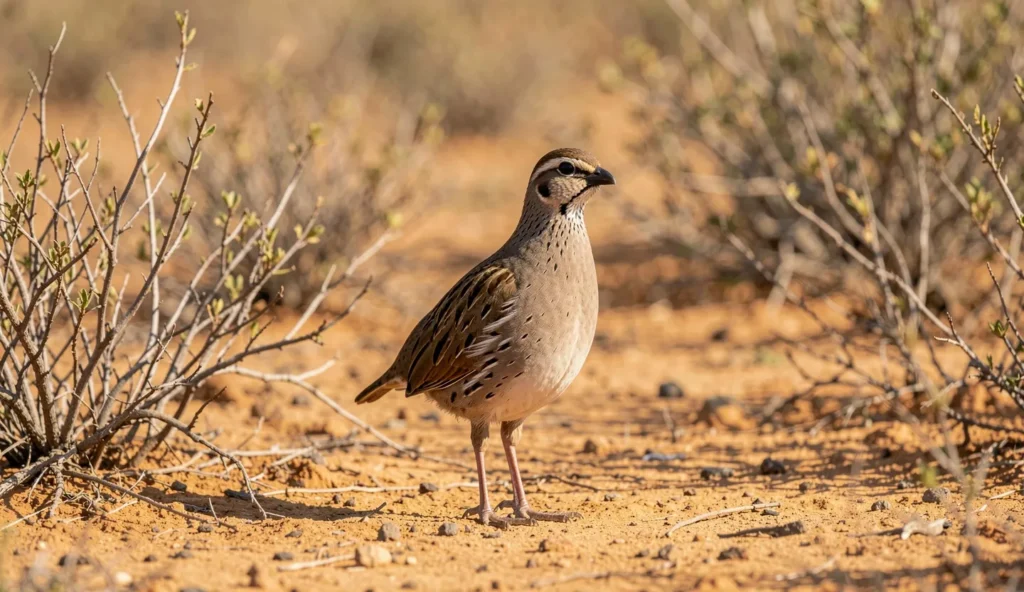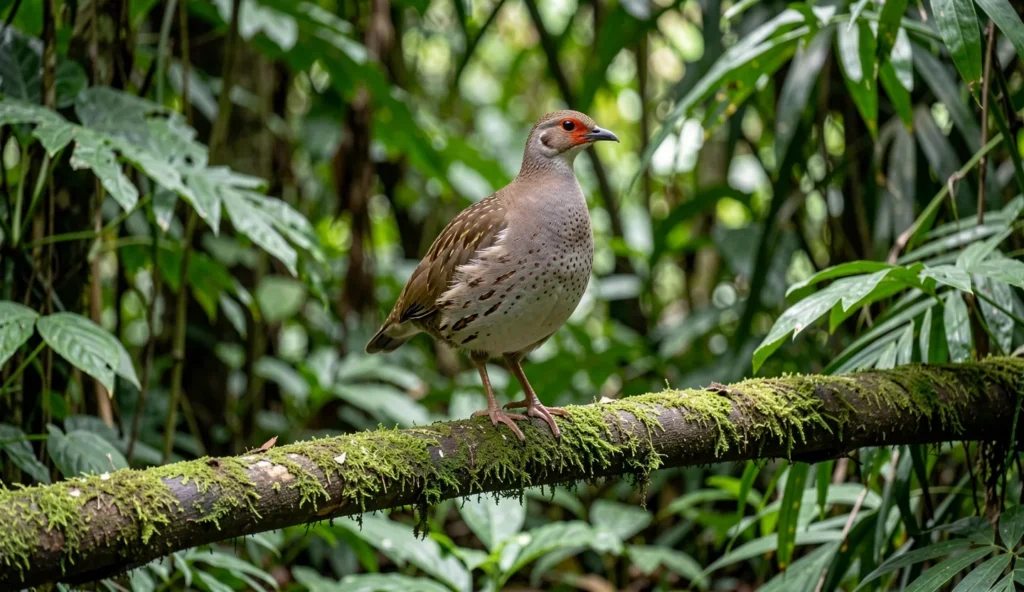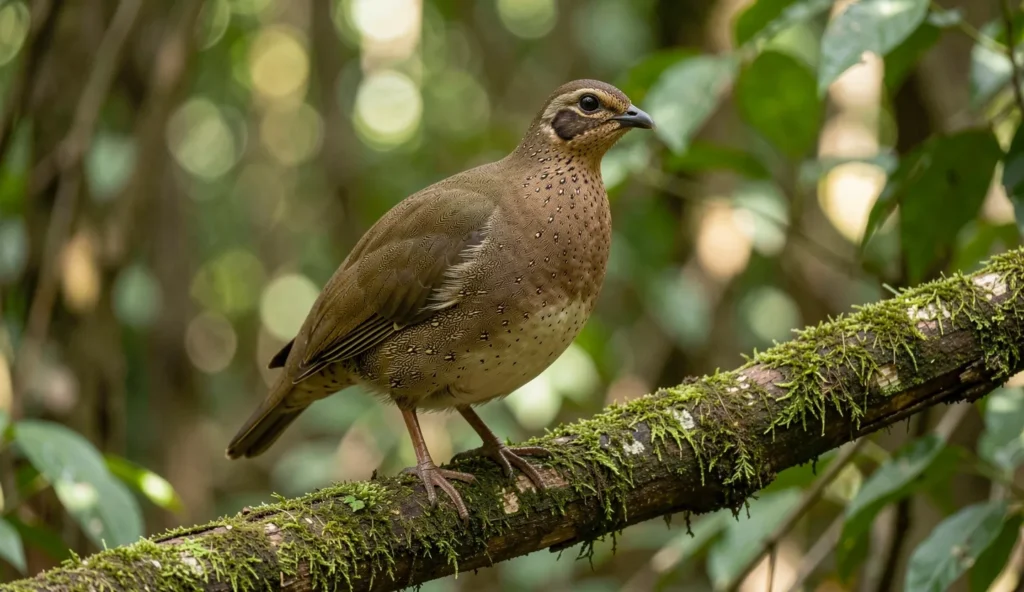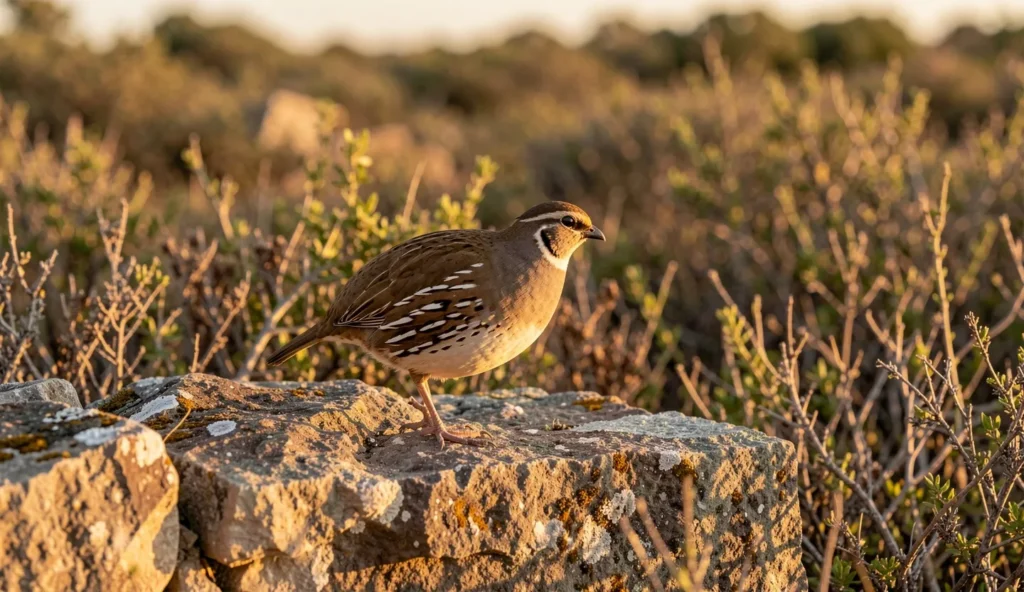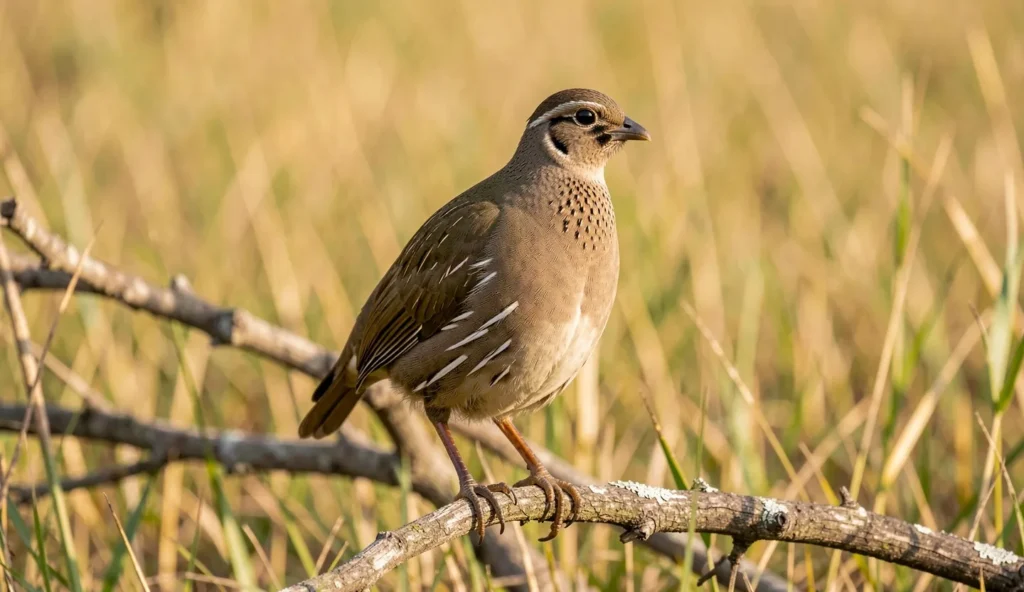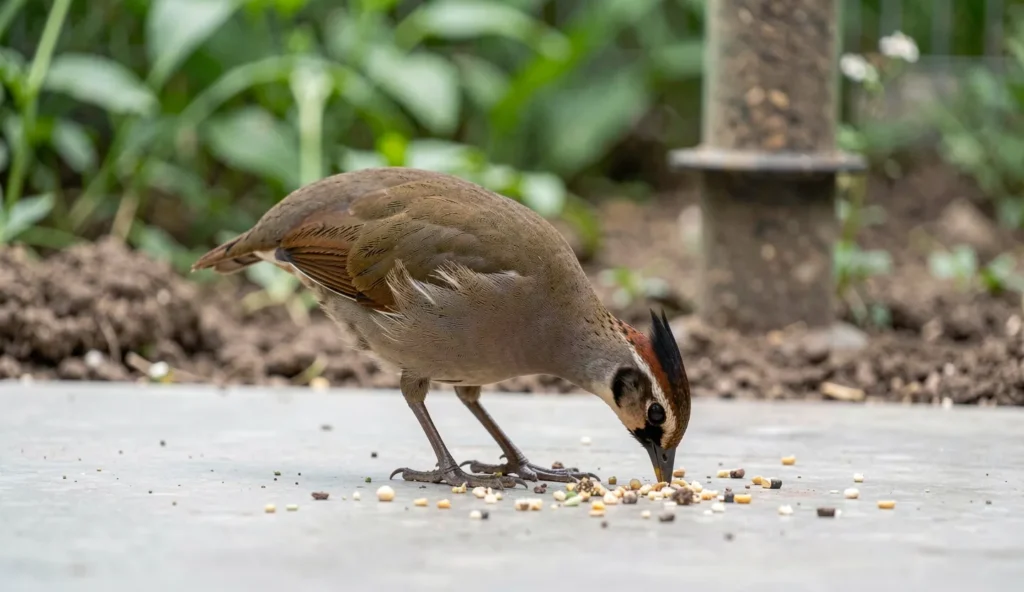
What Is a Chestnut-Naped Francolin
The Chestnut-Naped Francolin is a ground-feeding game bird kept by breeders for its active foraging and steady pairing behavior. It comes from parts of Africa and typically thrives when diet planning matches natural food variety.
Because breeding puts higher demands on muscle, follicles, and egg formation, nutrition must stay consistent through pre breeding and active laying. This is where targeted chestnut-naped francolin breeding food supports fertility and chick viability.
Natural Diet and Feeding Behavior
In the wild, the Chestnut-Naped Francolin feeds on seeds, small insects, and greens found on the ground. Birds usually forage in short bursts, then pause to scan and peck again.
That pace matters for feeder setup because fast access reduces competition and supports stable intake. Variety also helps keep gut function steady when appetite shifts during breeding.
Why Nutrition Affects Fertility and Egg Quality
Egg formation requires amino acids, fats, and minerals that come directly from daily intake. Protein supports follicle development, while calcium supports shell formation and muscle function for brooding.
When nutrition is trimmed or inconsistent, fertility can drop even if eggs still appear. For breeders, nutrition becomes a practical tool for egg strength and later chick growth.
Appearance and Physical Traits That Matter for Breeding Management
Breeding success often starts with body condition rather than the calendar date. For the Chestnut-Naped Francolin, visible cues help set the right balance of energy, protein, and fertility minerals.
Diet adjustments work best when birds enter pre breeding in a healthy range. Then fertility-focused feeding can proceed without creating weight swings that complicate egg laying.
Body Condition Scoring for Breeding Readiness
To assess readiness, check breast muscle coverage and the amount of fat over the keel area. A bird with too little muscle often looks sharp and may feel lighter than expected.
Underweight birds may need more energy and protein before calcium increases. Overweight birds may require controlled energy intake so fertility stays supported without excess body fat.
Signs of Nutritional Stress to Watch For
Reduced appetite and low activity can show up early when nutrition fails to meet demand. Feather dullness or poor coat quality can also reflect mineral imbalance.
If weakness persists, diet changes alone may not solve the problem. A veterinarian check becomes necessary to protect fertility and prevent hidden illness from masking nutrition gaps.
Housing Essentials for Feeding and Breeding Diet Success
Even the best chestnut-naped francolin breeding food plan can fail if birds cannot eat consistently. Housing setup should reduce fighting, spoilage, and missed meals.
Good feeding design also protects fertility because stable intake supports regular egg development. With the right environment, meal timing and nutrition delivery become easier to manage.
Feeding Stations That Reduce Competition
Use multiple feeders so dominant birds do not block access to protein items and calcium sources. Separate wet greens from dry feed to reduce spoilage and prevent mold exposure.
Place water and grit in fixed, easily reachable spots. This helps maintain normal feeding rhythm even when paired birds spend more time near nesting areas.
For breeders comparing feeding strategies across francolins, Red-Necked Francolin diet guidance can clarify how ground-foraging species benefit from routine and variety.
Light, Temperature, and Meal Timing
Stable conditions support consistent eating, which keeps protein and calcium intake predictable. Feed at consistent times to match how birds settle and forage during the day.
If birds eat less, quantity should adjust after checking for stress, temperature changes, or spoiled greens. This kind of monitoring supports nutrition without accidental underfeeding during the breeding window.
Breeding Diet Plan With Higher Protein and Calcium
A breeding diet for the Chestnut-Naped Francolin should raise protein and calcium before and during egg formation. The goal is fertility support through the full cycle of follicle development, egg shell building, and later chick feeding readiness.
Diet planning works best when chestnut-naped francolin breeding food uses a foundation base plus targeted additions. Then breeders can track results by appetite, body condition, and egg appearance.
Pre Breeding Conditioning Window
Nutrition should shift several weeks before breeding begins. Protein increases work best when they rise gradually rather than suddenly.
Calcium emphasis should start early so birds build body reserves. This approach reduces the risk of weak shells when egg production accelerates.
Breeders managing other francolin species can adapt similar timing ideas from Cape Francolin diet in captivity, which highlights how feeding structure supports stable intake during reproductive periods.
Breeding Season Meal Composition
During breeding, protein should come from insect-based foods and high-quality breeder pellets or formulated poultry feeds. Calcium sources should appear regularly once pairing and laying start.
Energy needs should stay balanced so birds remain fertile without becoming overweight. Overweight birds often show reduced movement, which can lower feeding drive and complicate egg laying schedules.
For storage and timing considerations that reduce intake drops, Natal Francolin housing for cold climates offers a reminder that temperature affects how much birds eat.
Recommended Feeding Items for Chestnut Naped Francolin
Use a quality pellet or seed base as the daily foundation for nutrition. Then add high-density protein and minerals to meet fertility demands.
- Quality pellets or a balanced breeder seed mix as the base
- Insects or insect meal to raise protein density
- Leafy greens for micronutrients and moisture support
- Sprouted seeds for variety and easy digestion
- Calcium supplement added to food or grit schedule as advised
When calcium is delivered through multiple routes, shell quality typically stays more consistent. The same consistency supports chick readiness because nutrient reserves influence egg contents.
Calcium Timing for Shell Quality
Calcium should support consistent intake through the day rather than a single large dose. Many breeders space calcium so laying birds can consume it alongside normal meals.
Once egg production begins, calcium focus should increase. Over-supplementing should be avoided because mineral imbalance can create its own fertility and health issues.
Closely related temperament and handling factors can affect feeding, so pairing routines should also stay predictable, similar to the approach in Crested Francolin temperament and training.
How Much to Feed and How Often
Feeding amounts determine whether nutrition targets reach the birds that matter most during breeding. For the Chestnut-Naped Francolin, portion control should follow body condition trends rather than guesswork.
As egg formation progresses, many birds naturally eat more, so plans must adapt without sudden changes. Careful monitoring also helps detect fertility issues earlier.
Portion Control by Body Condition
Portions should adjust based on weight trends and visible condition. Breeding birds may increase intake during egg formation, so standard maintenance amounts may fall short.
Keeping simple records supports fast corrections when appetite shifts. Then protein and calcium can be refined before egg quality declines.
Food Freshness and Storage Rules
Fresh greens should be offered and leftovers removed promptly. Dry feed should stay sealed to prevent spoilage and moisture exposure.
Wet, stale, or moldy feed should be avoided because digestive stress can reduce fertility performance. This step protects nutrition consistency and supports stable chick outcomes.
Common Health Issues Related to Nutrition
Nutrition-linked problems can show up as laying changes, appetite shifts, or late reproductive delays. Breeders can reduce risk by watching for patterns connected to chestnut-naped francolin breeding food and overall nutrition delivery.
When issues appear, diet changes should be paired with a health review. Fertility often fails when an underlying condition goes unchecked.
Calcium Deficiency and Egg Laying Problems
Low calcium can lead to weak shells and irregular egg laying patterns. Some birds may show delays or produce eggs that look abnormal.
If egg appearance suggests a shell issue, calcium delivery should be reviewed first. Then the rest of the mineral balance and grit schedule should be checked for completeness.
Low Protein Intake and Reduced Fertility
Adequate protein supports follicle development and helps chicks remain viable after hatching. When protein intake runs low, fertility can decline even if birds still attempt mating.
Low chick viability often links back to parental nutrition that does not meet egg content requirements. Correcting protein levels before reattempting breeding typically improves outcomes.
Vitamin and Mineral Gaps That Show Up Late
Some deficiencies appear after weeks of breeding pressure rather than immediately. Gradual diet changes help reduce stress, and sudden shifts can trigger reduced intake.
If symptoms persist despite diet adjustments, a veterinary check becomes the safest next step. This protects fertility and helps identify causes beyond nutrition.
Starter Checklist for New Breeders
A practical checklist helps breeders execute a chestnut-naped francolin breeding diet without missing critical nutrition steps. The items below focus on higher protein and increased calcium before breeding and during egg laying.
Using the checklist weekly also supports better record keeping for fertility, egg quality, and chick readiness.
Daily Feeding Checklist During Pre Breeding
- Confirm portion sizes match each bird’s body condition
- Include a protein source every day through insects or pellets
- Provide greens most days and rotate varieties
- Follow the calcium plan according to the schedule
- Keep water and grit in the same accessible locations
Weekly Breeding Diet Checklist
- Track appetite and note any early intake drops
- Body condition score birds once per week
- Weigh birds only if scales are consistent
- Remove spoiled greens and verify feed freshness
- Adjust protein and calcium if condition shifts
Feeding Consistency Supports Healthy Breeding Outcomes
Steady nutrition supports fertility because egg formation depends on daily inputs. When protein and calcium stay well timed, the Chestnut-Naped Francolin breeding cycle tends to run more predictably.
Frequently Asked Questions
How Far Ahead Should Calcium Increase Start Before Breeding for Chestnut-Naped Francolin?
Increase calcium several weeks before breeding begins.
What Protein Sources Work Best as Chestnut-Naped Francolin Breeding Food?
Use insect-based foods and high-quality breeder pellets.
How Often Should Greens and Sprouts Be Offered During the Breeding Diet?
Offer greens most days and use sprouts in moderate amounts.
How Can Breeders Tell If the Diet Is Supporting Fertility?
Track steady appetite, regular laying, and normal egg appearance.
Can Too Much Calcium Cause Problems During Egg Laying?
Avoid over-supplementing and follow label dosing guidance.
Final Note
Consistent feeding and careful adjustment of nutrition supports reliable breeding outcomes for the Chestnut-Naped Francolin.