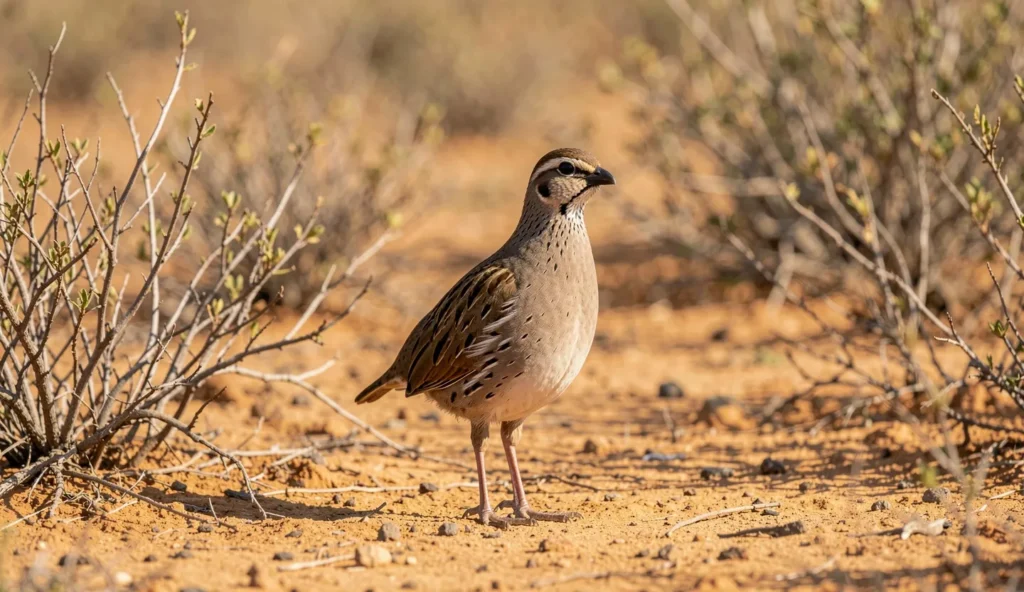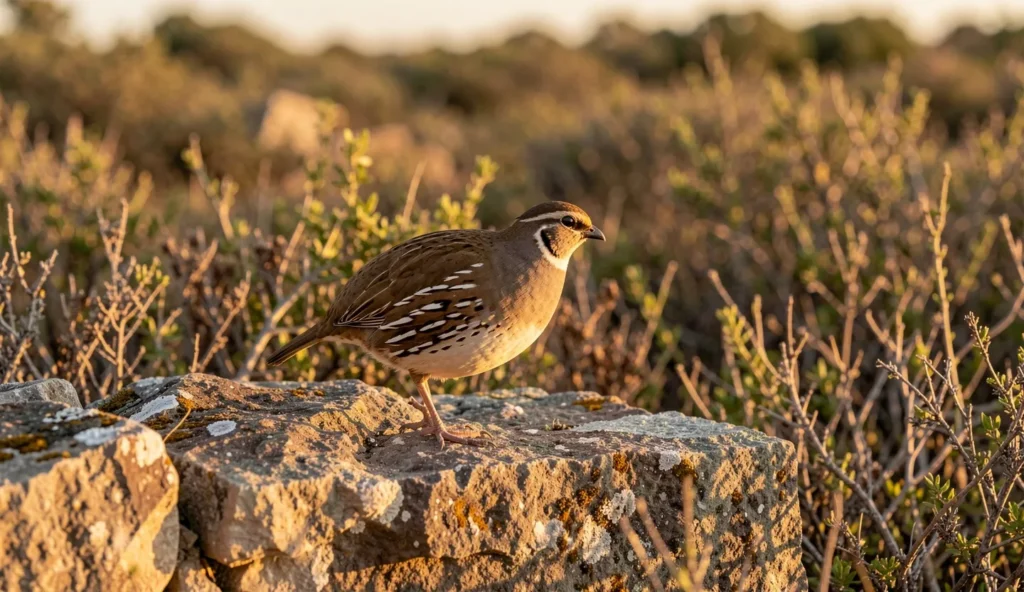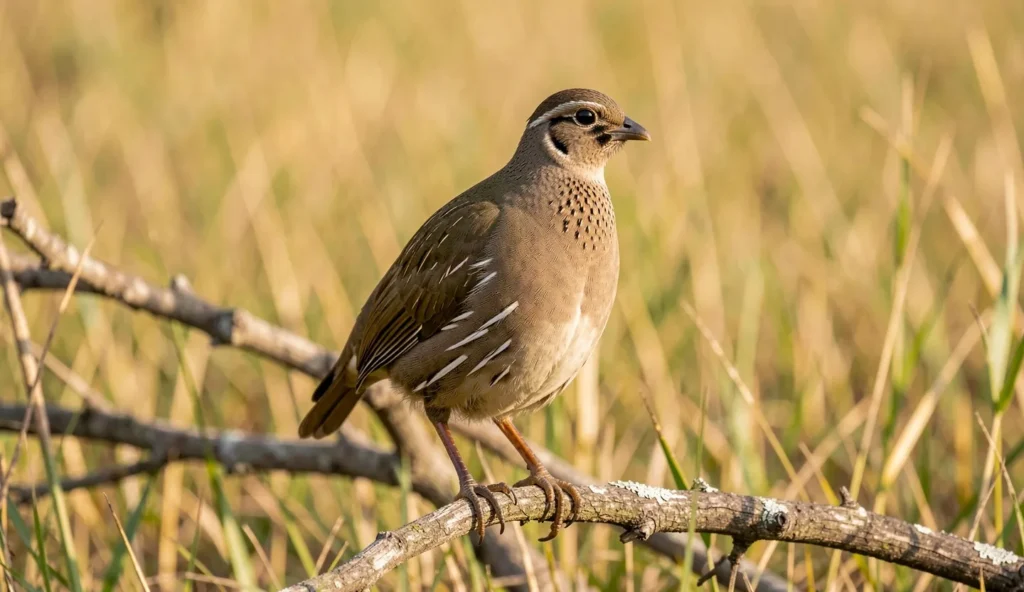
What Is a Dusky Francolin
The Dusky Francolin is a ground-dwelling game bird kept in aviaries, where winter challenges often come from dampness and drafts. In cold weather, the bird’s comfort depends more on dryness and shelter quality than on air temperature alone.
Winter stress usually starts quietly, then becomes obvious through reduced movement and appetite changes. Owners in cold climates can prevent many problems by adjusting winter shelter, cold care routines, and feeding schedules.
Origin And Typical Habitat
Dusky Francolin birds come from regions where they use ground cover and natural shelter from weather exposure. Because they spend time on the ground, they need a winter setup that protects feet and feathers from wet surfaces.
Protective cover helps them stay calm, so a similar approach works in captivity. A winter shelter should reduce direct wind and limit moisture that collects on bedding.
Winter Risks To Watch For
Cold stress often worsens when bedding stays wet, since damp bedding pulls heat away from the bird’s body. Drafty shelters can also chill birds even when temperatures seem only moderately cold.
Reduced appetite commonly follows cold exposure, and this lowers energy availability for normal immune function. When appetite drops, a winter diet for francolins plan should focus on stable portions and safe food choices.
Winter Housing Essentials For Cold Weather
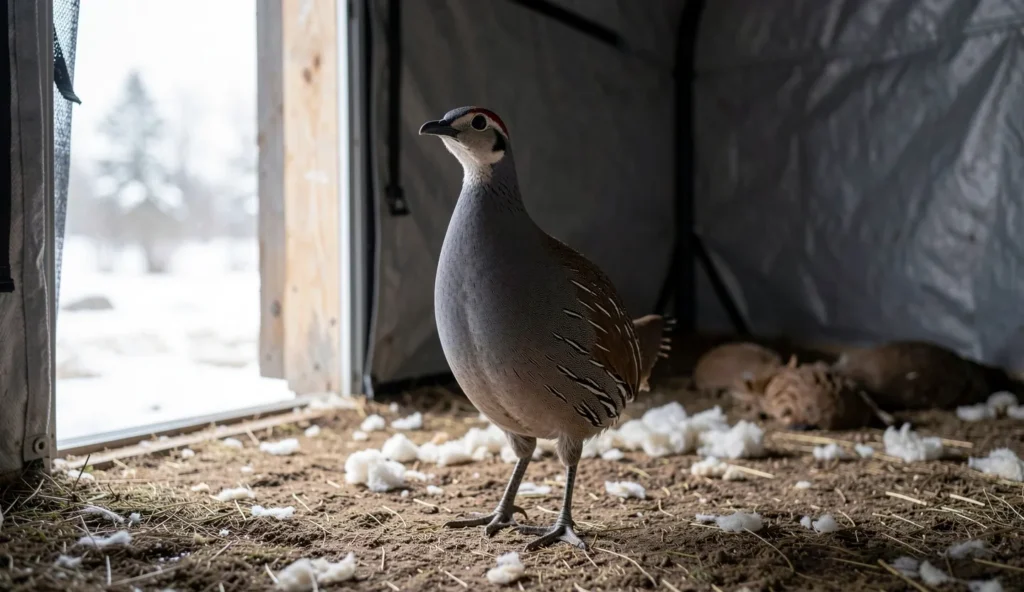
Winter shelter design determines how well dusky francolin winter conditions stay safe and dry. A winter shelter should prioritize insulation for birds and moisture control before adding any heating.
When outdoor aviary winter setups include proper airflow and controlled warmth, birds usually remain active enough to eat and move. This balance reduces the risk of damp buildup and stress behavior.
Dry Insulated Shelter Requirements
Use insulation to reduce heat loss through shelter walls, then keep the floor dry using absorbent bedding. Avoid puddles and wet corners inside the shelter because they quickly lead to chilled, irritated skin.
Regular spot cleaning also matters, since wet bedding can become colder than the surrounding air. For owners comparing setups, reviewing Natal Francolin housing notes can help reinforce why dryness and wind control matter across ground birds.
Ventilation Without Drafts
Airflow prevents damp buildup, which helps reduce irritation and respiratory strain. Vents should move air through the shelter rather than blow directly toward roosting birds.
Windbreaks placed around the shelter can reduce outside gusts without stopping ventilation. This approach supports cold care by keeping bedding drier and helping maintain consistent indoor air.
A Safe Floor And Bedding Setup
Choose bedding that absorbs moisture and allows spot cleaning without spreading dampness. If ground moisture reaches the shelter, elevate the floor slightly so bedding does not become soaked from below.
Remove wet bedding quickly to prevent chilling, since wet patches can cool the bird during rest. Many keepers find it easier when a predictable cleaning schedule supports insulation for birds and stable comfort.
How To Manage Shelter Access And Roosting Space
Ensure easy access to the warm, dry area at all times, especially during early evening. Provide enough space so birds do not pile into one corner where drafts and wet bedding can concentrate.
Keep feeding and watering stations away from the coldest drafts to reduce chilling after eating. When behavior shows birds clustering, adjusting space and placement can improve conditions.
Heating Tips That Keep Dusky Francolin Safe
Heating should support cold care, not replace insulation and dry bedding. With stable shelter temperatures, dusky francolin winter heating can remain limited and controlled.
Heating also requires safe placement to avoid overheating or burns. A smart heating plan reduces risk while supporting normal eating and rest.
When Heating Is Actually Needed
Heating may be needed during prolonged cold or high wind exposure when dryness and insulation cannot fully maintain comfort. Focus first on keeping bedding dry and draft-free, then add heating only if birds show persistent chilling behavior.
Avoid using heat to compensate for wet bedding because dampness and warm air together can increase respiratory stress. Owners can cross-check winter readiness by reviewing Clapperton Francolin winter stability tips for general hardy bird principles.
Heating Placement And Temperature Targets
Place heaters so birds can move away easily, since escape space prevents overheating. Avoid direct radiant heat onto perches and bedding, which can create hot spots and dry out surfaces too quickly.
Maintain stable warmth rather than large temperature swings. Sudden swings can disturb rest, while steady conditions support normal appetite and calm behavior.
Safe Heating Methods To Consider
Use thermostatic controls to reduce overheating risk and help keep heat levels consistent. Choose equipment designed for animal enclosures and rated for safe indoor placement.
Route cords safely to prevent pecking and chewing, since damage can cause dangerous failures. Many owners also benefit from staged heating, such as keeping one shelter zone warmer instead of heating the entire aviary.
Fire And Burn Prevention Checks
Inspect heaters and wiring regularly for damage, loose connections, and signs of wear. Keep flammable bedding far from heat sources and check that bedding cannot shift onto a heater surface.
Confirm ventilation fans or vents do not blow directly on birds, since direct airflow can chill bodies during rest. These checks protect both animal safety and heating reliability during outdoor aviary winter conditions.
Feeding And Water In Dusky Francolin Winter Care
Winter diet for francolins should support energy needs while keeping digestion stable in colder conditions. Cold air can increase energy demands, so food intake changes often appear as winter progresses.
Water access also affects appetite, since dehydration can reduce feeding behavior. Owners should combine feeding adjustments with careful hydration management during dusky francolin winter care.
Winter Diet Basics
Provide a balanced base diet appropriate for francolins and keep portions consistent with observed intake. If appetite drops, slightly higher-energy options can support warmth and daily activity.
Food changes should stay gradual, because sudden swaps can cause refusals or digestive upset. When owners need a reference point for feeding routines, the Red-Necked Francolin diet breakdown can help clarify common cold-season feeding logic.
Foods To Emphasize In Cold Weather
Use quality grains and formulated pellets as the foundation because they provide stable nutrition. Include safe protein sources in moderation if the diet plan allows, since proteins support tissue maintenance during colder weeks.
Avoid sudden diet changes during the coldest periods, even when weight loss appears. Instead, adjust within the established food framework and monitor droppings and behavior.
Water That Stays Drinkable
Check water frequently to prevent freezing and ensure drinking stays easy. In cold climates, use a safe heated waterer so water remains drinkable without over-wetting bedding.
Prevent water spills that wet bedding, because wet bedding then becomes a chilling risk. Good drainage under water stations helps reduce damp patches.
Hygiene Around Feeding Areas
Remove uneaten food promptly to reduce spoilage and odor issues. Clean feeders regularly so they stay dry and non-caked, since damp feed can lead to refusal.
Disinfect only with safe, properly rinsed methods, and avoid leaving chemical residue near birds. Clean feeding zones support stable intake, even when temperatures drop overnight.
Daily Cold Weather Care Checklist
A short daily routine reduces winter surprises and supports steady comfort. This checklist helps owners manage dusky francolin winter needs without relying on guesswork.
With consistent checks, heating problems, wet bedding, and water freezing can be caught early. That timing often determines whether minor issues become urgent.
Morning Checks
Check bedding dryness and remove wet patches before birds begin peak activity. Confirm heating equipment works safely if it is used, and verify water is thawed and clean.
Midday Checks
Check ventilation openings for airflow and draft levels, since ventilation that shifts can create cold points. Look for birds seeking heat or acting unusually quiet, then spot clean the shelter floor if spills occur.
Evening Checks
Ensure shelter doors and gaps stay secure from wind that can reach into bedding areas. Confirm feeders are not overflowing or left wet, and reduce disturbances close to dark so birds rest.
Common Health Problems During Dusky Francolin Winter
Winter health issues often follow cold exposure, damp bedding, or unsafe heating. When owners learn early warning patterns, avian winter health improves because treatment and adjustments happen sooner.
These issues typically relate to breathing changes, lethargy, and reduced eating. Owners should respond promptly when behavior shifts, since mild signs can worsen in cold and damp environments.
Signs Of Cold Stress And Chilling
Watch for fluffed posture and reduced movement, especially if birds hesitate to move toward food. Decreased eating or reluctance to leave the shelter can also signal discomfort.
Monitor breathing effort and overall alertness since stress can change how birds respond to routine. When these signs appear, immediate changes to dryness and draft control are usually the first step.
Respiratory Issues Related To Damp Conditions
Wet bedding increases dampness and irritates airways, which can lead to breathing discomfort. Drafty shelters can worsen respiratory irritation by chilling mucous membranes during rest.
Keeping bedding dry reduces these risks, which is why insulation for birds must pair with cleaning. If dampness keeps returning, the shelter design likely needs adjustment.
When To Contact An Avian Vet
Contact an avian vet if appetite drops for more than a day or if birds show persistent lethargy. Breathing changes that do not improve after shelter corrections also require professional advice.
Injuries and infections should receive timely winter care because cold conditions slow healing. Prompt treatment helps prevent complications during outdoor aviary winter seasons.
Preventive Measures That Reduce Winter Emergencies
Prioritize dry insulation over heavy heating, since dryness removes the main driver of many winter problems. Keep water from freezing without over-wetting areas, and follow a consistent cleaning schedule.
When winter shelter access works smoothly and heating remains safe, emergencies become less likely. This approach supports stable routines and reduces stress on the flock.
Is Winter Care For Dusky Francolin Manageable In Your Setup
Winter care stays manageable when shelter conditions remain dry, insulated, and draft-controlled. A quick self-check helps confirm readiness for dusky francolin winter demands.
If the shelter can keep bedding dry, provide gentle ventilation, and maintain safe heating when needed, owners can plan with confidence. Consistent water access also matters for stable appetite and comfort.
FAQs: Dusky Francolin Winter Care
How Cold Is Too Cold For a Dusky Francolin?
Cold becomes unsafe when birds show chilling signs and stop eating normally, so insulated, draft-free dryness should be prioritized first.
Should The Shelter Be Heated In Winter For Dusky Francolin?
Heat is usually secondary to insulation and keeping bedding dry, and any heating should use thermostatic control with safe placement so birds can move away.
What Bedding Works Best During Dusky Francolin Winter Care?
Choose bedding that absorbs moisture and stays dry with spot cleaning, and remove wet bedding immediately to reduce chilling risk.
How Can Water Be Kept From Freezing Safely?
Check water often and use a safe heated waterer when temperatures freeze, then fix spills quickly to prevent damp bedding.
Do Dusky Francolin Need Special Feeding Changes During Winter?
Keep a balanced base diet and adjust only if appetite drops, and avoid sudden diet changes during the coldest periods.
What Are The First Signs Of Cold Stress In Dusky Francolin?
Fluffed posture, reduced movement, and decreased appetite are early signs, and breathing changes or persistent lethargy require veterinary advice.
Getting Winter Setup Right For Dry Comfort
Dry, insulated shelter with safe heating support gives the Dusky Francolin the best chance to stay comfortable through cold weeks. With steady routines and early checks, winter care stays practical and effective.