What Koi Fish Are And Why Pond Setup Matters
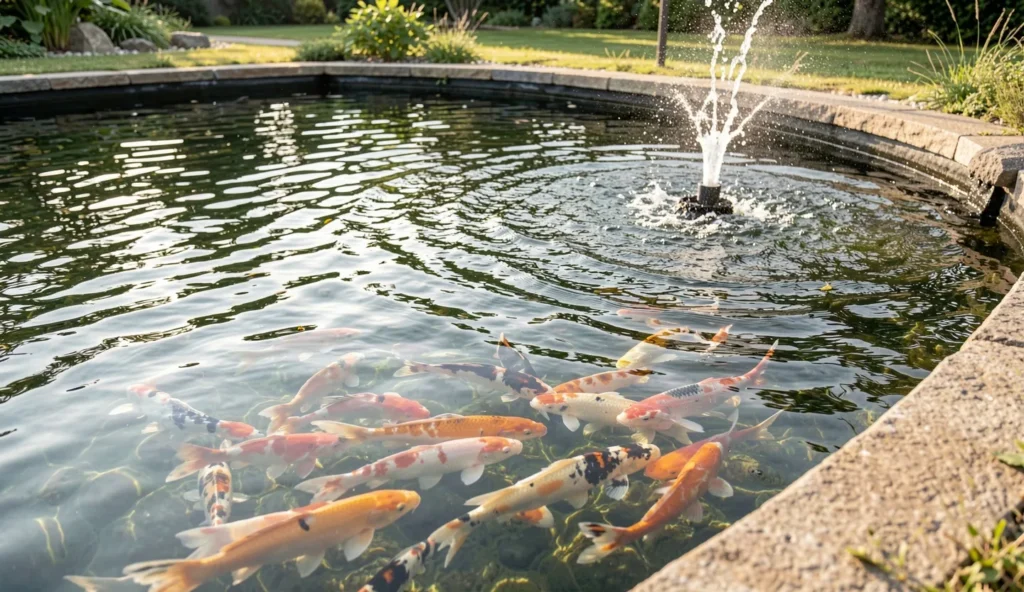
Koi fish are domesticated carp kept in outdoor ponds for long-term size, strong color, and stable behavior. A reliable pond setup supports koi care by protecting water quality under heavy waste loads.
Because koi live for many years, early design decisions affect health far beyond the first season. Therefore, pond setup should match the expected adult koi size, filtration capacity, and seasonal swings.
Koi Fish Origins And Common Pond Expectations
Koi fish come from common carp lines that people selected for color and pattern. In practice, koi grow larger than most first-time owners expect.
They also produce heavy waste, so water can change quickly without strong biological filtration. As a result, koi care depends more on stable water quality than short-term appearance.
Key Factors For A Successful Koi Pond
Pond depth helps temperature stability and reduces stress during warm days and cool nights. In addition, filtration controls ammonia, nitrite, and nitrate through a properly cycled biofilter.
Seasonal care also matters because koi metabolism changes with temperature. When spring, summer, fall, and winter adjustments match pond conditions, outdoor fish often stay active and healthy.
For readers expanding beyond koi fish, goldfish breeds also show how stocking choices impact water quality and maintenance needs. That comparison helps clarify how filtration must handle waste, not just look clear.
How Deep Should A Koi Pond Be
Choosing pond depth directly affects temperature stability, oxygen levels, and stress. For koi fish, deeper water usually means fewer sharp changes that can disrupt koi.
Water depth also influences how stable dissolved oxygen stays at different times of day. Therefore, pond setup should prioritize depth before adding decorative features.
Minimum Depth And Why It Helps
Deeper ponds resist fast temperature swings from sunlight and cold air. A stable temperature helps koi fish reduce stress and maintain normal feeding.
Depth can also support steadier dissolved oxygen levels when combined with good filtration and aeration. With that stability, beneficial bacteria tend to work more consistently.
Bottom Design And Space For Growth
Bottom design should avoid sharp corners where debris collects and decays. Smooth flow paths support circulation so waste moves toward the filtration system.
Pond setup should also plan for adult koi size when calculating volume. When the pond volume matches expected growth, koi care stays manageable longer.
Some pond owners compare water-management basics with betta fish care, since both depend on oxygen and stability. That parallel reinforces why water quality targets matter more than visible movement.
Pond Size Planning Based On Stocking
Stocking limits depend on filtration capacity and feeding rate, not only the pond footprint. Overcrowding increases ammonia and triggers repeated stress for koi fish.
A practical approach uses total water volume and expected feeding to estimate capacity. Then, biological filtration is sized to handle the waste load through cycling.
What Water Quality Targets Keep Koi Fish Healthy
Water quality drives koi care more than any single accessory. For koi fish, reliable filtration and testing keep ammonia near zero and prevent nitrite buildup.
Even when pond setup looks clean, toxins can rise quickly after overfeeding or after changes in filtration performance. Therefore, water quality targets should guide daily decisions.
Cycling Basics And The Role Of Beneficial Bacteria
Cycling converts toxic ammonia into less harmful forms through beneficial bacteria. Once the biofilter is stable, it can process heavy koi waste more safely.
Established biofiltration reduces spikes after feeding, which helps koi fish stay calm. To avoid setbacks, koi should not be added before the filter completes cycling.
Ammonia, Nitrite, And Nitrate Levels To Monitor
Ammonia should remain controlled to near zero because even small amounts can burn sensitive gill tissue. Nitrite must be eliminated because bacteria should convert it onward.
Nitrate is often tolerated in moderation, but it should still be managed with water changes. If nitrate rises fast, filtration and pond setup capacity may need adjustment.
Outdoor fish keepers sometimes compare nitrate tolerance across species, such as with goldfish breeds. That broader knowledge can help owners understand why long-term water quality still needs control.
pH, KH, And Dissolved Oxygen Requirements
pH stability reduces stress and supports filtration bacteria. KH acts as a buffer so pH does not swing after water changes or when additives enter the pond.
Dissolved oxygen stays higher with aeration and circulation. When oxygen drops, koi fish may reduce activity, which can also affect how food and waste behave.
Testing Schedule For Ongoing Koi Care
Testing should start more often during new pond setup to confirm stable cycling. Then testing can shift to a regular schedule based on feeding and season.
Tests should also increase after weather changes or equipment adjustments. Over time, trend tracking supports quicker fixes without reacting to a single reading.
Filtration And Aeration Setup For Pond Setup Success
Filtration and aeration keep koi fish water safe by managing solids and converting waste. In a working pond setup, both mechanical and biological filtration should run continuously.
When flow placement and aeration support oxygen, beneficial bacteria can process waste more effectively. Therefore, filtration sizing and placement deserve careful planning.
Choose Mechanical Filtration To Control Waste
Mechanical filtration removes suspended solids and organics before they break down into more toxins. Filters should run with enough flow to prevent clogging and reduce stress on koi.
Cleaning should follow a schedule to keep water moving through the system. Debris control also supports oxygen stability because decaying waste consumes oxygen.
Use Biological Filtration For Koi Waste Conversion
Biological filtration uses media to support bacteria that convert ammonia into less harmful compounds. More stable biofiltration reduces recurring ammonia and nitrite rises after feeding.
During routine maintenance, media disruption should be avoided as much as possible. If biofilters are cleaned too aggressively, koi care often gets harder.
A similar maintenance principle appears in betta fish care, where consistent water stability matters. While setups differ, both show why biological processes should not be interrupted.
Consider Additional Stages For Water Clarity
Optional polishing can reduce cloudiness caused by fine particles. UV can also help manage suspended algae depending on the pond design and sunlight exposure.
However, add-ons should come after core filtration is stable. When filtration is not stable, koi fish water problems usually return quickly.
Aeration And Surface Movement Basics
Aeration improves dissolved oxygen for koi and beneficial bacteria. Surface agitation increases gas exchange, which helps prevent oxygen dips.
Aeration should run during hot weather and nighttime dips when oxygen typically falls. For koi care, oxygen protection often prevents the most urgent stress events.
Water Flow And Intake Placement To Protect Koi
Intake flow should be gentle and protected to reduce stress injuries. Strainers or guards can prevent small fish from being pulled into pumps.
Flow should also move debris toward the filter efficiently. With balanced turnover, pond setup supports better clarity while reducing waste buildup in corners.
Some rural pond keepers also learn resilience from Kiko Goat care habits, even if the species differs. The common theme involves steady routines and preventing overload, which applies to outdoor fish management.
Feeding Koi Fish Without Polluting The Pond
Feeding must match koi fish digestion and the pond’s ability to process waste. Overfeeding raises organics and toxins, which increases the chance of ammonia and nitrite problems.
Therefore, koi care should treat feeding as a water quality tool. Adjustments based on temperature and test results prevent unnecessary stress.
How Often To Feed And How Much To Offer
Feed based on water temperature and observed appetite. Smaller frequent feedings often reduce sudden waste spikes.
Uneaten food should be removed promptly to protect water quality. If koi fish do not consume food quickly, the feeding amount should be reduced.
Food Choices For Growth And Color
Use koi-specific foods matched to season and koi size. High-quality feed supports growth when water quality remains stable.
Avoid switching brands during active cycling periods when bacteria are already adjusting. Sudden changes can complicate waste processing for koi fish.
Signs Of Overfeeding And Stress
Cloudy water and strong odor can suggest excess organics. Repeated ammonia or nitrite rises often follow heavy feeding or low filtration capacity.
Lethargy can signal poor oxygen or temperature stress. When those signs appear, feeding should pause while test results guide next steps.
Seasonal Koi Care For Outdoor Fish
Seasonal care keeps koi fish aligned with temperature, oxygen demand, and feeding capacity. Outdoor fish ponds change quickly in spring and summer, then slow down in fall and winter.
When koi care follows the seasons, water quality problems usually become easier to prevent. As temperature shifts, feeding and aeration routines should shift as well.
Spring Start Up After Cold Weather
Filtration should restart carefully after cold weather, with water testing before heavy feeding resumes. As temperatures rise, feeding can increase gradually.
Equipment should also be checked for winter wear and proper flow. Early prevention helps koi fish avoid early-season stress.
Summer Care During High Heat And Low Oxygen Risk
Hot weather often lowers dissolved oxygen, especially at night and in deeper zones. Aeration should increase during high heat to protect koi fish and beneficial bacteria.
Feeding size should drop if koi appetite decreases or water quality worsens. Targeted water changes can help if nitrate rises quickly.
Fall Preparation For Cooling Water
Feeding should decrease as metabolism slows with cooling temperatures. Continued debris removal helps prevent waste decay in deeper zones.
Test results should be rechecked before making equipment changes. Stable parameters reduce stress as koi fish shift toward winter behavior.
Winter Survival And Ice Management
Winter care focuses on gas exchange and gentle circulation when possible. If ice forms, an opening for surface breathing should be maintained.
Feeding is usually reduced to very little or none when water nears freezing. Koi fish still benefit from stable conditions and minimal disturbance.
A Starter Checklist For Koi Fish Pond Setup
A reliable starter checklist helps match pond setup to realistic koi fish needs. Depth, filtration, and testing should be planned before adding outdoor fish.
When the basics are in place first, koi care becomes more predictable. That reduces the chance of early water quality failures.
Must Have Equipment For A Beginner Koi Pond
- Adequate pond volume for planned stocking and adult size
- Mechanical filtration to remove solids and reduce oxygen demand
- Biological filtration media for stable ammonia and nitrite control
- Aeration or surface agitation for dissolved oxygen support
- Water test kit for ammonia, nitrite, nitrate, pH, and KH
- Netting and safe handling tools for transfers
With these items ready, koi care can start with stable conditions rather than urgent troubleshooting. That approach supports long-term health for koi fish.
Setup Steps To Reduce Early Water Problems
- Fill the pond and run filtration before adding koi fish
- Cycle the biofilter and confirm stable readings over time
- Add koi gradually based on biological capacity and feeding
This order reduces the risk of ammonia spikes that can damage gills. Once readings stabilize, pond setup can support predictable outdoor fish maintenance.
Ongoing Koi Care Routine
- Test regularly and adjust feeding based on water quality trends
- Maintain filters on a schedule without destroying biofilter media
- Remove debris and watch for equipment failures early
Seasonal care routines should also be documented so changes happen consistently. With that structure, koi fish management stays steady through the year.
Is Koi Fish Right For You
Koi fish can thrive in well-managed ponds, but they require consistent attention to water quality. Outdoor fish enthusiasts who can test, maintain equipment, and plan for seasons usually handle the workload best.
Koi care demands more effort than short-term aquarium tasks because pond systems must run continuously. Still, the rewards often match the time invested.
Who Koi Fish Pond Care Fits Best
- Pond owners who can test water and maintain equipment regularly
- People who want steady outdoor management year-round
- Owners prepared for seasonal changes in filtration and feeding
This fit matters because koi fish produce waste continuously as long as temperatures support feeding. Reliable routines help keep ammonia and nitrite under control.
Common Challenges To Plan For
- Water quality swings from overfeeding or undersized filtration
- Low oxygen risk in summer and nighttime
- Filter maintenance errors that interrupt beneficial bacteria
When those issues are anticipated, pond setup decisions become easier. That preparation supports safer long-term koi care across koi varieties.
Final Note On Building A Reliable Koi Pond
Strong pond setup, stable filtration, and seasonal koi care form the foundation for healthy koi fish. With depth and water quality under control, outdoor fish can stay active and resilient.
Frequently Asked Questions
How Long Does It Take To Cycle A Koi Fish Pond Filter?
Cycling usually takes weeks to establish bacteria and stable ammonia control.
What Is The Ideal Pond Depth For Koi Fish?
Deeper ponds provide better temperature stability and stronger oxygen resilience.
How Often Should Water Testing Be Done For Koi Care?
Test more frequently during setup and after feeding or weather changes.
Do Koi Fish Need Aeration Even In A Filtered Pond?
Aeration supports dissolved oxygen and helps prevent oxygen dips.
How Much Should Koi Fish Be Fed In Winter?
Feeding is usually reduced to very little or none when water is near freezing.
FAQs On Koi Pond Essentials
Koi fish pond success depends on depth, filtration, and water quality targets maintained through the seasons. When those basics stay consistent, koi care becomes easier to manage over time.