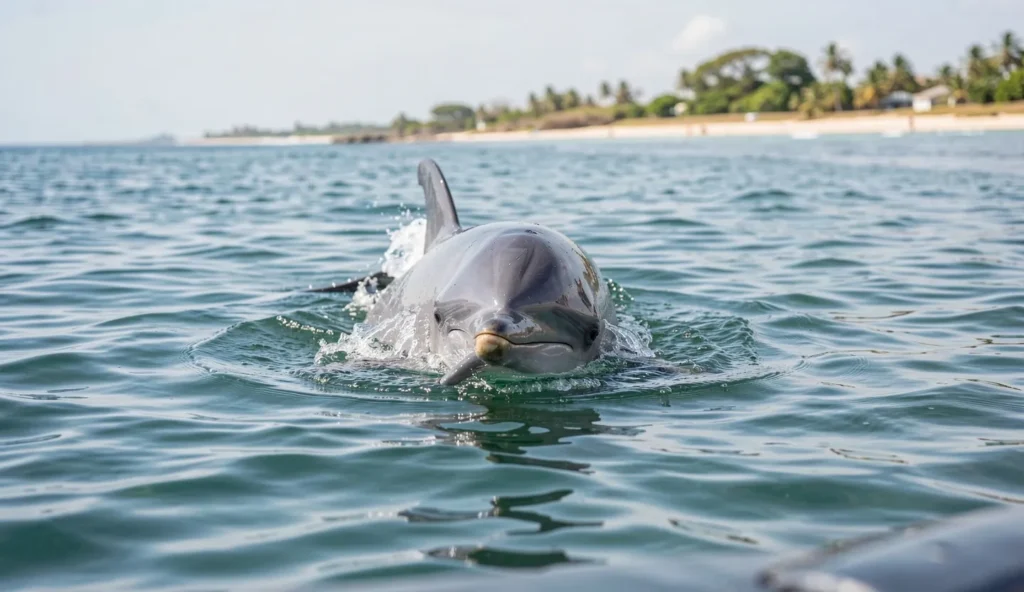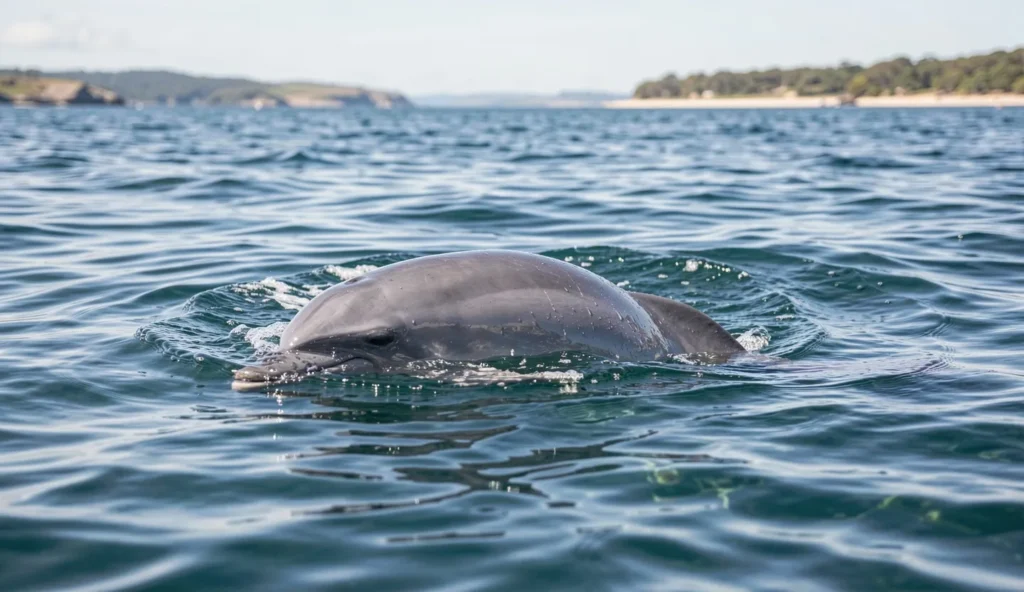
What Is a Burrunan Dolphin
The Burrunan Dolphin is a recently described dolphin from southeastern Australia and it is often discussed as a rare bottlenose dolphin type. Many resources connect it to Tursiops australis, and ongoing genetic research helps clarify where it fits among other bottlenose dolphins. Because the species is newly recognized, public information can lag behind current scientific findings, which matters for anyone looking up Burrunan dolphin facts.
For broader context on related animals, comparisons can help. For example, learning about the Bottlenose Dolphin traits that people expect in the field can reduce confusion when discussing this newer species name. Still, Burrunan Dolphin identification should rely on credible research and expert verification rather than quick guesses.
Scientific Name and What Makes It Different
Most modern descriptions link the Burrunan Dolphin to the scientific name Tursiops australis. The key idea is that it did not enter scientific recognition as a separate species until evidence, including genetic work, supported a clear distinction from other bottlenose dolphins. Researchers use this kind of evidence to sort closely related populations that can look similar at a distance.
It also helps to understand naming patterns. “Burrunan Dolphin” works as a common name, while “Tursiops australis” remains the formal scientific name. When people share Burrunan dolphin facts online, those details may be mixed with older references to other bottlenose forms, so cross-checking sources supports accuracy.
Where It Lives in Australia
Burrunan Dolphin sightings and records come from southeastern Australia, with emphasis on coastal and nearshore waters. Many observations relate to where researchers and survey teams focus, rather than a single fixed coastline that stays the same year after year. Because research methods improve over time, the known range can shift as more data becomes available.
When discussing Australian dolphin distribution, it is best to avoid absolute statements. Instead, sightings often reflect local waters where dedicated marine observers work consistently. This framing aligns with how sightings are recorded for many dolphin species, including widely recognized types like the Common Dolphin that have broader global coverage.
Why It Is Considered Rare and Endangered
Burrunan Dolphin rarity is closely tied to limited population information and a small, vulnerable number of animals. Conservation concern generally rises when a species has fewer individuals, restricted habitat, or exposure to repeated stressors. Even when exact causes differ by region, the vulnerability linked to small numbers is a central reason endangered dolphins receive attention.
Risk can come from multiple categories that often interact. Habitat disturbance, changes in prey availability, and human-related pressures can all matter for a population that already appears limited. To stay aligned with current assessments, it helps to rely on updates from wildlife agencies and peer reviewed research rather than rumor-based claims.
Appearance and Physical Features You Can Spot
Identifying a Burrunan Dolphin in the wild can be difficult because it overlaps in appearance with other bottlenose dolphins. Even skilled observers may need photos, scale details, and expert analysis to confirm a new species name for a sighting. For this reason, appearance should be treated as a guide, not proof.
When comparing traits, remember that bottlenose dolphins as a group share a common body plan. A review of what people usually look for in a bottlenose dolphin can help, such as those covered in Bottlenose Dolphin field descriptions. Still, Burrunan dolphin facts emphasize that reliable identification often goes beyond general expectations.
Body Shape and Common Coloration
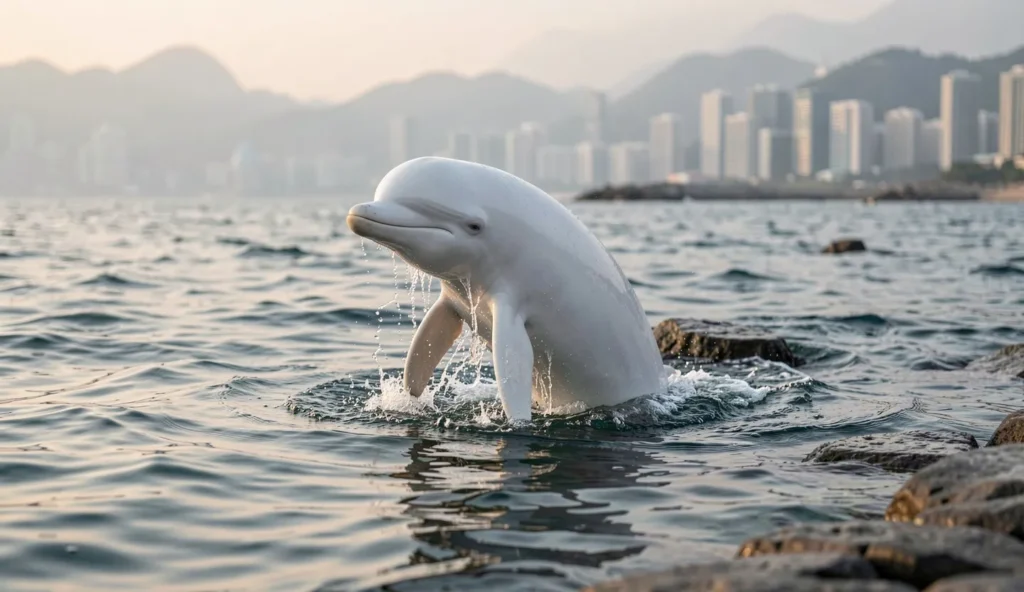
The Burrunan Dolphin generally matches the broad bottlenose dolphin build, with a streamlined body built for efficient swimming. Coloration can vary among individuals, and lighting conditions can change how the skin tone appears in photos. Because such variability occurs naturally, single color claims often fail during verification.
In practice, field ID typically needs consistent features, clear dorsal fin views, and high-quality images. If a sighting lacks those details, confirmation remains uncertain. That limitation is why expert verification plays a role in distinguishing a new species.
Fin and Rostrum Details
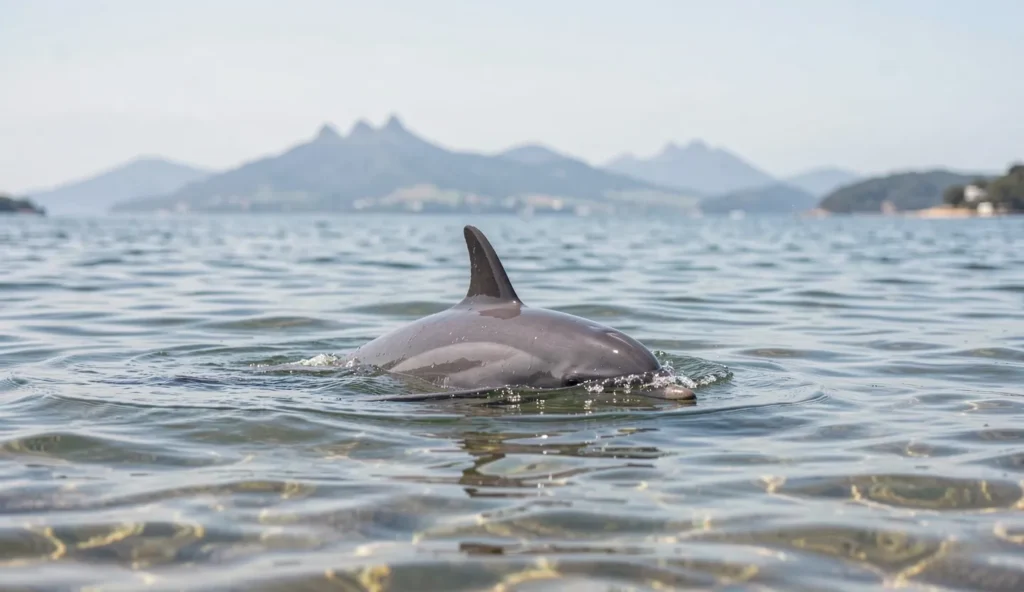
Dorsal fin shape and placement can offer useful clues, but the fin may not always be visible in surfacing moments. The rostrum profile also overlaps with related bottlenose dolphins, so it cannot stand alone as evidence. Researchers usually rely on a combination of traits plus genetic or photo ID workflows when available.
For learning about dolphin anatomy in a practical way, it can help to compare dorsal fin and rostrum descriptions across species. For example, studying a known coastal dolphin like the Spinner Dolphin helps clarify why surfacing and body angle affect what observers can see. That comparison does not confirm Burrunan Dolphin identity, but it supports better field awareness.
Group Size and How It Shows Up in the Wild
Burrunan Dolphin group sizes can vary by season and location, and group composition can change during surveys. Dolphins may appear in small groups or larger assemblages depending on local conditions and prey patterns. Because distance and viewing angle limit what people notice, visible traits can differ across encounters.
Researchers often document behavior alongside visual details, which improves the value of sightings. Watching how a group moves, how often members surface, and whether animals travel together can provide helpful context. However, those patterns also vary with sea state and feeding activity.
Temperament and Social Behavior in the Wild
Burrunan Dolphin behavior fits what marine scientists generally describe for dolphins, which rely on social bonds and coordinated movement. Observations also show that how dolphins use the surface can change with feeding success and travel needs. For wildlife enthusiasts and dolphin researchers, careful notes matter because behavior becomes evidence when verified properly.
Since this species is newly described, behavioral conclusions can still evolve as datasets grow. Comparing observed trends to well studied dolphins can help people understand what is normal, including patterns discussed for Bottlenose Dolphin populations elsewhere.
Social Structure and Group Dynamics
Dolphins are social, and Burrunan Dolphin groups often travel in units that make it easier to search for food. Group size and mix may change across time, especially if individuals respond to prey movements. Some research projects use photo ID tools to track individuals when dorsal fin markings remain consistent enough for comparison.
When a person sees a group, the safest assumption is that the animals can be part of a larger social network even if only a portion appears nearby. Observers can support data quality by recording the number of animals, whether they seem loosely spaced or tightly grouped, and how long the group remains in view.
Communication and Common Behaviors
Dolphins communicate using vocalizations and body signals, though people typically notice only the surface behaviors. Researchers interpret communication indirectly through patterns like synchronized movement, coordinated surfacing, and reactions to environmental changes. These signals are not guaranteed in every encounter, so observations should avoid overconfident predictions.
Prey activity can also influence surface behavior. When feeding occurs, dolphins may show more frequent movement bursts and changes in direction as they respond to prey distribution. That link between feeding and surface activity supports why prey availability becomes a key conservation factor.
Swimming Patterns and Surfacing Basics
Surfacing frequency can shift based on feeding needs and how far dolphins travel. In coastal settings, dolphins may follow shorelines or move in patterns shaped by currents and prey. Weather and sea state affect what observers can measure, which is why careful documentation helps researchers compare observations across days.
For those collecting Burrunan dolphin facts from personal experience, keeping time stamps and approximate distances improves usefulness. Even brief notes like sea state and visibility can clarify why traits appear more or less distinct in a given sighting.
Diet and Feeding Habits
Burrunan Dolphins eat marine prey, which means diet links directly to local ecosystems. As with many dolphins, exact prey species can vary with season and region, so diet details usually come from study methods rather than guesswork. For wildlife enthusiasts, the goal should focus on how feeding likely works in coastal waters.
Because this species is rare and still under active study, diet conclusions can remain in progress. Still, the general feeding framework matches what scientists expect for dolphins, including pursuit and opportunistic capture behaviors. That structure also connects to broader topics in marine ecology for Commerson’s Dolphin and other small coastal species.
What Burrunan Dolphins Eat
Dolphins typically feed on fish and other marine organisms, but the specific prey list can differ by local availability. Stomach content analyses, observational methods, and local prey surveys can all contribute to building a clearer picture. Because prey communities change, an animal’s diet may shift across months even within the same general range.
When reading about Burrunan dolphin facts, it helps to treat “diet” as a range of likely prey categories rather than a single fixed menu. Researchers often interpret diet using multiple data sources and compare results over time.
How Feeding Strategies May Work
Many dolphin foraging approaches use movement and coordination to find prey, and some groups may work together depending on conditions. Dolphins can search widely, then narrow in as they detect prey concentration. Teamwork can appear in surface patterns, but it cannot be assumed for every group.
Prey availability strongly influences feeding behavior. When prey concentrates due to temperature changes or current patterns, dolphins often adjust their paths to match those feeding zones.
Why Prey Changes Matter for Survival
Changes in prey availability can reduce energy intake, which becomes a problem when a population already has limited numbers. For rare bottlenose dolphin populations, reduced prey access can increase stress and lower reproductive success. It can also make animals spend more time searching, which increases exposure to human disturbance in coastal areas.
Because prey shifts depend on many variables, conservation monitoring focuses on trends rather than one-time events. Ongoing surveys and field observation help connect prey changes to population responses without overstating single causes.
Housing and Care Realities for This Species
Burrunan Dolphin care has a practical limitation, because this animal lives in the wild and belongs in its natural habitat. Pet lovers sometimes ask about keeping dolphins, but the correct starting point is that capturing or housing wild dolphins creates major welfare and legal concerns. Ethical handling requires restraint and respect for protected wildlife.
In addition, “care” for Burrunan Dolphin typically means supporting habitat protection and reducing disturbance during sightings. That approach aligns with responsible wildlife practices rather than attempts to manage a wild species in captivity.
Is It Possible to Keep a Burrunan Dolphin as a Pet
Keeping a Burrunan Dolphin as a pet is not a responsible or practical assumption because it is a wild, protected animal in real-world contexts. Captivity introduces specialized welfare needs, complex water and space requirements, and legal barriers that most private owners cannot meet. For most people, the ethical choice involves distance-based viewing and support for research.
This “wild first” stance applies to dolphins in general. Anyone comparing dolphin species care realities often looks at bottlenose dolphin histories, but Burrunan Dolphin status makes responsible alternatives more critical.
What Ethical Dolphin Care Looks Like Instead
Ethical Burrunan Dolphin care focuses on conservation support and non-invasive observation. Respectful viewing practices reduce repeated disturbance, which benefits animals that already face vulnerability. People can also support research by reporting sightings through trusted programs that follow standardized data collection methods.
Wildlife viewing guidelines matter because close approaches can change behavior. Keeping movements predictable and avoiding crowding supports animal welfare and improves the quality of the observation data researchers can use.
- Keep distance and avoid blocking travel paths.
- Do not chase, crowd, or attempt to feed.
- Follow local boating and viewing rules.
- Use binoculars or zoom cameras instead of getting closer.
- Record date, time, location, and basic behavior notes.
How to Observe Safely Without Causing Harm
Safe observation begins with distance. Boats should use local guidelines for speed and approach angles, since sudden changes can stress marine animals. From shore, observers can also reduce impact by using stable vantage points and limiting time spent hovering over one area.
Clear documentation supports study goals. When someone reports a Burrunan Dolphin sighting, the most helpful details typically include group size, direction of travel, and any notable behaviors seen briefly at the surface.
Common Health Issues and Conservation Threats
Burrunan Dolphin health risks likely reflect the pressures that affect coastal cetaceans generally. Even when evidence varies by area, the shared pattern involves disturbance, prey shifts, and marine environmental changes. Because the species is considered rare and endangered, small impacts can carry larger consequences than they would for larger populations.
Monitoring health also matters because early detection supports better management decisions. When threats become visible in trends, conservation actions can adjust to protect the most vulnerable groups, not just the animals that happen to be seen often.
Natural and Human Stressors
Dolphins can experience stress from changes in habitat quality and prey distribution, since energy demands rise when food becomes harder to find. Human related pressures can include noise from vessels, vessel traffic in coastal zones, and entanglement risks in fishing gear where applicable. Researchers treat these pressures as potential contributors, while also seeking data to confirm the pattern for this specific population.
Temperature and prey shifts can also alter how often dolphins stay near shore. When food moves, dolphins may follow it, which can increase overlap with human activities. That overlap is a key reason endangered dolphins receive focused protection even when specific causes remain uncertain.
How Researchers Monitor Health
Field projects often rely on non-invasive monitoring such as photo identification and repeated observations of the same individuals. When feasible, scientists may also use evidence from strandings and necropsies to understand health in a more direct way. Those data sources help researchers interpret disease risk and body condition without relying solely on occasional sightings.
Trend monitoring supports rare species management. When the number of animals declines or behaviors change consistently across seasons, researchers can connect those outcomes to likely stressors and environmental changes.
Conservation Actions That Support Recovery
Conservation actions for Burrunan Dolphin often emphasize disturbance reduction and habitat protection in coastal areas. Reporting sightings to credible research groups can also support better mapping of where dolphins travel and feed. In many cases, policy and funding decisions improve outcomes only when data from repeated fieldwork stays consistent.
As populations face pressure, recovery plans can require long time horizons. That need for continuity is why community observers play a role when they submit accurate information and avoid disturbance.
Starter Checklist for New Owners Who Want to Help
People cannot ethically “own” Burrunan Dolphins, but wildlife enthusiasts and pet lovers can help in practical ways. A strong contribution starts with learning local rules and using low-impact observation methods. It also includes supporting research workflows so that data remains useful over time for southeastern Australia dolphins.
This checklist uses everyday choices that reduce stress while improving reporting quality. The goal is to keep human activity from creating new risks for a rare bottlenose dolphin population.
Do These Things Before Planning Any Dolphin Activity
Before planning any dolphin activity, learn the local wildlife viewing guidelines for your area. Then check which organizations handle Burrunan Dolphin sighting reports and how they collect information. Binoculars and zoom cameras support distance-based viewing, which helps keep dolphins on their natural movement paths.
For broader context on why rarity matters, some readers may also explore content about rare wildlife classifications such as Rare Wild Animal Breeds. That perspective can help explain why careful observation practices matter even when animals seem “close enough” to approach.
- Review rules for wildlife distance and boat speed.
- Identify the right program for reporting sightings.
- Prepare binoculars or a camera with zoom.
- Plan for changing sea conditions.
- Skip feeding attempts and any contact behavior.
How to Prepare for a Safe and Responsible Viewing Day
Preparation starts with weather readiness, since wind, swell, and visibility affect observation quality. For many coastal areas, safe viewing from shore or a low-impact boat route reduces the chance of crowding dolphins. Staying aware of sea conditions helps maintain consistent distance and improves safety for observers too.
It also helps to plan for short viewing windows. If dolphins change location quickly, staying mobile while maintaining distance can reduce repeated hovering in one place. Simple records like date, location, and behavior notes keep reports clear for researchers.
What to Share With Researchers or Conservation Groups
When sharing information, accuracy improves usefulness. Provide clear time and location details, plus a straightforward description of what the group was doing at the surface. If photos are possible, capture images ethically and avoid behavior changes that come from close approaches.
People can also include group size and the presence of calves if visible. Those details help researchers interpret social structure, even when individual identification remains uncertain.
A Final Note On Responsible Awareness for Burrunan Dolphin
Responsible awareness supports Burrunan Dolphin conservation by prioritizing distance, accurate reporting, and low-impact viewing. With rare bottlenose dolphin populations, small choices by coastal visitors can meaningfully protect animals while research continues to refine understanding of this new species.
Frequently Asked Questions
Where Does the Burrunan Dolphin Live?
Burrunan Dolphin lives in southeastern Australia near local coastal waters.
What Is the Scientific Name for Burrunan Dolphin?
The scientific name for Burrunan Dolphin is Tursiops australis.
Why Is Burrunan Dolphin Considered a New Species?
Genetic research helped distinguish it from other bottlenose dolphins.
Is Burrunan Dolphin Endangered?
Yes, it is considered rare and endangered based on available conservation assessments.
What Should People Do When They See Burrunan Dolphin in the Wild?
Keep distance and avoid feeding or chasing, then follow local wildlife viewing rules.
What Threats Put Burrunan Dolphin Populations at Risk?
Human disturbance and changing prey availability can affect vulnerable dolphin populations.
Final Note
Careful observation and ethical support help protect Burrunan Dolphin while researchers work to improve knowledge about this endangered Australian dolphin.