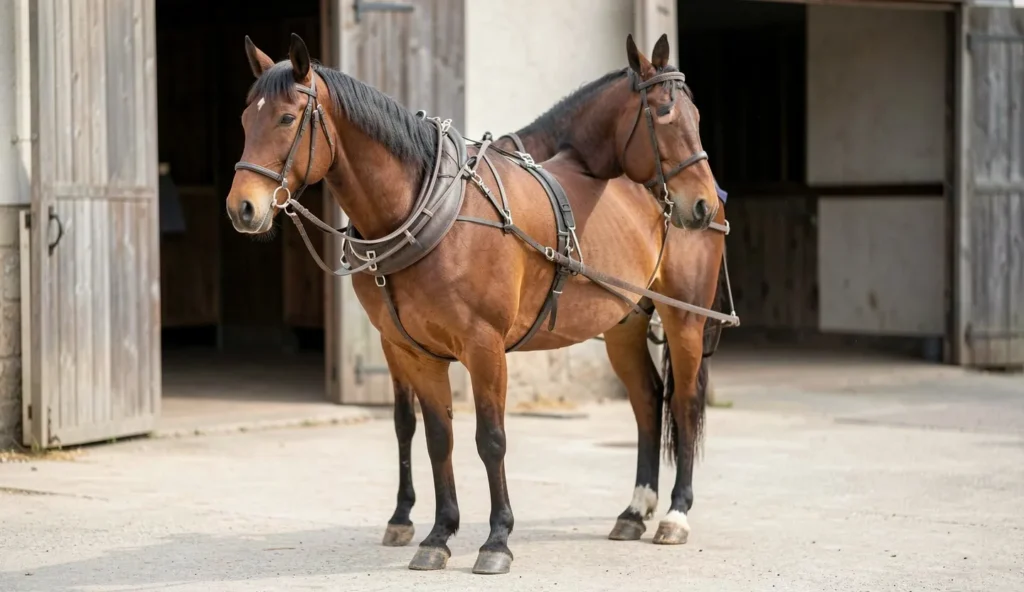
What Is A Standardbred Horse?
The Standardbred horse is a harness racing breed developed for dependable performance at the trot or the pace. Originating from selection for speed and steadiness, this horse type also supports everyday driving and off-track careers. A key trait stands out early in training, since rhythm and calm cooperation often shape race success and adoption outcomes.
Because the breed focuses on harness work, many people notice how easily the horse handles tack and equipment during regular routines. That practicality matters for buggy drivers and for ex-racehorse adopters who want a predictable partner. For broader context on harness-bred sport horses, the background of performance-focused lines can also be compared with Warmblood horse breeding goals in other disciplines.
Origin Of The Breed In The United States
Standardbred history ties closely to the growth of organized harness racing in the United States. Breeders emphasized a consistent ability to perform at speed while maintaining the correct gait. Over time, the selection process favored horses that stayed steady under training pressure.
As a result, many horses were raised and trained specifically for trotting and pacing steadiness. Later, race training built reliable rhythm through repeated work patterns and careful handling. This approach shaped both athletic ability and the working style many owners describe as practical.
Key Traits That Make It Built For Harness Racing
Several features support the breed’s harness goals. The Standardbred temperament often includes calm responses to people and equipment, especially when routines remain predictable. Natural rhythm also helps trotting and pacing without constant adjustments.
Strong drive and an efficient stride support sustained work. Many horses move with good coordination, since breeders selected for repeated performance rather than short bursts alone. When tack fits correctly, this athletic structure can translate into smooth harness work.
- Natural rhythm for trotting and pacing
- Strong drive and efficient stride
- Usually steady temperament for work around people and tack
Pacer Versus Trotter Differences That Owners Should Know
Some horses show a preference for pacing, while others prefer trotting. Owners often see that difference during training, since rhythm cues and gait consistency become clear. Race preparation and breeding histories usually reinforce the chosen gait.
For harness drivers, that distinction affects training plans and how workout sessions feel over time. A trotter may respond well to cues that support diagonal movement, while a pacer may hold better pace stability with different rhythm expectations. When owners match training to the natural tendency, progress tends to be smoother.
Appearance And Physical Features Of Standardbred Horses
Most people recognize the Standardbred horse as an athletic harness performer with an even, functional build. Appearance often reflects the breed’s work goals, especially efficient stride length and strong rear power. Still, coat color alone does not predict performance or suitability for adoption.
For prospective owners, focusing on structure helps more than relying on visual guesswork. The goal is to match conformation with the horse’s ability to handle repeated harness sessions. When structure supports movement, owners can plan safer conditioning and monitoring.
Body Type And Build For Speed In Harness
Athletic conformation supports repeated strides in harness racing. Many horses show strong hindquarters that help generate forward motion. In addition, well-muscled legs support consistency across walk, trot, and pace workouts.
Balanced overall form matters too, because stable balance reduces unnecessary strain during speed work. A horse that can stay aligned while maintaining rhythm often tolerates training better. For readers comparing other sport-bred horses, the broader athletic build found in a Thoroughbred Horse can illustrate how racing selection shapes general performance lines.
- Athletic build with strong hindquarters
- Well-muscled legs designed for repeated strides
- Balanced conformation supporting efficient motion
Common Coat Colors And Markings
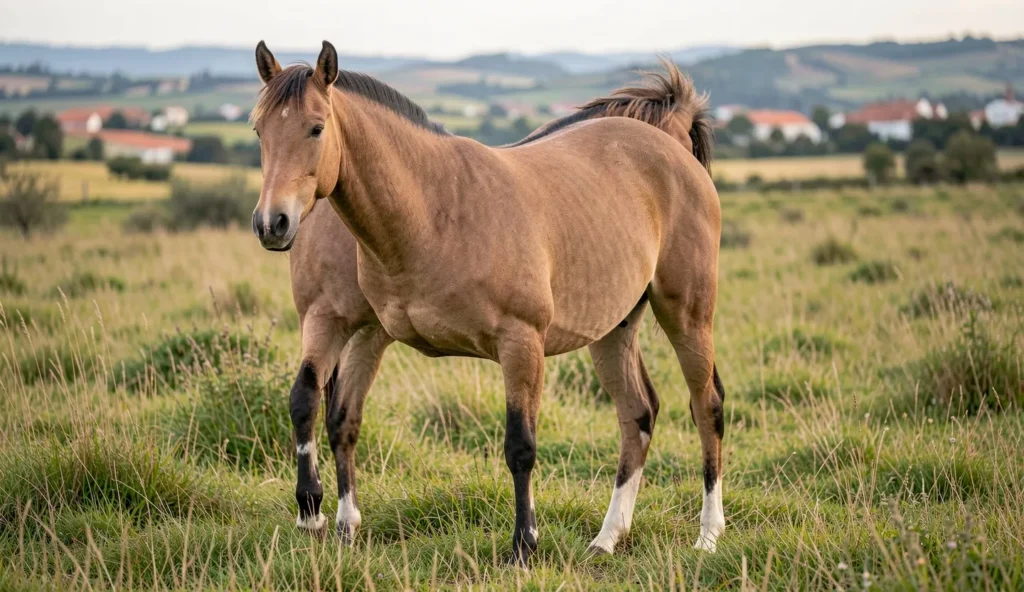
Many Standardbred horses appear in solid coat colors, including bays, chestnuts, and grays. Markings can vary widely from one individual to another. Because variation is common, coat description usually does not help owners predict soundness or gait.
Instead, focusing on movement quality and overall condition provides more useful clues. Color might help with identification, but it should not guide adoption decisions. For those researching the role of breed lines in sport history, reviewing Most Famous Horse Breeds in History can show how presentation and selection differ across breeds.
Hoof And Leg Traits To Look For
Hoof quality and leg alignment matter because harness racing repeats the same movement patterns. Correct alignment supports efficiency and can reduce strain during conditioning. Healthy joints also matter for the long term since the breed often performs high-frequency work.
During a soundness check, owners should also watch how the horse loads weight and how it moves at a walk and trot. Early signs of soreness can show up after new work schedules or increased intensity. When maintenance stays consistent, hoof and leg health typically remains easier to manage.
- Good hoof quality supports consistent training and racing
- Correct leg alignment helps reduce strain
- Healthy joints matter for repeated harness work
Standardbred Temperament And Personality
The Standardbred temperament is one reason harness racing supporters often choose this breed. Many horses are calm and manageable for daily care, especially when handling remains consistent. That said, training history influences behavior, so individual assessment remains necessary.
For buggy drivers and new adopters, stable behavior around tack and people can reduce stress during daily routines. With gradual introductions and predictable timing, many horses learn quickly. At the same time, some individuals can show sensitivity to pressure when routines change suddenly.
Typical Temperament Around People And Stable Life
Many Standardbreds stay relaxed during regular stable work. They can also adapt well when handlers keep routines predictable. When poorly introduced to new equipment, a sensitive reaction sometimes appears as reluctance or avoidance.
That does not automatically mean the horse cannot succeed as a driving partner. Instead, it often signals that the introduction process needs to slow down and become more consistent. Owners can reduce stress by fitting equipment gradually and rewarding relaxed standing.
Trainability And Work Ethic For New Owners
Trainability often shows up through responsiveness to structured cues and patient repetition. A calm horse can still learn faster when training stays clear and consistent. Many Standardbreds benefit from predictable timing across groundwork, driving sessions, and rest days.
Focus on steady progress rather than forcing intensity. When the horse understands expectations, attention tends to improve. For adoption cases involving a past racing schedule, reintroducing routines gradually typically supports better cooperation.
Activity Level And Stress Signs To Monitor
Standardbreds may show restlessness when they lack regular work. Some stress responses include tail swishing, pinned ears, or backing off during equipment handling. Owners should address these signs early because persistent stress often leads to harder-to-manage reactions.
If stress appears, reduce pressure, adjust handling timing, and confirm physical comfort. Movement changes can also signal discomfort from tack fit or hoof issues. Careful monitoring helps owners prevent small problems from turning into repeated refusals.
- May show restlessness when underexercised
- Stress can appear as tail swishing, pinned ears, or backing off
- Management changes help before behavior becomes chronic
How Much Exercise And Conditioning A Standardbred Needs
Exercise supports both fitness and behavior, so planning matters for every Standardbred care routine. Conditioning should match age, training history, and current soundness. Off-track horses often need gradual rebuilding rather than immediate return to hard work.
Owners should treat conditioning as a long-term system, not a weekly checklist. When intensity rises too fast, tendons and joints can take the hit. With the right schedule, many Standardbreds maintain useful energy for work and daily turnout.
Exercise Goals For Harness Work And Off-Track Horses
Most Standardbreds benefit from regular work to stay mentally and physically balanced. The best approach often includes both conditioning movement and calm downtime. For off-track individuals, rest and recovery help the body adjust after a change in workload.
Owners should match conditioning intensity to training history. A retired racer may need weeks of reconditioning before speed work makes sense. With careful pacing, fitness can rebuild without pushing joints too early.
- Most need regular work to stay mentally and physically balanced
- Condition should match age and training history
- Introduce intensity gradually, especially for retired racers
Safe Conditioning Plan For Beginners
Beginner owners usually do best with a simple progression that emphasizes sound movement. Starting with walk and light trotting can support basic fitness if the horse stays sound. Warmups and cooldowns help the horse prepare and recover more effectively.
Rest days remain part of performance conditioning, not wasted time. That practice supports tendon recovery and can reduce stress behaviors. If a horse shows soreness after the session, owners should scale down and consult a veterinarian or trainer.
- Start with walk and light trotting only if sound
- Build longer warmups and cooldowns
- Rest days are part of performance conditioning
Best Types Of Movement For Soundness
Owners often use steady, low-impact movement to build fitness safely. Long reining can improve control while encouraging consistent forward motion. Steady trotting days can also enhance cardiovascular conditioning without constant speed changes.
Low-impact days help joints and tendons stay comfortable. Hill work can strengthen the body, but it should be introduced carefully and only when the horse remains comfortable. When discomfort appears during hills, the plan should revert to flatter ground.
- Long reining and steady trotting improve fitness
- Low-impact days help joints and tendons
- Hill work should be introduced carefully
Training A Standardbred For Trotting Or Pacing And Daily Work
Training a Standardbred horse should prioritize correct gait rhythm and safe harness introduction. The goal is smooth, even strides rather than frequent speed changes. Owners also need to plan training so equipment stays fitted comfortably and training sessions remain calm.
Because harness driving uses equipment and movement together, progress depends on both physical readiness and consistent handling. Many horses respond best when groundwork, tack fitting, and driving practice happen in short, relaxed sessions. When training includes steady cues, the horse can keep rhythm more reliably.
Basics Of Harness Conditioning And Introduction
Harness conditioning starts with gradual equipment fitting. Owners should check for rubbing and pressure points every time gear changes. Calm, short sessions help the horse learn each component without feeling overwhelmed.
Equipment introduction should also include reward for relaxed standing and steady movement. If the horse tenses, the session should end or slow down, rather than forcing the next step. Good harness routines become part of day-to-day Standardbred care and help prevent training setbacks.
- Fit equipment gradually to prevent rubbing and discomfort
- Introduce harness parts in calm, short sessions
- Reward relaxed standing and steady movement
For owners expanding beyond harness routines, comparing training approaches can help. For instance, understanding how performance horse conditioning works in other breeds, such as a Hanoverian Horse, can clarify why consistent groundwork and gradual intensity often matter across disciplines.
Teaching Rhythm For The Trot Or Pace
Rhythm training supports gait stability and reduces incorrect movement patterns. Drivers often use consistent pace cues that match the horse’s natural tendency. Instead of chasing speed, training should aim for smooth, even strides.
Track gait changes early because repeated reinforcement can make an incorrect pattern harder to correct later. If a horse shows drift from the expected gait, owners should adjust cues and training structure. When rhythm training stays consistent, harness work usually becomes more predictable.
- Consistent pace cues support gait stability
- Work toward smooth, even strides rather than speed
- Track gait changes early to avoid reinforcing the wrong pattern
Training Methods For Calm, Safe Progress
Low-stress groundwork should come before speed work. Many trainers focus on comfort and correctness first, then add intensity later. Overcorrecting headstrong moments often increases tension, so training typically improves when corrections stay quiet and consistent.
Owners working with an anxious or off-track horse should keep sessions short. A brief session with clear success can reduce stress and build trust. As comfort improves, training time can expand slowly.
- Use low-stress groundwork before speed work
- Avoid overcorrecting headstrong moments
- Keep sessions short for anxious or off-track individuals
Grooming And Standardbred Care Tips For Healthy Everyday Life
Daily care supports comfort and helps owners catch problems early. Practical grooming also supports harness readiness because tack contact needs clean, unirritated skin. Owners who follow consistent checks often find issues sooner than those who only work on race days.
Beyond grooming, feeding and health monitoring play a major role in recovery. A stable routine supports the horse’s body during conditioning and work. Those routines also support behavioral calm, because discomfort often drives stress behaviors.
Daily Grooming And Tack Care Steps
After work, brush and check for skin irritation. Owners should also inspect legs for swelling or heat, especially after harder sessions. Tack contact areas should get cleaned and wiped to prevent rubbing and friction buildup.
Leg checks should include observation of the horse’s movement at a walk. If the horse appears stiff, owners should note the timing and intensity of the last session. Those notes help when adjusting training plans.
- Brush and check for skin irritation after work
- Clean and inspect legs for swelling or heat
- Wipe tack contact areas to prevent rubbing
Diet And Feeding Basics For Performance And Recovery
Most diets start with quality forage and a measured concentrate portion. Calories should match training intensity and body condition. For Standardbred uses that include repeated work, keeping consistent nutrition helps recovery and reduces energy swings.
Water access stays essential, and mineral balance matters for muscle function. If the horse is in heavy training, feeding adjustments may be needed over time. However, concentrate changes should not happen suddenly because gut upset can follow abrupt switching.
- Base the diet on quality forage and measured concentrate
- Adjust calories to training intensity and body condition
- Provide consistent fresh water and mineral access
Health Monitoring For Common Issues In Harness Horses
Owners should watch for tendon and joint soreness after hard sessions. Hooves and legs require regular checks for early inflammation. Weight and appetite also provide helpful information about how well recovery is going.
If recovery feels slow or movement changes appear, owners should consider rest and veterinary input. Early attention can prevent minor irritation from turning into a longer soundness problem. When owners document training intensity and daily observations, diagnosis becomes easier.
- Watch for tendon and joint soreness after hard sessions
- Check hooves and legs regularly for early inflammation
- Track weight, appetite, and recovery after exercise
Preventive Care Schedule For Owners
Preventive care reduces risk across the season. Work with a vet for vaccinations and parasite control based on local requirements. Farrier care should follow a regular schedule because consistent hoof management supports sound movement.
Dental exams also matter because comfort affects eating and overall health. Owners should aim for routine planning rather than waiting for visible issues. For some adopters comparing sport-focused care routines, the same planning mindset shown in Percheron horse draft programs can help clarify how schedule consistency protects performance bodies.
- Work with a vet on vaccinations and parasite control
- Maintain a regular farrier schedule
- Plan dental exams for long-term comfort
Common Health Issues In Standardbred Horses And What To Watch
Standardbreds often handle demanding harness work, so monitoring needs to focus on musculoskeletal comfort. Training intensity, track surfaces, and equipment fit can all influence risk. When owners look for early warning signs, they can reduce downtime and protect long-term soundness.
Health concerns can vary between individuals, especially for off-track horses transitioning into new schedules. Even so, certain issue categories appear often in harness-conditioned bodies. Owners should use a simple, consistent watch plan during daily checks.
Musculoskeletal Problems From Repeated Training
Tendon strain can develop when conditioning becomes intense or recovery time stays too short. Joint inflammation may show after speed work, particularly when surfaces stay hard. When soreness appears early, prompt rest and veterinary guidance can prevent worsening.
Owners can reduce risk by following gradual conditioning and using warmups and cooldowns consistently. If the horse shows a change in stride length or reluctance, the training plan should adjust immediately. That approach supports calmer behavior and safer return to work.
- Tendon strain may develop with intense conditioning
- Joint inflammation can occur after speed work
- Early rest and vet input can prevent worsening
Hoof And Leg Maintenance Challenges
Hoof balance issues can increase uneven wear, which may lead to stumbles or altered movement. Owners should watch for overreaching, short-strided steps, or signs of discomfort during turning. Swelling in lower legs should receive prompt attention because it can indicate underlying inflammation.
Since harness horses repeat similar gait patterns, small hoof problems can become bigger issues over time. Regular farrier care and consistent monitoring help keep hooves aligned and comfortable. For adopters, early soundness checks often determine how quickly a horse can return to work.
- Poor hoof balance increases uneven wear
- Overreaching or stumbling may signal discomfort
- Swelling in the lower legs should be investigated promptly
Digestive And Weight Issues That Affect Performance
Digestive changes can affect energy, recovery, and overall weight stability. Off-season and retired horses often need diet adjustments, since workload decreases. Owners should monitor manure consistency and appetite for signs of gut discomfort.
Prevent sudden concentrate changes because the digestive system often needs time to adapt. If the horse is moving from racing feed to adoption feed, a gradual switch typically helps. Stable feeding also supports consistent body condition, which matters for driving readiness.
- Adjust feeding for off-season or retired horses
- Monitor for changes in manure consistency
- Prevent sudden concentrate changes to reduce gut upset
Is A Standardbred Horse Right For You
Choosing a Standardbred horse depends on experience, time, and the ability to maintain consistent routines. Many people who enjoy harness racing appreciate the breed’s practical temperament and harness suitability. Still, each horse’s soundness and training history shape what adoption success looks like.
This section helps match expectations to reality so owners can plan safely. Harness work requires equipment knowledge and consistent monitoring. After a proper assessment, the breed can offer a strong fit for driving and off-track careers.
Best Fit For Harness Racing Fans And Buggy Drivers
Standardbreds often suit buggy driving because the breed’s work focus supports harness training. Many horses do well with regular schedules and consistent handling. When conditioning is managed well, the horse can maintain useful energy for driving sessions and practice.
For people who attend races, familiarity can help with expectations around gait and routine. It also helps drivers recognize how changes in rhythm can reflect training readiness. Owners who want a broader view of speed-focused breeding in horses may compare harness selection to American Quarter Horse speed selection patterns.
- A strong match for driving work and harness training
- Often benefits from regular schedules and consistent handling
- Can excel when conditioning is well managed
Considerations For Ex-Racehorse Adopters
Adopting an ex-racer can work well, but reconditioning takes time. Soundness history matters from day one because some horses trained for speed need gradual rebuilds. Vet and farrier coordination also matters because hoof and leg comfort determine how soon work can restart.
Behavior often improves with calm routines and gradual work. When the horse learns the new daily schedule, stress tends to reduce. During the first months, a conservative training plan usually supports better long-term outcomes.
- Reconditioning takes time and depends on soundness history
- Vet and farrier coordination matters from day one
- Behavior may improve with calm routines and gradual work
Commitments Required For Long-Term Standardbred Care
Long-term care requires daily feeding and water checks that cannot be skipped. Regular exercise and monitoring support joint health and overall fitness. Consistent grooming helps owners catch early skin irritation, swelling, or hoof issues before they become major problems.
Owners should also plan preventive schedules with a vet, farrier, and dental professional. For harness horses, equipment care is part of commitment too. When care stays consistent, a Standardbred temperament that seems calm often remains reliable through changing seasons.
- Daily feeding and water checks are non-negotiable
- Regular exercise and monitoring support joint health
- Consistent grooming helps catch problems early
Final Note On Responsible Standardbred Ownership
Standardbred horses can succeed in harness racing, driving, and adoption when owners support rhythm, conditioning, and comfort. With consistent Standardbred care and careful health monitoring, many horses develop steady routines for work and everyday life.
Frequently Asked Questions
What Gait Is Most Common In A Standardbred Horse?
Standardbreds are developed for trotting or pacing. Some individuals pace naturally while others trot more consistently.
Are Standardbred Horses Calm For Beginner Handlers?
Many Standardbreds are known for a calm temperament. Individual training history affects how they react to new situations.
How Much Exercise Does A Standardbred Need Each Week?
Exercise needs depend on age and training history. Off-track horses require gradual reconditioning with rest days.
What Should Be Included In Standardbred Diets For Work And Recovery?
Most diets start with quality forage and measured concentrates. Calories should match workload and body condition.
What Health Problems Are Most Common In Standardbred Horses?
Owners should monitor joints, tendons, and hooves closely. Any swelling, heat, or changes in movement should be checked promptly.
Can Standardbred Horses Be Used For Driving After Racing?
Many Standardbreds transition to driving with proper re-training. Soundness evaluation and progressive harness work are important.