What Is a Paso Fino Horse?
The Paso Fino horse is a gaited horse from the Caribbean and Latin America, known for a smooth, fine four-beat action under saddle. It traces its roots to breeding programs in Puerto Rico and Colombia, where riders valued comfort and control for everyday travel. Many owners choose this horse for a ride that stays calm and steady even when speed increases.
Compared with many non-gaited breeds, the Paso Fino focuses on how the feet land and how the body transfers motion to the rider. That emphasis helps create a smoother feel, especially for riders who want less bounce at longer distances. While results depend on training and individual talent, the breed goal remains consistent.
Breed Origin And Where It Was Developed
Paso Fino history centers on development across multiple generations in Puerto Rico and Colombia. Breeders selected horses that moved with comfort at both slower and faster lateral gaits. Over time, Caribbean and Latin American riding culture shaped the goals around steady rhythm and rider-friendly movement.
As riding styles spread, training methods evolved to highlight consistency and smooth timing. Today, the Paso Fino is still associated with that regional comfort focus, which guides how many trainers evaluate gait quality. For horse enthusiasts comparing breeds, it can help to review how regional breeding priorities create distinct movement, such as in the Turkish horse.
Why The Paso Fino Is Known For A Smooth Ride
The Paso Fino is famous for a fine, smooth four-beat action when ridden at the right pace. Paso Fino gaits rely on timing and balance so the rider often experiences less vertical bounce than expected from other walking patterns. Still, smoothness depends on schooling, saddle fit, and physical soundness.
Some horses produce stronger lateral action, while others show more natural comfort at walk-like speeds. When training progresses, the rider may see the gait improve through cleaner transitions. If the goal involves comfort at speed, similar comparisons can be useful when reading about the Tennessee Walking Horse.
Common Terms People Hear For Paso Fino Gaits
Riders often hear different names for gaits based on region, trainer systems, and competition rules. In many settings, owners emphasize comfort at walk-like movement while also working toward faster collected action. Regardless of the label, rhythm and consistency usually matter more than raw speed.
When discussing smooth ride goals, a common theme appears across gaited breeds: stable tempo and even foot placement. That shared idea helps riders evaluate horses during trials, whether they are comparing the Paso Fino with another gaited option or learning the breed’s terminology for the first time.
Appearance And Physical Traits Of The Paso Fino
Physical appearance helps explain how a Paso Fino horse performs its smooth ride. The body must support balance, coordination, and consistent footfalls to maintain four-beat timing. While coats vary widely, many horses share an athletic build and refined look.
Movement also reveals condition and training. If a horse carries weight well and moves freely, the gait often appears cleaner under saddle. In contrast, fatigue or discomfort can shorten steps and reduce rhythm.
Typical Size, Body Type, And Build
Most Paso Finos fall in a medium size range with an athletic but refined build. Balance matters because the gait requires controlled motion through the shoulders, back, and hindquarters. When body condition stays stable, the gait tends to express evenly instead of showing abrupt changes.
Coordination affects how clearly the feet place during the four-beat rhythm. If the horse compensates due to pain, the rhythm may look choppy or uneven. For riders comparing build and movement goals, it may help to contrast with a different athletic profile, like the Appaloosa Horse.
Coat Colors And Mane Characteristics
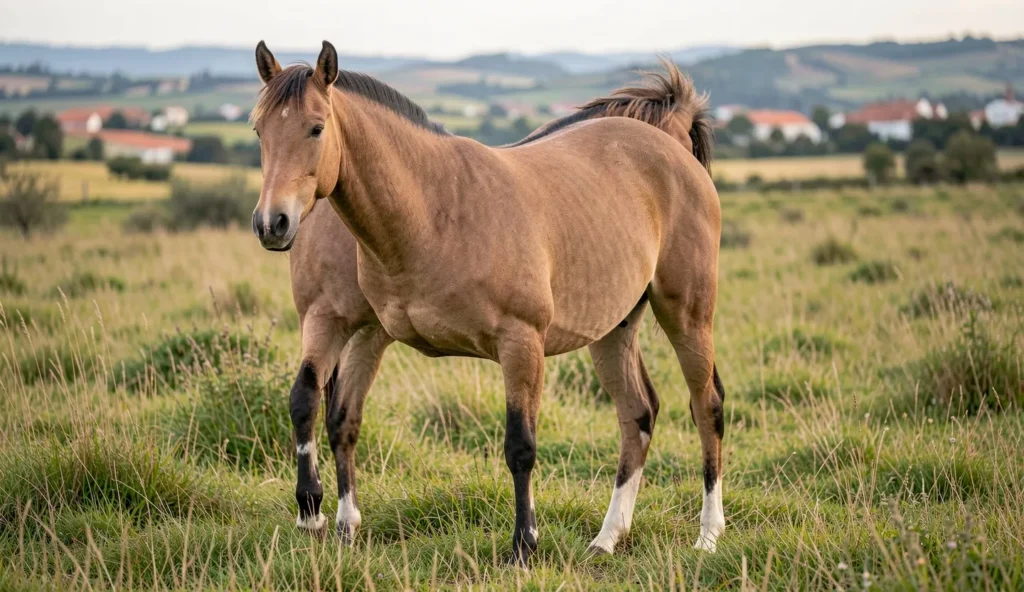
Many coat colors appear within the Paso Fino population, so appearance alone does not identify gait ability. The mane and tail often appear thick and full, which adds to the breed’s polished presentation. Grooming supports both skin comfort and neat movement, especially when the horse is prepared for trail rides or shows.
Owners should focus on maintaining cleanliness without damaging hair texture. If mats form in the mane, comfort can drop during grooming and tack sessions. That matters because a stressed horse can lose gait rhythm even when the feet are sound.
What To Look For In Movement On The Ground And Under Saddle
On the ground, steady rhythm and consistent foot placement often signal good coordination. Under saddle, clean transitions can suggest solid training and soundness. Short, choppy movement may indicate imbalance, fatigue, or discomfort that could interfere with the desired Paso Fino gaits.
During a trial, it helps to observe how the horse moves at different speeds and how it responds to basic cues. A horse that maintains tempo and stays relaxed typically offers a more predictable experience. If other breeds are under consideration, riders sometimes compare movement feel with the American Quarter Horse to understand how body mechanics differ across types.
Paso Fino Temperament And Personality
Paso Fino temperament often includes alertness with a tendency toward responsiveness rather than constant agitation. Many horses enjoy routine handling and learn cues when training stays consistent. However, temperament varies by individual horse, early socialization, and the way training progressed.
Because gaited performance depends on timing, stress can disrupt rhythm. When the horse feels secure, it usually holds a steadier motion pattern for longer. That is one reason calm daily management supports the smoothness owners want.
General Temperament Traits To Expect
Many Paso Finos show alert and engaged behavior, yet they do not always act aggressive. Some horses show a natural curiosity during grooming, tack-up, and preparation for riding. Still, real personality differences show up from horse to horse.
Handling consistency plays a role in how a horse responds to new environments. A well-managed horse often stays more relaxed during routine changes. When evaluating temperament, riders should ask about training history and observe behavior during calm and slightly busy moments.
How Temperament Shows Up During Training And Everyday Care
Calm horses often learn gait cues faster because they accept transitions without resisting. If stress rises during training, the gait rhythm can break, leading to uneven timing. For the best results, trainers and owners often keep sessions predictable and end before frustration builds.
Even routine care can affect performance. When daily handling feels stable, the horse usually stays more comfortable at mounting and during pre-ride warmups. Over time, that familiarity supports smoother gait expression.
Trail Riding And Handling Comfort
The Paso Fino is often chosen by riders who want a comfort-focused trail riding gaited horse. Many owners value the steady feel over hours of walking and moderate speed. Still, reaction to traffic, wildlife, or uneven terrain depends on the individual horse.
Pre-ride groundwork helps the horse handle tack and mounting calmly. It also supports confidence when stepping over obstacles or navigating narrow trail sections. For riders who also like exploring different equine temperaments, the breed comparison process can be guided by movement needs similar to the Andalusian horse.
Paso Fino Gaits And What Makes Them Four Beat
Understanding Paso Fino gaits explains what riders feel under saddle. The key feature many people search for is the four-beat action, which creates distinct foot timing. That foot-to-body timing supports the smooth ride sensation when the gait stays even.
Evaluating gait quality works best when rhythm and comfort come first. Speed matters less than consistent tempo, clear transitions, and balanced movement through the body. For many riders, the best sign is a repeatable gait that feels steady across different moments.
Understanding Four Beat Rhythm In Plain Terms
A four-beat gait means each foot contributes a clear moment in the cycle, rather than feet moving together in pairs. In a strong four-beat pattern, rhythm stays consistent even if speed changes slightly. Smoothness depends on timing and evenness across the body instead of random steps.
When four-beat mechanics stay organized, the rider often experiences fewer jolts. That happens because the body’s motion stays predictable. When rhythm breaks, the rider may feel sudden bounce or head bob that signals uneven timing.
Common Paso Fino Gaits Riders Spot
Many riders start by evaluating a walk-like comfortable gait as a base. Then they observe faster collected movement that highlights lateral balance and consistent rhythm. Some horses may show stronger natural skill at certain speeds, while others need more training before their best gait appears.
Because training varies, it is normal for a horse to show different gait strengths under saddle. A trial session that includes basic cues and a few transitions can show which gait the horse performs most confidently. That evaluation reduces surprises once the horse is in daily work.
How To Evaluate Gait Quality When Trying A Horse
Gait quality testing should focus on steady tempo and minimal head bob. Even footfall patterns left to right often indicate the horse can maintain balance instead of compensating. Listening for consistent hoof timing can also help confirm rhythm.
Rider comfort matters, too. If the saddle stays stable and the rider position remains calm, that often indicates good gait control. A helpful practice is to ride short periods at each pace, then return to see if the rhythm holds after transitions.
Training Factors That Affect Smoothness
Smoothness often depends on body condition, because stride length and balance follow the way the horse carries itself. Proper bridle fit also matters, since rough or incorrect equipment can interrupt the horse’s comfort and response. Rider seat and cue clarity influence how easily the horse expresses its best timing.
Transition practice helps maintain rhythm when speed changes or cues shift. A well-trained horse often keeps tempo while moving between gaits. For riders working with other equine styles, these training basics parallel concepts seen in other smooth-feel disciplines, including the movement foundations discussed in Friesian Horse training profiles.
Paso Fino Care Essentials For Healthy Hooves And Smooth Performance
Paso Fino care directly affects gait quality. Hoof health, consistent grooming, stable nutrition, and smart conditioning all support smoothness and reduce the risk of discomfort. When care stays routine, the horse often maintains its rhythm under saddle more easily.
This breed’s movement goals make daily management more than background work. A minor discomfort issue can change how a horse times each foot moment in the four-beat cycle. For that reason, owners should treat small signs seriously.
Housing And Daily Management
Safe turnout supports natural movement and helps the horse stay comfortable in joints and tendons. Hoof footing should match local conditions to reduce uneven wear and slipping. Where climates run hot or humid, hydration and ventilation matter for daily comfort.
If stabling is used, a consistent routine helps reduce stress. Horses often handle grooming, tack, and riding better when the daily schedule stays predictable. That stability also supports smoother training sessions, especially when new trail routes are introduced.
Grooming And Coat Maintenance
Regular brushing supports skin comfort and helps prevent irritations that can make a horse defensive during tack-up. While grooming, checking legs and joints helps catch early heat or sensitivity. Mane and tail maintenance keeps hair neat enough to prevent tangles and discomfort while moving.
During grooming, owners should watch how the horse reacts to touch. If the horse pins ears, shifts weight, or pulls away, that response can signal sensitivity. Addressing small discomfort quickly supports better gait expression.
Hoof Care And Farrier Scheduling
Scheduling routine trimming and shoeing based on hoof growth rate helps keep the feet balanced. Since Paso Finos rely on consistent timing, hoof angles and landing patterns affect gait mechanics. Before adjustments, a farrier can discuss the horse’s gait demands and typical work schedule.
Owners should also monitor for heat, swelling, or irregular hoof wear. Lameness that appears after increased work or a footing change deserves prompt evaluation. With consistent scheduling, most owners can reduce surprises and protect the desired four-beat performance.
Nutrition And Feeding For Condition And Energy Balance
Nutrition supports condition, and condition affects stride length and balance. The diet should base its foundation on forage quality and measured intake. Sudden changes in feed type or amount can disrupt digestion and cause discomfort that shows up during riding.
For energy balance, calories need adjustment to match training intensity and body condition score. When the horse looks thin or carries excess weight, gait quality can change. Working with a veterinarian for individualized plans helps keep the feed program steady and safe.
Exercise And Conditioning Approach
Regular work supports rhythm and joint comfort, which supports the timing needed for four-beat gait performance. Exercise variety can include schooling, basic flatwork, and trail sessions that build confidence. Warm-up time often matters because it lets the horse move freely before asking for gait expression.
Conditioning should progress gradually. Overworking early can lead to stiffness, and stiffness can break the smoothness owners want. A practical approach uses short sessions with clear cues and calm recovery periods.
Common Health Issues And When To Get Help
Most health risks in the Paso Fino category relate to soundness and comfort during motion. When hoof balance changes or inflammation builds, a horse may alter its foot timing. For that reason, owners should watch for patterns that repeat after work or after schedule changes.
Early help usually prevents minor issues from becoming long-term problems. Many owners benefit from routine observation and prompt veterinary guidance when symptoms persist. This approach protects the horse and helps maintain consistent training.
Hoof And Leg Related Problems To Monitor
Owners should watch for lameness after increased work or after footing changes. Swelling around joints and tendons can show that the horse needs rest or evaluation. Keeping farrier scheduling consistent also supports gait mechanics by keeping feet aligned with the horse’s movement.
If the horse starts landing differently or avoids certain movements, the change may point to discomfort. That can affect not only comfort but also rhythm and smooth ride quality. In many cases, addressing the issue quickly prevents a full gait breakdown.
Digestive And Metabolic Considerations
Digestive health often depends on forage, which should remain the foundation of most diets. Overeating concentrates can raise metabolic risk, so concentrate amounts should match work level and body condition. When metabolic concerns exist, a veterinarian can guide the safest feeding plan.
Stable feeding schedules also support comfort for training. When digestion stays calm, the horse often stays easier during cues. That stability can help the horse maintain Paso Fino gaits with less resistance.
Signs That Mean A Veterinary Check Is Needed
Some signs should trigger a veterinary check, especially when they repeat across days. Repeated refusal to move or clear changes in gait quality can indicate pain. New asymmetry in stride or difficulty transitioning also deserves professional assessment.
Persistent heat, swelling, or abnormal behavior should not be ignored. When multiple signs show up together, prompt action helps reduce recovery time. This approach keeps the horse safer during trail riding and day-to-day training.
Is A Paso Fino Horse Right For You
Choosing a Paso Fino horse often depends on riding goals, comfort expectations, and the owner’s ability to manage routine care. Many riders prioritize smooth movement over long distances and find this breed aligns with that goal. Still, the right match comes from checking temperament, gait ability, and soundness during trial sessions.
Before committing, it helps to understand what supports gait quality. Consistent handling, proper hoof care, and thoughtful conditioning all influence how the four-beat rhythm shows up under saddle.
Best Fit For Trail Riders And Comfort Focused Owners
The breed often fits trail riders who want a consistent trail riding gaited horse experience. Riders typically look for steady rhythm and manageable cues that hold comfort across time. With calm handling and gradual exposure, many Paso Finos can become dependable companions on varied terrain.
Comfort focused owners also benefit from horses that respond well during warmups. A horse that stays relaxed while mounting and starting off usually maintains better gait rhythm later in the ride. That stability often reduces fatigue for both horse and rider.
Considerations For Training, Time, And Budget
Gait quality often reflects training history and ongoing routine care. Budget should include farrier work, grooming supplies, and potential bodywork if the horse needs it. Time also matters because consistent exercise and calm transitions support gait expression.
Trainers should understand gait rhythm and soundness, not just speed or show goals. When a horse lacks maintenance or schooling, the smooth ride may not appear yet. Clarifying training expectations early prevents frustration.
Questions To Ask Before Buying Or Leasing
Before buying or leasing, ask about current gait training and how the horse handles transitions between gaits. Request recent vet and farrier records so owners can confirm soundness and scheduling. Clarify feed plans, turnout routine, and shoeing or trimming history to understand how care supports gait performance.
Also ask about how the horse behaves during trail preparation and in busy environments. A horse that stays consistent during everyday handling usually supports a smoother long-term experience. Then, observe the horse under saddle at multiple times to confirm comfort and rhythm.
Frequently Asked Questions
What Is The Smoothest Gait A Paso Fino Horse Can Perform?
Smoothness depends on the horse’s training level and individual mechanics. A comfortable four-beat gait is the signature goal for many riders, and it often feels best at the pace the horse performs most consistently.
Are Paso Fino Horses Good For Beginners?
Some Paso Finos feel steady and calm, but temperament still varies by horse. Beginner suitability improves with patient handling, predictable training, and confirmation of comfort under saddle during a trial.
How Often Should A Paso Fino Horse See The Farrier?
Most horses need routine trimming based on their hoof growth rate. If gait-focused work is frequent, farrier scheduling may require careful consistency after discussing needs with the farrier.
What Should A Paso Fino Horse Eat For Best Condition?
Forage should form the foundation of most diets. Concentrates can be adjusted for work level and body condition, while avoiding sudden feed changes.
How Can Gait Quality Be Checked Before Buying A Paso Fino?
Gait quality should be checked by evaluating rhythm and evenness across more than one session. Look for clean transitions and consistent hoof timing, and have a professional observe the horse if possible.
What Are Common Health Signs To Watch In A Paso Fino Horse?
Owners should watch for lameness, swelling, and changes in willingness to move. Any reduction in gait rhythm or persistent heat and swelling should prompt veterinary advice.
A Reliable Way To Build A Smooth Paso Fino Routine
With steady handling, consistent hoof care, and smart conditioning, a Paso Fino horse can offer the smooth, four-beat feel many riders seek. Routine management supports comfort and helps the gait stay consistent over time.