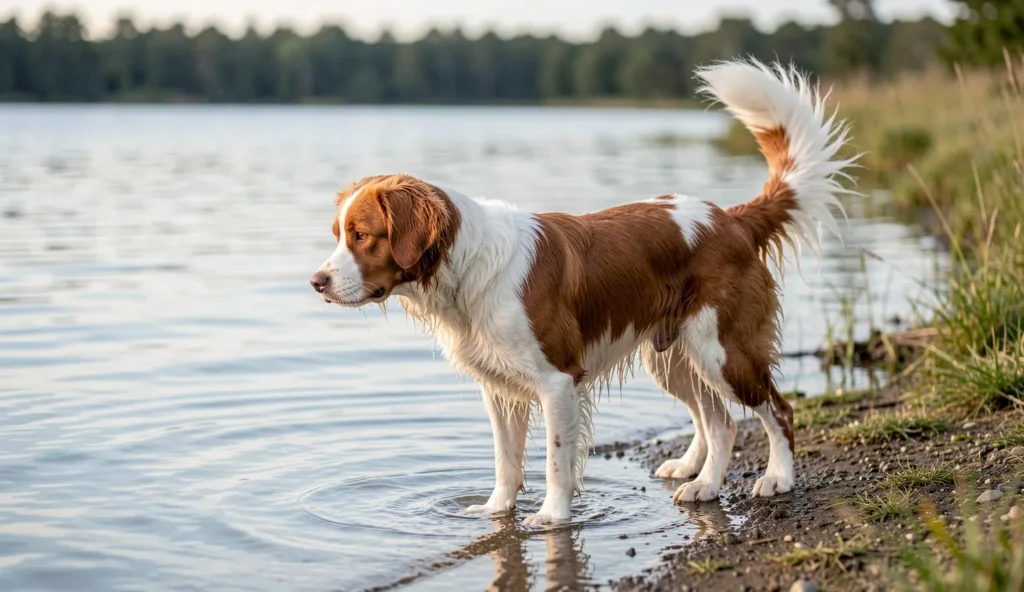
What Is Appenzeller Sennenhund?
The Appenzeller Sennenhund is a Swiss mountain dog known for an alert mind and active herding energy. This rare Swiss breed developed for daily farm work in the Appenzell region, where stamina mattered. Many families choose it for hiking and structured routines.
As a mountain dog type, the Appenzeller Sennenhund historically helped manage livestock movement and respond quickly to changing tasks. It also supported farm property by acting as a watchful companion. Today, the breed still carries a working drive that shows up in training and daily activity choices.
Origin In Switzerland And Its Working Background
The Appenzeller Sennenhund originated in the Appenzell area of Switzerland, where farm life shaped its abilities. It worked as a herding and farm dog with consistent demands throughout the day. Over time, the breed built endurance for repeated work, not just short bursts.
In practical terms, the Appenzeller Sennenhund often needed to stay focused while moving animals between areas. It also helped guard property and manage livestock movement across changing routes. That history connects directly to the modern Appenzeller temperament.
Breed Relationships Within The Sennenhund Group
Within the broader Sennenhund group, the Appenzeller Sennenhund shares traits with other Swiss farm dogs. It also appears in Sennenhund comparison discussions because of similar backgrounds and related body types. Still, it often stands out as more compact and more energetic than some relatives.
Many owners compare this dog to the Bernese Mountain Dog when choosing a family-friendly mountain dog. Others look at the Australian Shepherd only for herding energy, because training demands can feel similar. If a calmer, heavier dog is preferred, the Appenzeller may feel more intense.
Another common comparison uses Bergamasco Shepherd as a benchmark for coat management and active routines. While the Bergamasco Shepherd is not a Sennenhund, both breeds can require steady mental work. When planning time for exercise and training, that connection often helps new owners set expectations early.
Appearance And Tri Color Features To Expect
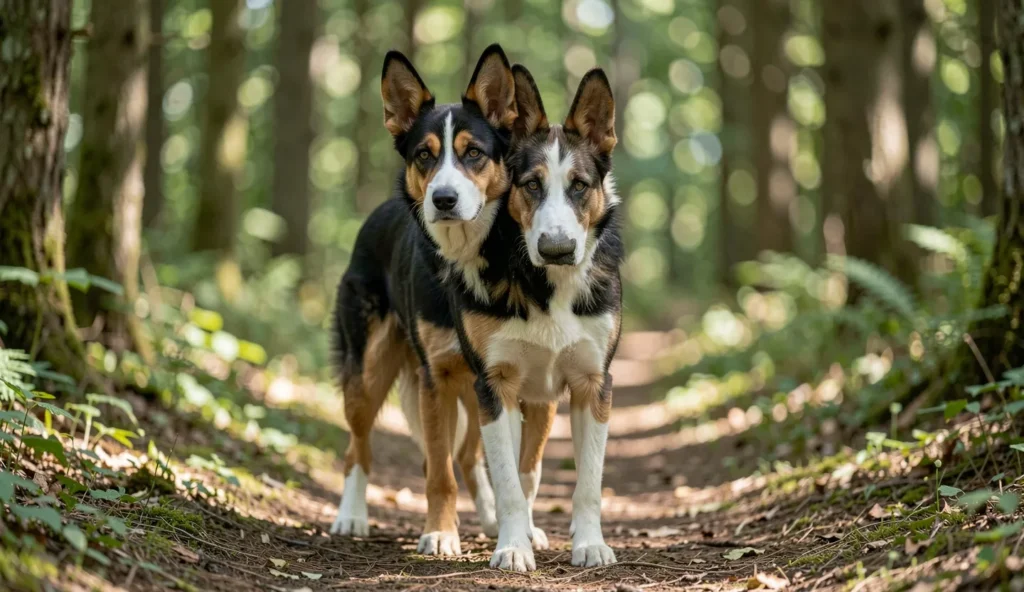
The Appenzeller Sennenhund shows a distinctive tri-color coat with clear markings. The typical pattern includes black, rust, and white, which helps the coat look sharp and balanced. This tri-color look also makes it easier to spot movement on trails.
In size and build, the Appenzeller Sennenhund is designed for agility and quick direction changes. It looks sturdy without appearing heavy, which supports active herding work. For hikers, the physical structure often supports steady walking and manageable climbs.
Size, Build, And Proportions
This breed usually falls into the medium range, with a sturdy and agile build. The proportions support quick turns during herding tasks and repeated movements on uneven ground. A strong chest and well-muscled legs help endurance.
Body balance matters for active work, and the Appenzeller Sennenhund generally shows a coordinated look. Movement should appear purposeful rather than strained. Healthy dogs also maintain stable balance during everyday activity.
Tri Color Coat Pattern And Markings
Tri-color coat patterning typically includes black base tones with rust patches and white areas. White markings often appear on the chest, paws, and muzzle, creating a recognizable face. Rust tones usually form eyebrow-like highlights and cheek patches that frame the eyes.
The coat often ranges from short to medium with a dense feel. That density can help the dog handle cool mountain air during outdoor work. Grooming stays manageable, although brushing helps keep markings clean.
Gait, Movement, And What To Watch For
The Appenzeller Sennenhund should move with a smooth stride that coordinates front and rear motion. Purposeful movement connects to its working background and daily endurance needs. When a dog shows a stable gait, it usually indicates good joint and muscle support.
During walks and hikes, watch for limping or unusual slowing. Heavy panting can also signal fatigue, especially in hot weather. If movement seems off, rest and veterinary guidance help prevent small issues from becoming bigger problems.
Comparison With Other Sennenhunds By Appearance
Appearance often drives early Sennenhund comparison decisions because coat length and body type vary. The Bernese Mountain Dog typically has a larger frame and a longer coat with heavier shedding. The Azawakh dog can look elegant and lean, though it is not a Sennenhund type and has different care needs.
Entlebucher Sennenhund dogs usually appear smaller and more compact. The Greater Swiss Mountain Dog often looks heavier and more solid, and that can create a calmer impression. If the goal is an athletic, agile mountain dog, the Appenzeller Sennenhund often fits best in active households.
Appenzeller Temperament And Personality Traits
The Appenzeller Sennenhund temperament centers on alertness, focus, and a working drive that seeks tasks. This rare Swiss breed typically stays motivated when it has a clear job, such as training practice or structured hiking time. Without that input, restlessness can increase.
For families and hikers, the key is matching energy and giving consistent guidance. The herding focus can show up as chasing, circling, or strong interest in movement. With training and routine, that intensity becomes easier to manage.
Energy Level And Working Drive
The Appenzeller Sennenhund is active, alert, and motivated by tasks. Herding instincts can show as circling behavior, chasing moving objects, or tracking familiar routes. That drive means daily exercise needs often go beyond a casual walk.
To match working energy to household time, mental work can help as much as physical activity. Short training sessions and puzzle-style tasks can keep focus steady. Many dogs also handle structured play better than random, unsupervised activity.
Social Behavior With People And Other Dogs
Many Appenzeller Sennenhund dogs bond closely with family members. They may seem reserved with strangers until comfort increases through calm introductions. Early socialization helps reduce fear-based reactions and supports polite greetings.
Some dogs may prefer structured, predictable introductions rather than fast group settings. Supervised exposure to people, surfaces, and sounds helps the dog learn that new experiences can be safe. When socialization fits into routine, the dog often becomes more confident on hikes.
Trainability And Learning Style
The Appenzeller Sennenhund often learns quickly when training stays consistent and structured. Clear rules and predictable timing help the dog understand expectations. Positive reinforcement typically works best for building reliable behaviors.
If routines change often or training remains inconsistent, boundary testing can increase. Training sessions that stay short prevent frustration and help keep attention. For many owners, this breed responds well to measurable progress like improved leash manners.
Comparison Of Temperament With Other Sennenhunds
In a Sennenhund comparison, the Appenzeller Sennenhund often shows a higher herding intensity. The Bernese Mountain Dog usually reads calmer and more laid-back, even though it still needs exercise. The Entlebucher can share intensity, and it may require similar management for focus.
The Greater Swiss Mountain Dog often appears more steady and tolerant, with a different pacing. If a household wants a dog that can match frequent hiking plans and training practice, the Appenzeller often feels like a strong match. If a calmer temperament ranks highest, another Sennenhund may fit better.
Exercise Requirements For Active Families And Hikers
Appenzeller Sennenhund exercise needs tend to be frequent and consistent. Daily walks often need support from active play or mental tasks, since herding drive seeks engagement. For hikers, trail time can provide both movement and stimulation when planned safely.
Instead of one long outing only, spreading activity across the day often works better. That approach also reduces restlessness at home. When the dog has an outlet, training usually becomes easier and more reliable.
Daily Activity Needs And Pacing
This breed typically needs frequent daily exercise, not just occasional longer outings. A mix of walk time and active play supports physical needs and helps manage herding energy. Mental work also matters because it uses focus and attention, not only legs.
When puppies or young dogs grow, overexertion can cause stiffness or fatigue. Adjust intensity by age and body condition, and avoid sudden overexertion. Gradual increases help joints and muscles adapt to hiking routines.
Great Exercise Options For Hikers
Trail walks with variable terrain can help build conditioning for steep sections and uneven ground. Controlled off-leash time can work only in safe fenced areas and under strong recall skills. Long leash sniff walks support mental stimulation and allow the dog to process scents.
Short training sessions during rest stops can also help redirect herding focus. Simple cues like sit or leave it keep the dog attentive while passing people or animals. This structure often improves safety on busier trails.
Signs Of Too Little Or Too Much Exercise
Too little exercise can lead to restlessness, excessive barking, or problem behaviors. Too much exercise can cause fatigue and stiffness, especially for growing dogs. Watch for limping, heavy panting that seems excessive, or unusual slowing during outings.
When these signs appear, reduce intensity and focus on recovery. Adjust based on age, fitness level, and weather conditions. For any persistent concerns, veterinary guidance supports safer long-term activity planning.
Exercise Comparison With Other Sennenhunds
In general, the Appenzeller Sennenhund often needs more consistent daily activity than many larger Sennenhunds. The Entlebucher can match that high-energy pattern due to a similar alert, working style. The Greater Swiss may enjoy hikes but can appear slightly less intense day to day.
Some families find that the Appenzeller pairs well with active weekends because the dog already benefits from routine. Still, weekdays matter, since the working drive needs outlets regularly. When schedules cannot support frequent activity, another breed may feel easier.
Training Tips For A Herding Mindset
Training works best when the goal matches the Appenzeller Sennenhund herding mindset. This means planning for focus, redirection, and calm behavior during movement-heavy situations. Since the breed can chase or circle, training should include both obedience and management.
Consistency and positive reinforcement help the dog learn faster. Over time, the dog can gain reliable responses around distractions on trails and in town. Those skills also reduce the need for strict physical control.
Socialization Plan For A Rare Swiss Breed
Socialization should start early with positive, supervised experiences. Exposure to people, surfaces, sounds, and manageable environments helps build confidence. Short sessions prevent overwhelm and help the dog associate new things with calm rewards.
Reward calm curiosity and appropriate greetings rather than forcing interactions. A steady approach improves comfort at trailheads, in parks, and around other dogs. For Sennenhund comparison thinking, this planning also helps differentiate reserved behavior from true fear.
Core Obedience Skills To Prioritize
For safety, prioritize sit, down, and stay to support controlled handling. Recall matters for off-leash opportunities in safe fenced areas, and it should be trained gradually. Loose leash walking helps during long hikes and reduces tension during passing.
Leave it can reduce risk around distractions like food on the ground or wildlife movement. Many owners find that reliable leash work makes the rest of training easier. That skill also supports calm behavior around unfamiliar people.
Dealing With Herding Behaviors In The Home
Herding behaviors can appear indoors as circling or chasing family members. Redirect those moments toward toys, training tasks, or structured movement breaks. Structured activities help satisfy the herding drive in a controlled way.
Avoid rewarding overexcited pursuit behavior, since that can intensify the pattern. Management also supports success, especially in early training stages. Gates and baby-friendly separation can limit access to triggers while training builds new habits.
Crate And Routine Training Basics
Crate training supports calm resting and safe travel, particularly during hiking trips or appointments. Keep routines consistent so the dog learns predictable expectations. Reward calm time in the crate without rushing exits after quiet moments.
Short departures build confidence and reduce stress during longer absences. A consistent daily rhythm can also improve focus for training. When routines feel steady, the Appenzeller temperament often becomes easier to predict.
For dog owners comparing training intensity across breeds, reading about German Shepherd training approaches can help understand how working breeds respond to structure. While the breeds differ, principles like consistent reinforcement and clear expectations overlap. That comparison can guide planning for time, tools, and patience.
Grooming And Care Tips For A Healthy Coat
Appenzeller grooming needs stay relatively manageable for most owners. The short to medium dense coat benefits from routine brushing to remove loose hair and reduce shedding mess at home. In outdoor environments, coat checks also help catch irritation early after hikes.
Regular maintenance supports both coat quality and comfort. It also creates a routine that helps the dog accept handling. Those habits matter because working breeds often need cooperation during everyday care tasks.
Coat Type And Grooming Frequency
The Appenzeller Sennenhund coat is typically short to medium and dense, so brushing helps keep it tidy. Weekly brushing often works for most periods, with more frequent brushing during seasonal shedding. Bathing should stay occasional and only when the coat needs it.
Brushing also helps track skin condition and reduce matting risk from debris in outdoor areas. After hiking in brush or tall grass, skin checks matter. If irritation appears, stop irritation by cleaning and monitoring before it worsens.
Bathing, Nail Care, And Ear Checks
Use a dog-safe shampoo and dry thoroughly after bathing. Nail trimming should happen regularly to prevent clicking and discomfort during walking. During hike season, ear checks help detect redness or odor early.
Wipe visible dirt from ear folds, especially after long trail walks. Keeping ears clean reduces risk of irritation from moisture and debris. If persistent odor or redness occurs, veterinary advice supports safe treatment.
Dental And Daily Maintenance Habits
Dental care should include regular tooth brushing for long-term oral health. Chew options can support dental routines when offered in safe sizes. A consistent schedule helps reduce plaque buildup and supports overall health.
Paws need attention after trails, since debris can cause irritation or small cuts. Keeping nails trimmed supports normal gait and comfort. Daily maintenance habits also support parasite prevention planning and easier vet visits.
Diet And Nutrition For An Energetic Working Dog
Nutrition supports the Appenzeller Sennenhund working energy and active lifestyle. Feeding a complete and balanced dog food helps provide protein and nutrients for daily activity. Since this breed often stays active, calorie matching matters for healthy body condition.
A measured feeding approach prevents weight gain and supports joint health. It also helps owners notice early changes in appetite or energy. For best results, nutrition planning should connect to activity levels and age.
Choosing A Complete Balanced Food
Select a complete and balanced dog food that fits the life stage and health needs. High-quality protein supports active muscle maintenance and daily energy demands. Calories should match the dog’s body condition and activity level.
Switching foods frequently can upset digestion, so keep changes limited unless needed. If specific dietary adjustments become necessary, do them gradually. A steady diet also makes training treat sizing easier.
Feeding Schedule And Portion Control
Measured portions help prevent weight gain while supporting training goals. Puppies and active training days may need adjusted amounts based on growth and energy expenditure. Monitoring body condition using rib and waist visibility supports better portion decisions.
When activity increases for hikes or training cycles, adjust portions accordingly. When activity drops due to weather or recovery, reduce portions to match needs. This balance often prevents unnecessary weight changes.
Healthy Treats And Hydration During Hikes
Treats can support training, but they should stay small to control calories. During hikes, provide water breaks to prevent dehydration. Avoid giving large numbers of treats that reduce appetite at meal time.
Keep treats safe and age-appropriate, especially for dogs learning new routines. If wildlife or uneven ground creates risk, avoid treats that can cause choking or digestive upset. Hydration and small training rewards often work best together.
When choosing a diet brand or ingredient mix, some owners compare needs across working breeds. For context on active breed energy, exploring Mudi dog feeding patterns can help frame how herding breeds manage protein and calories. Even though formulas differ, active routines often share similar nutritional planning logic.
Common Health Issues To Know Before Getting One
The Appenzeller Sennenhund can face health concerns common to active Swiss farm dogs. Early planning helps catch issues sooner, especially for a dog that hikes frequently. Regular vet exams and breeder health screening reduce risk and support longer healthy years.
Because this breed spends time outdoors, skin, eyes, and minor injuries can also appear after trail exposure. Monitoring daily changes helps owners respond quickly to new symptoms.
Health Screening And Vet Check Routine
Choosing reputable breeders that support health testing can improve long-term outcomes. Schedule regular wellness exams and track weight, coat condition, and energy level. It also helps to discuss vaccines and parasite prevention plans based on local conditions.
During routine visits, ask which tests matter for the breed’s risk profile. Keeping records makes it easier to spot patterns over time. Consistent care also helps maintain a stable Appenzeller temperament because stress from pain often changes behavior.
Orthopedic And Joint Concerns
Joint discomfort can affect active dogs, so owners should watch for signs of hip or elbow discomfort. Growing puppies need careful activity limits to avoid high-impact stress. After rest, stiffness can also show up as a subtle change in movement.
If stiffness appears, note timing and what triggers it, then discuss it with a veterinarian. Some dogs benefit from joint support based on vet guidance. Planning for controlled exercise often protects joints during hiking seasons.
Skin, Eye, And Digestive Considerations
Outdoor exposure can lead to skin irritation, especially after long grass or contact with brush. Inspect skin after hikes and report persistent itching or hair loss promptly. Eye redness or discharge also needs early attention.
Digestive changes like vomiting or diarrhea should be tracked, including timing and food changes. If symptoms persist or escalate, veterinary help becomes necessary. Quick response helps reduce complications and supports safe training return.
What Responsible Ownership Includes
Responsible ownership includes maintaining healthy body weight and ongoing dental hygiene. Keep nails trimmed so gait stays comfortable during walks and climbs. Provide age-appropriate rest and adjust exercise when weather changes or symptoms appear.
Seek veterinary care for persistent symptoms rather than guessing. Early intervention often improves outcomes for active breeds. With steady care, many dogs maintain strong hiking ability across their adult years.
Is Appenzeller Sennenhund Right For You
The Appenzeller Sennenhund fits best when lifestyle supports consistent activity and training. Active families who hike or walk daily can match this rare Swiss breed energy. Owners should also feel comfortable guiding herding behavior through routine and management.
Before choosing, compare the dog’s needs with household schedule, comfort with training, and the ability to provide mental stimulation. That matching process matters as much as coat or size preferences.
Best Fit Households
This breed often suits active families who can plan daily walks and regular hikes. It also fits owners who enjoy structured training rather than casual, inconsistent practice. Mental stimulation helps the dog feel settled, so puzzle tasks and short sessions work well.
When schedules allow consistent exercise and predictable routines, the Appenzeller temperament usually feels more manageable. Families that value routine often notice calmer home behavior. The dog also tends to do best when daily expectations remain stable.
Potential Challenges To Plan For
High energy can challenge very sedentary households, especially when exercise plans fall behind. Herding drive may cause chasing behaviors without training and redirection. The dog also requires ongoing socialization and guidance in new environments.
In crowded areas or off-leash settings, the herding focus can demand extra management. Planning for leash skills and recall training becomes part of daily responsibility. With preparation, those challenges often become workable.
Choosing Between Appenzeller And Other Sennenhunds
For energetic herding intensity, the Appenzeller often ranks high among Sennenhund comparison choices. If a larger and calmer dog suits the household better, the Bernese Mountain Dogs can feel less intense. If a compact herding-ready option feels right, the Entlebucher can offer similar alertness.
If the priority is a steadier working dog feel, the Greater Swiss Mountain Dog often appears more tolerant. The best fit depends on how much daily activity and training time a household can provide. When comparisons stay practical, choosing becomes more straightforward.
Some families also explore broader breed categories when deciding on a rare Swiss breed lifestyle. Learning about Exotic Dog Breeds can help frame how uncommon breeds may require extra planning for training resources and availability. That planning mindset often supports smoother adoption decisions for an Appenzeller Sennenhund.
FAQs: Appenzeller Sennenhund
How Much Exercise Does An Appenzeller Sennenhund Need Each Day?
Most Appenzeller Sennenhund dogs do best with frequent daily walks and active play. Mental tasks should also be added to match the working drive. Exercise intensity should increase gradually based on age and fitness.
Do Appenzeller Sennenhunds Shed A Lot?
Expect regular shedding, with seasonal changes that increase loose hair. Weekly brushing helps manage shedding and keeps the coat in good condition. During heavy shedding periods, brushing may need to happen more often.
Are Appenzeller Sennenhund Dogs Good With Children?
They can do well with children when early socialization and training are in place. Supervision remains important, and calm handling should be taught. Training also helps manage herding behaviors around running or playing.
What Training Methods Work Best For Appenzeller Sennenhund Dogs?
Consistent positive reinforcement usually works best for learning and cooperation. Keeping sessions short and structured helps maintain focus. Rewarding calm behavior improves leash manners and reduces unwanted chasing.
What Health Problems Are Most Common In The Breed?
Owners should watch for orthopedic and joint discomfort due to the active lifestyle. Skin and eye health should be monitored after outdoor exposure. Health screenings from reputable breeders and regular vet exams support early detection.
How Can Appenzeller Sennenhund Owners Compare This Breed With Bernese And Entlebucher?
Appenzeller often shows more energy and herding-focused drive than Bernese, which tends to be calmer. Entlebucher can also feel intense and alert, similar to Appenzeller but more compact. Greater Swiss is often viewed as steadier and more tolerant compared to the more energetic options.
Final Care Note For Appenzeller Sennenhund Owners
The Appenzeller Sennenhund can become a reliable trail partner when daily activity, training, and grooming stay consistent. With steady routines and early guidance, this rare Swiss mountain dog often thrives in active family environments.