What Is a Princess Parrot
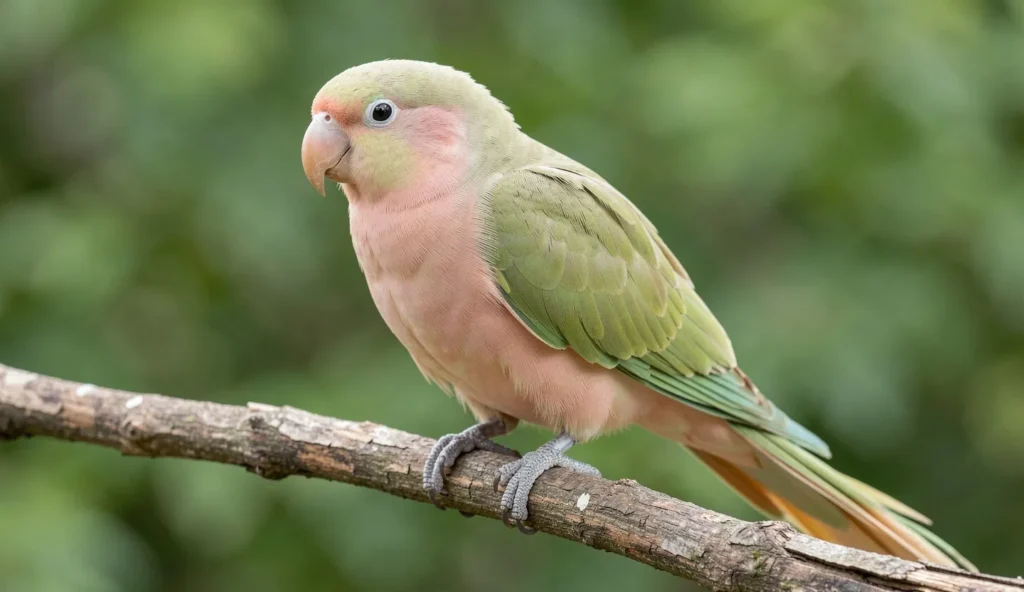
The Princess Parrot, scientifically known as Polytelis alexandrae, is an elegant Australian parrot native to the arid and semi-arid regions of central and western Australia. This medium parrot, also called the princess parakeet or Alexandra’s parakeet, was named after Princess Alexandra of Denmark. Its graceful flight, calm demeanor, and soft pastel plumage make it a visually striking bird for intermediate owners who appreciate subtle beauty over loud colors.
Origin and Natural Habitat
This species inhabits dry interior areas of Australia, including spinifex plains, shrublands, and acacia woodlands. Princess Parrots are nomadic, moving in response to food and water availability. In the wild, they form small flocks and roost in tree hollows. Their natural environment shapes their need for spacious housing and a diet low in rich seeds.
Why They Are Considered Elegant
The Princess Parrot stands out for its long, tapered tail that can make up nearly half of its body length. Its plumage features subtle pastel tones of olive-green, pink, and blue rather than flashy patterns. Paired with a quiet, gentle nature, these traits create an elegant bird that appeals to enthusiasts seeking a calm, refined companion.
Appearance and Physical Features
The Princess Parrot displays distinct sexual dimorphism, with males showing brighter colors. Both sexes share a slim build and a long, pointed tail. This Australian parrot is often described as one of the most graceful medium parrots due to its elongated proportions.
Size and Weight
- Total length: 34 to 46 cm, including the tail
- Weight: 100 to 150 grams
- Tail accounts for roughly half the body length
These measurements require a spacious cage or aviary that allows the tail to move freely. Shorter cages can cause feather damage.
Color Variations
Males display an olive-green body with a pink throat, a blue crown, and bright wing patches. Females are duller, with more grey tones and a shorter tail. Both sexes have soft pastel accents that avoid harsh contrasts, reinforcing their reputation as an elegant bird.
Distinctive Markings
Long, pointed tail feathers extend well beyond the body. Red patches on the wings become visible during flight. The beak is horn-colored with a slight pinkish hue. These subtle details contribute to the Princess Parrot’s refined overall look.
Temperament and Personality
Princess Parrots are known for their peaceful disposition. They are not aggressive toward other birds and can be kept in pairs or small groups in an aviary. Their calm nature makes them suitable for intermediate owners who can provide regular but undemanding interaction.
Social Behavior
These parrots enjoy human company but are not clingy. They tolerate gentle handling and thrive when housed in compatible pairs. Like the Crimson Rosella, they prefer a stable routine and may become stressed by sudden changes.
Noise Level
Princess Parrots are quieter than many other medium parrots. They produce soft chirps and whistles throughout the day. Loud screaming is rare unless the bird feels threatened or bored. This makes them a good choice for apartment living or homes that value quiet.
Talking Ability
They have limited mimicry skills and may learn a few words or phrases. Their value lies more in their appearance and serene temperament rather than conversational talent. Owners should not expect advanced talking from this species.
Housing Requirements
Because of their long tail and active nature, Princess Parrots need generous space. A cramped cage can lead to feather damage and reduced activity. Provide an enclosure that prioritizes horizontal length over height.
Cage Size and Shape
- Minimum cage size: 1.2 m long, 0.6 m wide, 0.9 m tall
- Large flight cage or aviary is preferred
- Horizontal space allows the tail to clear the sides
The cage must accommodate wing stretching and short flights. An indoor aviary works well, but an outdoor setup in mild climates offers more freedom. For comparison, the Alexandrine Parakeet also requires a long cage due to its tail length.
Perches and Accessories
Use natural wood perches of varying diameters to support foot health. Include a shallow water bath for bathing two to three times a week. Offer chew toys and foraging puzzles to prevent boredom. Secure perches so they do not wobble under the bird’s weight.
Indoor vs Outdoor Aviary
An outdoor aviary is ideal in regions with temperatures between 18 and 27 degrees Celsius. Provide a sheltered area for sleeping. If kept indoors, place the cage in a draft-free spot near family activity but away from direct sunlight or heat vents. Avoid sudden temperature changes.
Diet and Nutrition
A balanced diet is critical for the Princess Parrot’s health and feather quality. This medium parrot benefits from a varied menu that mimics its natural foraging habits. Fresh foods should be offered daily.
Recommended Foods
- High-quality pellet mix formulated for medium parrots
- Fresh vegetables: spinach, carrot, broccoli, bell peppers
- Small amounts of fruit: apple, pear, berries
Pellets should form about 60 to 70 percent of the diet. Vegetables and fruits provide essential vitamins. Cuttlebone or mineral block offers calcium. The Pacific Parrotlet, though much smaller, benefits from a similar balanced approach to diet.
Foods to Avoid
Never feed avocado, chocolate, caffeine, or alcohol. High-fat seeds like sunflower should be reserved as occasional treats. Salty or sugary human foods can cause kidney and liver damage. Ensure all fresh produce is washed thoroughly before serving.
Feeding Schedule
Provide fresh food and water every morning. Remove uneaten fresh vegetables and fruits after two to three hours to prevent spoilage. Keep a constant supply of pellets and clean water. A cuttlebone can be left in the cage for continuous calcium access.
Grooming and Care
Routine grooming helps maintain the Princess Parrot’s elegant appearance. These birds are naturally clean and preen regularly, but owners must assist with certain tasks. Establish a weekly care schedule.
Bathing
Offer a shallow dish of lukewarm water two to three times per week. Alternatively, mist the bird gently with a spray bottle. Allow the bird to dry in a warm, draft-free area. Bathing supports feather condition and prevents dust buildup.
Nail and Beak Care
Trim nails every four to six weeks if they become overgrown. Provide mineral blocks and cuttlebones to help naturally wear down the beak. If unsure about nail trimming, consult an avian veterinarian. Overgrown nails can snag on cage bars and cause injury.
Feather Maintenance
Princess Parrots preen thoroughly and rarely develop feather problems. Watch for signs of plucking, which may indicate boredom, stress, or nutritional deficiency. Ensure the bird receives adequate UV light exposure, either through unfiltered sunlight or a full-spectrum lamp, to support vitamin D synthesis.
Common Health Issues
With proper care, Princess Parrots are generally hardy. However, they are susceptible to a few common conditions. Early detection and prevention are key to a long, healthy life.
Respiratory Infections
Drafts, poor ventilation, or damp conditions can trigger respiratory issues. Symptoms include sneezing, nasal discharge, and labored breathing. Maintain a clean, dry, draft-free environment to prevent infections. Quarantine new birds before introducing them.
Feather Plucking
This behavior often results from stress, boredom, or an imbalanced diet. Provide plenty of toys, out-of-cage time, and social interaction. If plucking persists despite enrichment, consult an avian vet to rule out underlying health problems.
Obesity and Liver Disease
A high-seed diet and insufficient exercise can lead to obesity and fatty liver disease. Signs include lethargy and an enlarged abdomen. Feed a balanced diet with limited seed content and encourage flight exercise in a safe area. Regular weight monitoring helps catch issues early.
Is a Princess Parrot Right for You
This species suits intermediate owners who have previous parrot experience. The Princess Parrot requires a significant space commitment and consistent socialization. Those who can meet these needs will find a graceful, low-stress companion.
Ideal Owner Profile
The ideal owner has kept at least one previous medium parrot and understands basic avian care. They can provide a large cage or outdoor aviary that accommodates the long tail. The owner should be willing to offer daily out-of-cage time for exercise and bonding.
Time and Attention Commitment
Princess Parrots need at least one to two hours of supervised interaction each day. They thrive on a consistent routine and gentle handling. This species is not suitable for owners who travel frequently or cannot maintain a stable schedule. Like the Budgie Parakeet, they do best with regular human contact.
Frequently Asked Questions
What is the lifespan of a Princess Parrot?
Princess Parrots live 15 to 25 years with proper care. A balanced diet and regular veterinary checkups can extend their lifespan.
How big does a Princess Parrot get?
They reach a length of 34 to 46 cm including the long tail. Weight ranges from 100 to 150 grams.
Are Princess Parrots good for beginners?
They are better suited for intermediate owners due to space and dietary needs. Beginners may find their calm temperament manageable with thorough research.
What do Princess Parrots eat?
A balanced diet includes high-quality pellets, fresh vegetables, and limited fruit. Seeds should be offered sparingly as treats.
How noisy are Princess Parrots?
They are relatively quiet, producing soft chirps and whistles. Loud vocalizations are rare unless the bird is stressed or bored.
Do Princess Parrots talk?
They have limited talking ability and may mimic a few words. They are not considered a talkative parrot species.
Final Note
The Princess Parrot offers a unique combination of elegant appearance, calm temperament, and manageable care needs. For intermediate owners who can provide a spacious home and regular interaction, this Australian parrot becomes a rewarding and graceful avian companion.