
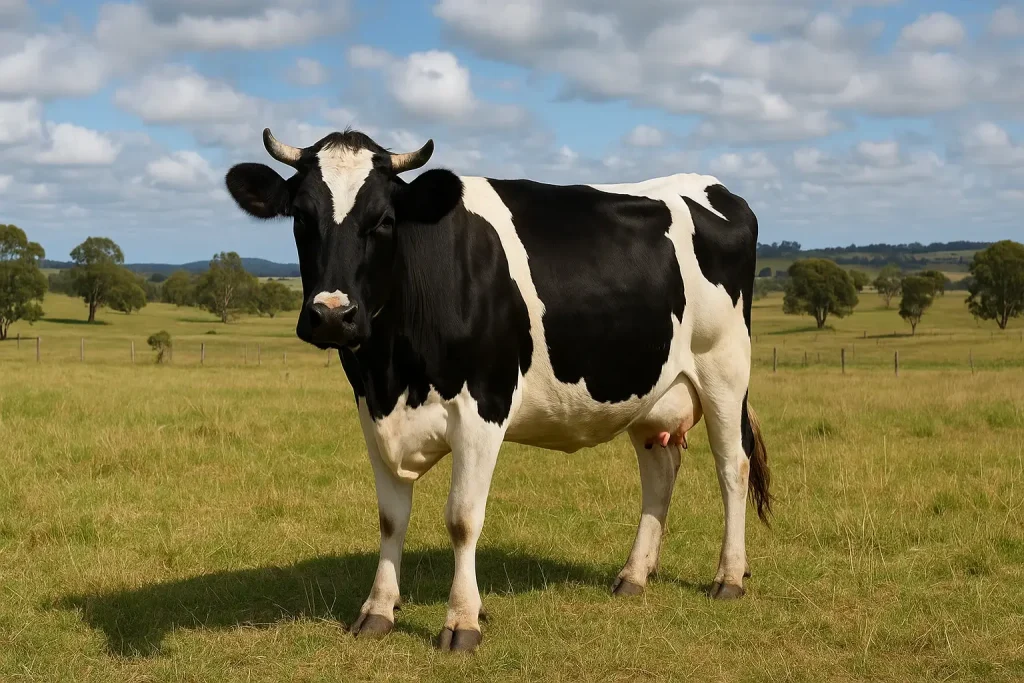
Australian Cow
Australian Cow — A Modern Guide to Australia’s Cattle Industry The term Australian cow covers a wide range of cattle […]
Cattle are among the most valuable and versatile animals on earth. They provide milk, meat, leather, and even help in farming. Across the world, different cattle breeds have developed unique characteristics based on climate, geography, and farming needs. Understanding these breeds helps farmers choose the right type for their environment and purpose.
The history of cattle goes back thousands of years. Early humans domesticated wild species like the aurochs to get milk and labor support. Over time, farmers began selecting animals with specific traits — such as better milk yield, strength, or calm nature. This selective breeding led to the creation of hundreds of breeds, each suited for a specific purpose.
Cattle are generally grouped into three main categories based on their use: dairy, beef, and dual-purpose breeds. Each group has distinct features that make it ideal for particular types of farming.
Dairy cattle are bred mainly for milk production. They are calm, manageable, and capable of producing large amounts of milk daily. Some popular dairy breeds include:
Beef breeds are raised for meat production. They have muscular bodies and are efficient converters of feed into quality meat. Common beef breeds include:
Dual-purpose breeds are valuable because they provide both milk and meat. They are practical for small farms or mixed agricultural systems. Some well-known dual-purpose breeds are:
Different cattle breeds have evolved to survive in specific environments. For example, tropical breeds like Sahiwal and Gir can handle hot climates and resist diseases, while European breeds such as Holstein or Charolais thrive in cooler regions. This adaptability makes cattle essential to agriculture worldwide.
Modern farming focuses on sustainability and animal welfare. Farmers now breed cattle that are healthy, productive, and environmentally friendly. Efforts are made to improve disease resistance, reduce greenhouse gas emissions, and use natural resources efficiently. Sustainable cattle breeding ensures a better future for both animals and humans.
Cattle play an important role in feeding and supporting communities around the world. Whether for milk, meat, or farm work, each breed contributes in its own way. Understanding different cattle breeds helps promote sustainable farming, protect biodiversity, and support farmers in raising healthy animals. The more we learn about these breeds, the better we can balance productivity, environment, and animal well-being.
Australian Cow — A Modern Guide to Australia’s Cattle Industry The term Australian cow covers a wide range of cattle […]
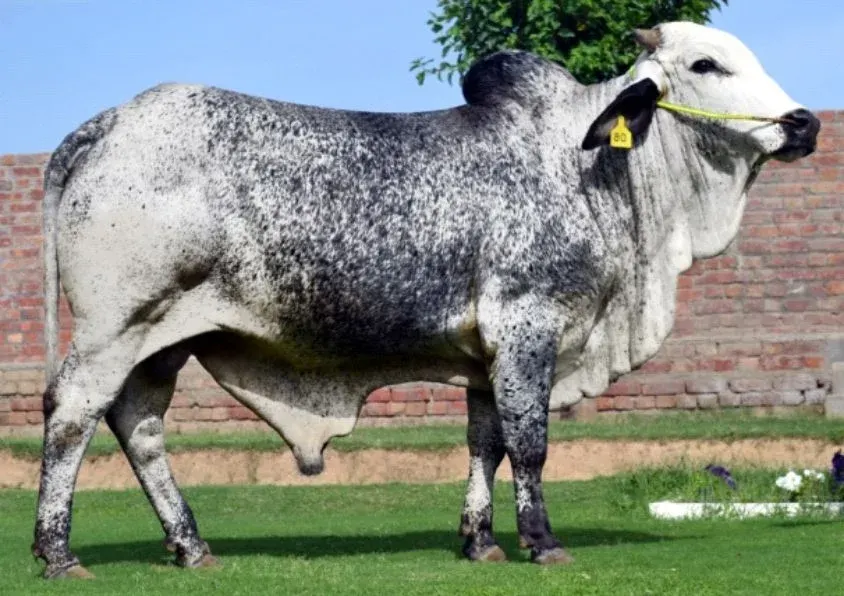
Cholistani Cattle – The Desert Jewel of Pakistan’s Livestock Cholistani cattle are one of Pakistan’s most valued native breeds, recognized
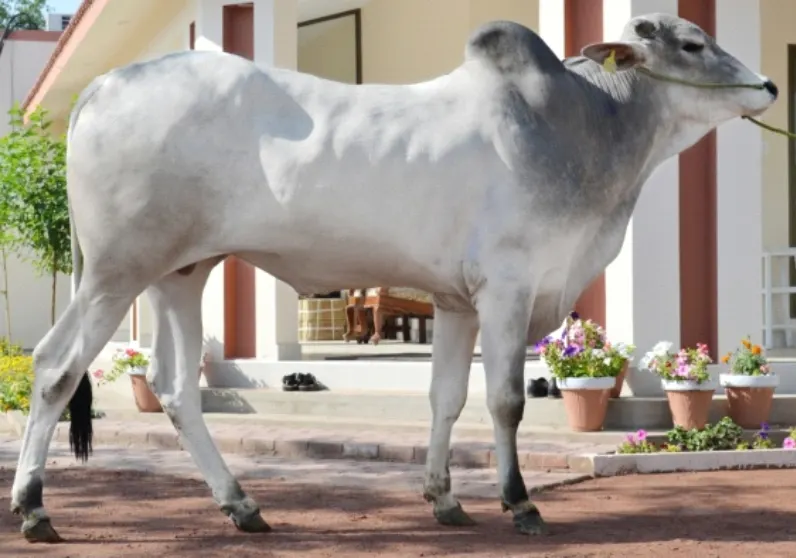
Dajal Cattle – The Resilient Strength of South Punjab The Dajal cattle breed is a symbol of endurance, strength, and
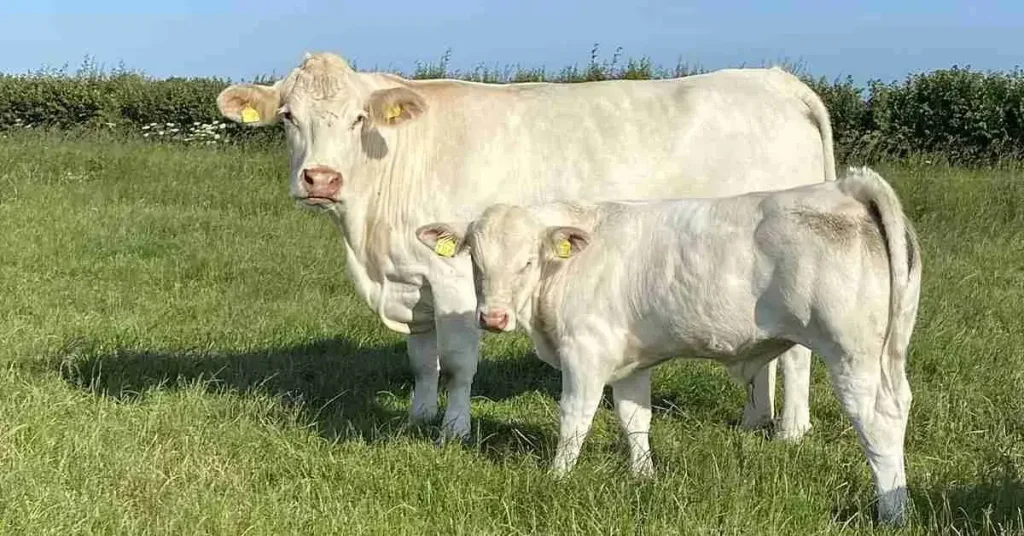
Charolais Cattle: The Powerhouse of Beef Production Charolais cattle come from the Charolles region in France. They have been around
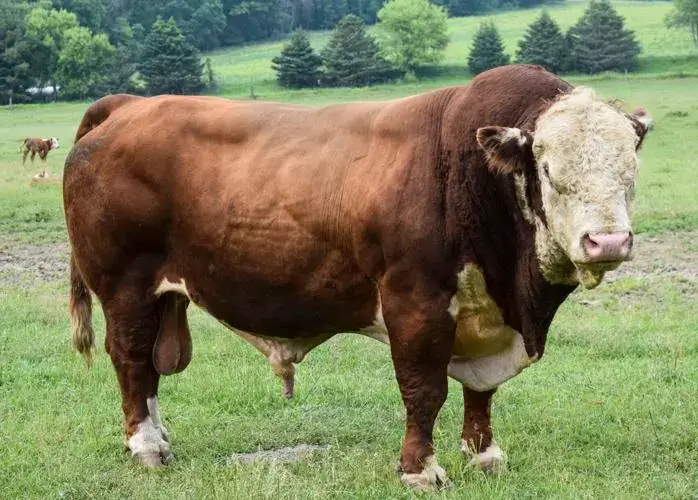
Hereford Cattle — A Practical Guide to the World’s Classic Beef Breed Hereford cattle are one of the world’s most
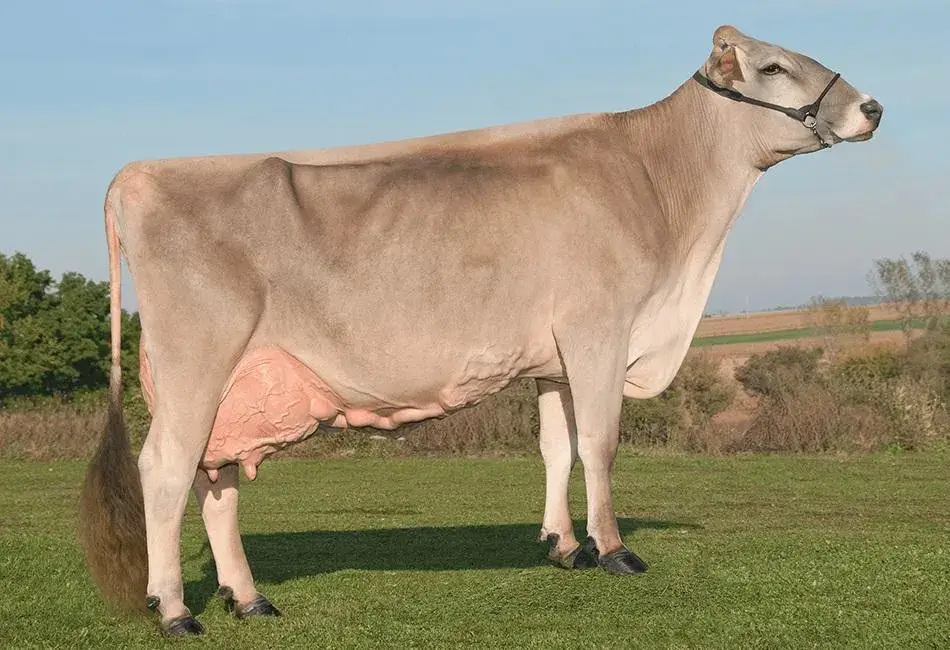
🐄 Brown Swiss Cow: The Gentle Dairy Giant of the Alps 🌍 Origin and History of the Brown Swiss Cow
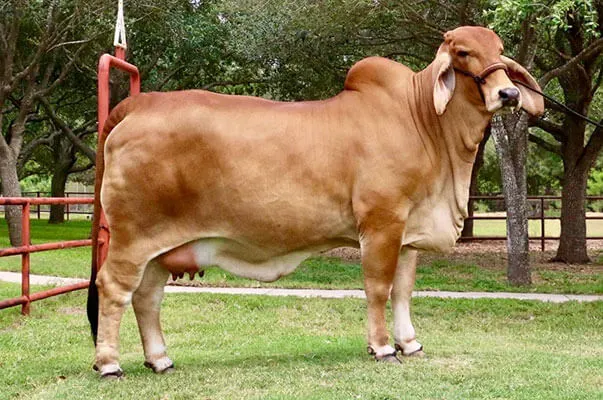
Brahman Cow – A Resilient and Gentle Giant of the Cattle World The Brahman Cow is one of the most
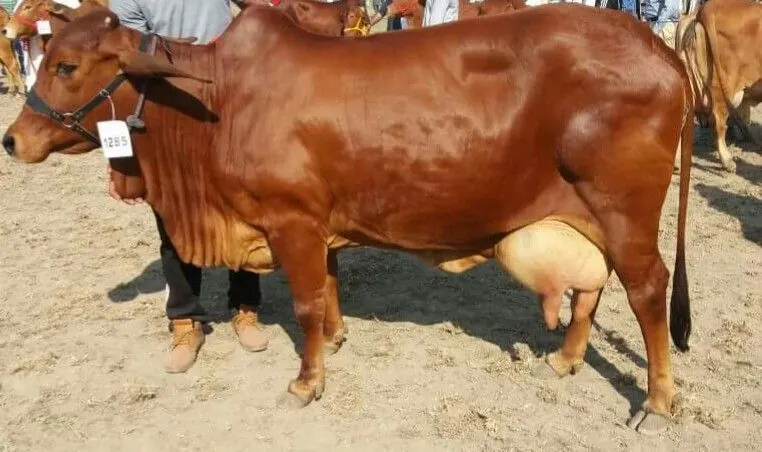
The Sahiwal Cow is one of the most famous dairy breeds in the world — celebrated for its exceptional milk
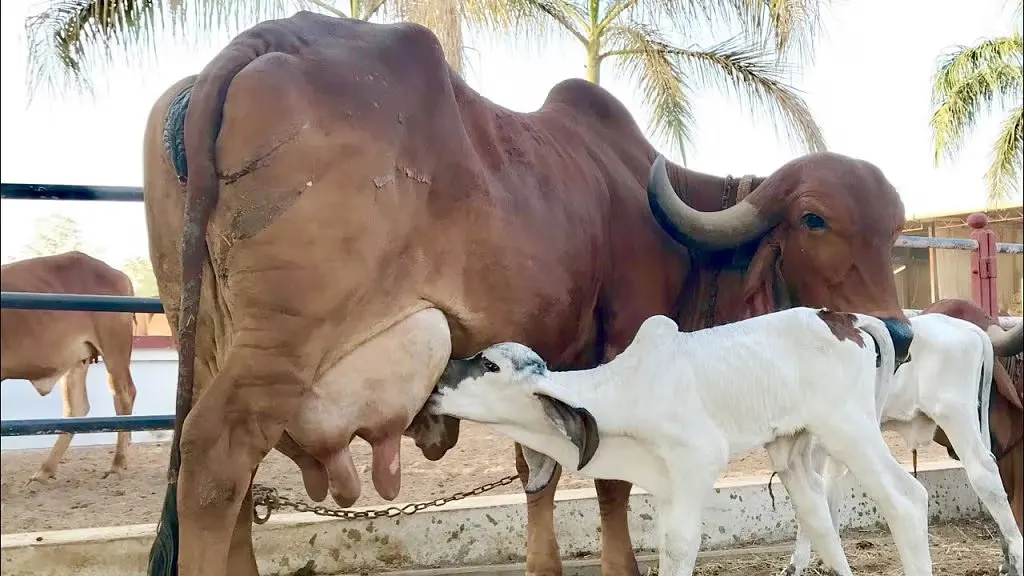
🐄 Gir Cow – The Gentle Giant of India’s Dairy Heritage 🌍 Introduction to the Gir Cow The Gir Cow
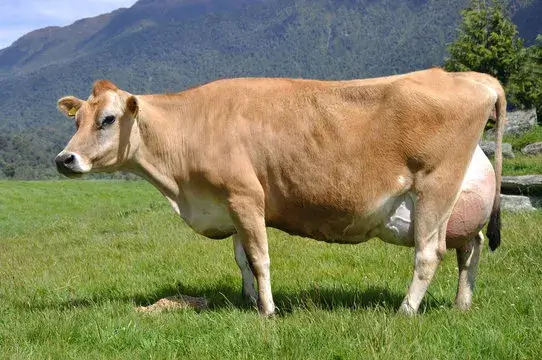
Jersey Cow – The Gentle Dairy Queen of the World The Jersey Cow is one of the most admired and
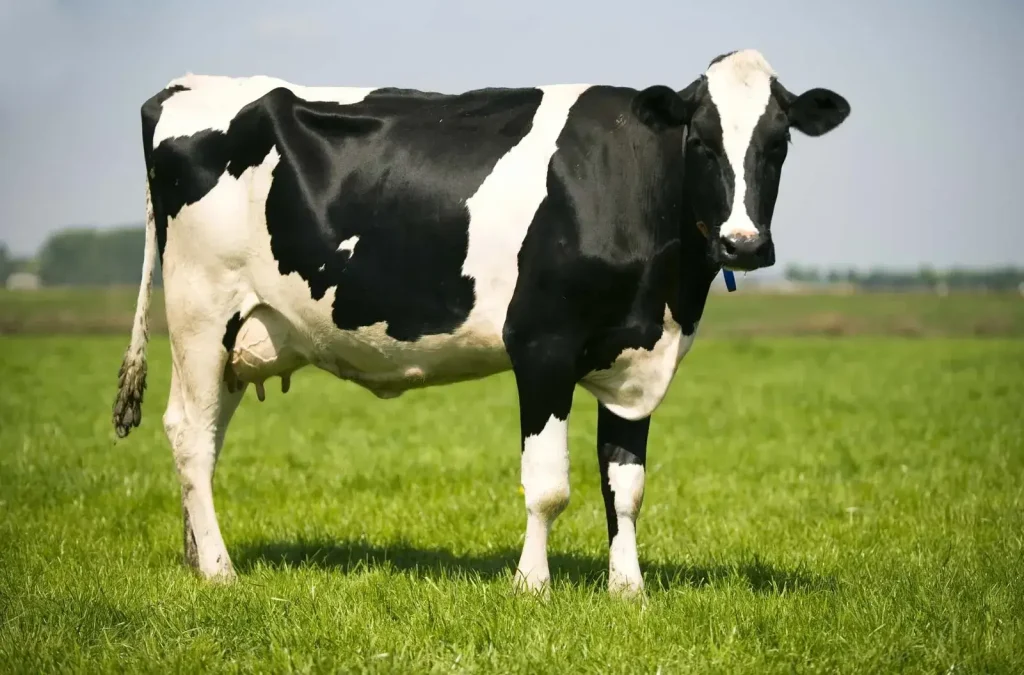
Holstein Friesian – The World’s Champion Dairy Cow The Holstein Friesian is globally recognized as the most productive dairy cow