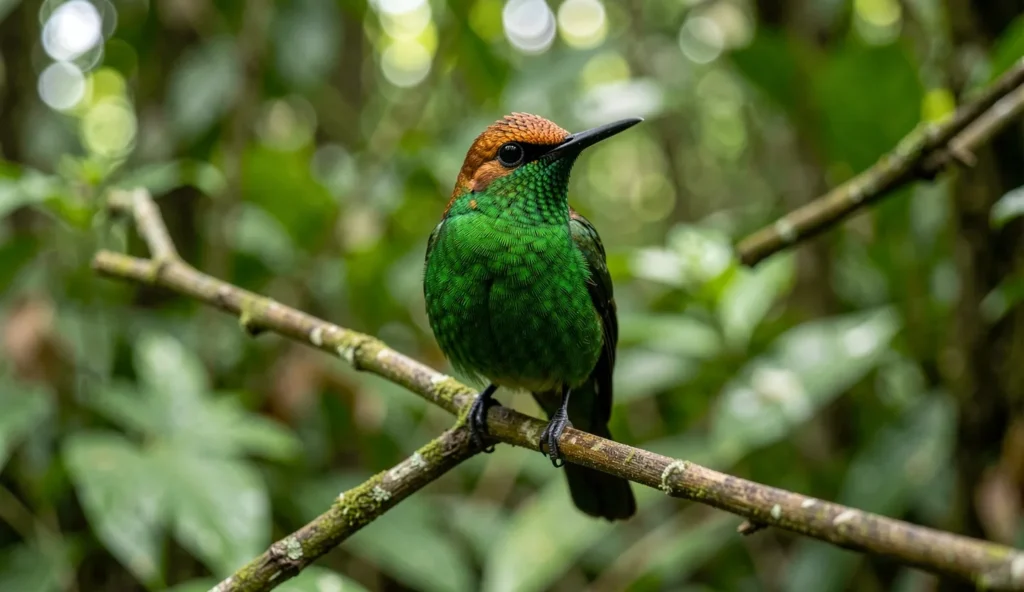
What Is A Coppery-Headed Emerald
The Coppery-headed Emerald is a small hummingbird endemic to Costa Rica. This species, noted for a copper head and emerald body, draws attention from bird photographers and wildlife enthusiasts exploring Costa Rica’s forests.
Quick Facts And Identification
- Endemic to Costa Rica
- Male with coppery crown
- Small hummingbird with a green body
- Active and fast fliers
Endemism And Distinctive Traits
The Coppery-headed Emerald is endemic to Costa Rica, sharing its landscape with other regional gems such as the Fiery-throated Hummingbird and the Green-crowned Brilliant.
Appearance And Distinctive Markings
Male Coppery Crown And Green Body
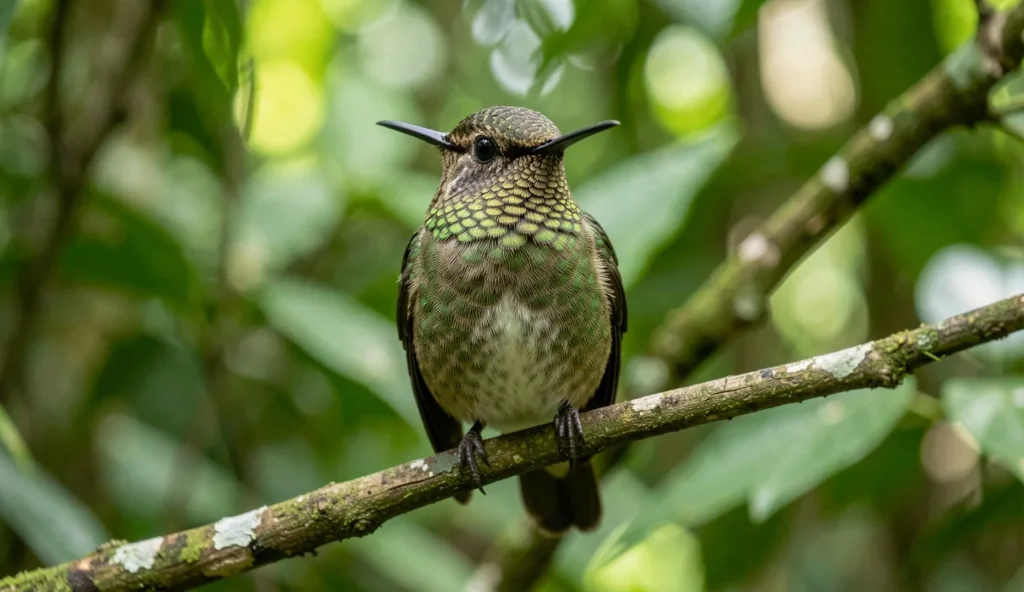
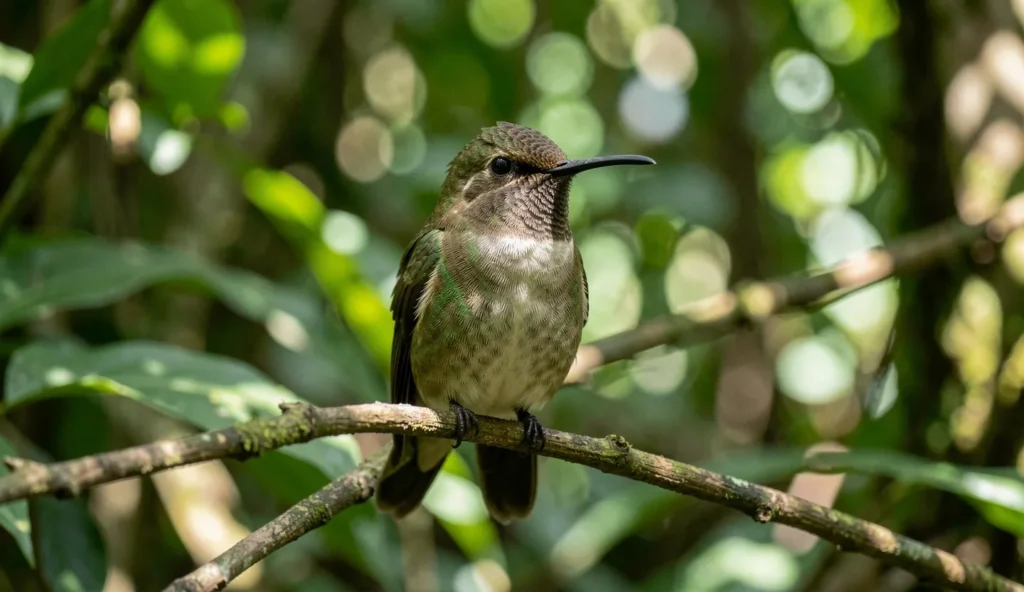
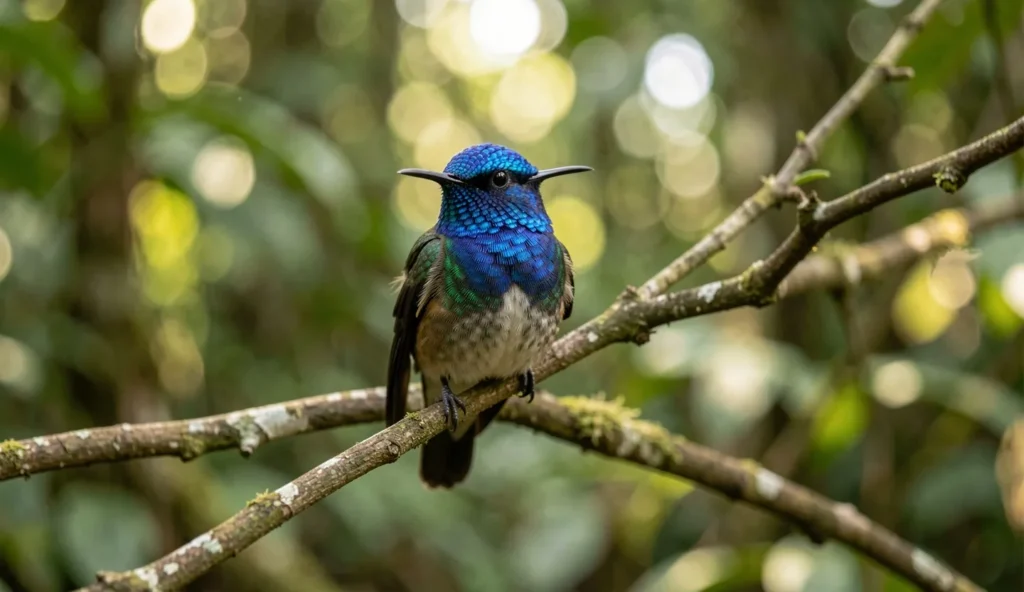
The Coppery-headed Emerald’s coppery crown contrasts with a vibrant emerald green body. The back shines a brilliant green and the bird remains very small in size.
Size And Flight Characteristics
This hummingbird measures about 8 to 9 cm in length. Wing beats are rapid, enabling quick darting and hovering through dense vegetation, similar to the Berylline Hummingbird.
Habitat And Range In Costa Rica
Forest Habitats It Inhabits
It favors tropical humid forests, forest edges, and dense understory near streams. This endemic species relies on protected areas that shelter the Coppery-headed Emerald and other endemic birds.
Elevation And Geographic Range
The Coppery-headed Emerald occupies lowland to mid-elevation zones. Geographically it concentrates in central and southern Costa Rica with limited seasonal movement.
Diet And Foraging Behavior
Nectar Sources And Foraging Patterns
Nectar from a variety of tropical flowering trees fuels daily activity. The Coppery-headed Emerald feeds on nectar from flowering plants, a pattern similar to the Cuban Emerald.
Insects And Other Food Items
Small arthropods provide essential protein between nectar meals. Prey is caught on the wing or pulled from foliage.
Behavior And Breeding
Mating Displays And Territoriality
Males display with bright plumage and defend nectar-rich territories. Courtship signals include rapid movements and vocalizations.
Breeding Season And Nesting Habits
Nests are placed in dense understory and typically two eggs per clutch. The nest is built from plant fibers and spider silk.
Observing And Caring For This Endemic Bird
Best Practices For Photographers And Birdwatchers
Maintain a respectful distance with a telephoto lens and minimize disturbance. With patience, observers can spot the Coppery-headed Emerald without disturbing its behavior.
Field Tips For Ethical Interaction And Preservation
Stay on marked trails and protect nesting sites. Do not bait or capture birds and support local conservation efforts.
Common Health Issues To Watch For
Watch for signs of fatigue or dehydration in the field. Clutch or plumage abnormalities warrant attention from local wildlife authorities.
Frequently Asked Questions
Where Is The Coppery-Headed Emerald Endemic To?
Endemic to Costa Rica.
What Does The Male Coppery-Headed Emerald Look Like?
The male has a copper crown and emerald green body.
What Does Coppery-Headed Emerald Eat?
The bird feeds on nectar from flowering plants and small insects for protein.
When Is The Best Time To See Coppery-Headed Emerald In Costa Rica?
Early morning and late afternoon, year round with seasonal peaks during flowering periods.
Final Note
The Coppery-headed Emerald highlights Costa Rica’s endemic hummingbird diversity and invites responsible viewing in its rainforest home.