Gulabi Goat – The Graceful Beauty of Pakistani Goat Breeds
The Gulabi Goat, often known as the “White Beauty of Pakistan”, is one of the most elegant and recognizable goat breeds in Pakistan. With its silky white coat, long drooping ears, and calm personality, this breed stands as a symbol of grace and pride in Pakistani livestock farming. Admired for its beauty and moderate milk yield, the Gulabi Goat has gained attention from breeders, farmers, and livestock enthusiasts across Sindh, Punjab, and beyond.
History and Origin of the Gulabi Goat
The Gulabi Goat traces its roots to Pakistan’s southern regions, particularly Sindh and Punjab. It is believed to have emerged from crossbreeding between Kamori, Beetal, and Rajhanpuri goats — three highly valued indigenous breeds. Over generations, selective breeding gave rise to a distinct line known for its pure white coat and striking features. The word “Gulabi” (meaning “rosy” in Urdu) refers to the breed’s subtle pinkish skin and elegant charm.
Physical Characteristics of the Gulabi Goat
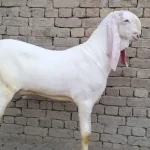
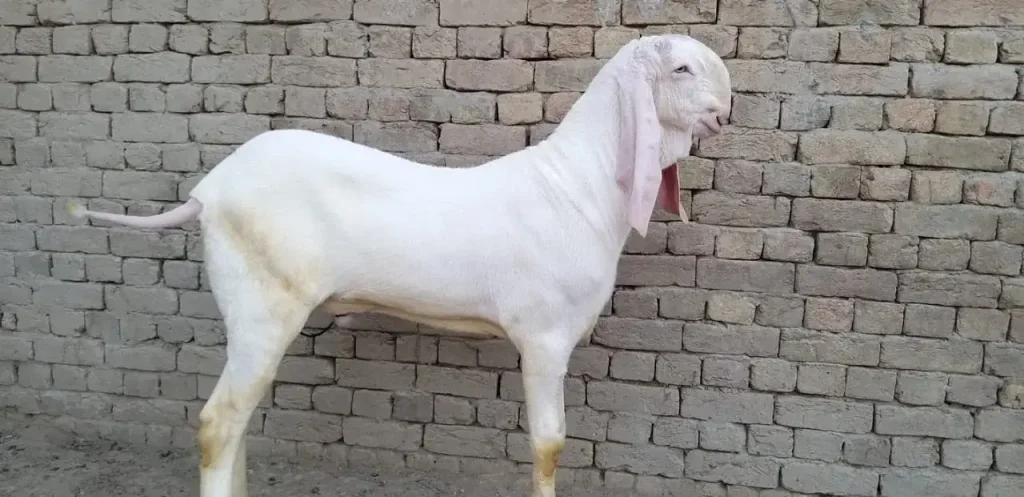
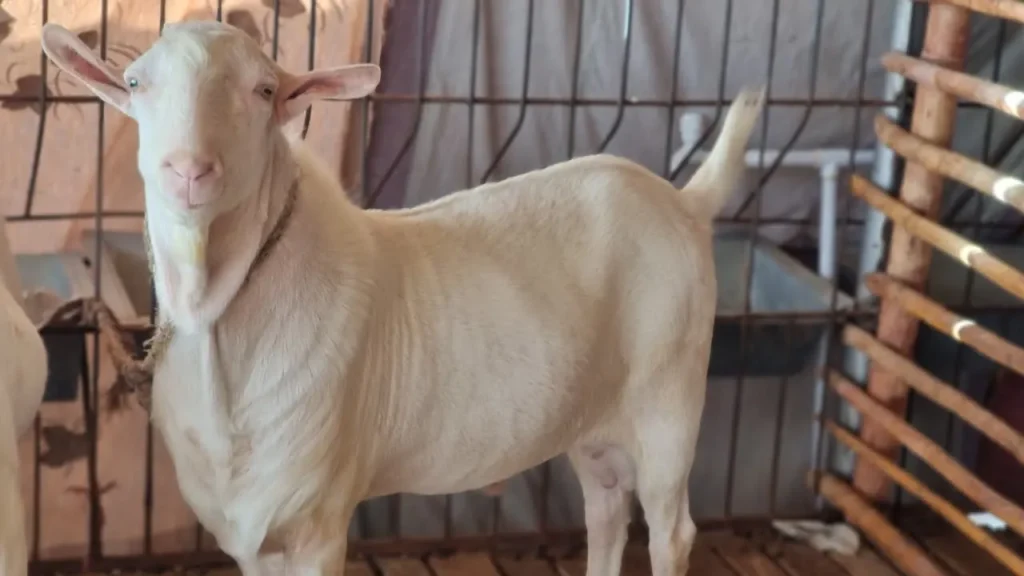
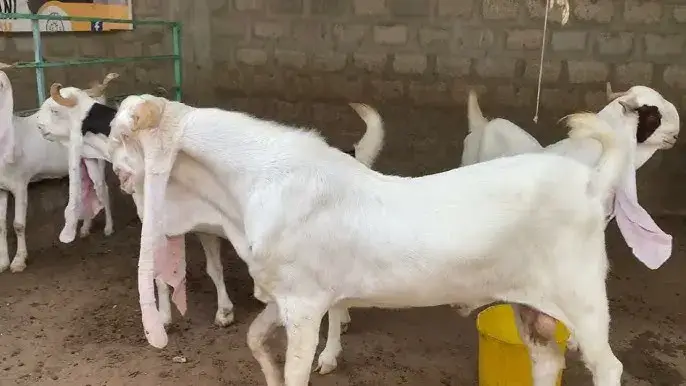
- Pure snow-white coat, occasionally with light pink patches
- Long, drooping ears extending toward the chest
- Roman-shaped nose giving a noble appearance
- Large frame with long legs and a proud stance
Adult males typically weigh between 65–85 kg (143–187 lbs), while females range from 45–65 kg (99–143 lbs). Their physical beauty makes them popular in livestock shows and Eid al-Adha festivals.
Temperament and Behavior
Gulabi goats are known for their gentle, sociable, and intelligent nature. They adapt well to handling and are ideal for both small-scale farms and family-owned setups. Their friendly temperament also makes them suitable for petting farms and ceremonial displays.
Ideal Environment and Living Conditions
While adaptable, Gulabi goats thrive best in warm, dry climates typical of southern Pakistan. They prefer:
- Dry, temperate weather conditions
- Clean, shaded shelters with good ventilation
- Pasture areas for light grazing and exercise
Diet and Nutrition for Healthy Growth
A balanced diet keeps a Gulabi goat healthy, active, and glossy:
- Green fodder such as lucerne (alfalfa) and seasonal grasses
- Grain mix of maize, wheat bran, and oil cakes
- Salt licks, calcium, and mineral supplements
- Plenty of clean drinking water, especially during hot weather
Health, Care, and Lifespan
With proper care, Gulabi goats live up to 10–12 years. Routine veterinary care helps maintain their health and appearance:
- Regular vaccinations for PPR, ET, and enterotoxemia
- Monthly deworming, especially during monsoon seasons
- Regular grooming to preserve their white coat’s brightness
Primary Uses of Gulabi Goats
- Milk Production: Produces 2–3 liters of milk per day, rich and creamy in texture.
- Show and Beauty Contests: Popular for livestock fairs and photo competitions.
- Religious and Cultural Events: Highly sought after during Eid-ul-Adha due to their majestic look.
Cultural and Economic Importance
In many rural communities, owning a Gulabi Goat is considered a status symbol. Their elegant look and rarity make them prized possessions. During festive seasons, particularly Eid, their prices surge in livestock markets across Pakistan, sometimes exceeding PKR 300,000 for premium specimens.
Breeding and Reproduction
Gulabi goats show excellent reproductive performance:
- Females reach sexual maturity around 10–12 months of age.
- They typically give birth to single or twin kids.
- The average gestation period is about 150 days.
Selective breeding ensures purity, focusing on the white coat, long ears, and symmetrical body structure that define the breed.
Fun Facts About Gulabi Goats
- Often called the “Pakistani Barbie Goat” because of its stunning appearance.
- Believed to bring good luck in many rural households.
- Highly photogenic and frequently featured in livestock magazines.
- Rare pink-nosed Gulabi goats are exceptionally valuable.
FAQs about Gulabi Goats
1. What is the price of a Gulabi goat in Pakistan?
The Gulabi goat price in Pakistan varies by region and lineage. During Eid-ul-Adha or livestock fairs, prices range from PKR 70,000 to 300,000+ for purebred show goats.
2. Is the Gulabi goat suitable for beginners?
Yes. Its calm, docile temperament makes it ideal for first-time farmers and small livestock owners.
3. Can Gulabi goats survive in cold climates?
Not comfortably. They prefer warm and dry weather but can adapt if provided proper housing and warmth in colder regions.
4. How much milk does a Gulabi goat produce daily?
They produce around 2–3 liters per day, depending on diet and health. While not a top dairy breed, their milk is nutritious and creamy.
5. How can I identify a pure Gulabi goat?
Look for pure white fur, long hanging ears, Roman nose, and elegant symmetry. Consult reputable breeders for authentic bloodlines.
Conclusion – The Pride of Pakistani Goat Breeds
The Gulabi Goat is more than livestock — it’s a symbol of beauty, tradition, and prestige in Pakistan’s rich agricultural culture. Its charm, grace, and calm nature make it beloved among goat enthusiasts worldwide. Whether raised for breeding, showing, or as a family pet, the Gulabi Goat remains one of Pakistan’s most iconic and graceful goat breeds.