Jersey Cow – The Gentle Dairy Queen of the World
The Jersey Cow is one of the most admired and productive dairy cattle breeds in the world. Originating from the island of Jersey in the English Channel, this breed has earned global recognition for its high-butterfat milk, friendly temperament, and adaptability to various climates. Farmers and dairy producers value the Jersey not only for its superior milk quality but also for its efficient feed conversion and gentle nature, making it an ideal choice for both large dairy operations and small family farms.
History and Origin of the Jersey Cow
The Jersey breed traces its origins back more than six centuries to the island of Jersey, located between England and France. Due to strict import and breeding regulations on the island, the purity of the Jersey bloodline was carefully maintained for generations. These laws helped preserve the distinctive characteristics that make the Jersey one of the most reliable and purest dairy breeds today.
Over time, Jerseys were exported worldwide and became especially popular in countries such as the United States, India, Australia, and New Zealand for their consistent milk production and adaptability.
Physical Characteristics of Jersey Cattle
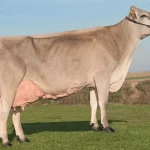
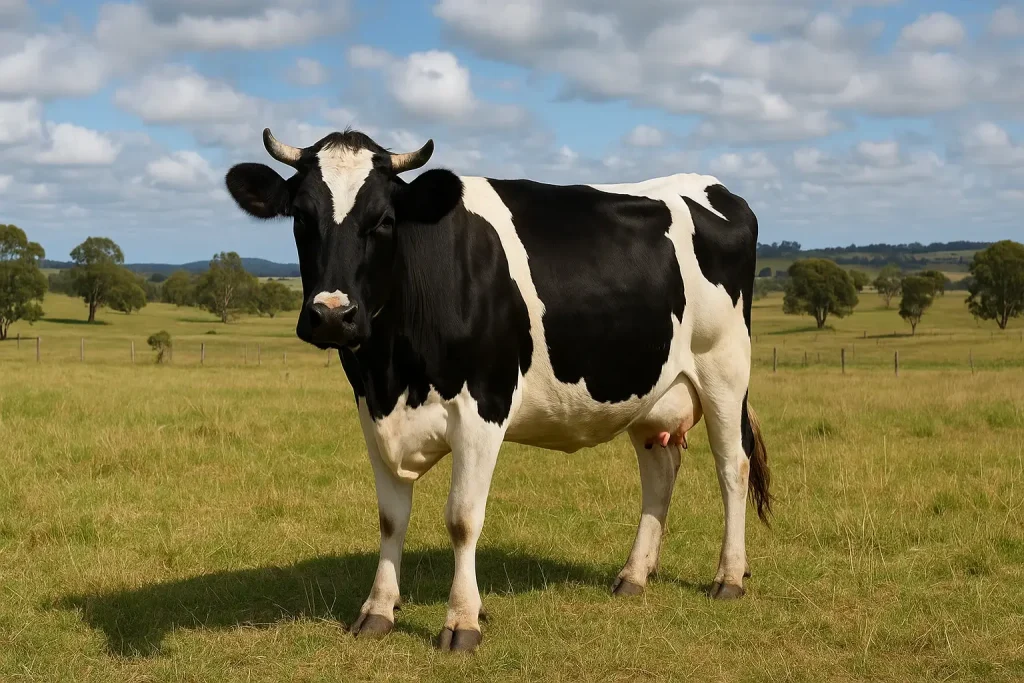
The Jersey cow is known for her beauty, elegance, and productivity. Despite being smaller than most dairy breeds, she has a strong, well-proportioned frame designed for efficient milk production.
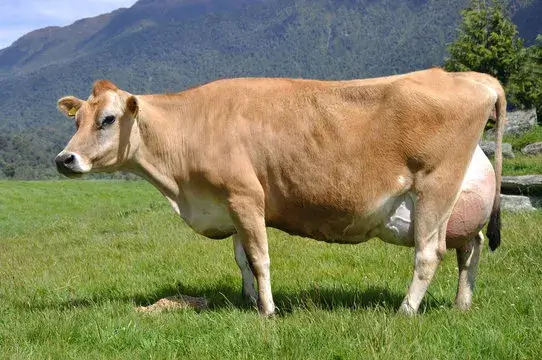
- Color: Usually light brown or fawn, sometimes with white patches.
- Eyes: Large, dark, and expressive, giving the Jersey a gentle appearance.
- Weight: Adult cows weigh between 400–500 kg (880–1,100 lbs).
- Bulls: Larger, weighing up to 800 kg (1,760 lbs).
- Build: Small-boned, sleek, and feminine in structure, with a dished face and refined features.
Temperament and Behavior of Jersey Cows
Jersey cows are loved for their calm and friendly temperament. They are social animals that bond easily with handlers, making them perfect for small farms and family-run dairies. Their intelligence and curiosity make them easy to train and manage. Because of their gentle disposition, they are often recommended for beginner dairy farmers or educational farm programs.
Ideal Environment for Raising Jersey Cows
One of the reasons the Jersey cow is so popular is its adaptability. These cows thrive in a wide range of climates—from the warm regions of South Asia to the cooler highlands of Europe and North America. They prefer clean, open pastures with good grass availability and need well-ventilated shelters for protection during extreme weather. Regular access to shade and fresh water helps maintain milk yield and overall health.
Jersey Cow Milk Production and Nutrition
Jersey milk is among the richest and creamiest of all dairy breeds, making it highly desirable for butter, cheese, and yogurt production. The breed is known for exceptional efficiency—producing more milk per unit of body weight than any other dairy cow.
- Average milk yield: 4,000–6,000 liters per year.
- Butterfat content: Around 5%, compared to 3.5% in most other dairy breeds.
- Protein content: Approximately 3.8%, ideal for cheese and yogurt making.
- Diet: A combination of green fodder, silage, grains, and mineral supplements.
- Hydration: Access to clean water is crucial to maintain optimal milk flow and health.
This breed’s milk not only tastes rich but is also packed with nutrients such as calcium, vitamin B12, and protein, making it a healthy choice for consumers worldwide.
Health and Lifespan of Jersey Cows
With proper care, Jersey cows can live between 12 and 15 years, and many remain productive for a decade or more. Maintaining good hygiene, nutrition, and preventive healthcare ensures longevity and steady milk production. Regular vaccinations, parasite control, and hoof care are essential practices for maintaining herd health.
Because of their smaller size, Jerseys generally experience fewer calving problems than larger breeds, making them ideal for sustainable and low-stress dairy operations.
Main Uses of Jersey Cattle
The Jersey cow’s value extends far beyond milk production. Farmers appreciate them for their versatility and ability to adapt to different dairy systems.
- Dairy Production: Rich milk ideal for butter, cream, cheese, and ice cream manufacturing.
- Family Farms: Their manageable size and gentle nature make them suitable for small or backyard dairies.
- Crossbreeding: Jerseys are often used to enhance local breeds by improving milk quality and fat percentage.
- Organic Farms: Their efficient feed conversion and calm nature make them well-suited for organic and grass-fed operations.
Economic and Cultural Importance of the Jersey Breed
Globally, the Jersey Cow is considered one of the most economically beneficial dairy breeds. Their feed efficiency means lower input costs, while their premium milk commands higher market prices. In developing countries, Jerseys have been used successfully in crossbreeding programs to improve milk yield and quality in local cattle. In addition, their gentle nature and attractive appearance have made them symbols of sustainable dairy farming in many regions.
Breeding and Reproduction in Jersey Cows
Jerseys mature early and have a high reproductive rate, which makes them an excellent choice for continuous dairy production. Heifers typically reach breeding age between 15–18 months and calve for the first time around two years old. The calving interval averages 12–13 months, allowing farmers to maintain a steady milk supply. Calves are small and hardy, making births easier and less stressful for both the cow and the farmer.
Fun Facts About Jersey Cows
- Jersey cows produce the richest milk among all dairy breeds.
- They are found in more than 100 countries across the world.
- The breed is known for its gentle expression and distinctive large eyes.
- Jersey milk is the preferred choice for premium butter and artisan cheese products.
- They are among the oldest pure dairy breeds in recorded history.
FAQs about Jersey Cow
Q1: Why is Jersey Cow milk considered premium?
A: Jersey milk has higher butterfat and protein levels, giving it a richer texture and creamier flavor. It’s perfect for making butter, yogurt, and cheese.
Q2: Are Jersey cows suitable for small farms?
A: Yes. Their smaller body size, calm nature, and efficient milk production make them perfect for small farms and family dairies.
Q3: How much does a Jersey cow cost?
A: The price varies by country and age, but typically ranges from $1,000 to $2,000 for healthy, milk-producing cows.
Q4: Do Jersey cows require special care?
A: They need the same standard care as other dairy breeds but are generally easier to manage and less demanding than larger cows.
Q5: Can Jersey cows be crossbred with local breeds?
A: Absolutely. They are commonly crossbred with native cattle to increase milk yield and butterfat content in developing regions.
Conclusion – Why Choose a Jersey Cow?
The Jersey Cow continues to reign as one of the most cherished dairy breeds worldwide. With her calm temperament, adaptability, and rich, high-butterfat milk, she represents efficiency and sustainability in modern dairy farming. Whether you are a small-scale farmer or a commercial producer, adding Jersey cows to your herd can bring long-term profitability and satisfaction. They embody the perfect balance of beauty, productivity, and resilience — making them truly the gentle queens of the dairy world.
Jersey Cow for Sale
The Jersey Cow is in high demand for its small size, friendly personality, and nutrient-rich milk. Originating from the Channel Island of Jersey, it remains one of the most productive dairy breeds across the world. Below are trusted links to find Jersey cows for sale in your country:
- Jersey Cow for Sale in India
- Jersey Cow for Sale in Pakistan
- Jersey Cow for Sale in UAE
- Jersey Cow for Sale in Malaysia
- Jersey Cow for Sale in Canada
- Jersey Cow for Sale in Australia
- Jersey Cow for Sale in United States
- Jersey Cow for Sale in Nigeria
- Jersey Cow for Sale in Philippines
- Jersey Cow for Sale in Indonesia
- Jersey Cow for Sale in United Kingdom