What Is a Spectacled Owl
The Spectacled Owl is a medium sized owl native to the Americas, recognized for its distinctive facial pattern that resembles spectacles. This species is primarily nocturnal and hunts under the cover of darkness, making it a notable subject for neotropical bird enthusiasts who study night predators.
Species Overview
The Spectacled Owl is a compact raptor with a rounded head and a sturdy build, well suited to dense forest life. Spectacled owl facts emphasize its nocturnal lifestyle and wide distribution across Neotropical forests.
Taxonomy and Nomenclature
Taxonomically, the Spectacled Owl belongs to the genus Pulsatrix, with Pulsatrix perspicillata as its scientific name, and is related to other neotropical owls through shared ancestry. The common English and Spanish names reflect its facial pattern, and field guides sometimes compare its appearance to the Barred Owl as a point of reference for observers.
Appearance and Physical Features
Facial Pattern
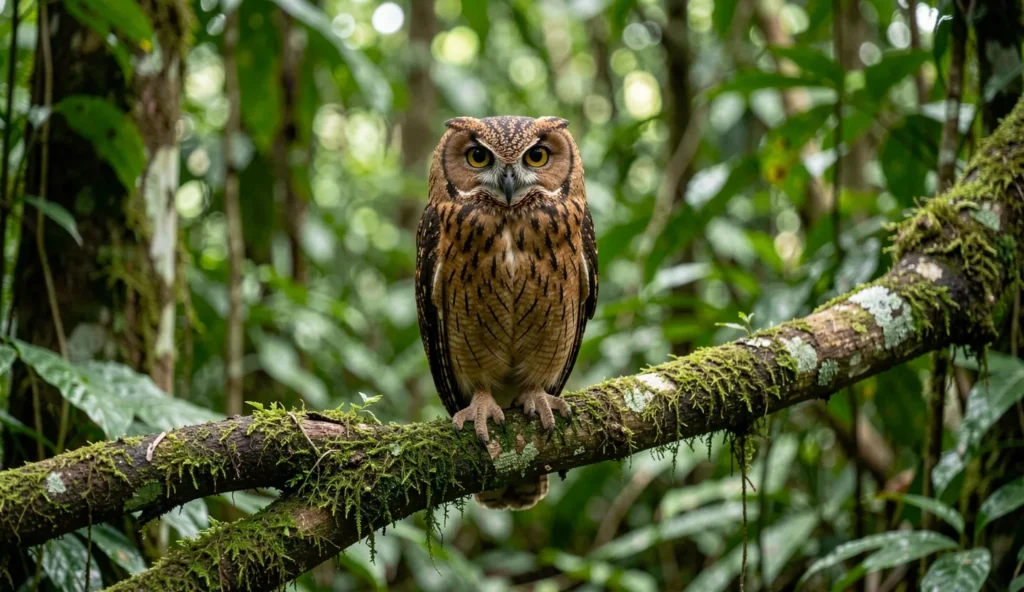
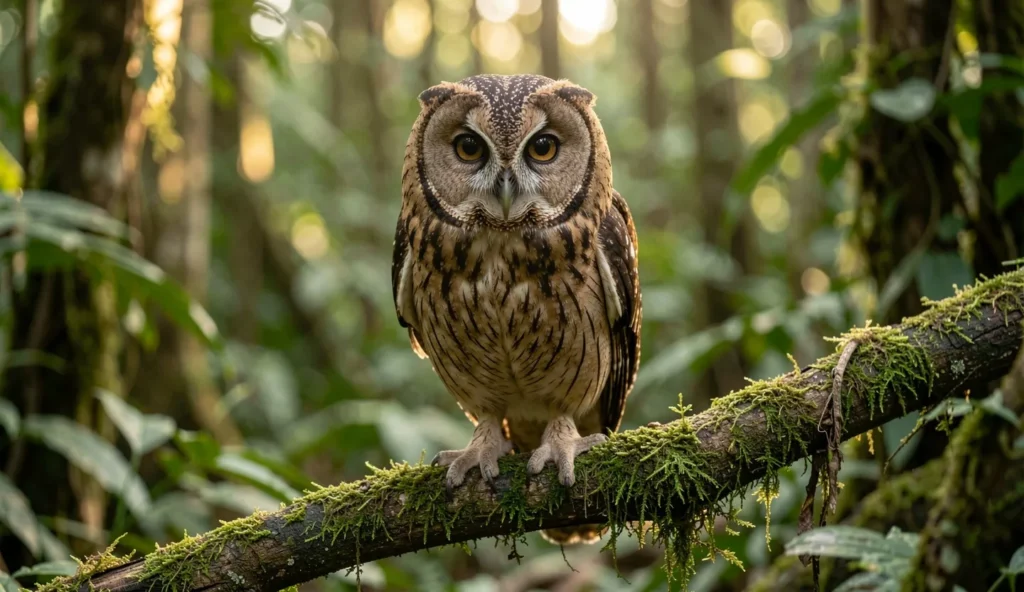
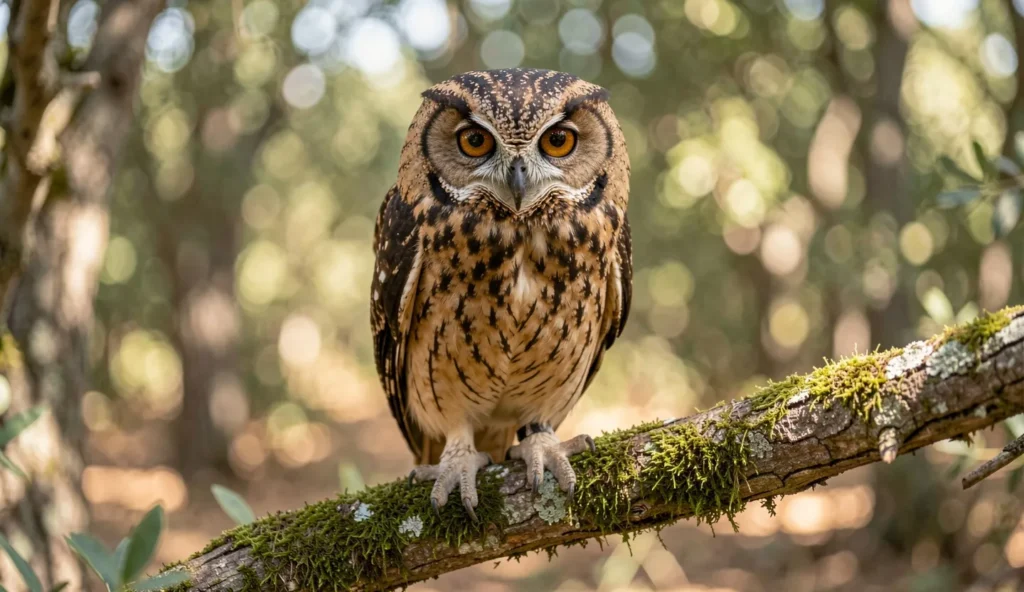
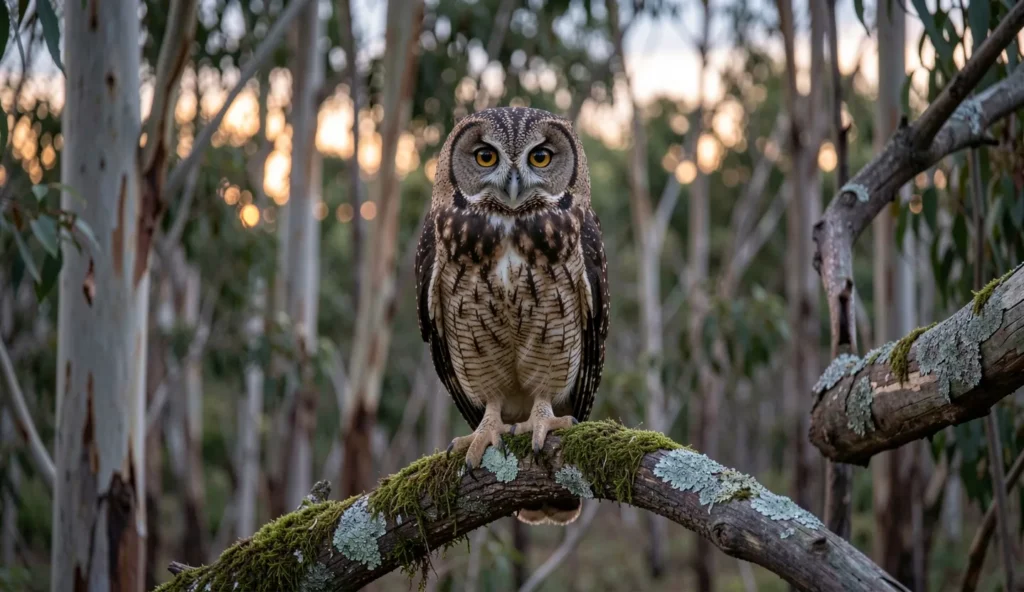
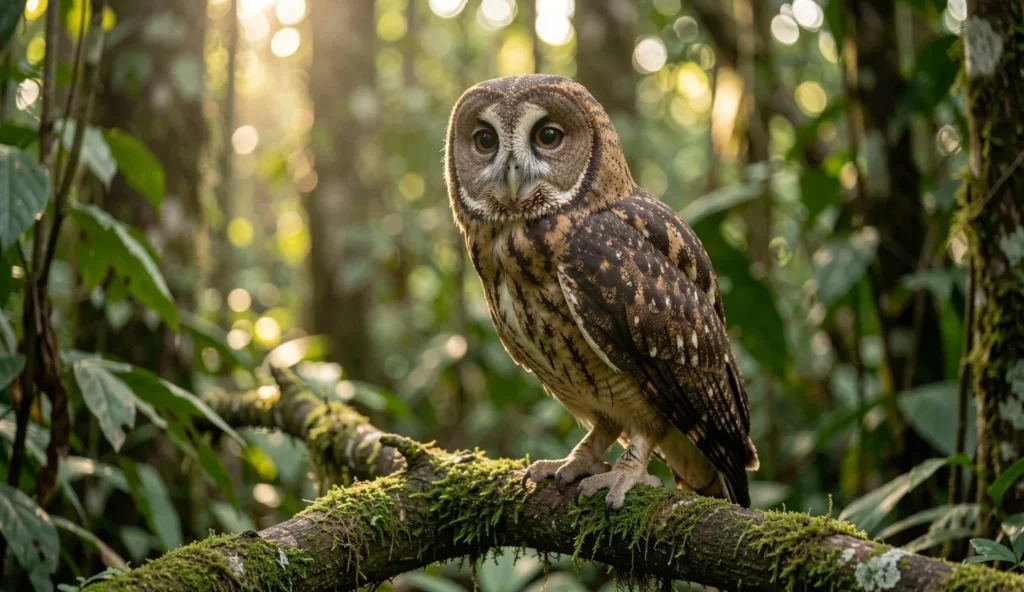
The facial pattern centers on a dark eye patch surrounded by pale rings, a feature that creates the impression of spectacles. This facial disc helps concentrate light and reduce glare during twilight and night hunts, aiding precise focus on prey such as small vertebrates.
Body Coloration
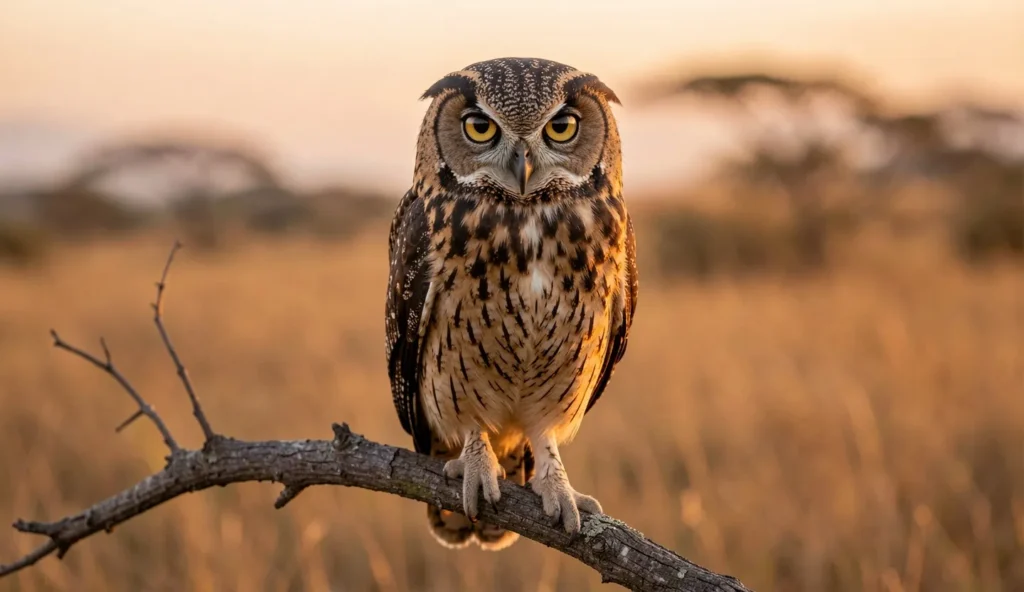
Body plumage ranges from rufous to grayish brown, with a mottled underbelly that provides camouflage in dappled light. The overall coloration blends with forest textures, enhancing concealment while watching for movement below a canopy.
Size and Wingspan
The Spectacled Owl is of medium body size among owls, with broad wings that support agile, silent flight. These adaptations enable short, controlled bursts when pursuing prey from perches or midair.
Temperament and Personality
Behavioral Traits
Observers note that the bird is relatively quiet during the day and becomes active at night with a peak around dusk. Its temperament is suited to patient watching from a concealed perch rather than conspicuous daytime activity.
Voice and Calls
Distinct hoots and calls mark territory and mating behavior, and vocalizations vary across regions to convey different messages. These sounds provide important clues for field study and identification by nocturnal observers.
Diet and Foraging
Diet Items
The Spectacled Owl diet includes small vertebrates such as rodents and reptiles, along with large insects and occasionally birds. Spectacled owl facts highlight its opportunistic feeding strategy across various Neotropical habitats.
Foraging Habits
Hunting is conducted from perches or during short flights, using stealth and surprise to capture prey. These nocturnal foraging patterns minimize exposure to daytime predators while maximizing hunting success.
Habitat and Range
Geographic Range
The range spans from Mexico through Central America and into South America, making the Spectacled Owl a common sight in diverse Neotropical forests. Its distribution mirrors the availability of dense canopy cover and suitable roosting trees, which support year round activity.
Preferred Habitats
Dense forests and forest edges with standing trees for roosting and nesting offer ideal conditions. Riparian corridors and secondary growth patches also provide hunting opportunities for this nocturnal specialist.
Is Spectacled Owl Right for You
Care and Ethical Considerations
Spectacled Owls require specialized care and federal permits in many regions, making them inappropriate for casual keepers. They are best suited for experienced handlers within properly designed aviaries that mimic natural conditions.
Conservation and Ethical Notes
These owls are part of diverse Neotropical ecosystems, and habitat loss can threaten local populations in some areas. Responsible viewing and supporting habitat preservation help reduce human impact on wild populations.
FAQs: Spectacled Owl
Where is the natural range of the Spectacled Owl found?
Its range spans from Mexico to Argentina across various Neotropical forests.
What does the Spectacled Owl primarily eat in the wild?
It hunts small vertebrates like rodents and reptiles as well as large insects.
How can you identify a Spectacled Owl in the forest?
Look for the distinctive pale facial discs around dark eyes and mottled body plumage.
Are Spectacled Owls kept as pets or in aviaries?
They are generally not suitable as pets and require specialized care and permits in captivity.
What is the conservation status of the Spectacled Owl?
Conservation status varies by region but habitat loss can impact local populations.
Final Note
Observing the Spectacled Owl reveals a unique nocturnal hunter of the Neotropics. For enthusiasts, careful field study supports both appreciation and conservation goals.