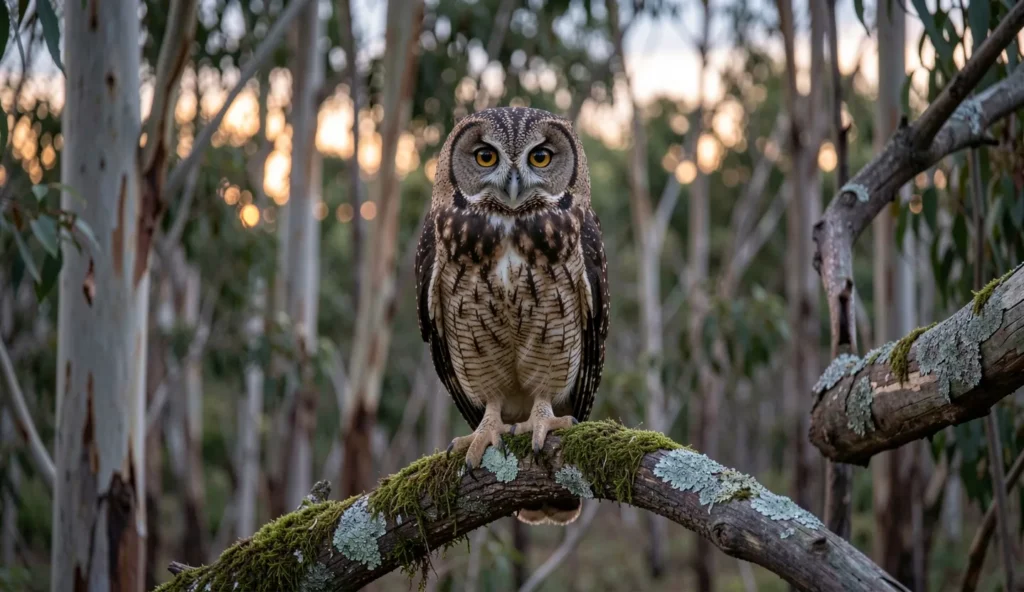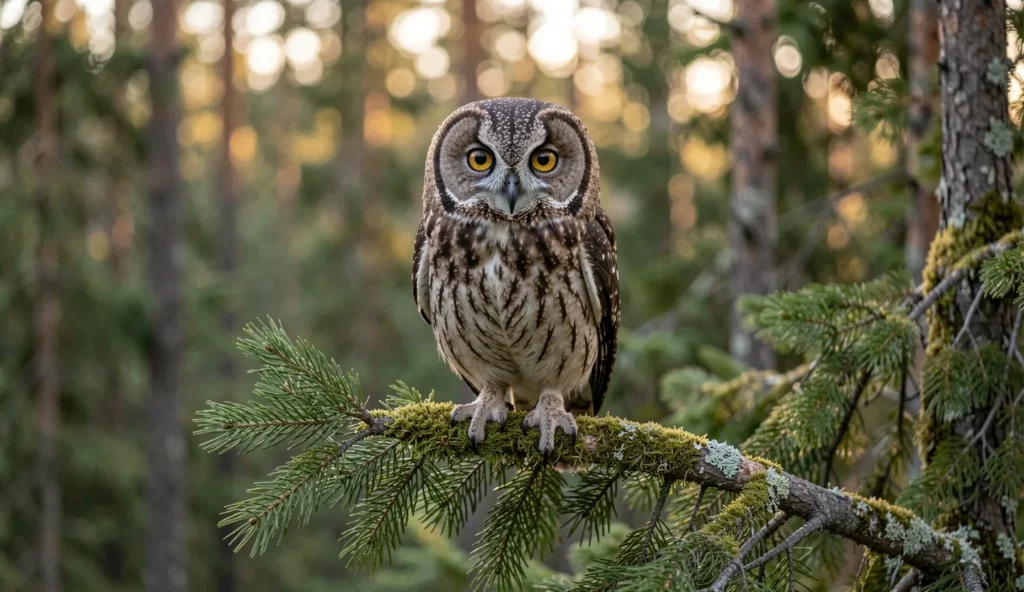
What Is a Boreal Owl?
The Boreal Owl is a small nocturnal owl native to boreal forests across the northern hemisphere. It earns its reputation through precise, silent flight while hunting at night, a hallmark of taiga nocturnality.
Definition And Taxonomy
The Boreal Owl (Aegolius funereus) belongs to the true owl family, Strigidae, and is one of several small boreal specialists. It is commonly referred to by its scientific name and by Tengmalm’s Owl in some regions.
Appearance And Physical Features
Size And Plumage
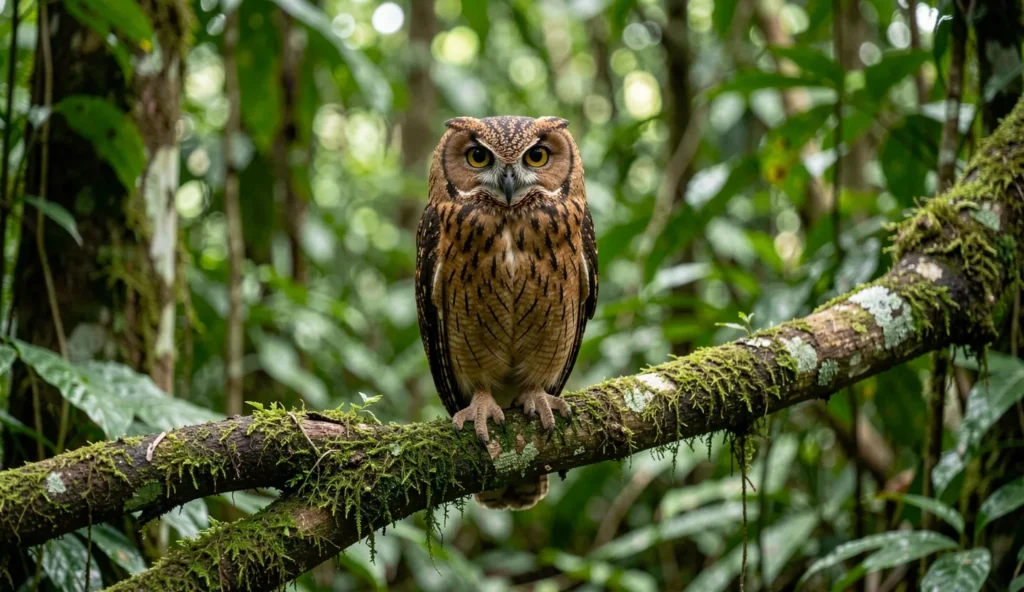
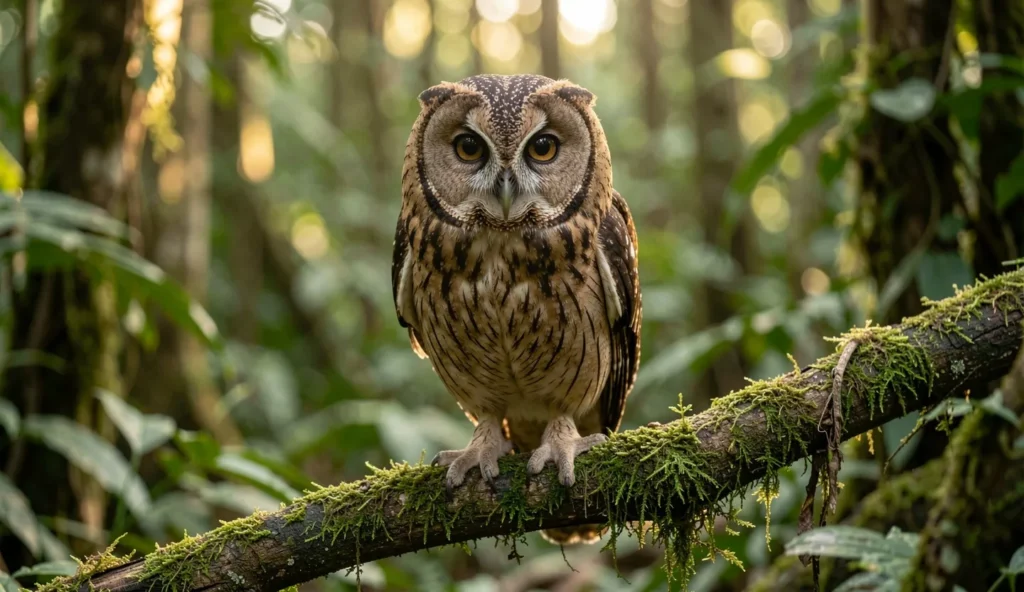
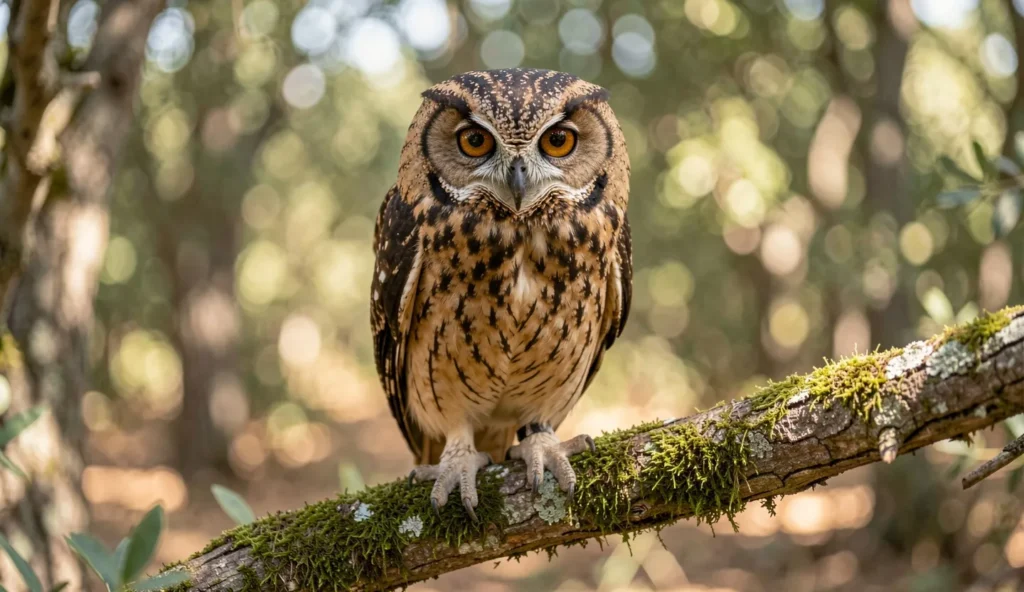
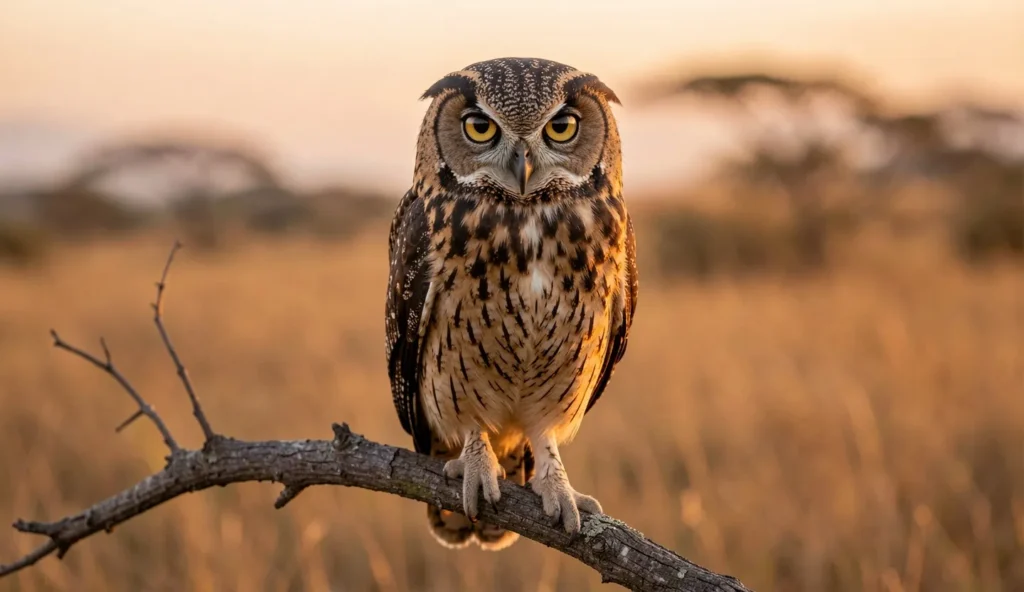
The Boreal Owl is a compact bird with a rounded head and a short bill. Its mottled brown and white plumage provides camouflage against tree bark, similar in visual function to the Arctic-adapted Snowy Owl.
Wings And Flight
Short wings enable precise, silent approaches when hunting; soft feather edges reduce noise during the descent. This adaptation helps the Boreal Owl catch prey in dim light.
Habitat And Range
Preferred Habitat
It favors coniferous taiga and mixed forests, often nesting in tree cavities or abandoned woodpecker holes. These secure spaces protect nests from many predators, unlike open-country specialists such as the Barn Owl.
Geographic Range
The Boreal Owl is found across northern boreal zones of Europe, Asia, and North America, and its range shifts with prey availability and seasonal conditions. In some regions, climate factors influence breeding distribution similar to other northern owls like the Great Horned Owl.
Diet And Behavior
Diet In The Wild
The Boreal Owl primarily eats small mammals such as voles and mice. It also takes birds, insects, and occasional amphibians when prey density shifts, a pattern shared by the Long-eared Owl.
- Voles and mice are the main prey
- Birds, insects, and occasional amphibians
- Seasonal shifts in prey availability
Foraging And Feeding Frequency
It hunts mainly at night, with some crepuscular activity during dawn and dusk. In some habitats, prey density drives feeding frequency, similar to patterns observed in other forest owls such as the Barred Owl.
Breeding And Life Cycle
Breeding Season
Breeding occurs in late winter to early spring in many regions. Clutches typically contain 3–7 eggs.
Chick Development
Chicks fledge after roughly 28–34 days. Lifespans in the wild often span several years with suitable habitat.
Common Health Issues
In The Wild
Predation and habitat loss are major threats to Boreal Owls. Disease risks can rise in dense nesting sites where close proximity facilitates transmission, particularly in crowded roosts.
Conservation And Rehabilitation
Proper handling and rehabilitation require specialized care and permits. Ethical observation supports conservation goals for taiga ecosystems.
Is Boreal Owl Right For You
Ideal For Field Researchers
The Boreal Owl is best suited to remote northern climates requiring patience and proper logistics. It offers valuable insights into boreal ecosystem dynamics for researchers.
Ethical Considerations
Respect nesting and habitat protections, and support conservation through responsible observation. Ethical field work aligns with practices used by researchers studying related species such as the Eastern Screech Owl.
Final Note
Observers should maintain distance and minimize disturbance in taiga habitats. This careful approach helps protect the Boreal Owl and its forest home.
Frequently Asked Questions
Where is the boreal owl most commonly found?
Typically in boreal forests across northern Europe, Asia, and North America.
What does a boreal owl primarily eat?
Small mammals like voles and mice are the main prey.
What is another name for the boreal owl?
Tengmalm’s Owl is a common alternate name.
Why is the boreal owl rarely seen by people?
It inhabits remote taiga forests and is primarily nocturnal.
How long do boreal owls live in the wild?
Lifespans of several years are typical in favorable habitats.
When is the boreal owl most active and vocal?
Most active at night with calls used for territory and mating.