What Is a Spotted Owl
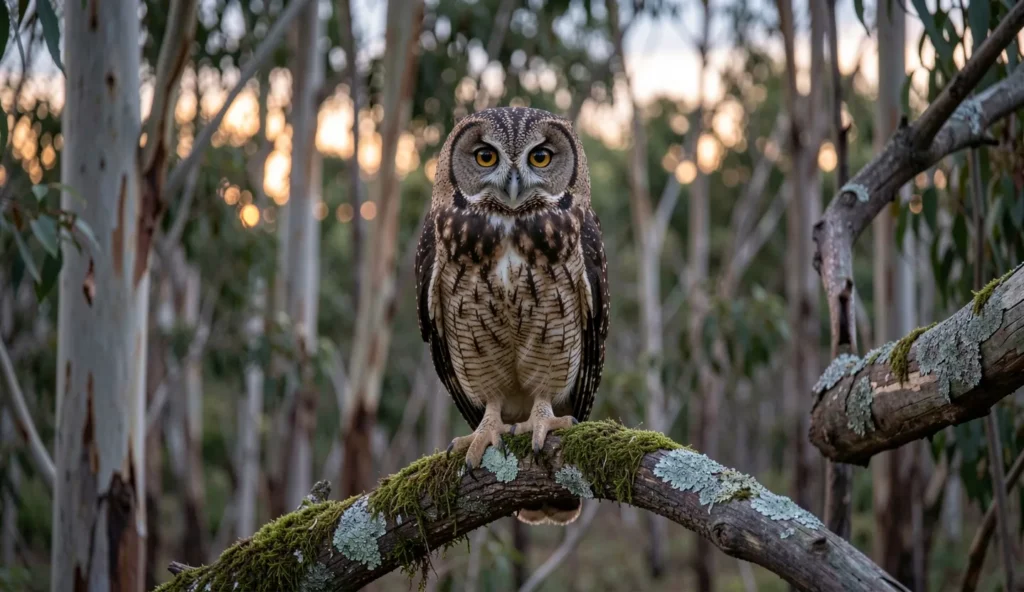
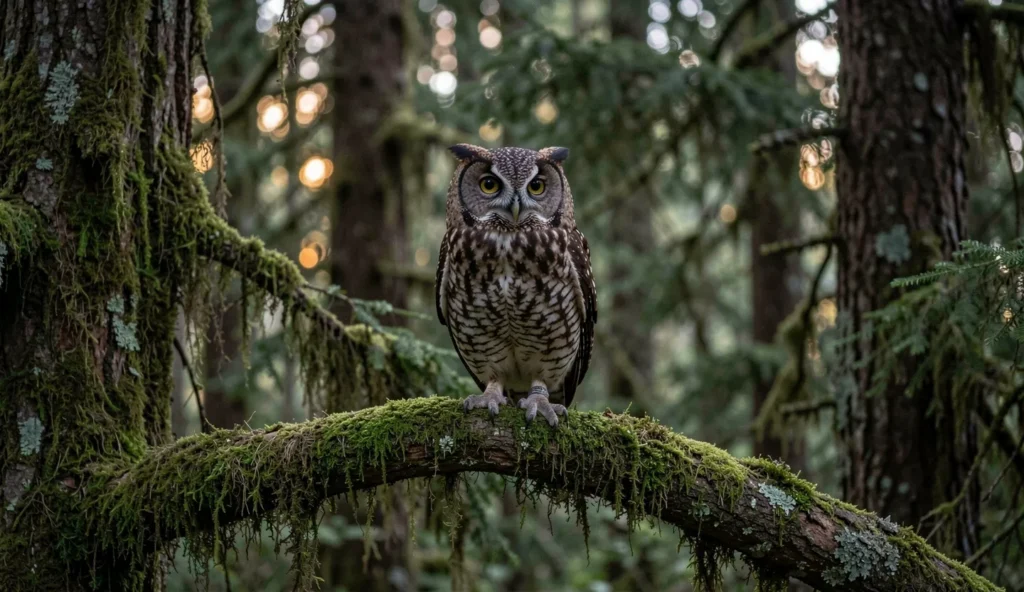
The Spotted Owl is a medium to large owl native to North America, notable for its darkly spotted chest and wings. It belongs to the true owl family and shares distinctive vocalizations with other forest dwellers, including the Great Horned Owl.
Species Overview
The Spotted Owl relies on mature forests with dense canopy and complex understory for shelter and hunting.
Distribution and Subspecies
Two main groups exist: the northern spotted owl and the California spotted owl, with ranges along the Pacific Northwest toward western forests. The species interacts with other woodland predators, such as the Barred Owl, which can influence habitat use in some areas.
Appearance and Physical Features
Plumage Pattern
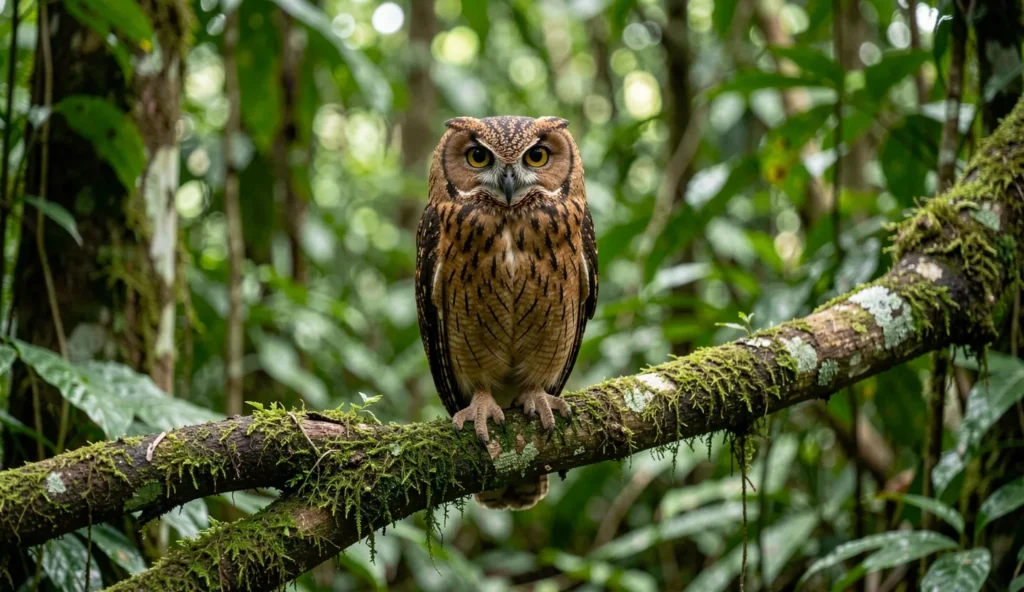
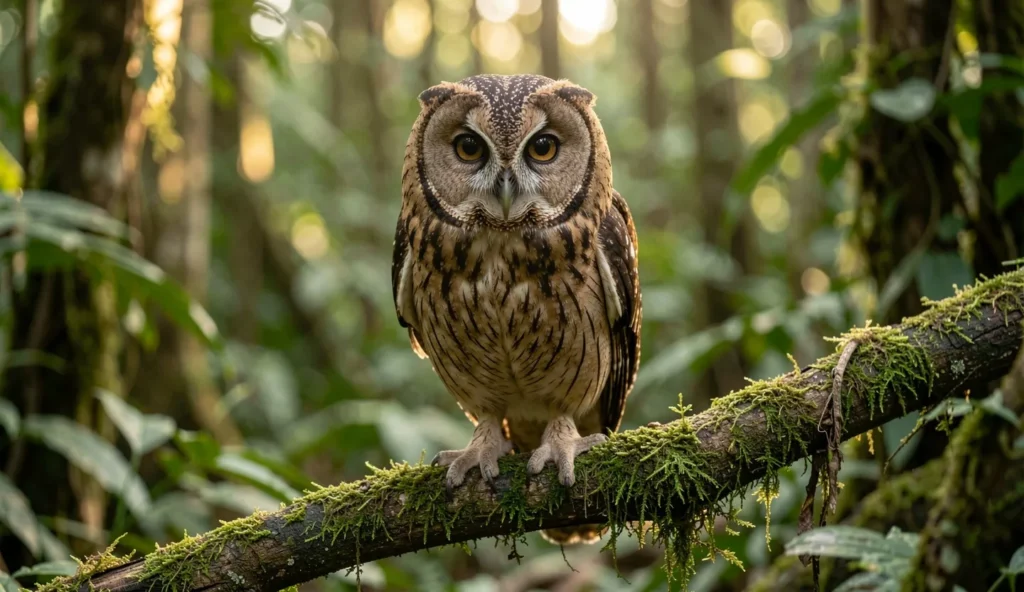
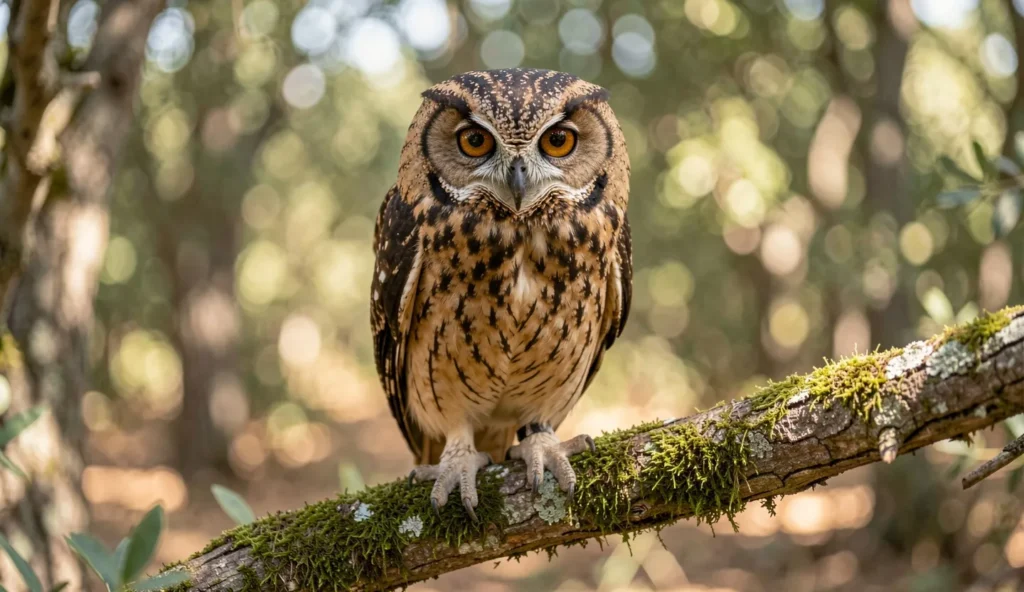
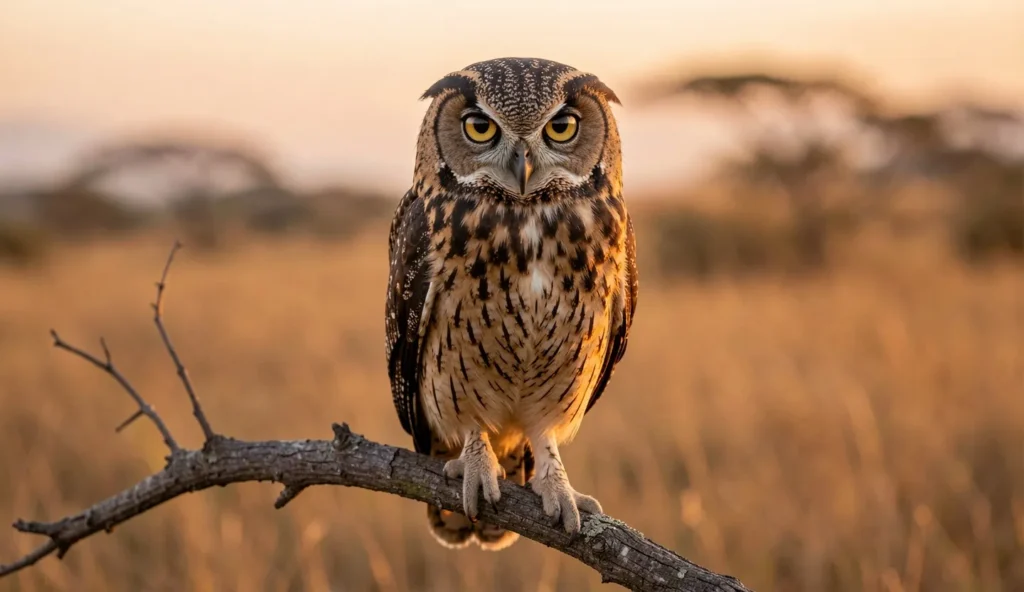
The plumage ranges from brown to gray-brown on the upperparts, with pale underparts covered in large circular spots. A prominent pale facial disc surrounds the eyes, aiding camouflage similar to the Barn Owl.
Size And Wingspan
The Spotted Owl is medium to large, with a wingspan typically ranging from 90 to 110 centimeters. The body length is around 40 centimeters, and this size is sometimes compared with the Snowy Owl in extreme conditions.
Distinguishing Traits
Its rounded face with dark eyes and a mottled body helps it blend into tree limbs. Subtle ear tufts are rarely visible, and the overall pattern aids camouflage in dense foliage.
Habitat And Range
Old Growth Forest Requirements
Old growth forests provide the large crowns, snags, and dense understory the Spotted Owl relies on for hunting and nesting. The Spotted Owl’s survival hinges on the integrity of these habitats and slow fire regimes, making undisturbed areas essential.
Geographic Distribution
The species is found mainly along the Pacific coast and inland ranges, with populations extending from British Columbia to Northern California. Isolated groups appear in some interior regions where forest connections are limited by fragmentation.
Nesting Habits
Nests are placed in tree hollows or cavities in snags, and the birds are typically monogamous during the breeding season. Nesting success depends on maintaining undisturbed habitat with adequate prey availability.
Behavior And Diet
Nocturnal Activity
The Spotted Owl is active mainly at night and during twilight, patrolling territories and foraging across mapped home ranges. Territorial calls help defend feeding and nesting areas from rivals.
Hunting Methods
It hunts by perching and then ambushing small mammals from selected perches within the canopy. Diet includes rodents and shrews, with occasional birds depending on prey availability.
Vocalizations
Distinct hoots are used to signal territory and attract mates, varying by region and subspecies. Calls influence interactions with neighboring pairs and help maintain space in dense forests.
Is Spotted Owl Conservation Right For You
Ways To Help
Support sustainable forestry practices that protect mature forests and critical nesting sites. Participation in citizen science projects and habitat monitoring can bolster local data for management decisions.
Policy And Community Involvement
Engage with local conservation groups and advocate for habitat protections and restoration projects in forested regions. Clear communication with landowners, policymakers, and indigenous communities strengthens reconciliation and actionable outcomes.
Researchers And Advocates Considerations
Ethical data collection and respectful collaboration with communities are essential to advancing conservation goals. Transparent reporting and inclusive dialogue build trust among stakeholders.
Final Note
Ongoing stewardship of old growth forests is critical for survival. Conservation work benefits broader forest ecosystems and community resilience.
Frequently Asked Questions
What Makes The Spotted Owl A Symbol Of Old Growth Forests?
Its reliance on mature forest habitats highlights habitat preservation needs.
Where Is The Spotted Owl Typically Found In The Wild?
Primarily along the Pacific Northwest and parts of western North America.
Why Is Logging Controversial For This Species?
Logging removes nesting and foraging habitat critical to survival.
What Protections Exist For Spotted Owls Under Law?
Protections vary by region but can include endangered species acts and habitat designations.