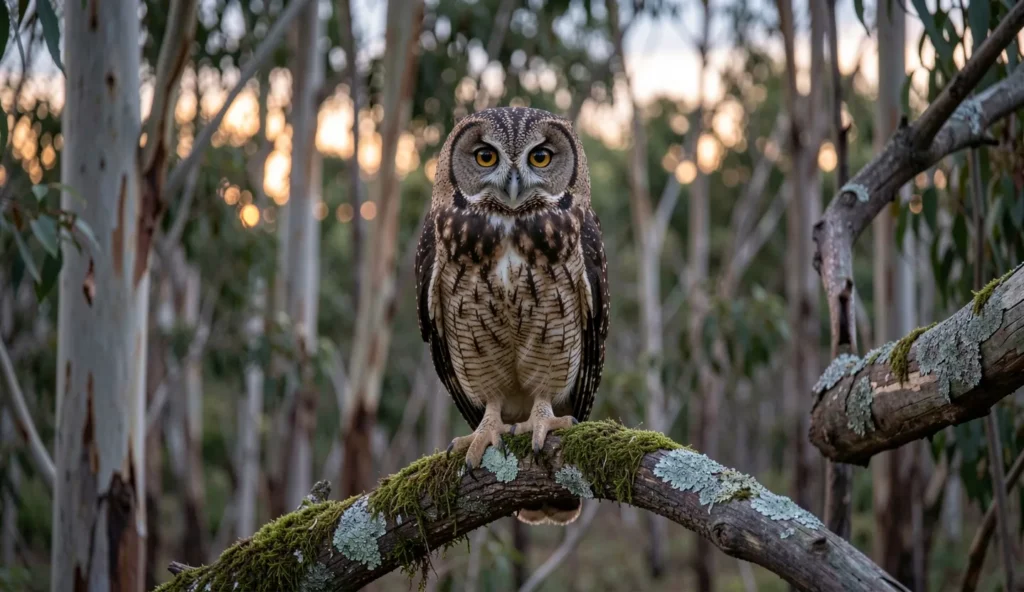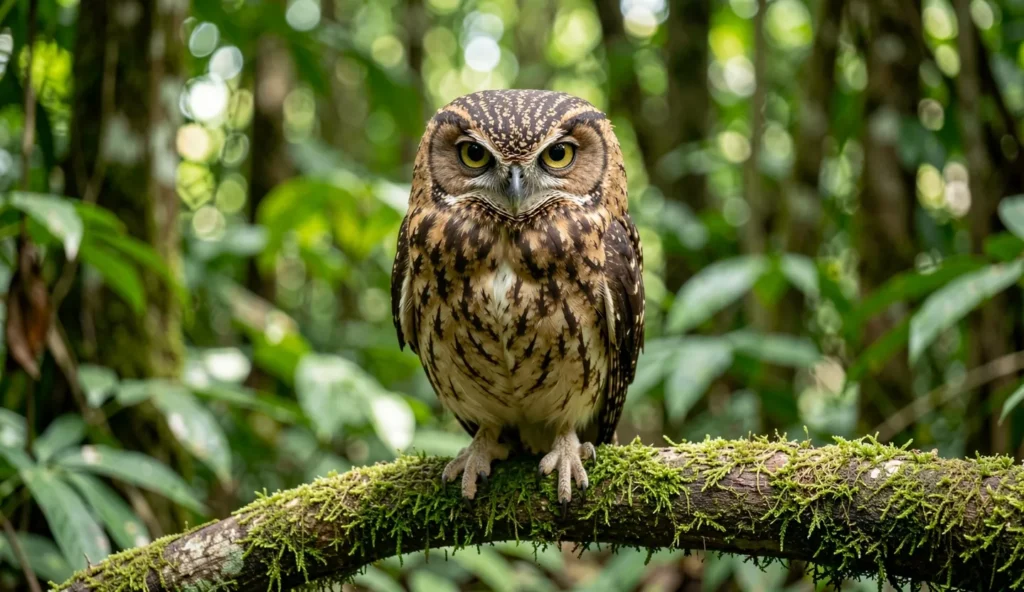
What Is A Ferruginous Pygmy Owl
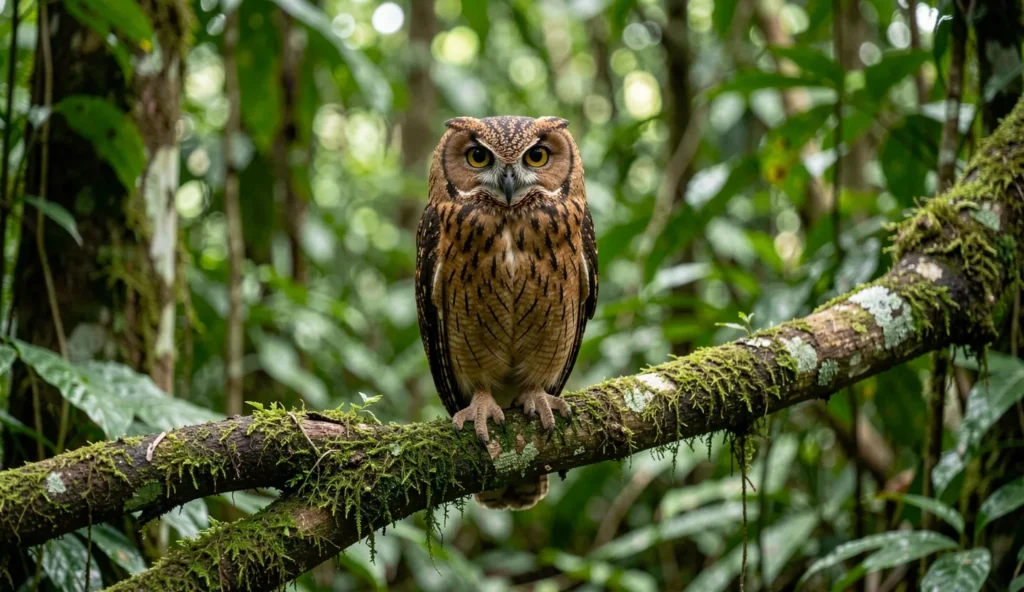
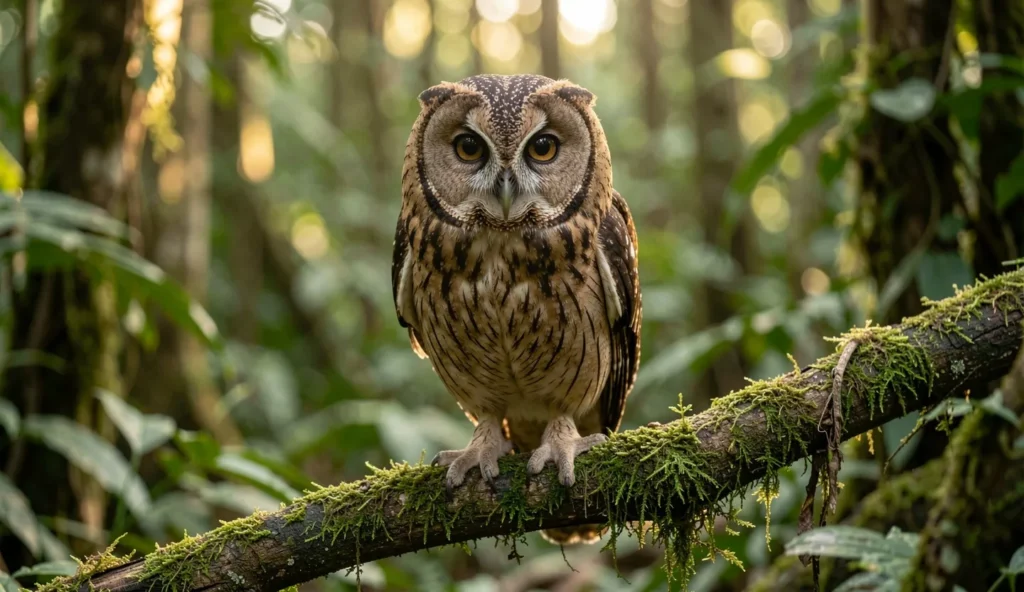
The Ferruginous Pygmy Owl is a small diurnal raptor native to tropical Americas. Two black nape spots aid identification in the Ferruginous Pygmy Owl.
Overview Of The Ferruginous Pygmy Owl
It belongs to the Glaucidium genus of pygmy owls and shares ecological traits with other tiny tropical raptors, such as the Long-eared Owl.
Appearance And Physical Features
Size And Plumage
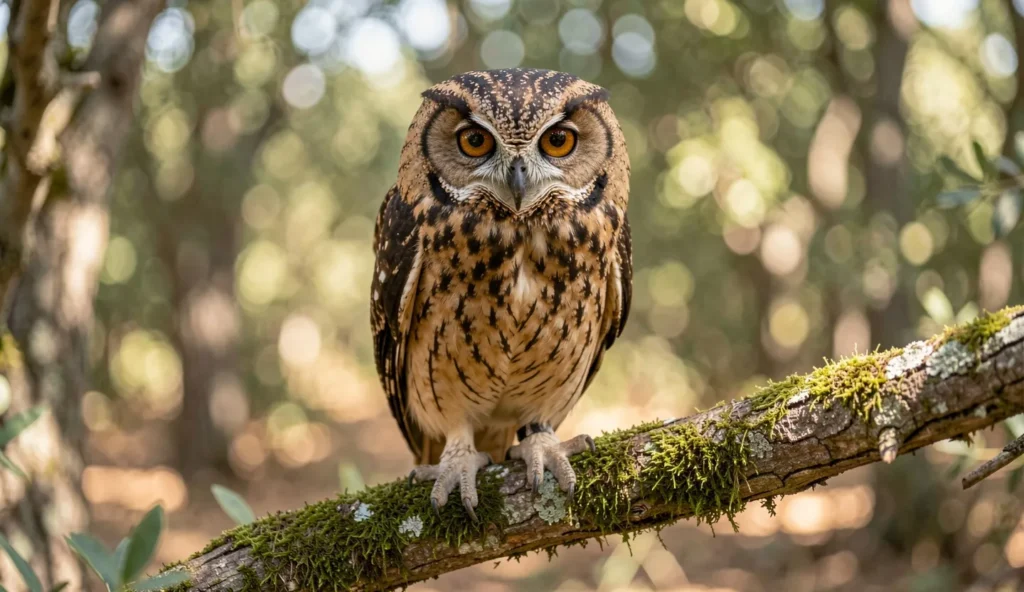
Length typically 14 to 16 cm with a wingspan of about 35 to 40 cm. The rufo-brown upperparts and pale underparts with fine streaks help camouflage this tiny raptor, a pattern also seen in the Snowy Owl.
Habitat And Range In The Tropics
Geographic Range
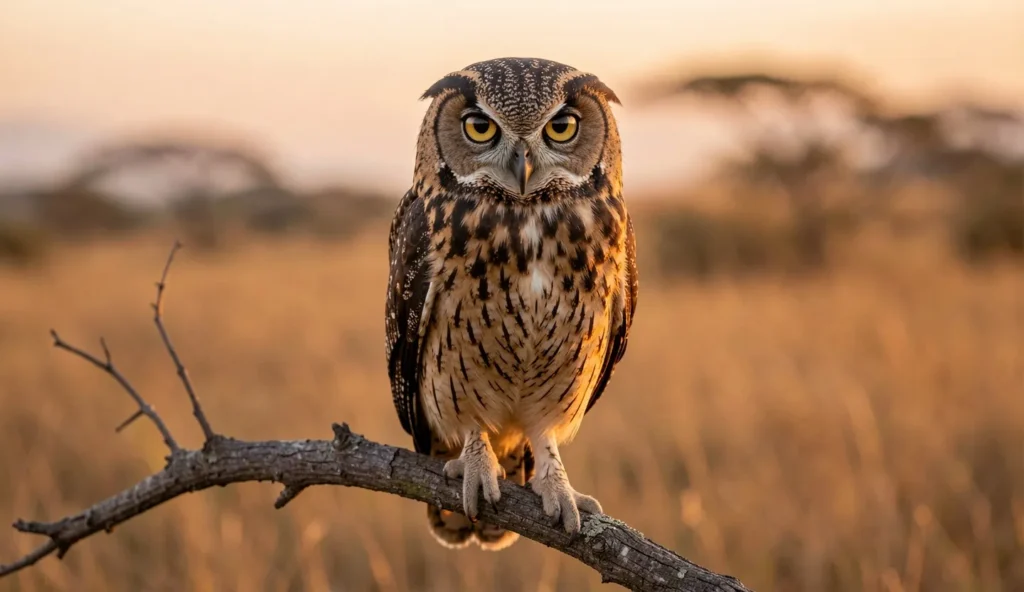
Present from southern Mexico through Central America to parts of northern South America. Occasionally the species expands into scrub and edge habitats near human activity, a pattern also observed in the Short-eared Owl.
Preferred Environments
Open woodlands and thorn forests are typical, with semi-open tropical forests offering perching sites for scanning for prey. These environments are similar to those used by other tropical owls such as the Barn Owl.
Diet And Feeding Habits
Diet
The Ferruginous Pygmy Owl diet includes small vertebrates such as lizards and rodents, and it will take insects and spiders when available. This broad prey base resembles choices found in the Eurasian Eagle-Owl in varied habitats.
Hunting Behavior
Perches quietly and ambushes prey from a short distance, with daylight and early morning hours being active hunting times. The diurnal tendency makes this species stand out among owls and is often noted by observant birders in accessible habitats.
Temperament And Daily Behavior
Activity Pattern
Noted for daytime activity, hunting during daylight and early morning hours. The Ferruginous Pygmy Owl call is a distinctive daytime vocalization that aids field identification by attentive observers.
Care Essentials For Bird Owners
Housing And Enclosures
- Secure, escape-proof aviaries with sturdy perches
- Stable temperatures and clean, quiet environment
- Adequate space for perching and limited flight
- Predator-free surroundings and regular maintenance
Handling And Enrichment
- Gentle handling to reduce stress
- Regular enrichment like foraging toys
- Safe flight space and daily routine
- Quiet, predictable interaction to minimize anxiety
Diet And Feeding
- Varied diet of prey items appropriate to size
- Fresh water daily and hydration monitoring
- Balanced supplementation where applicable
- Regular health checks and veterinary guidance
Is This Bird Right For You
Suitability For Birding Enthusiasts
Best for experienced birders with space for flight and strong habitat access. Requires time, habitat licensing and ethical sourcing to support responsible keeping.
Final Note
Birding enthusiasts will appreciate the Ferruginous Pygmy Owl’s daytime activity and distinctive features, yet care requires dedication and respect for wild populations.
Frequently Asked Questions
How big is the Ferruginous Pygmy Owl?
Typically about 14 to 16 cm in length with a compact build.
Where can you find the Ferruginous Pygmy Owl in the wild?
Its range spans southern Mexico through Central America into parts of northern South America.
What does the Ferruginous Pygmy Owl eat?
A diet includes small vertebrates like lizards and rodents, plus insects when available.
Is the Ferruginous Pygmy Owl diurnal or nocturnal?
It is primarily active during the day, with hunting possible in daylight and early morning.