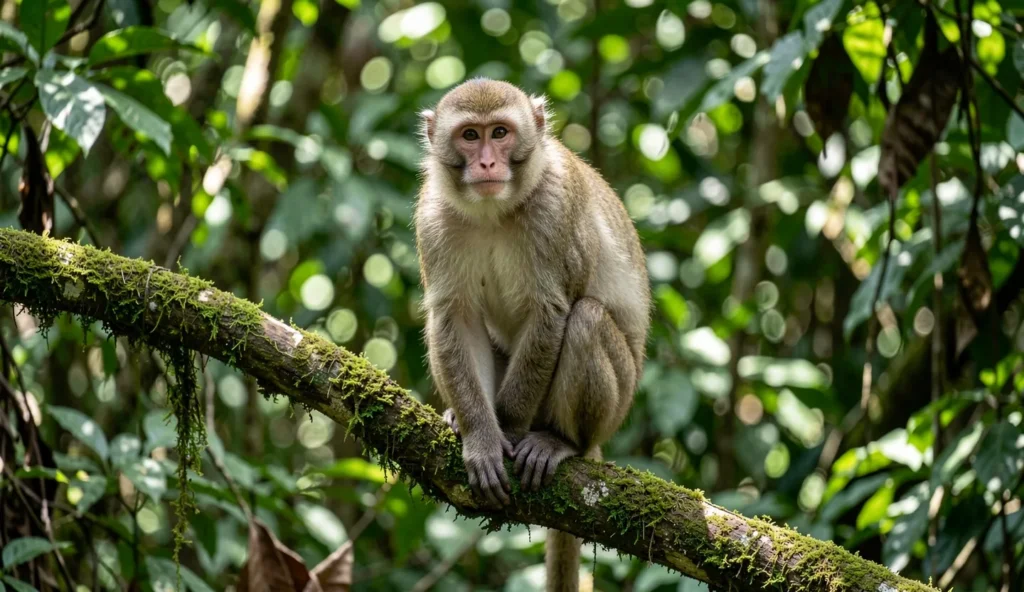
What Is a Formosan Rock Macaque
The Formosan Rock Macaque is an Old World primate endemic to Taiwan, noted for its adaptability and social complexity.
Scientific Name and Classification
- Scientific name is Macaca cyclopis
- Belongs to the Old World monkeys
- Part of the Cercopithecidae family
Native Range and Natural Habitat
Endemic to Taiwan, the Formosan Rock Macaque occupies forests, hills, and montane areas, thriving in temperate to subtropical climates. For context on Old World monkeys, see the Rhesus Macaque Breed.
- Endemic to Taiwan
- Found in forests, hills, and montane areas
- Prefers temperate to subtropical climates
Conservation Status at a Glance
- Protected under Taiwanese law
- Habitat loss and fragmentation pressures
- Strict regulations on private ownership
Appearance and Physical Features
The Formosan Rock Macaque displays a robust, arboreal-ready build with a medium to large frame for its genus.
Size and Build
- Medium to large primate within its genus
- Weight varies by sex and age
- Muscular limbs suited for climbing
Fur Color and Facial Features
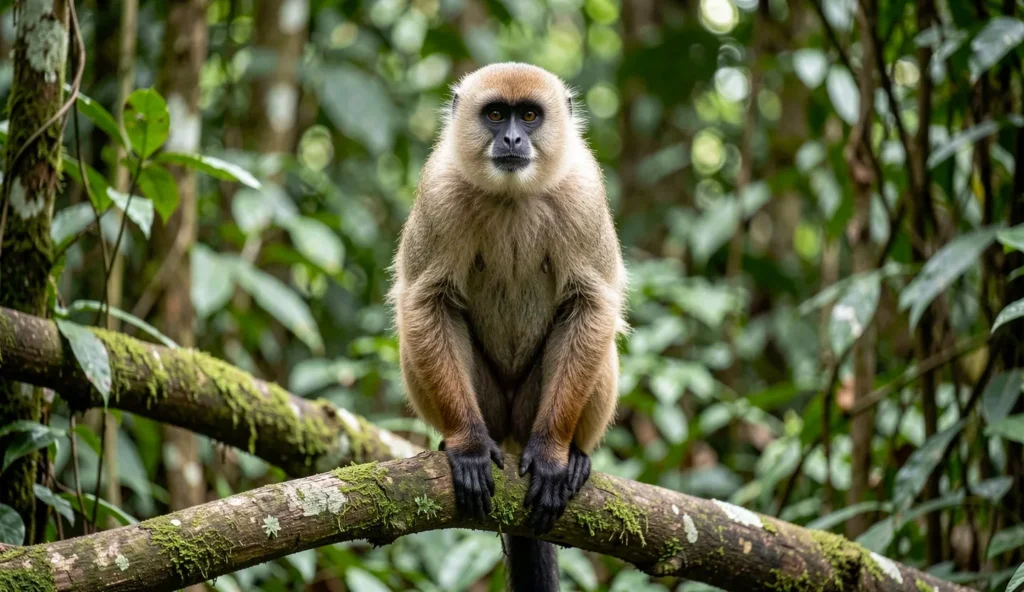
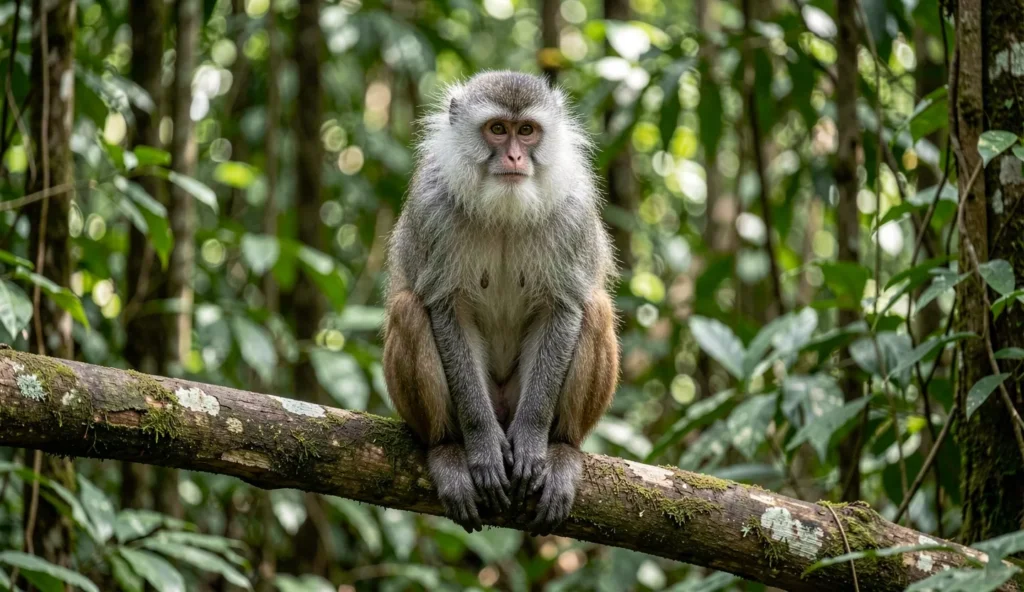
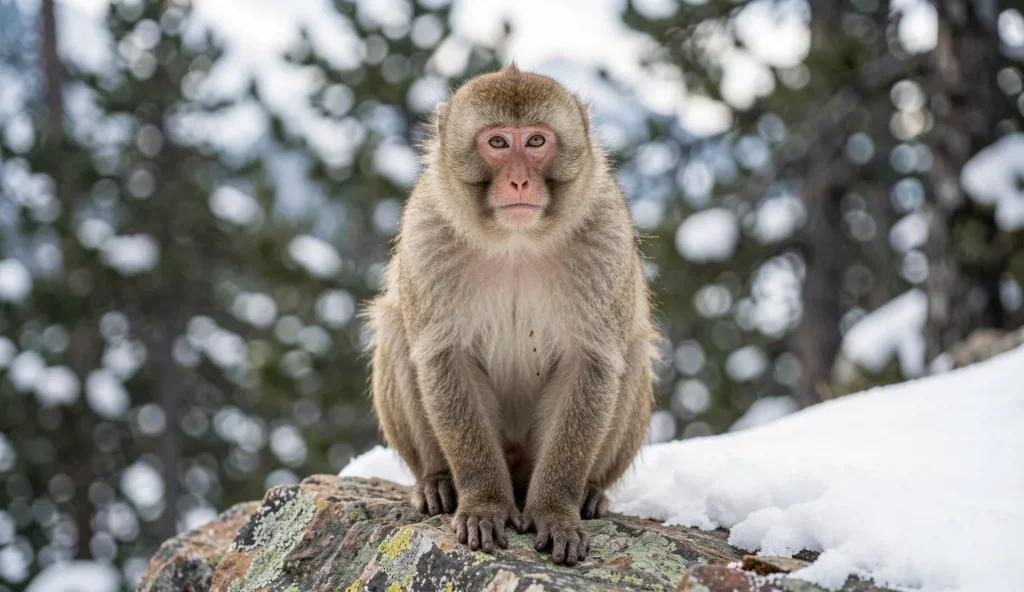
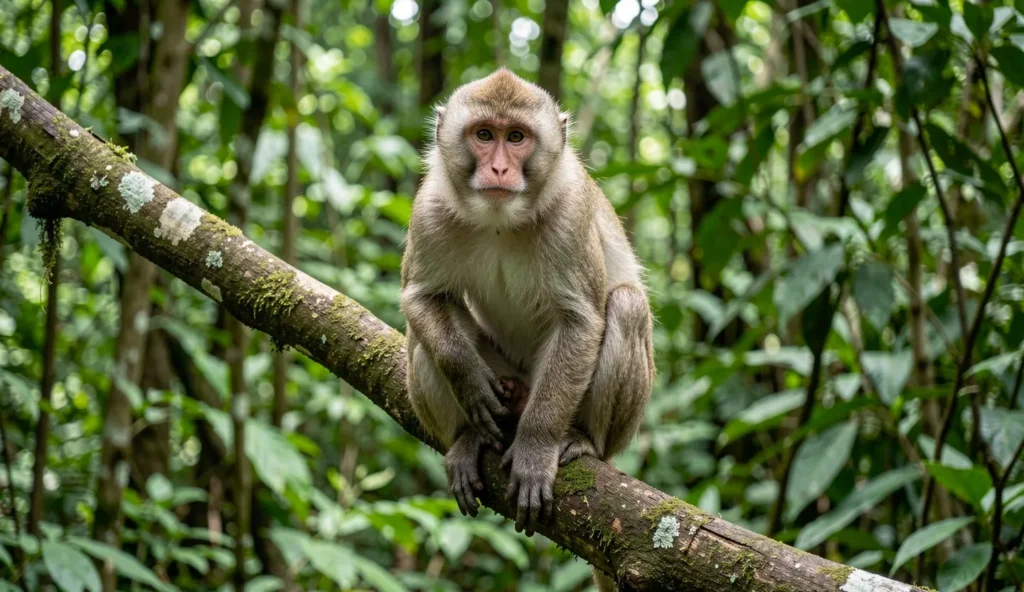
- Coat ranges from gray to brown
- Darker facial skin with lighter muzzle
- Distinctive markings vary among individuals
For captive care guidelines, see the Japanese Macaque Care article.
Tail and Body Proportions
- Moderate tail length
- Strong hands for grasping branches
Additional context on macaque diversity can be found in the Crab-Eating Macaque overview.
Temperament and Social Behavior
The Formosan Rock Macaque is highly social and intelligent, with complex group dynamics.
Social Structure and Group Life
- Live in multi-male multi-female groups
- Grooming bonds strengthen social ties
- Alpha individuals lead while others follow
Interaction With Humans
- Typically wary of humans
- Habituation happens in protected reserves
- Approach with caution; feeding can increase aggression
Intelligence and Problem Solving
- Displays adaptive foraging strategies
- Social learning aids knowledge transfer
- Noted for complex social communication
These cognitive traits are mirrored in other primates like the Tufted Capuchin Breed.
Exercise Requirements and Enrichment
The macaque species benefits from regular space to roam and vertical structures for climbing.
Daily Exercise Needs
- Needs space to roam and climb
- Access to outdoor enclosures is ideal
- Regular social interaction supports physical health
Mental Enrichment Ideas
- Climbing structures and ropes
- Puzzle feeders and foraging challenges
- Varied environmental enrichment to reduce stress
Emperor Tamarin enrichment practices also guide care in other small primates; see the Emperor Tamarin page for details.
Handling and Socialization Considerations
- Keepers should avoid rough handling
- Stable social groups are best
- Monitor stress signs during introductions
Grooming and Care Tips
Proper grooming and a clean living environment support long-term health in captive settings.
Grooming Needs
- Regular coat checks and nail trims
- Watch for skin issues or parasites
Feeding and Diet Safety
- Provide species-appropriate diet and fresh water
- Avoid toxic or spoiled foods
Living Environment Requirements
- Secure, escape-proof enclosures
- Proper ventilation and temperature control
Diet and Nutrition in Captivity
In the wild, these macaques show frugivorous and folivorous tendencies with seasonal variation in food availability.
Natural Diet Overview
- Frugivorous and folivorous tendencies in the wild
- Seasonal variation in food availability
Captive Diet Guidelines
- Balanced primate chow as base
- Fresh fruits and vegetables daily
- Limit processed snacks and sugar
Foods to Avoid
- Avoid chocolate, avocado, and caffeine
- No salty or highly processed items
Common Health Issues and Preventive Care
Preventive health care remains essential in captivity and in the wild.
Common Health Concerns
- Dental problems and periodontal disease
- Gut parasites in wild and captive settings
- Skin conditions and dermatitis
Veterinary Care and Preventive Measures
- Regular veterinary checkups recommended
- Vaccinations as advised by a primate vet
- Parasite control and dental care
Emergency Signs That Require Attention
- Lethargy or persistent vomiting
- Abnormal swelling or injury
- Unusual aggression or neurologic signs
Is a Formosan Rock Macaque Right for You
Potential owners must weigh legal, ethical, and practical considerations before pursuing private keeping.
Legal and Ethical Considerations
- Protected species with strict ownership laws
- Ethical concerns about private keeping
- Compliance with reserves and sanctuaries as alternatives
Time and Resource Commitment
- Year-round care, enrichment, veterinary costs
- Secure housing and environmental controls
- Long-term financial planning is essential
Alternative Options to Consider
- Support Taiwan conservation organizations
- Visit accredited sanctuaries or reserves
- Learn about other wildlife experiences
Final Note
Closing Thoughts
The Formosan Rock Macaque remains protected and rarely suitable for private ownership. They require specialized care and strict legal compliance.
Frequently Asked Questions
Is the Formosan Rock Macaque native to Taiwan?
Yes, it is endemic to Taiwan and found in the island’s forests.
Can Formosan Rock Macaques be kept as pets?
Private ownership is heavily restricted and often illegal; they require complex care.
What does the Formosan Rock Macaque eat in the wild?
A varied diet of fruit, leaves, seeds, flowers, insects, and small invertebrates.
Are Formosan Rock Macaques endangered or protected?
They are protected by Taiwanese law and face habitat-related pressures.