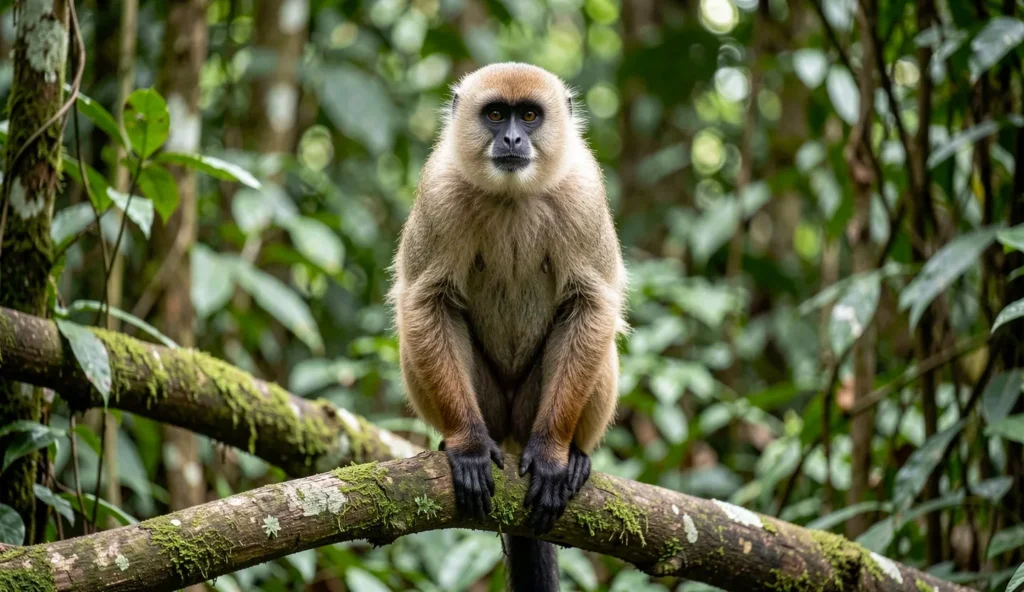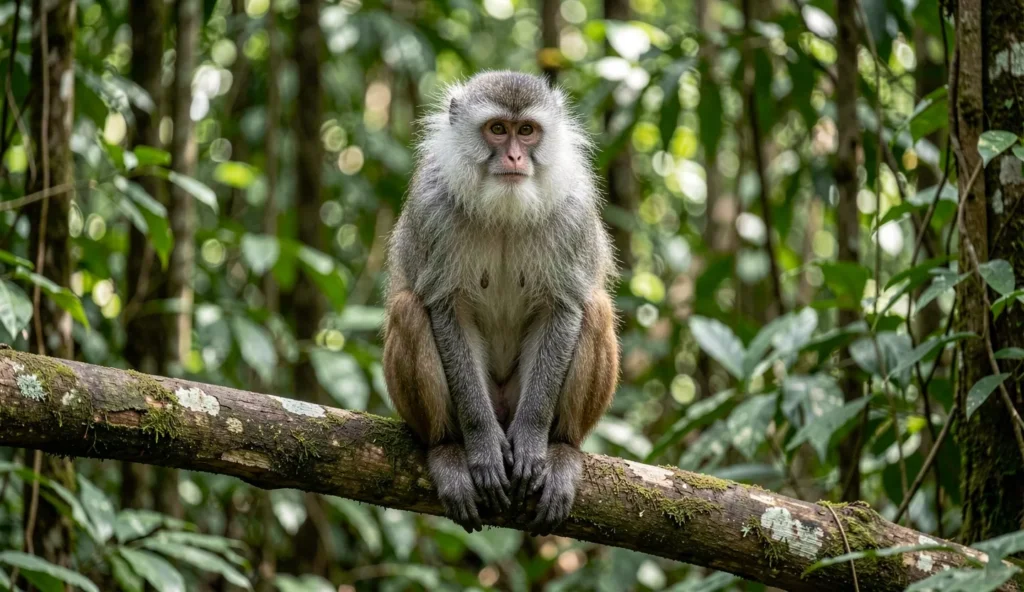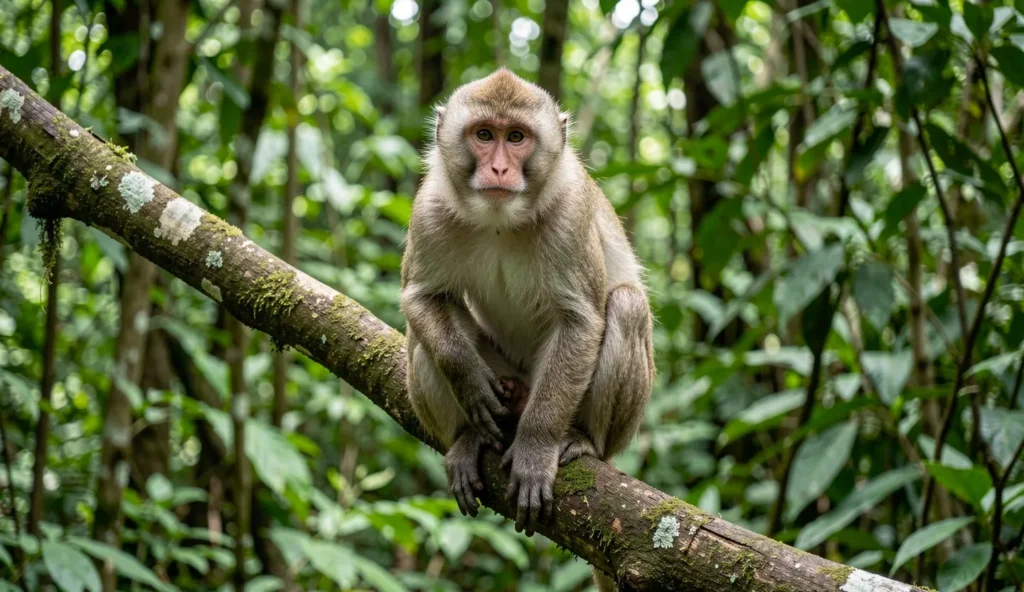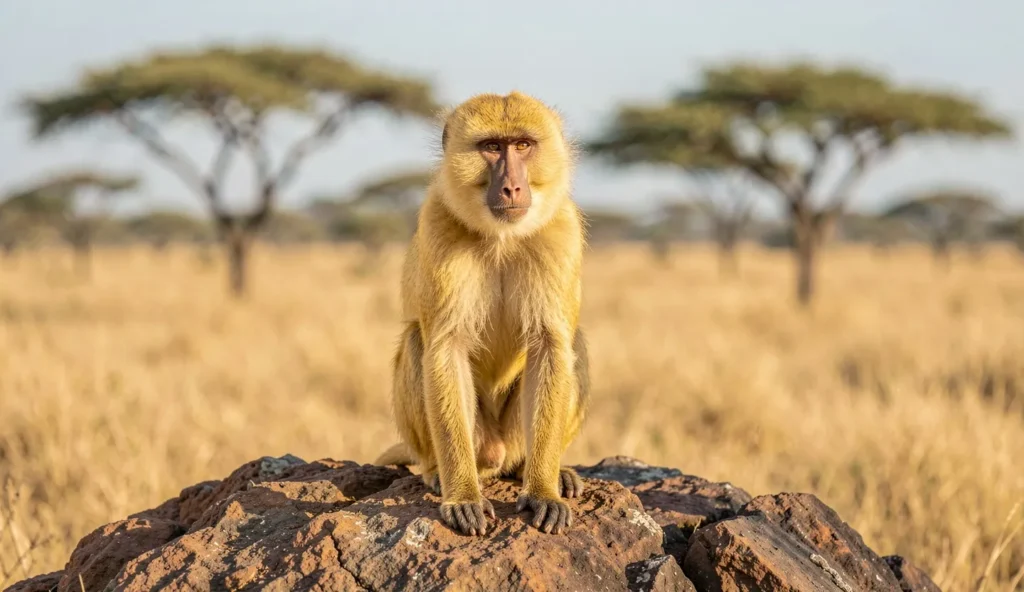
What Is a Yellow Baboon
The Yellow Baboon Profile describes a large primate in the Papio genus, native to East Africa. This species shares social complexity with relatives such as the Capuchin Monkey.
Taxonomy and Origin
The scientific name is Papio cynocephalus, and it is part of the savanna baboon group. It originates in East Africa and coexists with several other baboon species.
Physical Appearance and Distinctive Features
The Yellow Baboon Profile emphasizes a robust build and characteristic coloring that helps identify individuals in the wild. In many populations, males appear larger and heavier than females.
Coat Color and Size
- Males are generally larger than females.
- Coat color ranges from yellow-gold to olive depending on region.
- Sexual dimorphism is evident in body size and facial features.
Facial Features and Vision
Facial coloration can vary with age and sex, aiding identification in mixed groups. Their strong dentition and forward-facing eyes support complex social interactions.
Social Structure and Behavior
Group life is a hallmark of the Yellow Baboon Profile, with intricate hierarchies shaping access to resources. Social bonds form through grooming, play, and coordinated movement.
Group Dynamics and Hierarchy
Groups are typically multi-male and multi-female, with clear dominance relationships and status influencing day-to-day decisions. Male migration patterns contrast with female philopatry, a dynamic seen in other primate species such as the Baboon Monkey.
Communication and Social Bonds
Vocalizations, grooming, and body postures convey intent and intent, strengthening social ties. Alloparenting and strong kin bonds help maintain group cohesion, much like in the Spider Monkey communities.
Diet and Health Considerations
Natural foraging in East Africa includes varied plant and animal foods, which keeps nutrition flexible. Seasonal changes influence food availability and energy needs.
Natural Diet and Foraging
- Fruits, seeds, and leaves form the core diet.
- Insects provide protein during lean periods.
- Occasional small animals supplement energy needs when available.
Common Health Issues
Parasites and minor injuries can arise from social interaction or habitat hazards. Routine veterinary care and diagnostics are essential for captive individuals, mirroring practices seen with other primates such as the Marmoset Monkey.
Care Requirements for Exotic Primates
Proper housing, safety, and enrichment are critical to welfare, along with adherence to local regulations. Environments should mimic the natural complexity found in East African habitats.
Enclosure and Environment
- Spacious enclosures with vertical space for climbing.
- Secure fencing to prevent escapes and unauthorized access.
- Climate control and social opportunities to encourage interaction.
Handling Safety and Ethical Considerations
Professional handling is required, with strict welfare standards and ongoing welfare assessments. Legal permits and zoning approvals are often necessary for possession and transport.
Dietary and Medical Care
- A balanced primate diet includes diverse fruits, vegetables, and quality primate chow.
- Regular veterinary checkups and vaccinations where applicable are essential.
- Monitoring weight, dental health, and behavior supports early issue detection.
Is a Yellow Baboon Right For You
Prospective owners should assess resources, expertise, and space before pursuing a Yellow Baboon Profile ownership. Long-term commitment is essential, as is the ability to provide ongoing professional care.
Time, Commitment and Resources
- Significant time for daily care, enrichment, and monitoring.
- Substantial financial commitment for housing, veterinary care, and permits.
- Access to experienced primate care professionals is strongly advised.
Legal and Ethical Considerations
Permits and import restrictions vary by region, and welfare guidelines shape how these animals can be kept. Compliance with local laws protects both animal welfare and public safety.
Frequently Asked Questions
What sets the Yellow Baboon apart from other baboon species?
The distinctive yellowish coat color and East Africa distribution set it apart, with a distinct social structure compared to other baboon groups.
Are Yellow Baboons suitable as pets for beginners?
No, these primates require expert care, large spaces, and specialized veterinary attention.
What is the natural habitat of the Yellow Baboon?
East African savannas and woodland edges with seasonal forage and water sources.
What does a Yellow Baboon typically eat in the wild?
Fruits, seeds, leaves, insects, and occasional small animals depending on season.
Final Note
Careful consideration is essential when thinking about a Yellow Baboon Profile as a pet or exhibit animal. Ensuring welfare, legal compliance, and expert care supports ethical keeping and animal well-being.