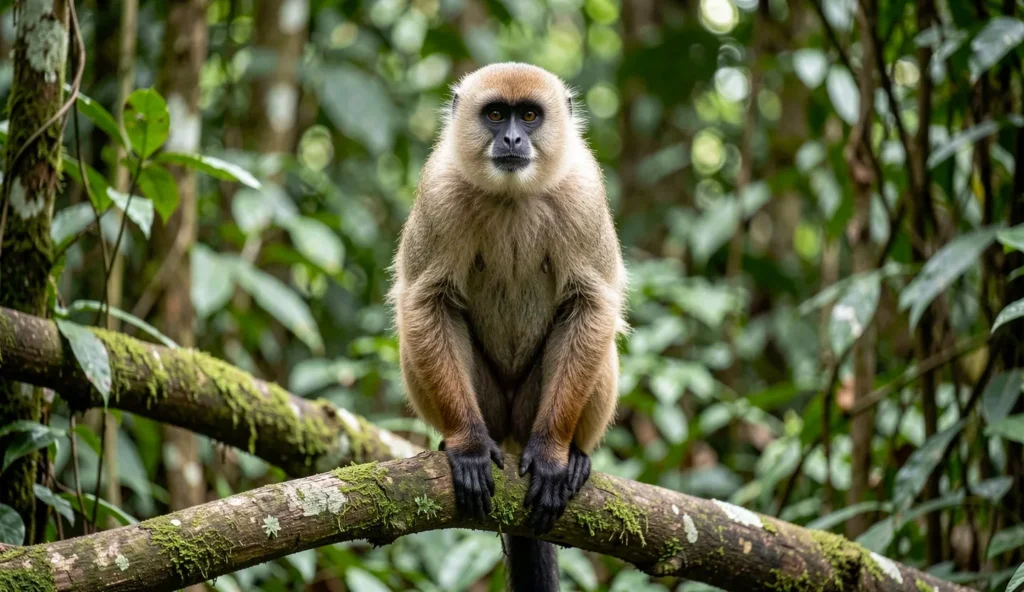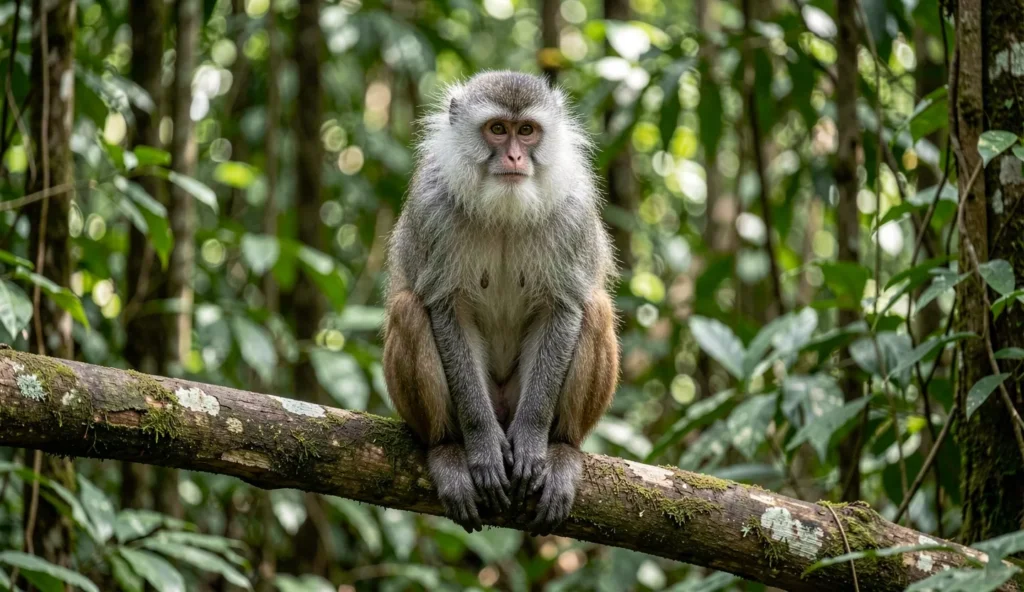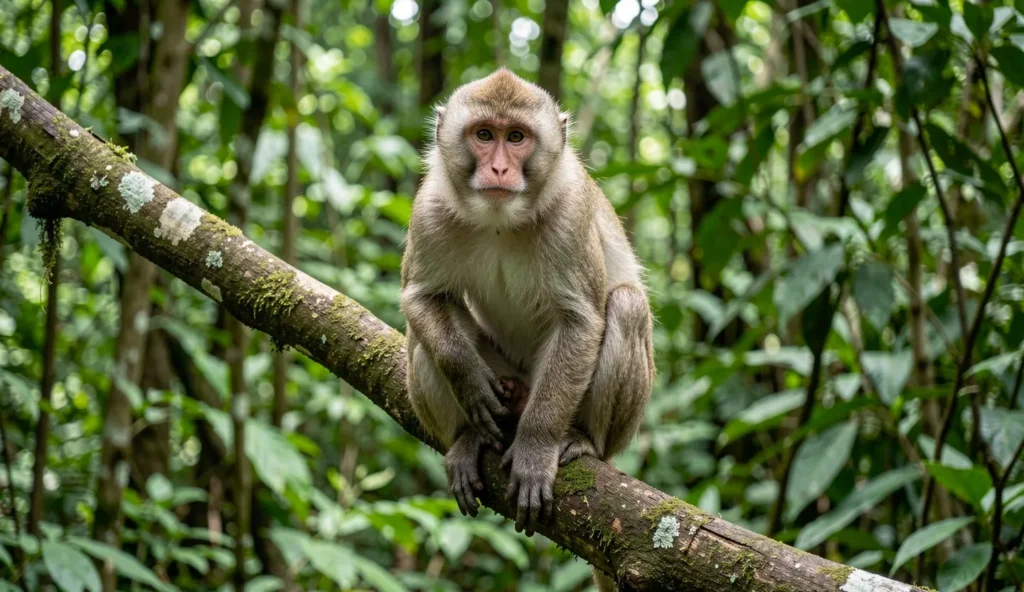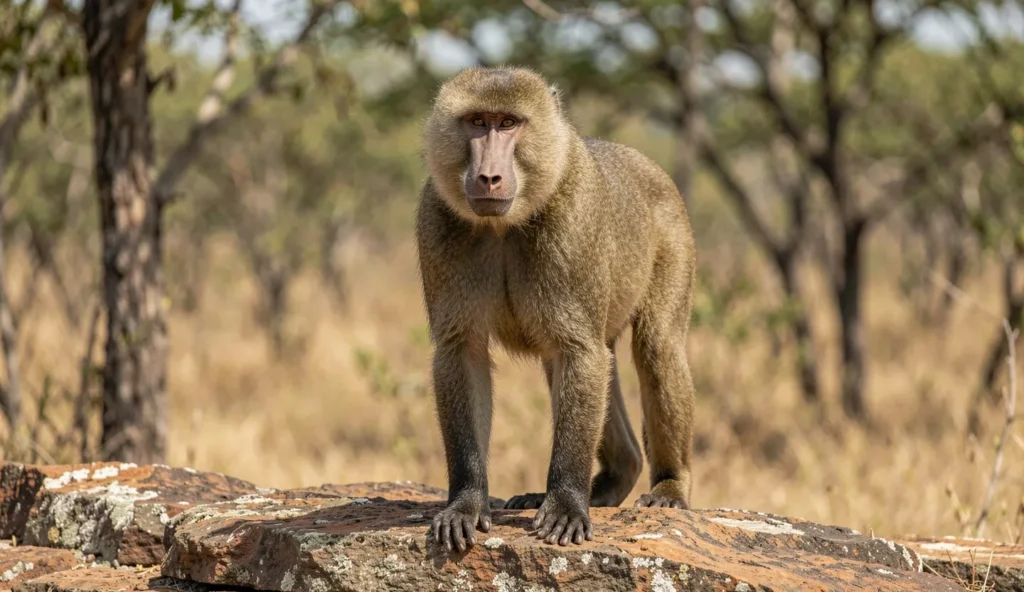
What Is an Olive Baboon?
The Olive Baboon Breed is a large, strong primate native to sub-Saharan Africa. It is notable for its social complexity and physical power, traits that influence ownership decisions. In some references, this species is discussed alongside the Anubis baboon (Papio anubis), underscoring its distinct status among baboons.
Origin and Natural Habitat
- Native to savannas and woodland edges in sub-Saharan Africa.
- Lives in large multi-male and multi-female troops.
- Adaptable to varied habitats including riverine areas.
- Related profiles include the Baboon Monkey.
Size and Lifespan
- Adult males larger than females.
- Typical body length 50–70 cm, tail 40–60 cm.
- Lifespan in the wild around 20–30 years.
Appearance and Physical Features
The Olive Baboon shows a sturdy, muscular frame with a distinct olive-brown coat and a dark face, making it relatively easy to identify in the field. The breed’s body proportions support powerful movement across varied terrain.
Coat Color and Size
- Olive-brown coat with lighter underparts.
- Body length varies; robust, muscular build.
- Adult males tend to be larger than females.
- For more on primate variety, explore the Capuchin Monkey profile for comparison.
Distinguishing Features
- Dark face with bare skin around muzzle.
- Long limbs and strong hands adapted to climbing.
Sexual Dimorphism
- Males heavier with more pronounced canines.
- Females smaller but highly agile.
Temperament and Personality
Olive baboons display intricate social behavior within large groups, which influences how they interact with humans in various settings. While generally wary of people, they may approach if food is offered, highlighting the need for careful management.
Social Structure
- Live in large affiliative groups called troops.
- Hierarchical but socially stable when well fed.
Interactions With Humans
- Often wary of humans; may approach for food in some settings.
Aggression Levels
- Can display aggression during conflicts or resource scarcity.
Exercise Requirements
Active primates like the Olive Baboon require substantial daily activity and mental stimulation to prevent boredom. In captive settings, enrichment is essential to support physical and cognitive health.
Activity Levels
- Highly active; requires constant environmental enrichment.
- Ample space for roaming, climbing, and social interaction is crucial.
Enrichment Needs
- Climbing structures and social interaction are essential.
- Problem-solving toys help reduce stress and promote welfare.
Training for Olive Baboon
Training feasibility is limited by safety concerns, and any handling should prioritize human and animal welfare. Proper socialization is complex and usually requires professional oversight.
Safety Considerations
- Practical training is limited; safety is a priority.
Handling and Socialization
- Professional handling required; human contact should be minimized.
Grooming and Care Tips
Grooming is minimal due to the natural coat, but routine hygiene remains important. Enrichment approaches should address both mental and physical health needs.
Grooming Needs
- Minimal grooming for natural coat; hygiene important.
Enrichment and Mental Stimulation
- Regular problem-solving toys improve welfare.
Diet and Nutrition for Olive Baboon
Diet mirrors natural foraging patterns and should be balanced to support high activity levels. Veterinary guidance helps tailor rations and avoid nutritional gaps.
Natural Diet
- Omnivorous; primarily fruit, leaves, seeds, insects.
- Varied forage supports digestive health and energy needs.
- For more on primate diets, see the Marmoset Monkey overview.
Supplements and Feeding Schedule
- Diet should be balanced with veterinarian guidance.
- Regular feeding times help stabilize social dynamics.
Common Health Issues in Olive Baboons
Health concerns in large primates include parasitic infections and exposure-related illnesses. Regular veterinary care is essential to support long-term welfare.
Parasites and Infections
- Prone to parasites if not housed properly.
Veterinary Care and Preventive Health
- Regular veterinary checkups are essential.
Is an Olive Baboon Right for You
Potential owners should assess readiness, legal considerations, and the long-term commitment required for this species. Owning an Olive Baboon Breed demands specialized facilities and ongoing welfare attention.
Owner Readiness and Legal Considerations
- Requires experienced ownership and legal compliance.
Long-Term Commitment
- Lifespan and welfare needs demand ongoing care.
- Alternatives like the Tamarin Monkey offer different care profiles for comparison.
Final Note
Managing an Olive Baboon Breed is a substantial responsibility that requires careful planning and commitment to welfare and legality. Prospective owners should seek expert guidance before pursuing any exotic pet option.
Frequently Asked Questions
Is it legal to own an Olive Baboon as a pet?
Laws vary by country and region; many places restrict primate ownership.
Are Olive Baboons good family pets?
They are intelligent and social but generally unsuitable for homes with young children due to safety concerns.
What does an Olive Baboon eat in captivity?
Diet should mirror natural intake and be planned by a qualified primate veterinarian, typically including fruits, vegetables, fiber, protein sources, and formulated primate biscuits.
How much space does an Olive Baboon need?
They require large indoor-outdoor enclosures with enrichment, climbing structures, and safe outdoor space.
Are Olive Baboons aggressive or safe around children?
Olive Baboons can be territorial and have strong bites, making them unsafe for homes with unsupervised children.
What are the major risks of keeping an Olive Baboon as a pet?
Risks include potential injury to humans or other pets, legal restrictions, high care costs, and welfare concerns.
Final Note
Manage expectations and prioritize welfare when considering an exotic option like the Olive Baboon Breed.