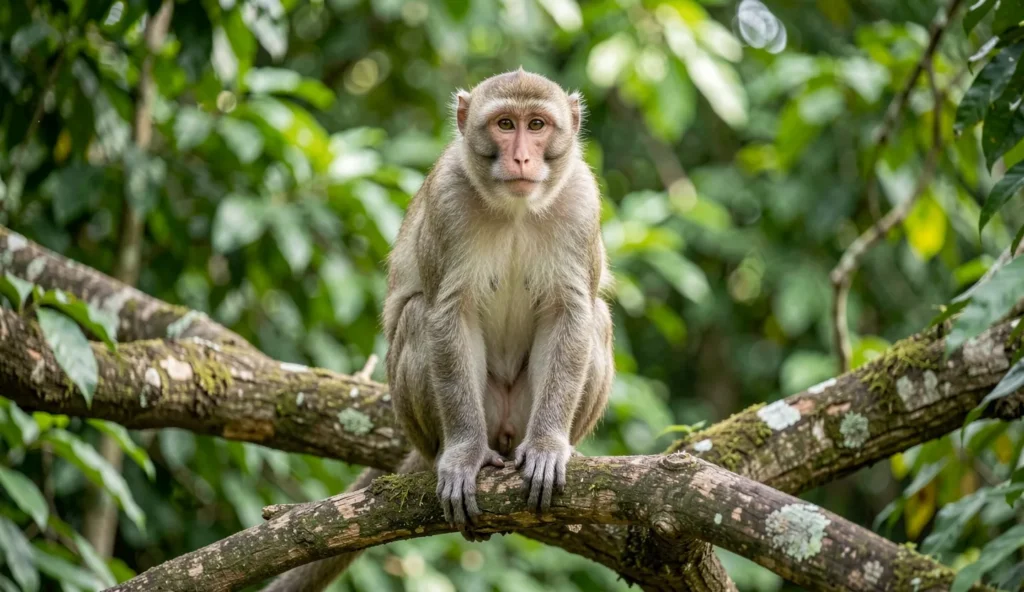
What Is a Rhesus Macaque
The Rhesus Macaque Breed refers to a highly adaptable Old World monkey native to parts of Asia. This species is known for its strong social networks and cognitive prowess, traits that attract exotic pet enthusiasts who understand the responsibilities.
Taxonomy and Scientific Name
The Rhesus Macaque Breed is scientifically named Macaca mulatta. It belongs to the genus Macaca within Old World monkeys and shares close ties with other macaque species. For broader primate context, see Capuchin Monkey.
Natural Habitat and Range
Squirrel Monkey.
Appearance and Physical Features
Size and Build
Body length typically ranges from 40 to 60 cm, and weight varies from 5 to 12 kg depending on sex and age. The build supports agile movement through trees and rough terrain. Other small primates, such as the Marmoset Monkey, share a similarly compact proportion.
Fur Color and Distinctive Traits
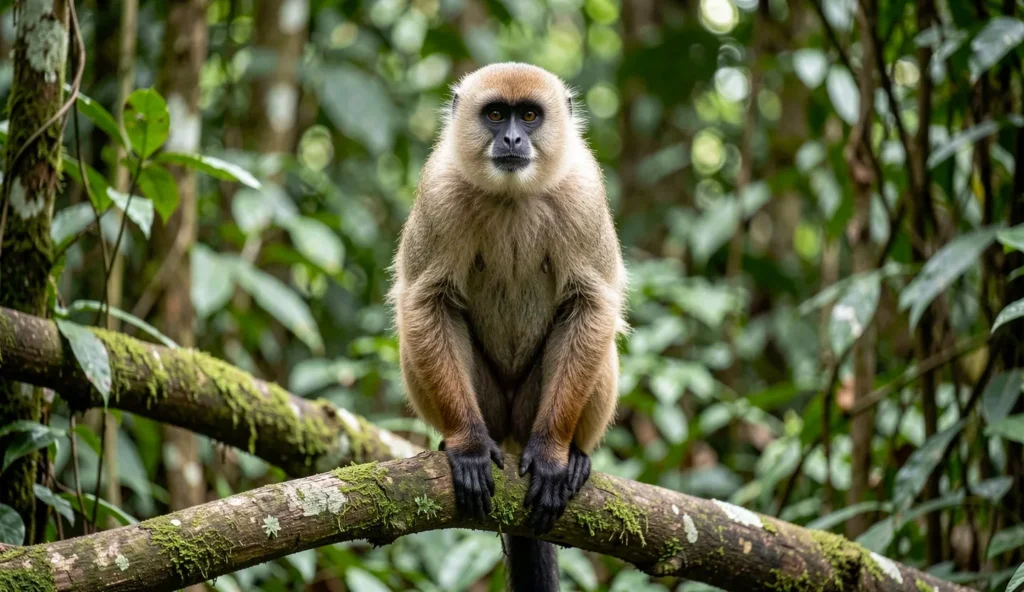
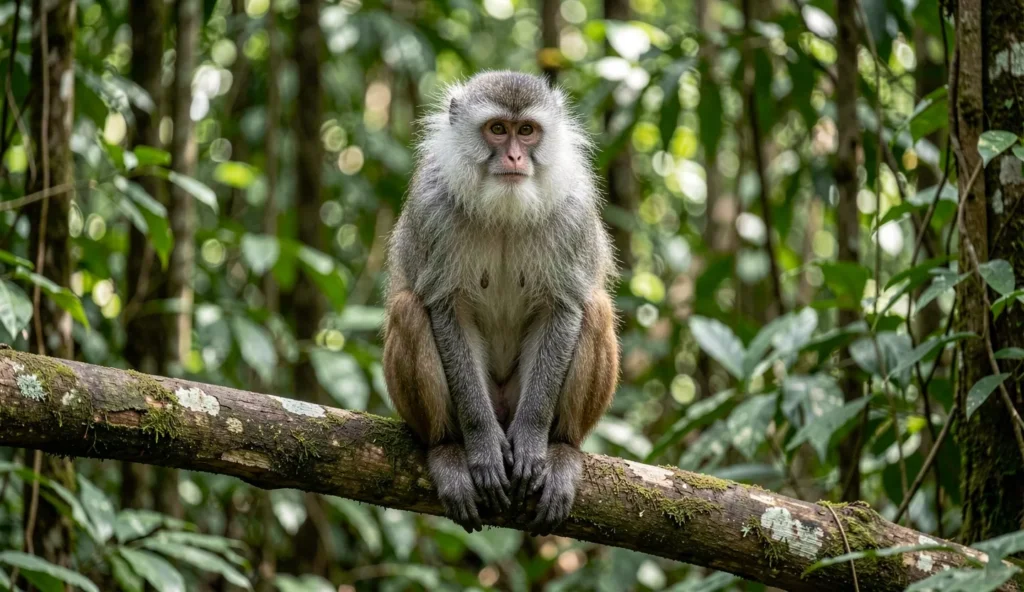
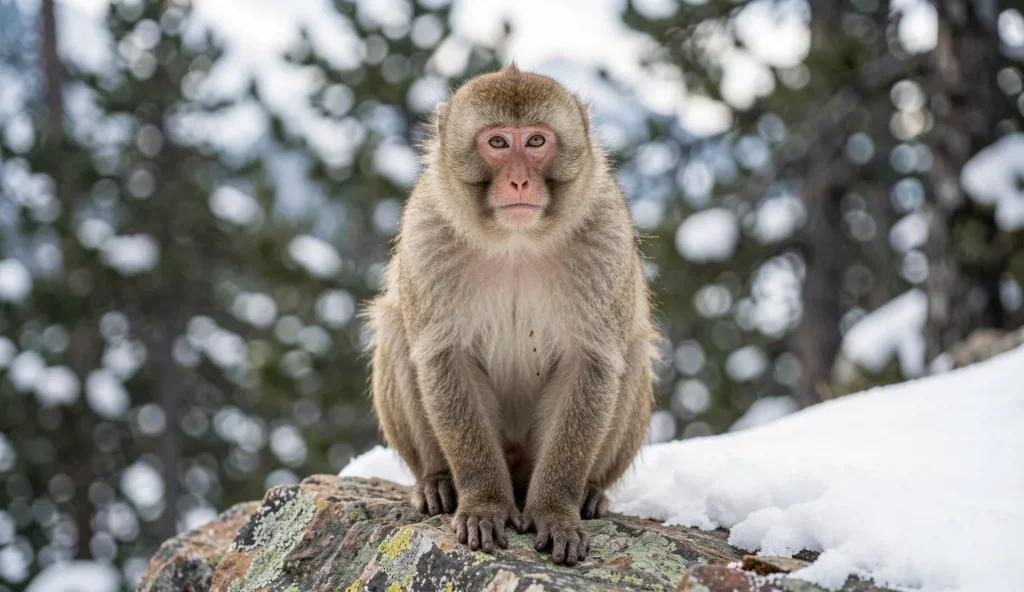
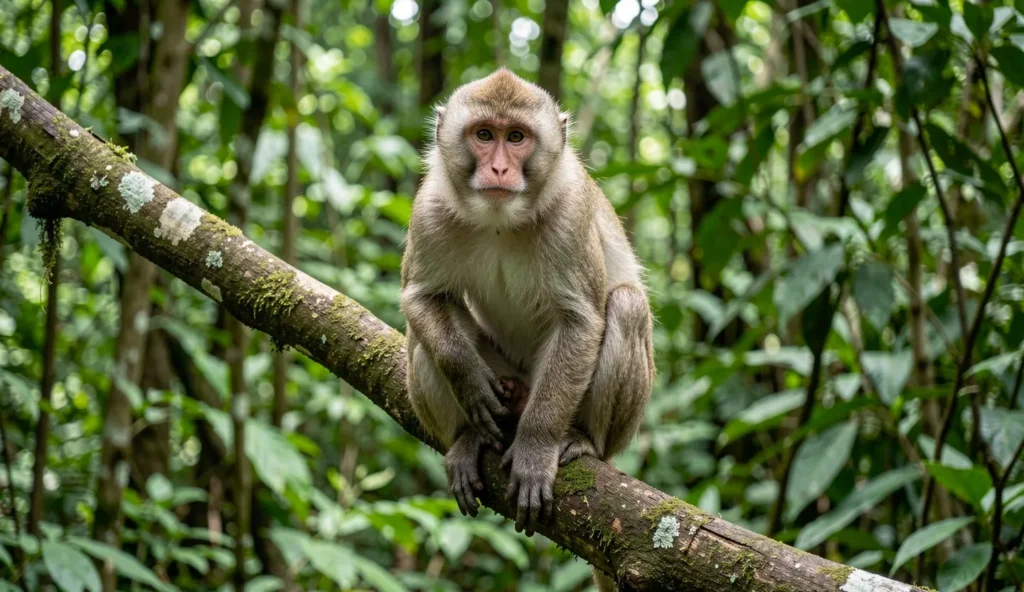
- Coat color ranges from gray to brownish.
- The face is pink to reddish with a prominent muzzle.
- The tail is long and expressive.
Temperament and Social Behavior
Social Structure
In the wild, rhesus macaques live in large, multi-male multi-female troops. Grooming strengthens social bonds and reduces tension. In captivity, troop dynamics and enrichment needs shape daily life.
Interaction with Humans
Not suited for casual human companionship; unpredictable and require experienced handling, with care considerations similar to other high-need primates such as the Capuchin Monkey.
Care Requirements for Pet Macaques
Housing and Enclosure
A large, escape-proof indoor/outdoor enclosure with vertical space and climbing structures is essential. Secure barriers prevent escapes and minimize stress. This setup is larger than what many pet primates require, unlike some smaller species such as the Marmoset Monkey.
Handling and Social Needs
Regular, gentle handling by trained individuals is required, along with compatible social interaction or companionship. Without consistent social contact, behavioral issues can emerge.
Enrichment and Daily Activity
Foraging puzzles and problem-solving toys should be rotated to prevent boredom. Daily activity should include supervised exploratory time and environmental stimulation.
Grooming and Hygiene
- Nail trimming and dental health checks
- Regular enclosure cleaning and parasite control
Medical Care and Vet Access
Access to a wildlife-versed veterinarian is essential, with vaccinations and parasite prevention as advised. For specialized care, facilities with exotic animal experience are recommended, similar to care standards for the Mandrill Monkey.
Diet and Veterinary Health Considerations
Dietary Needs and Foods to Include
A balanced diet includes fruit, vegetables, and protein sources, while avoiding processed human foods and dairy. Advice from a veterinary nutritionist helps tailor portions to age, size, and activity level. For context on related primates, see the Tamarin Monkey.
Common Health Issues and Monitoring
- Monitor for dental disease
- Watch for obesity and GI upsets
- Schedule regular veterinary checkups
Is a Rhesus Macaque Right for You
Legal and Ethical Considerations
Legal and ethical considerations vary by region and apply to the Rhesus Macaque Breed. Prospective owners should consult local wildlife authorities.
Time, Financial, and Resource Commitment
The time demand is very high and the costs reflect ongoing care needs. Very high daily interaction needs and costs are expected. Choosing a Rhesus Macaque Breed requires an experienced owner and a long-term commitment.
Final Note
The profile highlights the responsibilities of owning a Rhesus Macaque Breed. Proper facilities, trained caretakers, and long-term planning are essential for welfare and safety.
FAQs: Rhesus Macaque Breed
Are rhesus macaques legal to own as pets in most places?
Legal status varies by country and jurisdiction and often requires permits.
Do rhesus macaques make good pets for beginners?
No, they require experienced handling, extensive space, and ongoing veterinary care.
What kind of enclosure does a rhesus macaque require?
A large, secure space with enrichment, climbing structures, and climate control.
What are common health issues to monitor in rhesus macaques?
Gastrointestinal problems, dental issues, obesity, and respiratory infections.
Why is it generally not advised to keep rhesus macaques as pets?
Because of welfare concerns, disease risk, and strong social needs beyond typical ownership.
Images
rhesus-macaque.jpeg