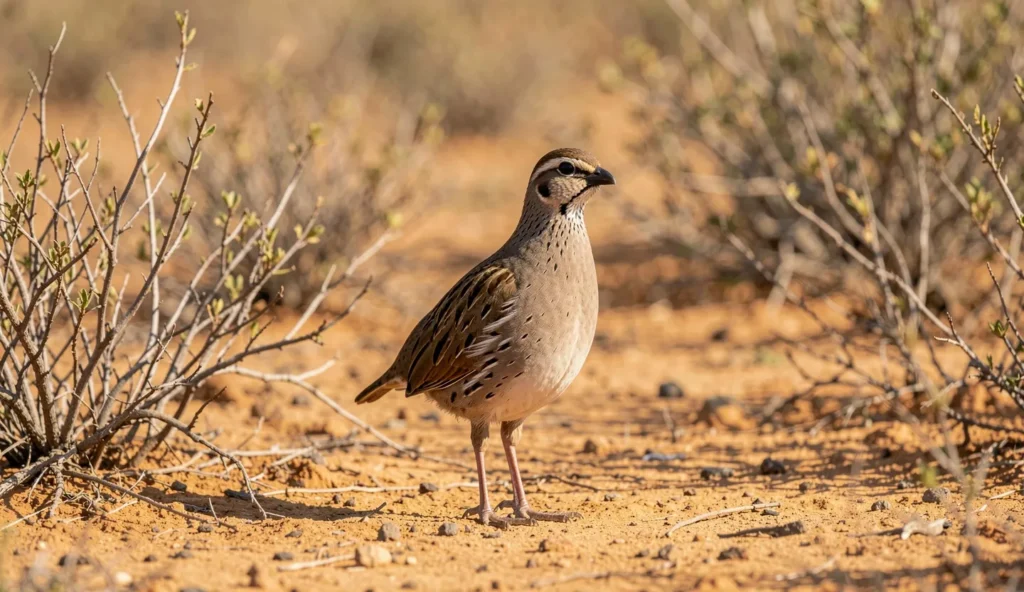
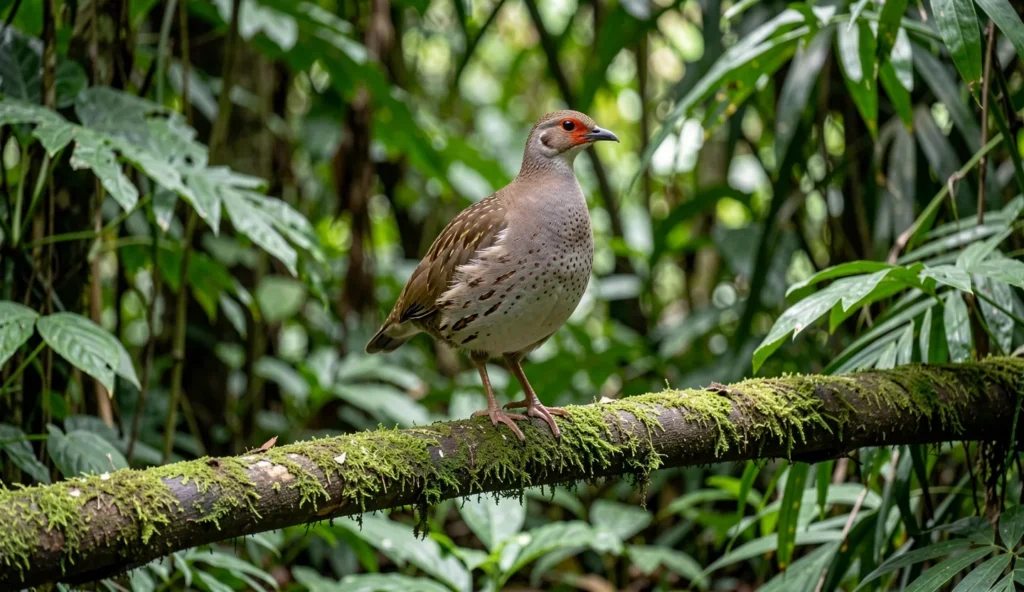
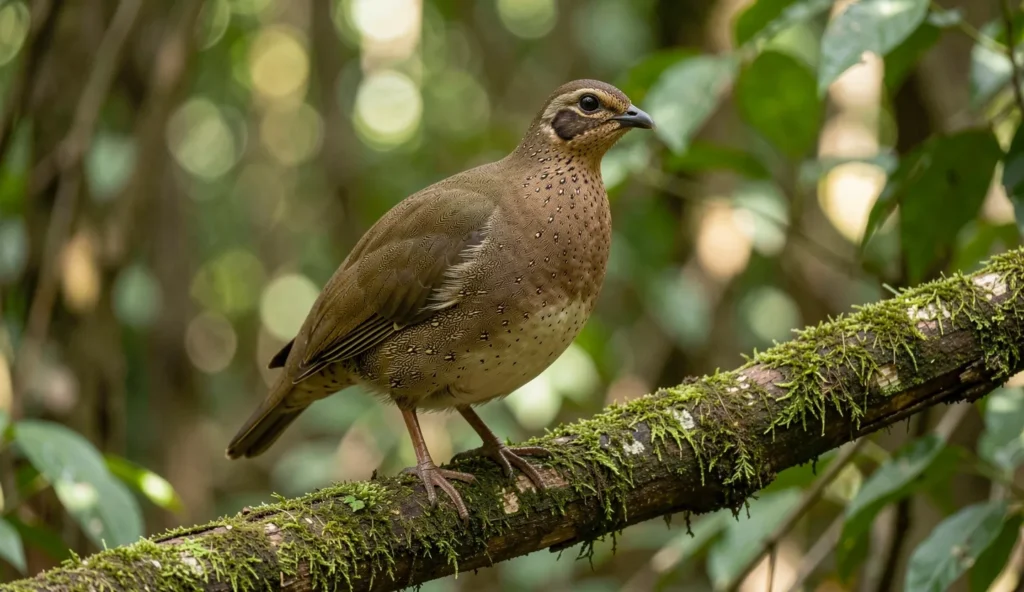
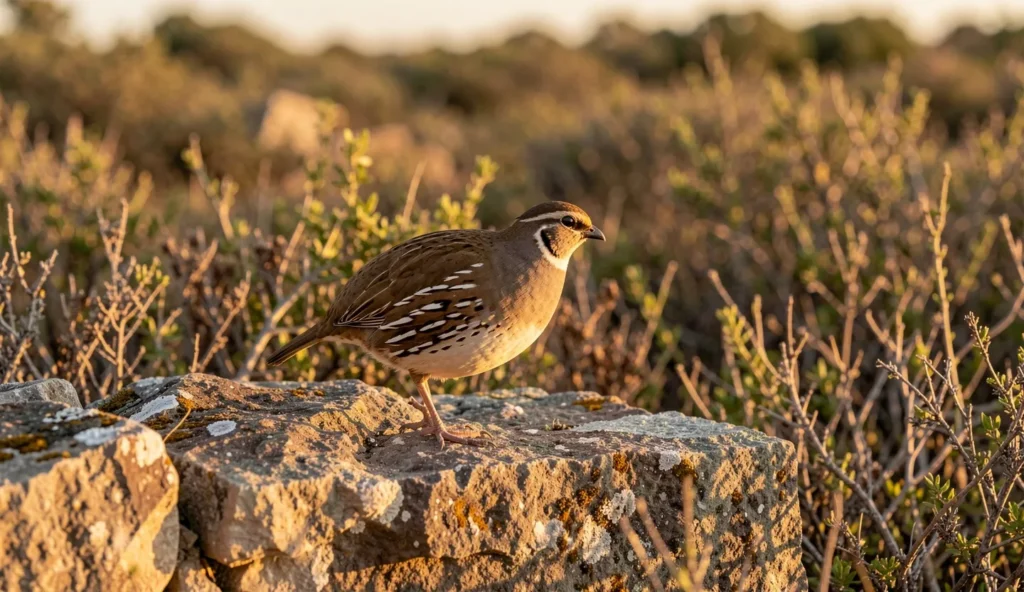
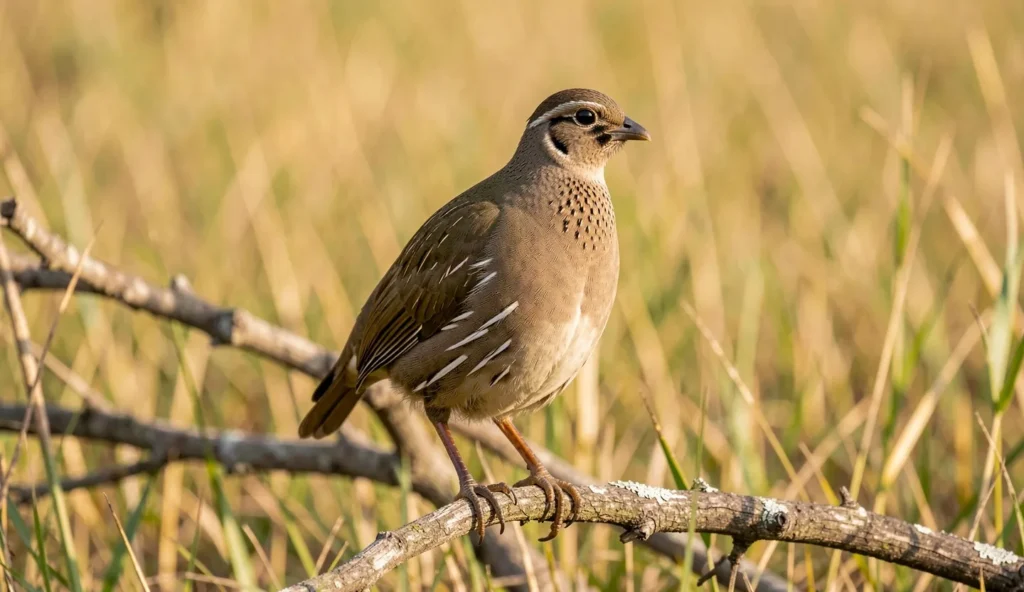
What Is A Red-Necked Francolin And How Diet Works
The Red-Necked Francolin is a ground-foraging game bird that evolved to hunt for insects, seeds, and small plant items on the move. This matters because a proper red-necked francolin food plan must support a high-protein bird diet while still giving daily energy from seeds and balanced pellets.
In captivity, nutrition needs rise and fall with activity, season, and life stage. When feeding stays consistent and portions remain controlled, the diet supports feather quality, strong digestion, and steady body condition.
How Natural Feeding Habits Shape Nutrition Needs
Natural Diet And Feeding Style
The Red-Necked Francolin forages on the ground for seeds, insects, and small plants. Regular protein from insects supports growth and helps maintain strong feather condition.
In the wild, diets shift with seasonal availability. For pet nutrition, that same idea means variety within a controlled bird diet, not random foods.
Why Nutrition Needs Matter For Health
Balanced protein, fats, and minerals support overall body condition. Missing calcium can contribute to weak bones and mineral-related problems, especially in breeding birds.
Too many treats can push weight up and reduce appetite for balanced foods. Consistent feeding times also reduce stress and can limit overeating when the bird becomes excited at random times.
Appearance And Body Needs That Affect Feeding Amounts
Typical Body Size And Activity Level
Active birds need enough calories to support movement without excess fat. Since the bird searches the ground for food, hunger signals often appear through foraging behavior.
A healthy weight improves mobility and keeps foraging drive strong. When body condition drops, protein-rich meals become more important because the Red-Necked Francolin needs amino acids for maintenance.
Stages That Change Food Requirements
Juveniles need extra protein for faster growth and better feather development. Breeding periods often require higher mineral support because reproduction uses energy and building blocks.
Older birds may struggle with tougher items and may benefit from easier-to-eat foods. If illness reduces appetite, feeding changes should focus on palatability and digestion while still covering nutrition needs.
Housing Setup That Supports Feeding And Digestion
Feeding Area Setup For Cleaner Portions
Use separate dishes for dry mix and fresh foods to reduce contamination. Place food where it stays dry and away from droppings zones.
Clean bowls daily to limit bacterial buildup. A small foraging area also helps because scattered feed encourages natural ground searching instead of rapid binge eating.
For owners exploring other game birds, comparing feeding habits can help planning. A diet approach similar to the grounded behavior seen in Painted Francolin can guide how foraging distribution should work.
Grit And Mineral Support For Safe Digestion
Offer appropriate grit for grinding tougher foods. Without grit, processing of fibrous or seed-rich items becomes less efficient.
Provide cuttlebone or another safe calcium source. Ensure mineral access stays constant, not only at night, so the Red-Necked Francolin can use it when needed.
When mineral support is missing, digestive issues may appear along with poor body condition. Owners can often prevent this by keeping calcium and grit in a stable routine, similar to feeding structure discussed in Grey Francolin care.
Water Quality And Timing During Meals
Fresh water must remain available at all times. Wash and refill daily to reduce contamination and keep drinking behavior stable.
Avoid placing water directly under areas where droppings collect. If the water zone stays clean, the bird diet works better because hydration supports digestion.
Red-Necked Francolin Diet Basics For Daily Feeding
Core Food Components To Cover Nutrition
Insects supply high protein and support natural foraging stimulation. Seeds provide energy and fiber for daily nutrition needs.
Leafy greens and small plant matter add micronutrients. Commercial game bird or francolin pellets also help fill nutrition gaps when used as the base.
Using only one food category almost always creates shortfalls. Owners typically get the best results by building a bird diet with pellets for balance and insects for protein.
Recommended High-Protein Options For Insect Feeding
Mealworms are a common insect option that most owners can find and portion easily. Waxworms contain more fat and should be limited to prevent weight gain.
Crickets and small insects can rotate for variety and more natural feeding behavior. An occasional boiled egg can also support extra protein when balanced foods remain the core.
If insect variety becomes hard, owners can borrow ideas from related species feeding notes. For example, owners studying Swamp Francolin diets may find useful guidance on insect emphasis and ground feeding routines.
Seed And Pellet Choices That Prevent Selective Eating
Choose mixes designed for game birds or ground foragers. Pellets can reduce selective eating and improve balance across the bird diet.
Avoid seed mixes with excessive sunflower if weight gain occurs. If the bird struggles with pellets, soaking or lightly moistening can improve intake without changing the food base.
For owners who want a clearer comparison of seed-focused birds, Black Francolin feeding descriptions can help identify common mistakes like too much seed and too few insects.
Vegetables And Safe Treats In Small Portions
Offer finely chopped greens such as spinach or lettuce in small amounts. Add grated carrot for variety and moisture, while keeping the overall diet balanced.
Limit fruit treats because sugar can upset digestion and raise calorie intake. Using treats after meals can also reduce the chance of replacing pellets or insect portions.
When choosing plant items, repeatable portions work best. This keeps nutrition needs stable while owners monitor droppings, appetite, and body weight changes.
Feeding Schedule And Portioning For Healthy Nutrition Needs
How Often To Feed In A Consistent Routine
Offer fresh food once daily or twice daily for insects and greens. Provide dry seed or pellets at consistent times to reduce stress and maintain predictable intake.
Remove leftovers within a few hours when fresh foods are used. Frequency may change during breeding, juvenile growth, or reduced activity periods.
Portion Guidelines By Life Stage
Juveniles need more protein-focused feeding throughout the day. Breeding adults often benefit from extra insects and reliable calcium access every day.
Adults typically do well with a steady pellet and seed base plus protein supplements from insects. Older birds may need smaller, more frequent portions and easier options if chewing becomes difficult.
How To Prevent Overfeeding And Weight Gain
Weigh birds regularly to track changes in body condition. If weight rises, reduce calorie-dense treats and limit high-fat insects.
Ensure treats never replace pellets or balanced food. Using foraging distribution instead of large bowl portions also helps slow down eating and supports better digestion.
For owners who also keep parrots, portion discipline still applies to other species. A structured approach to daily nutrition used in Red Lory feeding can reinforce how routine prevents accidental overfeeding of rich foods.
Handling And Temperament During Feeding
Stress-Free Feeding Routine That Supports Intake
Keep the feeding area quiet and consistent. Avoid sudden handling when fresh food is introduced.
Let birds approach food without chasing or crowding. After any diet change, observe eating behavior to confirm the new foods remain acceptable.
What To Watch During Daily Meals
Watch for selective eating, such as eating seeds while ignoring pellets. Also monitor droppings for too-wet or unusual consistency because digestion often reflects diet balance.
Track appetite decline or refusal of insects, since protein shortfalls can show quickly. If digestive upset repeats after a new item, stop that item and adjust portions back to the established base.
Common Health Issues Linked To Diet And Nutrition Needs
Protein, Fat, And Digestive Problems
Underfeeding insects can lead to poor body condition and weaker feather quality. Too many fatty treats can cause weight gain that then reduces activity and appetite.
Sudden diet changes can trigger soft droppings. Stale foods also increase digestive risk, so food freshness and storage matter.
Calcium And Mineral Deficiencies That Owners Can Prevent
Low calcium can contribute to weak bones and poor muscle function. Egg-laying females may require stronger mineral support because they draw on body reserves.
Grit supports grinding and improves digestion of tougher foods. Supplement only if the base diet lacks calcium sources, since extra minerals can still cause imbalance.
For owners comparing game bird nutrition structures, it can help to review feeding notes across species. The same mineral emphasis highlighted in Painted Francolin guidance often applies when calcium is easy to miss.
Toxic Or Unsafe Foods To Avoid
Avoid salty foods and processed human snacks. Also avoid foods known to be toxic to birds, including avocado and similar items.
Avoid moldy seed or insect feed because toxins can harm the digestive tract. Do not offer alcohol, caffeine, or chocolate since these can cause serious health effects.
Breeding Basics For Nutrition Support
Egg And Feather Support During Breeding
Increase protein through insects and balanced pellets during breeding periods. Keep calcium access available every day because reproduction uses minerals constantly.
Offer nutrient-rich greens in small chopped portions to add micronutrients without displacing the base diet. Keep feeding consistent to reduce stress and avoid appetite drops.
Adjusting Portions After Hatching
Reduce treats and focus on balanced protein and pellets to support recovery. Continue mineral support during the post-hatching period when body reserves recover.
If chicks enter the setup later, transition to easy-to-eat foods. Stable nutrition needs reduce digestive stress as the group settles into new feeding routines.
Starter Checklist For New Owners Who Want A Solid Feeding Plan
Daily Feeding Checklist For Better Nutrition
Insects available in planned protein portions support the high-protein diet the bird needs. A balanced pellet or game bird base anchors the red-necked francolin food plan.
Seed mix offered in controlled amounts prevents the bird diet from becoming seed-heavy. Finely chopped greens add micronutrients in small portions, while cuttlebone stays available for calcium.
Grit provided for grinding supports digestion of tougher items. Fresh water in a clean bowl every day completes the basic routine, and leftovers should be removed promptly for fresh foods.
Keeping Nutrition Stable For Better Long-Term Health
Consistent Diet Choices That Support Foraging
Use a consistent base of pellets and seeds so nutrition needs stay predictable. Rotate insects and fresh greens in measured portions and track weight, droppings, and appetite to catch problems early.
When diet changes stay slow and portions remain controlled, digestion usually stays steady. This approach also protects the bird diet balance that supports a strong, stable body condition.
Frequently Asked Questions
What Should A Red-Necked Francolin Eat Every Day?
Feed a balanced pellet or game bird base, controlled seeds, daily insects for protein, and small portions of fresh greens.
How Often Should Insects Be Fed To A Red-Necked Francolin?
Offer insects once daily or twice daily using measured portions and remove leftovers promptly.
Are Seeds Alone Enough For A Red-Necked Francolin Diet?
No, seeds alone do not meet nutrition needs for protein and minerals, so pellets and insects are required.
What Calcium Sources Are Safe For Red-Necked Francolins?
Use cuttlebone or an appropriate calcium supplement and keep calcium available consistently.