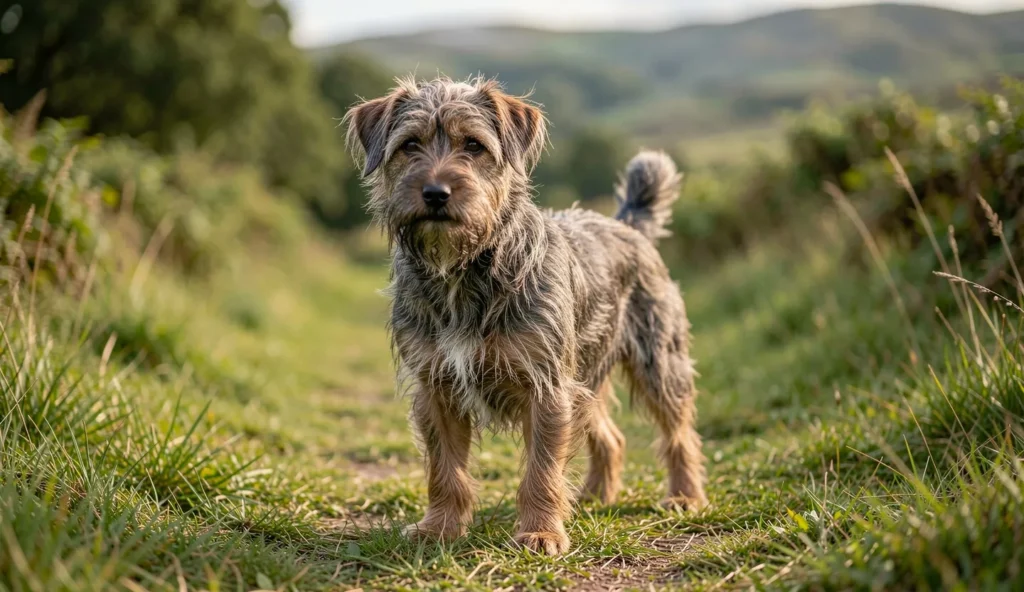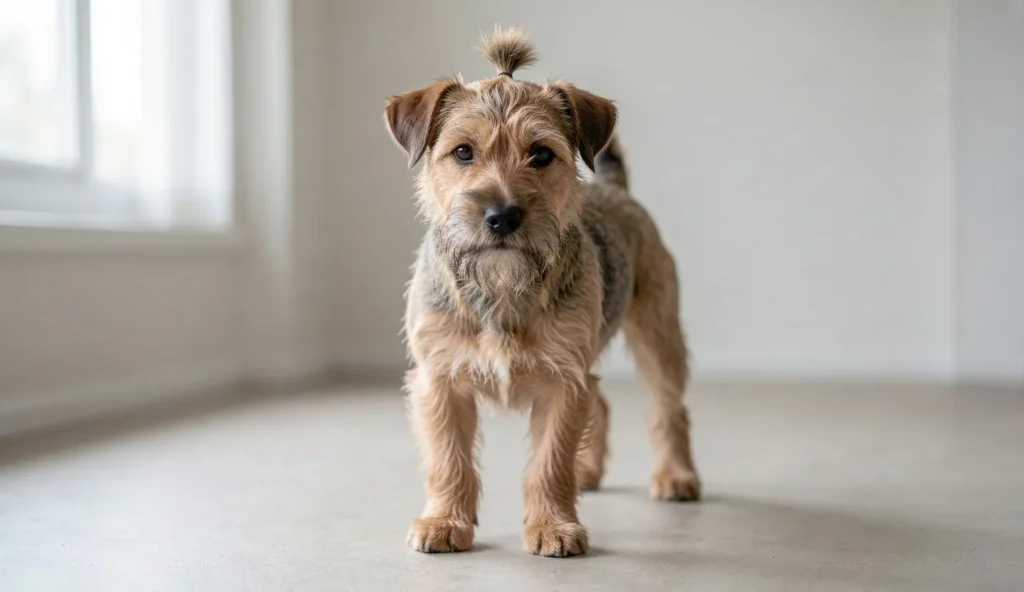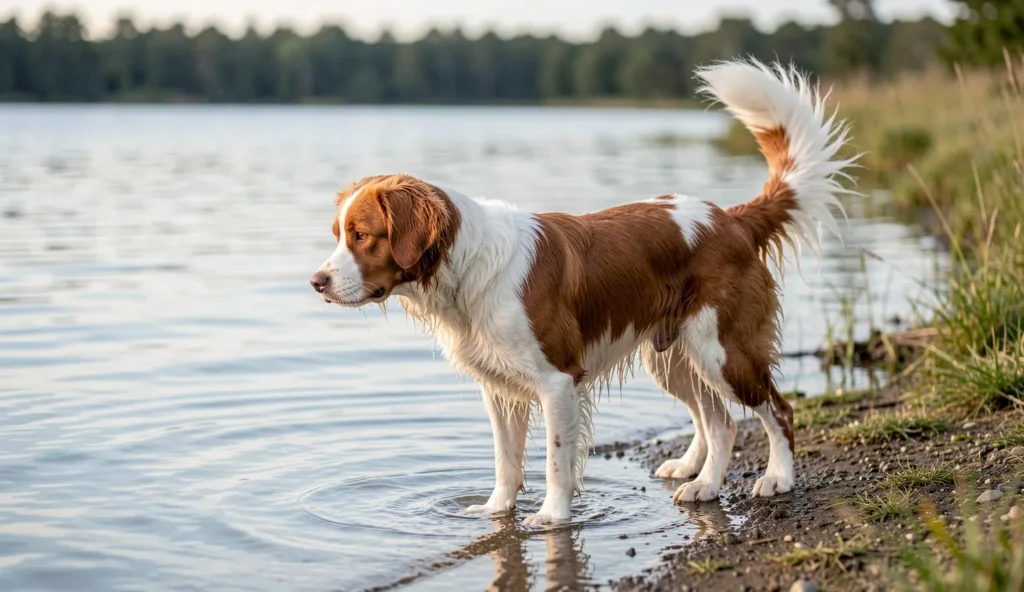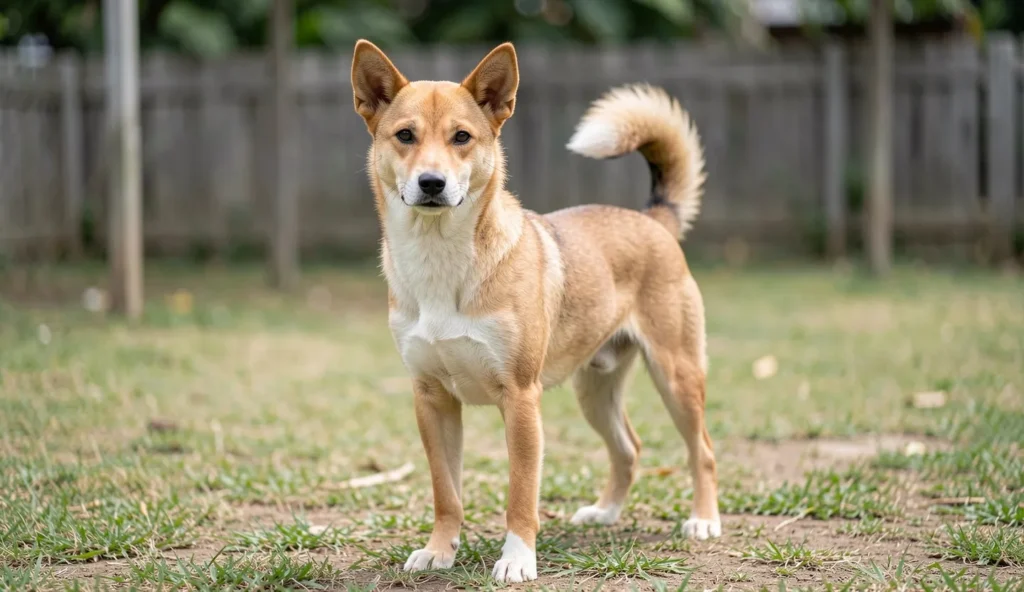
What Is A Thai Bangkaew Dog?
The Thai Bangkaew dog is a Thai rare breed known for loyalty, alertness, and a dense double coat built for outdoor guarding. Originating in Thailand, this spitz-like dog developed as a reliable household guardian. With the right space and experienced handling, the Thai Bangkaew dog fits owners who want steady protection and dependable companionship.
Breed Origin And Working Background
Thai Bangkaew dogs developed in Thailand where people valued animals that could watch property and respond quickly. Selection favored independence, alertness, and protective instincts. Over time, many lines kept a strong tendency toward guardian behavior, especially when routines stay consistent.
Because the breed often worked near homes, it learned to focus on familiar people and unusual activity. Owners typically notice watchfulness rather than constant, high-energy play. As a result, the Thai Bangkaew dog can seem serious, even during calm household moments.
Key Traits Owners Should Expect
Many owners describe the Bangkaew temperament as deeply loyal to familiar people and close household structure. The dog may stay near the owner, but it often chooses observation over constant affection. Also, the spitz-like dog profile shows through upright ears, alert posture, and a dense, insulating coat.
High awareness matters in this breed. The Thai Bangkaew dog tends to respond fast to unfamiliar sounds or movement, which can become a benefit with proper management. Training helps turn that alertness into controlled guardian responses.
Typical Size Range And Build
Thai Bangkaew dogs usually sit in the medium size range with a sturdy, active build. This body type supports a dog that can patrol and remain attentive for long periods. Proportions often look balanced with a confident stance and steady gait.
Some variation appears between individuals, including differences in height and overall mass. Age also changes how the coat sits and how easily the dog moves. For the most accurate expectations, owners should compare the specific lines available from reputable breeders.
What Does The Double Coat Look Like And How Does It Shed?
The Thai Bangkaew dog carries a double coat designed to protect against heat swings and outdoor exposure. The undercoat typically provides insulation, while the outer coat helps with weather resistance. This structure creates a look that feels plush but also demands regular double coat grooming.
Shedding patterns follow seasonal changes. During heavier shed periods, loose hair can build up quickly on floors, bedding, and clothing. For owners with space, consistent brushing reduces hair indoors and keeps the coat comfortable.
Coat Type And Seasonal Shedding Patterns
The double coat usually includes a softer undercoat plus a thicker outer layer. When temperatures shift, the undercoat often sheds more heavily. This timing can vary by climate, but many Thai Bangkaew dogs show visible seasonal transitions.
Regular brushing helps remove loose hair before it collects on the skin. At the same time, brushing spreads natural oils across the outer coat. If brushing stays inconsistent, matting risk rises, especially in dense areas like the legs and collar line.
Color Patterns And Common Markings
Coat colors may include white, fawn, or brindle tones, though specific combinations vary across dogs. Markings can differ between individuals, and facial patterns often shape the alert expression. Owners often notice how the face design highlights the dog’s focus.
While coat color matters aesthetically, coat health matters more for comfort and shedding control. Any color can show dryness or irritation if grooming and bathing practices mismatch the dog’s skin needs. Because double coats trap moisture, thorough drying after outdoor time matters.
Face, Ears, And Tail Characteristics
The Thai Bangkaew dog commonly shows upright or semi-upright ears that support fast sound detection. This feature helps the guardian evaluate activity without needing loud cues. The tail may rise when alert and may curl at rest depending on the dog’s comfort level.
Body language often communicates emotional state before behavior changes. A stiff posture can signal heightened vigilance. A softer face and relaxed tail often indicate the dog feels safe.
Movement And Body Language Signals
Efficient movement supports patrol-style behavior. When unfamiliar activity appears, posture often tightens, and the dog may pause to assess. Over time, owners can learn to separate calm curiosity from overstimulation.
Close observation helps with management. If the dog keeps pacing or stares without settling, exercise and mental work may need adjustment. When body language stays consistent and training cues hold, the Thai Bangkaew dog can function as a controlled guardian.
How Does Bangkaew Temperament Show Up In Daily Life?
Bangkaew temperament usually includes loyalty, independence, and strong awareness of the household. This Thai rare breed often forms stable bonds with familiar people and may prefer predictable routines. Many dogs watch from nearby rather than seeking constant play.
Because guardian instincts develop naturally, management choices matter. Owners who provide structured activities and calm guidance often see better stability. In contrast, unpredictable handling can increase stress and lead to reactive guarding.
Loyalty To Family And Bond Style
Thai Bangkaew dogs often show devotion through presence and monitoring. The dog may follow familiar people within the home and remain close during quiet hours. Instead of demanding attention, the dog can appear selectively affectionate.
Some dogs form stronger bonds with one household member. Others maintain a balanced attachment with multiple people. Either way, consistency in rules and routines supports long-term loyalty and reduces confusion.
Guardian Instincts And Social Boundaries
The guardian instinct often shows as evaluation of unfamiliar people and unusual situations. This behavior can look like controlled alertness when training works well. Without training, the dog may bark more frequently or act protective around guests.
Good socialization can teach the difference between genuine threats and normal events. Owners also need clear introductions so the dog understands what visitors mean. During early practice, supervised meetings and predictable responses help the dog build stable boundaries.
Energy Level And Typical Daily Behavior
Thai Bangkaew temperament includes mental alertness that can matter as much as physical energy. Many dogs prefer structured walks, scent work, or calm training sessions. Chaotic play can overstimulate some individuals, especially if guarding cues stay unaddressed.
A bored dog may become restless, vocal, or overly focused on household changes. When daily structure fits the dog, behavior often improves. If needed, owners can use enrichment to channel watchfulness into manageable tasks.
Compatibility With Other Pets And People
Early socialization often supports calmer behavior with visitors. Slow introductions can reduce tension when the dog meets new people or enters new spaces. With consistent training, the dog can learn that guests arrive for normal interaction, not for immediate defense.
Some lines may show same-sex aggression, especially in shared spaces. Resident animals might require supervised, slow introductions with clear separation when needed. Owners should plan carefully and prioritize safety during the learning phase.
How Much Exercise Does A Thai Bangkaew Dog Need?
Thai Bangkaew exercise needs typically reflect an active guardian breed with high awareness. The goal usually includes both physical movement and mental work. Multiple sessions during the day often work better than a single long outing.
Owners with experienced handling and space can support the dog’s instincts through structured patrol-style walks and enrichment. When exercise stays consistent, barking and pacing often decrease. When exercise misses the mark, overstimulation can increase.
How Much Daily Activity Is Enough
Daily activity often works best when divided into several sessions. Walking and enrichment combine to match working instincts and reduce stress. Age, fitness, and heat tolerance determine duration, and adjustments should follow the dog’s body condition.
During hotter periods, shorter walks with more indoor enrichment may help. During cooler weather, longer movement can be easier on comfort. The key is avoiding extremes while still keeping the dog engaged.
Best Types Of Exercise For A Guardian Dog
Brisk leash walks in varied environments usually support the dog’s observational drive. Controlled games like fetch can also help, but they should stay structured and brief. Scent work often fits this breed because it channels focus without creating chaotic excitement.
Short training sessions paired with calm movement help reinforce expectations. That approach supports training a guardian dog while also meeting the dog’s need to evaluate surroundings. For owners comparing instincts across breeds, a
profile can help illustrate how high energy differs from watchful energy.
Space Needs For Experienced Owners
This breed often does well with secure outdoor space where it can patrol safely. A solid fence matters because guardian dogs can challenge weak barriers. Escape-proof planning reduces risk when the dog spots unfamiliar activity.
Indoor rest periods also matter. Even vigilant dogs need downtime so the coat and nervous system recover. When rest stays consistent, the Thai Bangkaew dog tends to behave more predictably during daily routines.
Signs Exercise Is Not Meeting Needs
When activity does not match the dog’s needs, pacing and whining may increase during idle time. Barking at normal noises can also rise if the dog stays overstimulated. Destructive chewing or digging can occur when boredom replaces purposeful outlets.
Owners should treat these signs as information, not just “bad behavior.” A quick adjustment to walks, enrichment, and training structure often improves the pattern. If symptoms persist, a veterinary check can also rule out pain or illness.
How Should Training A Bangkaew Temperament Dog Be Done?
Training supports the guardian instincts of the Thai Bangkaew dog without suppressing natural awareness. A stable plan works best when it stays consistent and uses positive reinforcement. Because the breed can act independent, cues must stay clear and practice must remain regular.
In addition, training should include management so the dog can succeed. When success repeats, loyalty and predictability grow. That approach improves the dog’s ability to function around visitors and daily household activity.
Start With Socialization During Puppy To Adolescence
Socialization during puppy to adolescence helps the dog learn boundaries with people, sounds, and handling. Controlled exposure reduces fear responses and supports stable manners. Positive reinforcement rewards calm choices so the dog associates normal life with safety.
Overwhelming sessions can backfire. Short visits, gradual increases in stimulus, and calm handling often work better than long events. For owners who want a comparison in temperament training methods, Thai Ridgeback temperament guidance can provide useful perspective on independent guarding traits.
Leash Manners And Recall Practice
Leash manners usually matter early because the dog may notice territorial cues while walking. Loose-leash training helps reduce tension and supports predictable movement. Recall practice works best in fenced areas first, where distractions remain manageable.
High-value rewards improve recall, especially during early stages. Distractions should rise slowly so the dog can learn the pattern. When recall holds, owners can better manage encounters with people and animals.
Managing Territorial Barking And Guard Responses
Territorial barking can become manageable with a reliable quiet cue and consistent reinforcement. Rewarding calm behavior teaches the dog what to do during unfamiliar activity. Punishing warning signals can increase fear and worsen long-term reactivity.
Instead, training should emphasize disengagement. The dog can earn rewards for stepping away from the stimulus and focusing on the owner’s cue. That method supports training a guardian dog while keeping warning communication intact.
Crate Training And Routine Building
Crate training supports safe resting and reduces stress when the dog needs downtime. A comfortable crate area with calm setup helps the dog see it as a safe place. Feeding and walk timing consistency also builds predictability for the Thai Bangkaew dog.
Routine does not restrict independence; it stabilizes it. When the dog expects meals, walks, and rest at set times, behavior often becomes smoother. If discomfort appears, crate training should adjust to comfort levels and the dog’s stress signals.
What Grooming Routine Keeps A Double Coat Comfortable?
Double coat grooming remains one of the most important care tasks for the Thai Bangkaew dog. The coat traps loose hair during seasonal shedding, which can lead to matting if grooming stays infrequent. A consistent brush schedule also supports healthier skin and easier outdoor comfort.
Because the undercoat can hold moisture, drying practices matter after baths or rainy walks. When grooming stays thorough, shedding feels more manageable indoors. Owners who keep the routine steady usually see fewer skin issues.
Brushing Schedule And Tools For Double Coat Grooming
Brushing should remove loose undercoat hair before it gathers in dense sections. Many owners brush regularly, then increase frequency during heavy shedding periods. Tools should match dense double coat hair so they remove undercoat without pulling too hard.
Focus on areas that trap hair such as legs and the collar line. Loose hair can also build up behind ears and around the tail base. Consistent grooming makes it easier to spot skin changes early.
Bathing Frequency And Drying After Outdoor Time
Bathing should happen only when necessary to avoid stripping natural oils from the skin. When baths occur, thorough rinsing prevents residue from irritating skin. Gentle drying helps prevent damp undercoat, which can cause discomfort.
After outdoor exposure, coat feel offers quick clues. If the coat remains cool and damp near the undercoat, more drying time may be needed. This care step supports coat health and reduces the chance of odor buildup.
Tangle Prevention And Handling Heavy Shed Periods
Tangles should be removed promptly to avoid uncomfortable matting. During heavy shed periods, owners may need to brush more often to keep hair from clumping. Short grooming sessions can reduce stress and improve cooperation.
Certain dogs may require calm restraint, especially if brushing triggers sensitivity. The goal stays patience and consistency, not speed. When the dog learns grooming is routine, the process becomes easier over time.
Nail, Ear, And Teeth Maintenance
Nails need trimming based on wear and the types of floors used at home. Long nails can affect gait, and a guard-focused dog may move differently if feet feel uncomfortable. Regular checks prevent quick injuries during trimming.
Ear inspections also matter after outdoor time. Look for redness, odor, or moisture buildup, especially after rainy walks. Teeth brushing several times per week supports dental health and helps prevent bad breath.
What Should A Thai Bangkaew Dog Eat For Coat And Energy?
Diet and nutrition affect weight control, energy, and coat condition in the Thai Bangkaew dog. Balanced food supports healthy skin, and stable portions reduce digestive stress. Because this breed may stay active and watchful, calorie needs often vary by age and daily routines.
Choosing a quality base diet and sticking to feeding consistency can prevent many common issues. If changes become necessary, transitions should happen gradually. That approach protects digestion and supports stable growth.
Choosing A Balanced Dog Food
A complete and balanced food fits the dog’s age and activity level. Quality protein supports muscle, while healthy fats support coat quality. When the diet matches the dog’s needs, the double coat often looks smoother and sheds more evenly.
Sudden food changes can upset digestion, so adjustments should follow a gradual plan. If any food allergy concerns arise, veterinary guidance can help with ingredient selection. Owners comparing feeding structures across breeds can review how other guardians handle energy, such as in Pakistani Bully Dog care practices.
Feeding Schedule And Portion Control
Measured portions help prevent weight gain and keep mobility comfortable. Feeding based on body condition often works better than relying only on generic age charts. Adjustments should follow activity changes and seasonal weather.
Some owners reduce portions during colder months if walks shorten. Others increase portions when the dog runs more or does more enrichment. Weight checks every few weeks help keep the plan on track.
Treats And Training Nutrition
Treats support training and recall, but portion control still matters. Small, high-value treats keep motivation strong without increasing calories too much. Many owners use training treats that also support dental health.
Limiting treat quantity protects calorie balance. Also, treats should match the dog’s tolerance, especially if the dog shows digestive sensitivity. A consistent reward routine supports training a guardian dog with less stress.
Water Intake And Food Safety Practices
Fresh water should remain available, especially after exercise sessions. Food safety includes proper storage to prevent spoilage and pests. Any vomiting, diarrhea, or stool changes should trigger attention quickly.
Owners should watch for patterns rather than isolated events. If digestive signs repeat, a veterinary check can identify dietary intolerance or another underlying cause. This care step keeps grooming and activity comfortable.
What Common Health Issues Affect Thai Bangkaew Dogs?
Common health issues in Thai Bangkaew dogs often relate to skin comfort, ear care, joints, and digestion. Preventive vet care supports early detection, especially for an alert, active guardian breed. Owners who check the dog at home often spot issues sooner.
Routine monitoring also matters because a dog that patrols may hide pain. If behavior changes, such as reduced interest in activity, the cause should not wait. Early action keeps the dog comfortable and active.
Routine Vet Care And Preventive Checks
Vaccinations and parasite prevention should stay up to date. Regular exams also help the veterinarian discuss diet, coat care, and exercise adjustments. At home, checking weight, teeth, skin, and mobility provides useful baseline information.
Because this breed spends time watching outdoors, skin and ears may need extra attention. Consistent preventive checks reduce the chance of small problems becoming bigger ones. Owners should keep records of grooming schedule and any symptoms.
Skin Coat And Ear Concerns To Watch
Double coats can trap moisture, especially after baths or rainy walks. Thorough drying helps reduce irritation and odor. Owners should watch for redness, odor, or excessive scratching as possible signs of discomfort.
Ears need checking after swimming or wet outdoor time. Moisture buildup can increase the risk of ear irritation. If the dog shakes its head frequently, a veterinary evaluation can help determine the cause.
Joint And Musculoskeletal Considerations
Active dogs benefit from joint support through weight control and proper exercise planning. Too much strain during growth or excessive impact can increase future risk. Owners should watch for limping, stiffness, or a sudden drop in activity.
When there is a family history of orthopedic issues, orthopedic screening may be worth discussing with a veterinarian. Smooth, controlled movement helps keep joints comfortable. If pain appears, exercise should adjust until the root cause is known.
Digestive Problems And Allergy Signs
Persistent vomiting or diarrhea needs veterinary guidance rather than home treatment. Chronic itching with recurring ear issues can signal allergies, especially when symptoms keep returning. Food trials should happen only if recommended and under a structured plan.
Owners should monitor stool consistency, appetite, and coat changes at the same time. When multiple symptoms align, that information supports faster diagnosis. Diet stability can also help reveal whether the problem matches ingredient sensitivity.
Is A Thai Bangkaew Dog Right For Experienced Owners With Space?
The Thai Bangkaew dog can match well with experienced owners who can provide consistent structure and space. Secure outdoor space supports safe patrol behavior, and regular grooming supports coat comfort. This guardian dog often needs boundaries that remain consistent for visitors and household routines.
Many households choose this breed because loyalty and protection feel reliable. However, the same guardian instincts create challenges without training. Care planning should focus on exercise, mental stimulation, and manageable grooming during seasonal shedding.
Best Home Fit For Loyalty And Double Coat Grooming
A strong fit often includes experienced owners who can manage training and socialization with consistency. Homes should offer secure space for safe observation and enrichment. Because double coat grooming takes time, the household must commit to regular brushing and drying practices.
Visitors and unusual activity also require management. When the household plans guest introductions and uses clear cues, the Thai Bangkaew dog often adapts well. That stability supports loyalty and reduces confusion.
Challenges Owners Should Plan For
Guardian instincts can require structured socialization and careful management around strangers. Seasonal shedding can become heavy, so owners should plan for increased brushing. Leash skills need training early to handle territorial cues during public outings.
Also, boredom can create problems, especially if the dog stays idle for long periods. Planning daily enrichment can reduce barking and pacing. For owners who also compare guard behaviors across breeds, a American Pit Bull Dog care overview may help illustrate how drives can vary between working breeds.
When A Different Breed Makes More Sense
A different breed may fit better if daily exercise and mental stimulation cannot stay consistent. Limited ability to manage visitors and unfamiliar situations can also create challenges for this guardian dog. Additionally, if regular grooming during heavy shed periods feels unrealistic, coat comfort may decline.
Before choosing, evaluate available time for training, brushing, and safe outdoor management. If those needs match the household schedule, the Thai Bangkaew dog can become a loyal, dependable companion.
Final Note On Responsible Ownership
The Thai Bangkaew dog thrives when loyalty, grooming, and training work together. With the right space and consistent care, the double coat and guardian instincts can support a stable, well-managed household.
FAQs About Thai Bangkaew Dog Care
How Often Should A Thai Bangkaew Dog Be Brushed?
Brush consistently to manage double coat shedding. Increase brushing frequency during seasonal shedding periods.
Does A Thai Bangkaew Dog Shed A Lot?
Yes, the double coat often sheds heavily during seasonal transitions. Regular grooming at home helps control loose fur and supports coat comfort.
Are Thai Bangkaew Dogs Good With Children And Visitors?
They can be loyal to familiar people with training and stable routines. Early introductions and supervision improve guest behavior and reduce stress.
What Kind Of Training Works Best For A Guardian Dog?
Use positive reinforcement and consistent cueing. Reward calm disengagement when unfamiliar activity occurs.
How Much Exercise Does A Thai Bangkaew Dog Need Daily?
Provide multiple sessions of walking and enrichment. Adjust duration based on age, fitness, and weather conditions.
What Are Common Health Issues To Watch For?
Monitor skin, ear health, and digestive changes. Watch for stiffness, limping, or reduced activity and get veterinary help when symptoms persist.
Similar Breeds
Owners who want a different profile can compare guard instincts and grooming needs across similar breeds.