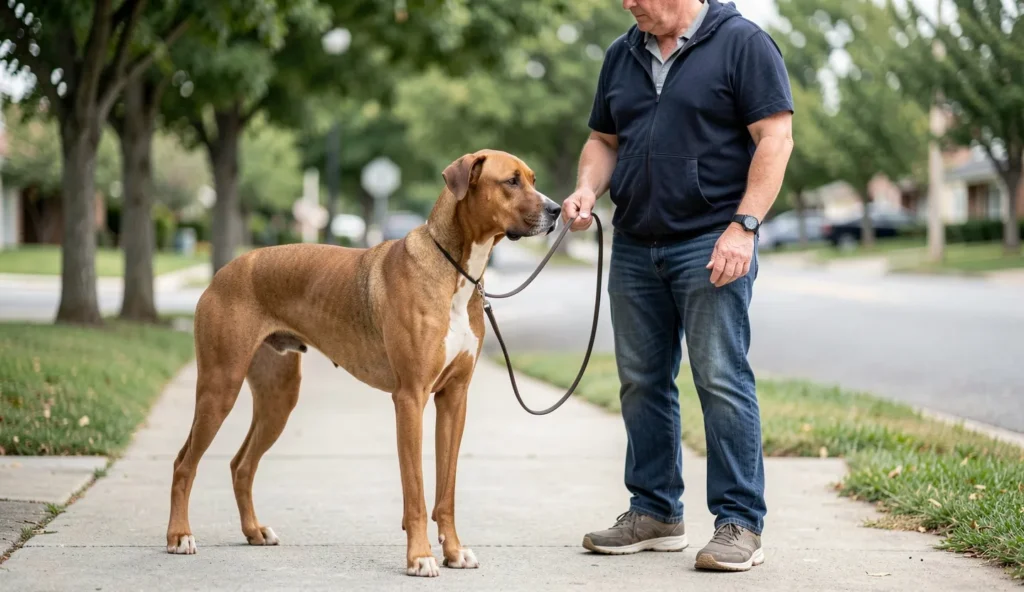
What Is a Thai Ridgeback?
The Thai Ridgeback is a rare Asian breed from Thailand with a strong sense of self. This Thai Ridgeback temperament often shows up as calm control paired with selective engagement. Many experienced owners choose this ridgeback dog breed for its alert presence and working mindset. At the same time, the independent dog style demands consistent, fair training from day one.
Breed Origin And Natural Purpose
This breed developed in Thailand as a versatile working dog. Historically, Thai Ridgebacks supported people by guarding and hunting small game in mixed environments. Natural instincts like alertness and self-reliance helped the dog make decisions without constant direction.
Key Temperament Traits To Expect
Thai Ridgebacks often act independent and selective about when engagement happens. They tend to feel alert without becoming frantic, and many owners describe a controlled, steady demeanor. With unfamiliar people, the dog may remain reserved until trust grows.
Working Style And Decision Making
These dogs typically evaluate situations before committing to action. Rather than relying only on repetitive training drills, the independent dog may prefer problem solving. Motivation can also vary, so some sessions feel easy while others require better reward planning.
Appearance And Distinctive Physical Features
Physical structure affects handling, conditioning, and training outcomes. A lean, athletic build supports speed and agility, which can increase the need for clear cues. Because the body works efficiently, distractions can quickly become more interesting than training unless reinforcement is strong.
Coat, Colors, And Ridge Characteristics
The Thai Ridgeback has a short coat with a smooth, functional look. Coat color can vary across breeding lines, and some individuals show darker or lighter tones. The ridge on the back is the breed hallmark and helps set the profile apart from other ridgeback dog breed types.
Build, Movement, And Athletic Capacity
Most Thai Ridgebacks carry lean muscle over a compact frame. Efficient movement supports active daily work, and physical conditioning often links directly to behavior. When training includes structured movement, the dog usually channels energy more predictably.
Handling Considerations During Training
Because the body stays strong and responsive, leash mechanics matter early. Comfort with a collar and harness should be introduced early, with short steps toward longer wear times. Sensitive areas can exist in any dog, so touch desensitization should start calmly and stay consistent.
Temperament And Personality In Everyday Life
Thai Ridgeback temperament shows up through everyday routines rather than one dramatic moment. At home, the dog may observe first, then choose when to interact. For many owners, the best results happen when management and training are aligned from morning to evening. This matters even more when other dogs, visitors, or busy streets appear in daily life.
Family Bonds And Social Preferences
Thai Ridgebacks often bond strongly with familiar people. However, they may not seek constant attention, and they may respect space when properly managed. A predictable routine helps the dog feel secure enough to work for rewards.
Stranger Response And Territory Awareness
With unfamiliar individuals, the dog may show caution rather than immediate friendliness. Alert behavior can look like stiffness, which some owners misread as aggression. Early, controlled exposure helps shape comfort levels before intense patterns become habits.
Prey Drive And Environmental Reactivity
Scent and movement can trigger chasing behaviors, especially during early training. Reactivity often rises when under-exercise combines with stressful exposure. Management usually performs better than punishment in the first months, because the dog needs time to learn new decisions.
Independence And Strong Will Behaviors
The strong will part of the Thai Ridgeback temperament can look like selective compliance. When the value of training is unclear, the dog may choose not to respond. Consistency builds reliability and trust, while boredom can lead to boundary pushing.
Training Methods That Work For This Independent Dog
Thai Ridgeback training works best when it stays structured, predictable, and reward-based. The independent dog style means cues can take longer to learn, especially when distractions increase. Strong will behaviors often improve when owners remove confusion and then add clear steps toward better choices. Several ridgeback dog breed examples in other contexts can also highlight similar patterns, such as the structured approach used for a Ridgeback Dog.
Training Philosophy And Consistency Rules
Clear cues with consistent rules prevent confusion and reduce testing. Training also benefits from setting the dog up for success before increasing difficulty. Predictable consequences should happen every time, and changes in expectations should be avoided even on busy days.
Motivation And Reinforcement Choices
Motivation depends on the individual, so rewards must match the dog’s interests. High-value food or appropriate rewards often improve focus quickly, especially during early sessions. Short sessions usually outperform long repetitive practice because engagement stays higher.
During mild distractions, rewarding calm choices can build new default behavior. Over time, the dog starts to treat training cues as reliable information rather than optional requests. When reward quality stays steady, independent decision making becomes easier to guide.
Basic Obedience For Strong Will Dogs
Basic obedience should start with sit, stay, and recall using gradual challenge. Leash manners training needs to begin early and happen often, not only during formal sessions. Repeating a cue multiple times teaches delay, so one prompt should lead to either success or a reset.
Recall should start with easy distances and then grow only after consistent responses. The dog should experience more wins than failures because that balance protects confidence. For owners comparing breed expectations, a Rottweiler dog profile can show how steady repetition differs from independent timing, even though training goals remain similar.
Leash Training And Preventing Pulling
Pulling can develop when the dog learns that forward movement creates results. Low-distraction environments help the dog learn automatic attention before traffic and visual triggers appear. Rewarding attention and checking in supports calmer leash behavior.
Traffic and visual triggers should be planned carefully, not met by chance. If the dog cannot succeed in a situation, the environment should change through distance, time, or path choice. This is where management reduces rehearsal, which often drives future learning.
Recall Training With Realistic Scenarios
Realistic recall training means practicing in environments that resemble daily routes. Distance progressions work best when success rates stay high. Long lines can build distance control without forcing an unsafe chase or a late correction.
Off-leash attempts should not be random, and prerequisites should be met first. Difficulty should rise through environment changes rather than only distance increases. For owners who want structure comparisons across working guardian styles, a King Shepherd guide can illustrate how planning affects outcomes, even when the dog type differs.
Addressing Common Behavior Challenges
Boundary testing often improves with predictable routines and clear rules. If stranger tension increases, under-socialization may be part of the pattern and should be addressed with controlled exposure. Chasing response needs management plus countertraining, so the dog learns to trade movement for reward.
When the owner corrects too late, the dog can rehearse the unwanted behavior. Instead, the setup should reduce opportunity and then reward the alternative action. If a similar issue appears with another muscular breed, an American Pit Bull Dog article can reinforce the idea that structured training beats reactive correction.
Exercise Requirements For Focus And Calm
Exercise supports Thai Ridgeback temperament by reducing excess energy and improving self-control. Physical work alone often helps, but mental work improves consistency. When activity matches the dog’s needs, strong-will choices usually feel less frequent and less intense. For many owners, a consistent schedule matters more than a single long outing.
Daily Activity Targets And Variety
Thai Ridgebacks need regular physical exercise for stable behavior. Variety reduces boredom and restlessness, so routes and environments should rotate. Controlled new sights can be introduced while training continues through short reward intervals.
Mental Stimulation That Supports Training
Mental stimulation strengthens training by improving focus under real conditions. Scent work and structured problem solving fit this breed well. Sessions should stay goal-based rather than random play, so the dog understands what earns reinforcement.
Training games can also reinforce attention and help the dog practice calm engagement. When mental tasks align with cues, recall and leash skills tend to improve faster. This approach pairs well with the same disciplined mindset used in Exotic Dog Breeds when selecting management-friendly routines.
Rest Days And Overexertion Awareness
Overexertion can increase irritability, especially in dogs that run hard without breaks. Joint comfort should be monitored after intense sessions, and activity level should match age and fitness. Rest days support recovery and keep training sessions from becoming frustrating.
Health Care And Grooming For A Reliable Routine
Health and grooming support stable training by keeping the dog comfortable during handling. Thai Ridgebacks usually manage well with basic care, but consistent checks still matter. When routine is predictable, owners can notice early changes in skin, gait, or energy. Those early signs can prevent training disruptions caused by pain or discomfort.
Grooming Basics And Coat Maintenance
With a short coat, grooming needs are generally minimal. Regular brushing helps manage shedding and supports skin health. After walks, paws should be wiped and nails checked so irritation does not build quietly.
During grooming, touch should stay calm and timed with reinforcement. If the dog resists a specific area, the routine should break into smaller steps and then progress. This helps training remain smooth because the dog learns handling is safe.
Diet And Feeding Schedule For Energy Control
A balanced diet supports activity level and helps keep energy steady through the day. High-calorie treats should not replace regular meals, especially when training happens frequently. Meal timing should stay consistent because routines influence behavior patterns.
When food motivates training, treats should match the daily plan. Too many extras can create weight or energy issues, which may then affect focus. Owners managing an independent dog usually benefit from measured feeding and clearly planned treat budgets.
Common Health Issues To Monitor
Or orthopedic and joint concerns should be monitored, particularly when exercise increases. Skin and coat changes can signal irritation or an underlying issue, so they should not be ignored. Routine veterinary checks help catch problems early, which also supports long-term training continuity.
If gait changes appear, exercise should pause until a professional check happens. Pain can create sudden behavior shifts, including more reactivity or reduced responsiveness. That is why health observations should stay part of everyday training records.
Is a Thai Ridgeback Right For Experienced Owners?
Thai Ridgeback temperament fits best with experienced owners who can manage structure daily. This breed often responds well to scheduled exercise, consistent cues, and predictable training setups. When supervision and management are realistic, the dog can thrive without frequent behavioral crises.
Who Does Best With This Breed
The Thai Ridgeback often suits owners who commit to consistent training and do not change rules often. Structured routines and scheduled exercise support calmer behavior and clearer communication. Most success appears when the owner plans the environment and prevents failure.
It can also help to compare expectations with another guardian-style breed, such as a Tibetan Mastiff Dog, since both can show reserve and independent judgment. While each breed differs, the need for firm structure and thoughtful social setup often overlaps.
Who Should Reconsider
This breed usually does not fit owners who cannot keep cue use consistent. If training rules change frequently, the independent dog may become less reliable. Lack of mental stimulation often increases boundary pushing and creates more opportunities for unwanted chasing patterns.
What To Prioritize From Day One
Leash manners, calm focus, and reward-based recall should become early priorities. Socialization should start with controlled exposure so stranger and visitor responses stay manageable. Training environments should reduce failure rates, which keeps strong will behaviors from turning into permanent habits.
If a new owner wants comparisons across different styles, reviewing guidance for a Pakistani Bully Dog can show how strong structure and clear routines shape outcomes. For Thai Ridgebacks, the core requirement remains the same, consistent training with clear expectations and fair reinforcement.
FAQs: Thai Ridgeback Training And Temperament
How Would Experienced Owners Describe Thai Ridgeback Temperament?
Experienced owners often describe Thai Ridgeback temperament as independent and selective with attention. The dog typically stays alert and controlled rather than overly reactive. Strong will means consistent training and clear rules are required.
Is Thai Ridgeback Training Harder Than Other Ridgeback Dog Breeds?
Training can feel slower due to independent decision making. Consistency and motivation-based rewards usually improve speed and reliability. Repeating cues should be avoided to prevent rule confusion.
Do Thai Ridgebacks Pull On The Leash?
Leash pulling can develop if structured training does not start early. Rewarding attention and automatic checking-in usually reduces lunging and chasing focus. Low-distraction areas help the dog learn before moving to higher triggers.
What Motivates A Thai Ridgeback During Training?
High-value food or appropriate rewards often motivate the dog best. Short sessions help maintain engagement and prevent focus drop. Distractions should increase only after basic skills become consistent.
Are Thai Ridgebacks Good With Strangers And Visitors?
Thai Ridgebacks may be reserved and cautious at first. Early controlled exposure can shape comfort levels and reduce tense rehearsals. Management often prevents repeated reactions before training takes effect.
How Much Exercise Does A Thai Ridgeback Need Daily?
A Thai Ridgeback needs regular physical activity to support calm behavior. Mental work also matters because it reduces boredom and supports training. Exercise intensity should match age, fitness, and joint comfort.
Ongoing Care That Keeps Training Workable
Consistent routines, structured exercise, and fair reinforcement help Thai Ridgebacks thrive. With steady planning, strong will behavior becomes easier to manage and temperament stays predictable.