What Is A Norwegian Forest Cat
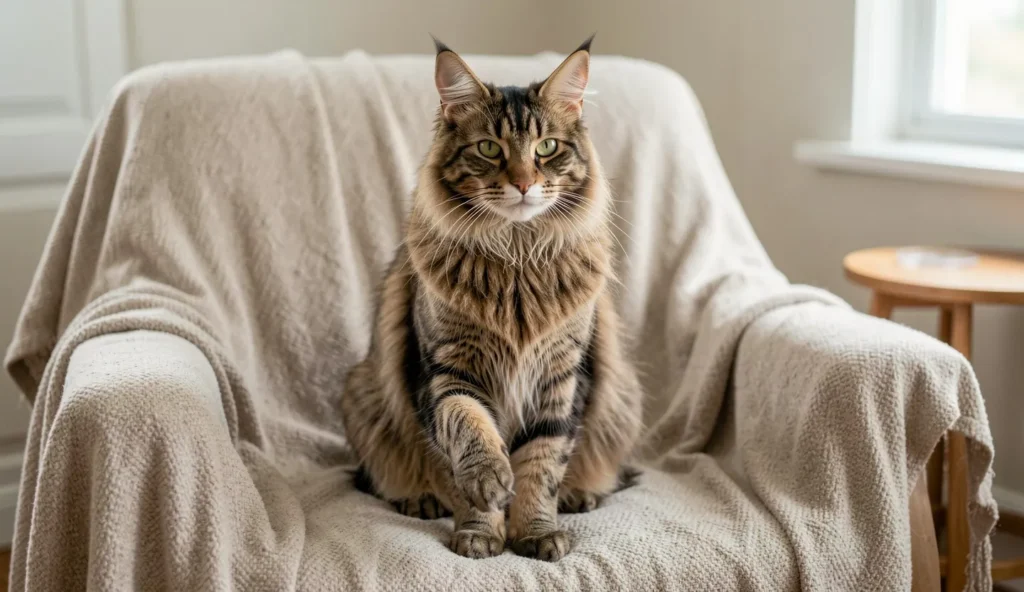
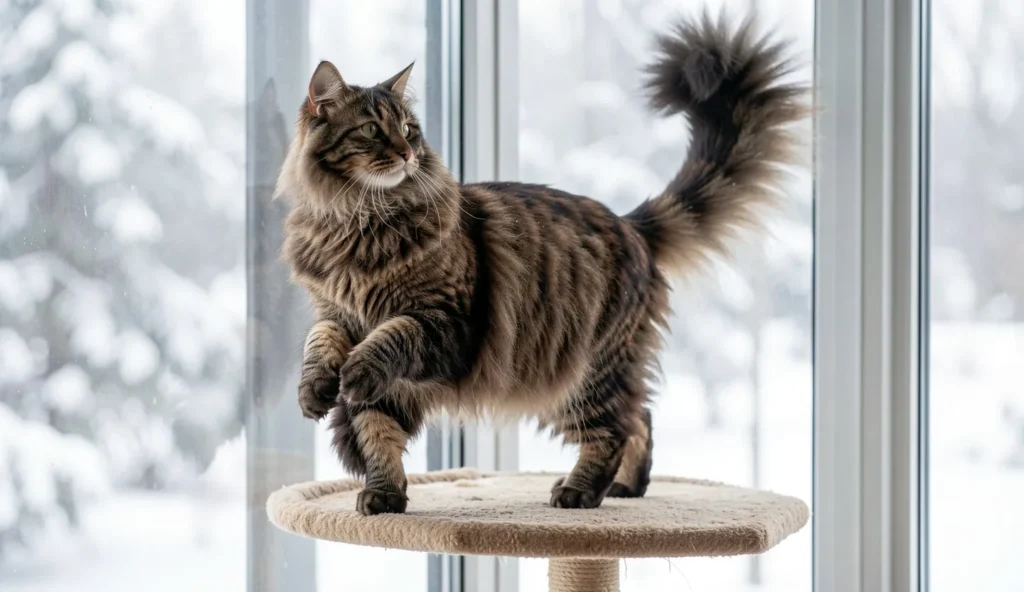
The Norwegian Forest cat is a hardy forest cat breed from Norway known for its thick double coat and strong climbing ability. This skogkatt type cat developed in cold, outdoor conditions where thick fur and balance mattered. Many owners choose a Norwegian Forest cat because it fits colder climates and often stays active indoors. The breed also carries a long regional history that shaped its survival traits.
Breed Origin In Norway And Nordic Identity
Norwegian Forest cats are described as naturally adapted forest cats of Norway. Historically, they were valued as working cats in farm and storage areas where they handled changing weather and everyday pest control needs. Over time, they became recognized as a distinct breed with a long presence in the Nordic region.
Because their coat and body structure supported outdoor life, the breed’s identity remains tied to Nordic conditions. For many people, this background helps explain why the Norwegian Forest cat handles cold temperatures well. It also helps owners understand why enrichment and climbing opportunities matter for day to day comfort.
Thick Double Coat And Naturally Built For Climbing
The defining feature of this forest cat breed is the thick double coat. The outer coat helps repel moisture, while the dense undercoat insulates against cold air. As a result, the Norwegian Forest cat tends to feel more comfortable in cooler rooms than many shorthaired breeds.
Body structure also supports vertical movement. Strong legs and balanced bodies allow confident jumping and climbing, especially on safe perches. At the same time, most Norwegian Forest cat owners report a social, observant personality that fits routine home life.
Appearance And Physical Features
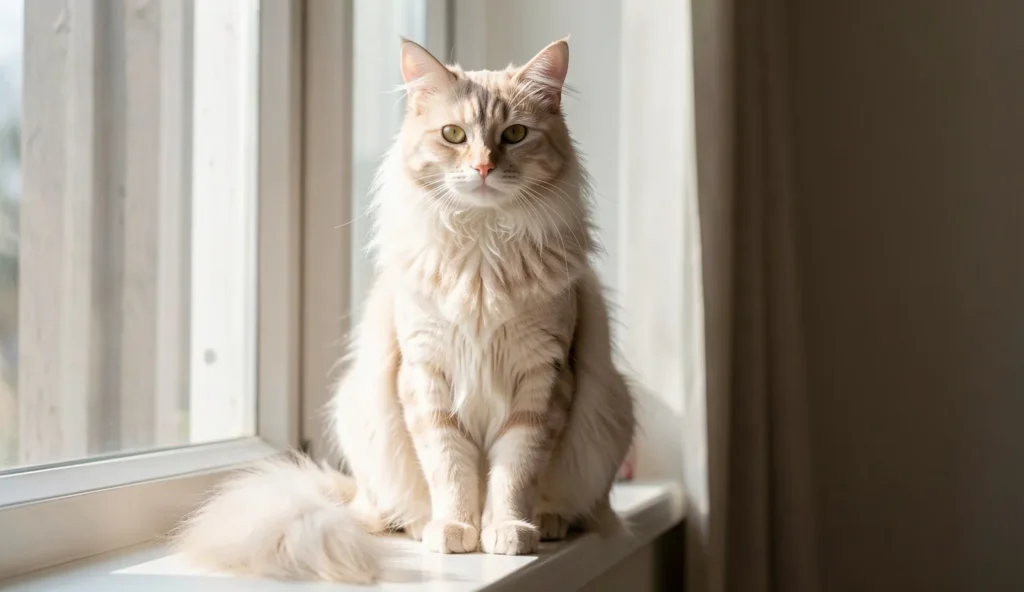
The Norwegian Forest cat’s look stands out because of its coat volume, tufted ears, and bushy tail. Many features connect directly to the breed’s cold-weather background. When coat texture and body proportions are understood, identification becomes much easier for new owners. Those traits also affect grooming and care priorities.
Coat Texture And Double Coat Structure
The outer coat is water resistant and slightly oily, which helps shed damp conditions. Underneath, the undercoat stays dense and insulating, forming a warm layer close to the skin. Coat length can vary across the body area and may change with season.
During coat changes, the undercoat can increase the amount of shedding. For Norwegian Forest cat care, this means brushing consistency matters even when the cat looks clean. It also means owners should watch for matting in friction zones like the belly and behind the ears.
Face Ears And Tail Features Owners Notice First
Many cats of this type show a triangular face with prominent cheek area. Ears often appear wide set and tufted, which supports the forest cat look. The long bushy tail also helps with balance during climbing and jumping.
These visual traits often appear from an early age, though the coat may take time to fully develop. As the coat thickens, the cat can look larger, even when weight remains stable. That change can affect how easily the cat lands on perches, so stable surfaces matter.
Body Size And Build That Supports Active Movement
Norwegian Forest cats typically show a medium to large, sturdy frame. Muscular legs support steady landings, while a broad chest supports active movement. Many owners notice that the breed handles jumps with controlled body placement rather than sudden flinging.
This build also means weight management matters for comfort. When muscle stays strong and joints remain supported, climbing becomes easier over time. If weight increases, climbing height may drop first, which can guide feeding adjustments.
Coat Colors And Patterns That Still Follow The Same Basics
Recognized colors and tabby patterns vary widely across individual cats. Bi-color and tri-color patterns may also appear, and they can change the overall visual impression. Even so, coat quality remains more important than color when evaluating overall breed traits.
Owners sometimes focus on coat shade, but brushing and mat prevention determine daily comfort. A healthy coat should feel well supported and not tight over mats. If tangles increase fast, grooming frequency usually needs to rise.
Temperament And Personality
Norwegian Forest cat temperament is often described as curious and steady rather than overly frantic. Many cats observe their surroundings before acting, which gives the impression of confidence. Interactive play and climbing routes can match this curiosity. At the same time, each cat still has its own personality and comfort level.
Typical Temperament In Home Environments
In many home settings, the breed tends to explore calmly and then settle into safe rest areas. Most owners find that the cat enjoys routine and predictable enrichment. Instead of constant motion, the Norwegian Forest cat often shows bursts of interest followed by relaxed downtime.
This pattern can help colder climate households because the cat may stay active indoors without demanding constant handling. However, enrichment still prevents boredom and supports healthy muscle use. When activity drops for long periods, it often signals low stimulation rather than age alone.
Social Compatibility With People And Pets
Norwegian Forest cats usually form bonds with familiar household members. Some cats accept other pets well, but gradual introductions usually reduce stress. With rescue cats, personality can differ, especially if early socialization was limited.
For multi-pet homes, slow introductions work best. Separate areas allow cats to adjust to scent and sound before face to face contact. If the cat shows fear, a calmer start can help it build trust over time.
Boredom Signs And Activity Needs That Show Up Early
Loss of interest in toys can indicate low enrichment. Scratching furniture often suggests scratching options are missing or not positioned where the cat chooses to rest. Increased restlessness can also appear if climbing outlets are not available.
Instead of assuming the cat is “bad,” owners usually need to update the environment. Adding a secure cat tree near windows and placing scratching posts in main routes often helps quickly. Over time, these changes support steady routines that match the breed’s temperament.
Exercise Requirements And Climbing Ability
The Norwegian Forest cat climbing ability is one reason many owners prefer this breed for active indoor enrichment. Muscular legs and balanced bodies help the cat move vertically with control. At the same time, the cat still needs daily stimulation to maintain health. With the right setup, exercise stays safe even in colder homes.
Why This Breed Climbs So Well
Muscular legs and balanced body support vertical movement. Agile paws provide traction on stable surfaces, while natural curiosity drives exploration. Many cats of this forest cat breed also enjoy using elevated routes to observe the home from above.
Because the coat can add visual bulk, landings can look softer, but safety still depends on perch stability. Owners should treat each jump as a planned move rather than a free fall risk. Secure footing matters more than height.
Daily Activity Targets For Owners
Norwegian Forest cat care works best when exercise breaks happen regularly. Short interactive play sessions several times daily often support both energy release and attention. Hunting games with safe toys can match curiosity without overexertion.
Active areas near windows can also help, especially in winter. When sunlight and outdoor views are available, cats may rest and play in the same zone. This approach reduces wandering and helps owners track behavior changes more easily.
Enrichment Setup For Cold Climate Homes
Cold climate cat breed needs often center on indoor space planning. Cat trees, wall routes, and stable climbing perches create vertical options that replace outdoor exploration. Soft landings with covered perches can reduce the impact of slips.
Hiding spots support calm rest as well. Covered condos and low cubbies give the cat control over where it feels safe. When enrichment includes both climbing and resting areas, boredom tends to drop.
Safety Tips For High Jump Areas
Secure tall cat trees to prevent tipping during climbing. Avoid unstable shelves or gaps that could cause awkward landings. Keep strings, small parts, and elastic bands out of reach to reduce choking risk.
Also, avoid placing perches above fragile items. In winter, when cats may jump more for stimulation, accidental knocks can happen quickly. A simple environment check prevents many preventable accidents.
Training And Behavior Basics
Training for a Norwegian Forest cat usually focuses on simple daily routines rather than advanced tricks. Positive reinforcement tends to work best because many cats respond quickly to consistent patterns. With short, predictable sessions, the breed often adjusts well to handling and grooming expectations. This approach also reduces stress during vet and home care tasks.
Litter Box And Territory Setup
Place the litter box in a quiet, low-traffic location. Keeping the box clean supports consistent use, especially for sensitive cats. Unscented litter can help reduce irritation if the cat shows intolerance to perfumes.
Territory planning also matters when vertical spaces increase. If multiple cats live together, provide enough boxes to avoid competition. Owners who want an easy comparison can also review the basics from other breed profiles like the American Bobtail cat guide at https://www.rarepetsbreeds.com/uncategorized/american-bobtail-cat/ for general litter routines.
Positive Reinforcement For Cats
Reward desired behaviors immediately with treats or calm praise. Short sessions that end on success usually keep motivation high. Clicker training can work when routines stay consistent, but it should not replace basic reward timing.
Because this forest cat breed can be observant, rewards should appear right after the correct action. Delayed rewards reduce learning speed and may cause confusion. A calm tone and clear timing usually improve results.
Teaching Gentle Handling And Grooming Tolerance
Start brushing when the cat stays calm and keep sessions brief. Reward tolerance to build positive association with grooming time. If mats appear, avoid pulling, because pain can create long-term resistance.
Nail trimming can become predictable with gradual practice. Begin with short touches to the paws and reward right after the nail handling begins. Over time, this builds acceptance and supports easier grooming and vet visits.
Grooming Requirements For A Thick Double Coat
Norwegian Forest cat grooming is a core part of keeping the coat comfortable. The thick double coat can tangle if brushing falls behind, especially in friction areas. Regular maintenance also reduces loose hair around the home. For owners in colder climates, grooming still matters year-round because indoor airflow and shedding cycles change.
Brushing Schedule And Tools To Use
Brush at least weekly for long coat maintenance, and increase frequency during shedding seasons. A wide-tooth comb can help reach deeper tangles without snagging. A long-hair slicker designed for gentle use can also help remove loose undercoat.
Focus on high-friction areas like behind the ears and along the belly. Start slowly and check coat condition section by section. When grooming stays routine, owners usually prevent mats instead of removing them under pressure.
How To Deal With Mats Without Stress
Work gently from the edges toward the center so pulling pressure stays minimal. If the cat shows pain or strong resistance, stop and reassess. Severe matting often benefits from professional grooming to avoid skin injury.
Some owners find it helpful to compare grooming approaches across long-haired breeds. The Balinese cat breed profile at https://www.rarepetsbreeds.com/uncategorized/balinese-cat-breed/ covers coat care logic that can guide brushing habits. Even though coats differ, the principle of gentle technique and patience remains the same.
Bathing Frequency And Drying Best Practices
Bathing is usually occasional unless the coat gets dirty or sticky. When a bath is needed, use cat-safe shampoo and rinse thoroughly. Leftover soap can irritate skin and cause more shedding.
Drying should stay low stress. Towel methods first reduce cold exposure, then warm room air can finish drying. Drafts should be avoided, especially in winter homes.
Nail Ear And Eye Care Basics
Nail trimming should match wear and activity, which varies by indoor lifestyle. For most cats, regular trims prevent sharp growth that increases scratching damage. Owners should also check ears for debris and odor during routine grooming.
Eye corners can collect normal discharge, especially with dry indoor air. Wipe only as needed with a clean damp cloth. If discharge increases, it usually signals a vet check rather than more cleaning.
Shedding Patterns Through The Seasons
Shedding often increases during coat change seasons. During those periods, brushing frequency should rise to reduce loose undercoat release. Vacuuming and lint rollers help manage hair without stressing the cat.
Because the coat can look thicker in winter, many owners assume shedding stops. In reality, internal coat turnover still happens, and it can show up as hair around resting areas. Tracking brushing time helps keep the home cleaner.
Diet And Nutrition For Healthy Coat And Energy
Norwegian Forest cat diet planning supports energy levels, body condition, and coat quality. A balanced cat diet helps maintain muscle for climbing and supports healthy skin. In cold seasons, caloric needs may change slightly, especially if activity drops indoors. Feeding accuracy helps prevent weight gain that can limit climbing.
What To Feed A Norwegian Forest Cat
Feed a complete, balanced cat diet appropriate for age and activity level. Protein-forward formulas often work well as the foundation for health. Fresh water should be available daily because hydration supports skin and overall metabolism.
Owners should choose food that matches the cat’s life stage, such as kitten, adult, or senior. If a diet change is required, switching should occur gradually over time to protect digestion.
Portion Control And Body Condition Checks
Use weight and body condition scoring to guide portions. Some cats can look fluffy even when they lack muscle, so weight alone can mislead owners. Monitoring should include both coat appearance and physical body shape.
If coat volume increases while muscle tone declines, portions may need adjustment. Free feeding can increase risk when households cannot track daily intake. Planned meals usually make it easier to keep activity and body condition aligned.
Treats And Supplements You May See Recommended
Treats should stay small and infrequent to prevent diet imbalance. Supplements only make sense when a veterinarian recommends them for a specific issue. Adding oils or vitamins without guidance can disrupt nutrition and skin balance.
Owners often hear supplement advice from other cat types online. It still helps to confirm with a vet, especially when health history is unknown. When supplements are needed, targeted use can prevent unnecessary additives.
Common Feeding Mistakes To Avoid
Overfeeding during inactive seasons can contribute to weight gain. Sudden diet switches can also cause digestive upset, so transitions should be gradual. Dental health matters as well, and dry food crunch needs can support normal chewing behavior.
If dental disease appears, the best diet depends on comfort and vet advice. Owners who want to compare feeding structure across coat types may find grooming and nutrition planning overlap in the Cornish Rex breed article at https://www.rarepetsbreeds.com/uncategorized/cornish-rex-breed/ as a helpful reference point for routine building.
Common Health Issues And Preventive Care
Norwegian Forest cat health issues are not always guaranteed, but preventive care helps catch problems early. Some breed associated risks may include hypertrophic cardiomyopathy. Certain lines may also connect to lysosomal storage disorders, which is why screening matters when selecting breeders or evaluating lineage.
Coat length can also create practical health challenges like mats and skin irritation if brushing lags. When diet and grooming support healthy skin, many common issues become easier to prevent. Routine checks then catch changes before they become painful.
Genetic And Breed Associated Concerns
Potential risk factors may include hypertrophic cardiomyopathy, a condition that affects the heart muscle. Some genetic conditions can also occur in certain lines, including lysosomal storage disorders. Reputable breeders reduce risk through health screening and documented testing.
For owners who already have a cat, a vet can guide monitoring based on family history. Regular wellness exams support early detection even when symptoms are subtle. When owners track appetite, energy, and breathing patterns, changes become easier to describe.
Coat And Skin Issues From Long Hair
Mats can cause skin irritation and discomfort if they remain in place. Dry indoor air can worsen itchiness in some cats, which makes grooming and hydration more important. Parasite control also supports healthy skin and coat quality.
Keeping the coat untangled supports normal airflow to the skin. When brushing spreads the coat safely, owners can also spot redness or scabs earlier. That step often reduces the need for emergency grooming.
Dental Weight And Joint Monitoring
Dental disease can develop even in active cats. Weight gain can limit climbing and increase strain on joints, so it connects directly to the breed’s exercise needs. Owners should watch for changes in jumping height, stiffness, or reluctance to use perches.
Daily observation helps, because owners notice small behavior changes earlier than random spot checks. If the Norwegian Forest cat avoids climbing routes, diet and joint comfort should be reviewed. A vet exam can confirm whether the issue is weight, dental pain, or something else.
Routine Vet Visits And At Home Checks
Wellness exams should match life stage and local risk patterns. At home, tracking appetite, water intake, and litter box habits supports early issue spotting. During brushing, the coat should feel clean and untangled, and the skin should not show unusual redness.
Health checks work best when done consistently rather than only when symptoms appear. Owners can keep a simple log of weight changes and grooming schedule dates. Over time, the pattern becomes clearer.
Vaccines Parasites And Flea Prevention
Keep vaccination schedules current with a veterinarian plan based on household risk. Parasite prevention should match local climate and exposure likelihood. If another pet or the environment raises concern, treating household pets may be necessary.
Even indoor cats can face parasite exposure through clothing or accidental contact. A vet can recommend the right products and timing. Consistency helps prevent repeat infestations.
Breeding Basics And What To Look For
Breeding a healthy Norwegian Forest cat involves screening, transparency, and early kitten care. Buyers can reduce risk by verifying documentation and asking about parent health checks. When reputable processes are used, kittens usually start life with better stability and social foundation.
In many cases, selecting a breeder that supports long-term well-being matters more than marketing claims. Owners can also compare breed lines by reviewing how other ear or coat patterns are managed in related cat profiles like the American Curl breed at https://www.rarepetsbreeds.com/uncategorized/american-curl-breed/ for general breeding responsibility signals.
Responsible Breeder Screening And Health Testing
Ask about genetic and disease screening results before choosing a kitten. Request documentation of parental health checks and confirm how often testing is updated. A responsible breeder supports long-term cat well-being, not only early sales.
Clear answers matter when risk factors like hypertrophic cardiomyopathy are mentioned. If documentation is missing or vague, owners should treat that as a red flag. A verified plan helps reduce uncertainty later.
Kitten Socialization And Early Care
Look for calm handling, consistent litter training, and early exposure to normal home sounds. Kittens raised with enrichment typically adjust better after adoption. Ask about deworming and early veterinary exams so care history remains clear.
When early socialization is managed well, grooming and handling tolerance may start developing earlier. That advantage supports Norwegian Forest cat grooming routines during the first months at home. It also supports smoother litter box training.
Starter Checklist For New Owners In Colder Climates
A Norwegian Forest cat starter setup should focus on coat care and safe vertical enrichment. Cold-weather households often need indoor solutions that keep the cat active without draft exposure. When planning happens before adoption, daily routines become easier. This checklist offers a practical start.
Home Setup For Coat Care And Climbing
Place a stable cat tree or multiple climbing perches across main activity zones. Add scratching posts in several rooms so the cat can choose preferred surfaces. If high perches exist, include soft landing areas with stable coverage.
Plan a grooming area with good lighting and minimal distractions. Keeping the grooming space consistent reduces stress because the cat learns what to expect. These choices help make Norwegian Forest cat care feel routine rather than stressful.
Supplies To Buy Before The Cat Arrives
Buy a long hair comb or wide-tooth comb for weekly brushing. A cat-safe shampoo works for occasional baths, but many cats need it only rarely. Get cat nail clippers and plan a trimming routine before nails become too sharp.
Also have complete cat food ready along with a measuring tool for portions. Planning the exact food helps prevent digestive upset from sudden changes after adoption. If multiple foods are considered, a vet can guide the transition timing.
Health And Monitoring Items That Keep Care On Track
Record weight and watch for changes in activity level or climbing behavior. Keep parasite prevention on a consistent schedule based on vet guidance. Schedule a wellness visit soon after adoption to review the cat’s history and confirm a care plan.
During the first weeks, tracking appetite, litter habits, and coat condition can show whether the cat adjusts well to the new environment. Grooming sessions also help owners learn how the cat prefers handling. When routines are set early, many issues become easier to manage.
Is The Norwegian Forest Cat Right For You
The Norwegian Forest cat can fit colder climates well because the thick double coat supports insulation. Many owners also prefer the breed’s active, climbing-friendly design, which pairs well with indoor enrichment. If grooming time is manageable and climbing outlets are planned, this forest cat breed can thrive.
At the same time, regular brushing is required to prevent mats. High activity may need daily playtime and safe climbing options. Some health risks require careful vet monitoring and screening based on documented lineage.
Good Fit For Owners Who Want A Hardy, Active Cat
This breed often suits households that enjoy vertical enrichment. A dense coat can help in cooler indoor rooms, though comfort still depends on drafts and household warmth. It also tends to work well for people willing to brush regularly and keep perches stable.
Norwegian Forest cat care becomes simpler when grooming and exercise routines run on a predictable schedule. When supplies and climbing spaces are available, daily life matches what the cat naturally wants to do. That fit supports long-term comfort and calmer behavior.
Potential Challenges To Plan For
The main challenge is consistent coat maintenance. Without enough brushing, matting can build quickly in dense undercoat. High activity also needs planning, because tall jumps are only safe when perches remain stable.
Some breed-associated concerns can require careful monitoring and vet visits. Choosing a cat with health documentation helps, but it does not remove every risk. When health attention stays proactive, most owners can manage long-term needs with confidence.
Frequently Asked Questions
How Often Should A Norwegian Forest Cat Be Brushed?
Brush at least once weekly for long coat maintenance. Increase brushing during seasonal shedding periods when loose undercoat becomes more noticeable.
Do Norwegian Forest Cats Shed A Lot?
Shedding is common, especially during coat change seasons. Regular brushing reduces loose hair and helps keep the coat comfortable.
Are Norwegian Forest Cats Good For Apartment Living?
They can live in apartments if vertical enrichment and play options are available. Secure cat trees and multiple vertical rest spots support normal climbing instincts.
What Is The Best Diet For A Norwegian Forest Cat?
Use a complete, balanced cat food appropriate for age and health needs. Protein-forward formulas and portion control usually support strong energy and coat condition.
What Health Issues Are Norwegian Forest Cats Prone To?
Some lines may be associated with hypertrophic cardiomyopathy. Other genetic conditions can occur, so screening and documentation matter.
How Cold Can A Norwegian Forest Cat Handle?
The coat provides insulation for cold weather conditions, and the breed often feels comfortable in cooler homes. Indoor warmth and draft control still affect comfort.
Final Care Momentum That Supports Comfort
Norwegian Forest cat care works best when grooming, climbing safety, and diet routines stay consistent. With the right indoor setup, the breed’s natural strengths can support a comfortable life in colder climates.