What Is A Maine Coon Cat
The Maine Coon breed is a large domestic cat type linked to New England, especially Maine, and long known for sociable behavior. Many people seek this Maine Coon breed because it often acts friendly and steady, including in busy family homes. Its size and tufted ears also make it easy to recognize.
Although this cat is often described as one of the oldest natural breeds in North America, specific details vary by source and line. Still, the overall type stays consistent: a big body, a long coat, and an outgoing manner. For families wanting a large, dog-like cat, that mix often matches daily expectations.
Breed Origin And Regional Background
Maine Coons are associated with rural and working cat populations in Maine, where cold weather likely shaped coat development. Over time, breeders and fanciers standardized traits while preserving the overall look. Even so, not all Maine Coons look identical because individual lines can differ.
Most descriptions agree the Maine Coon has a long history in North America rather than a recent imported origin. That background helps explain its hardiness and its ability to fit into typical household routines. Sociability and size then become the most visible reasons people keep choosing this breed.
Why Maine Coons Are Known As Gentle Giants
Many owners describe Maine Coons as calm, friendly, and people-oriented. Compared with many household cats, the Maine Coon size stands out immediately, especially in adult males. Because the temperament is usually steady, the cat often approaches daily life without frequent fear reactions.
At the same time, gentle does not mean inactive. Most Maine Coons show playful energy that fits common family schedules, and they often enjoy interactive play. When consistent enrichment exists, energy usually stays focused rather than chaotic.
Maine Coon Appearance And Physical Features
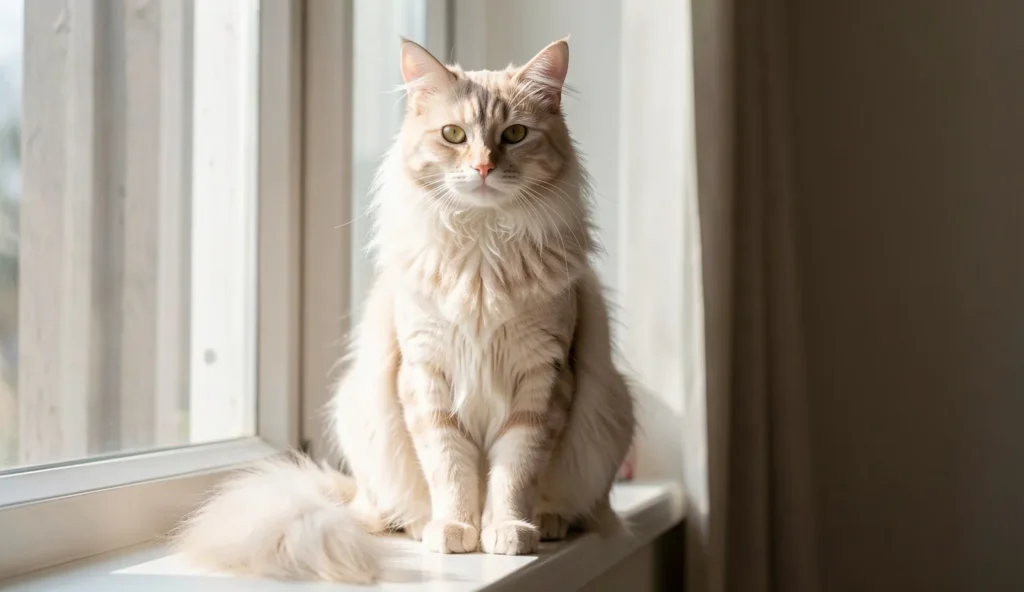
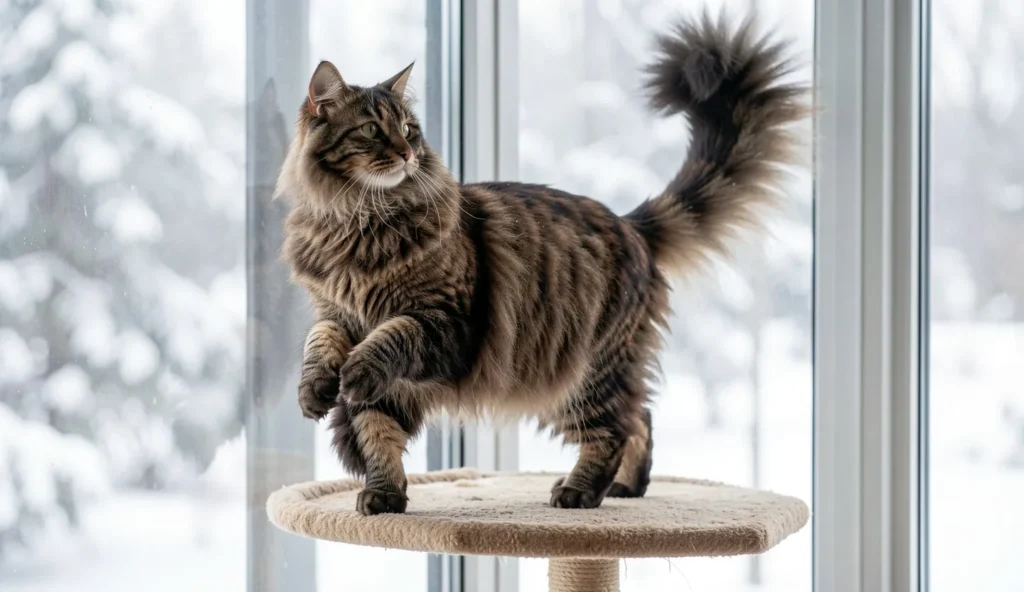
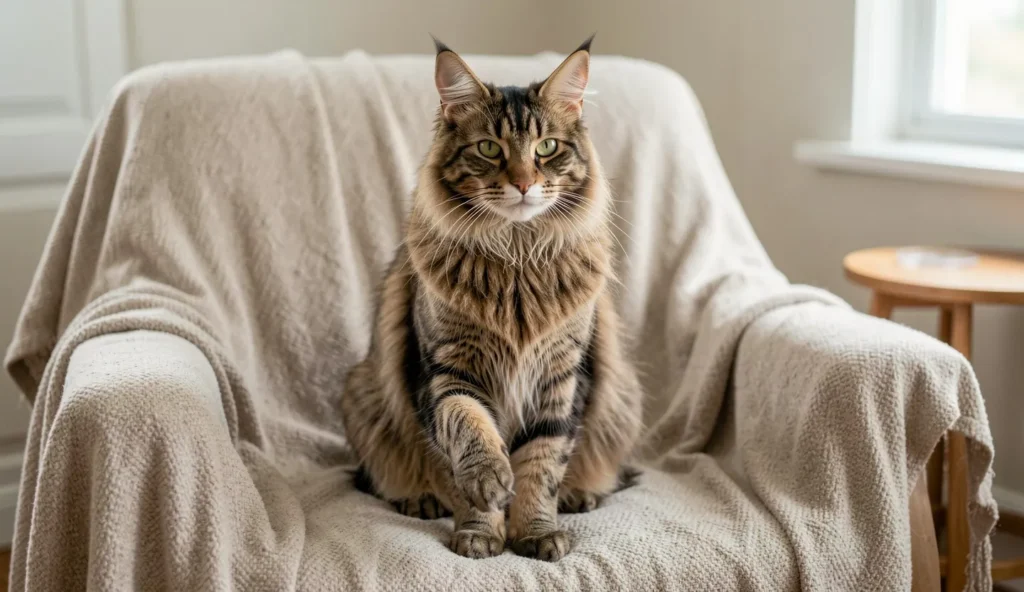
Maine Coons combine a long body shape, a thick coat, and hallmark tufted ears that create a distinctive silhouette. Their Maine Coon care often includes coat maintenance because long fur can tangle without regular brushing. For many households, recognizing tufted ears and overall proportions helps confirm what to expect.
In addition, the tail often looks full and bushy, and the legs appear strong for a big cat. Body condition matters more than chasing a specific number because individual cats can be larger or leaner. With that framing, owners can evaluate an adult cat in a realistic way.
Size And Weight Expectations For Maine Coon Cats
Maine Coons typically grow larger than the average household cat, and adults can look dramatically bigger. Adult males are often heavier than females, sometimes by a wide margin. Growth frequently continues beyond the kitten phase, so the cat may not reach its full build early.
Even when exact weights differ, the Maine Coon size trend stays consistent across many lines. Owners get the best results by tracking body condition and body shape rather than obsessing over a precise range. That approach also supports better feeding decisions and healthier aging.
Coat Type And Seasonal Shedding
The coat usually includes a long outer layer and a softer undercoat, and it often feels water-resistant. Seasonal shedding typically increases when the weather shifts, which can require more frequent grooming. Coat length also varies across individuals, so two cats can look different even within the same household.
Brushing helps reduce loose hair and helps prevent mats that start close to the skin. Because long fur can trap debris and moisture, grooming becomes a core part of Maine Coon care rather than an optional task. Regular handling also makes grooming easier when the cat becomes sensitive during heavier shedding periods.
Tufted Ears And Other Distinctive Markings
Prominent ear tufts act as a signature feature of the breed, especially when ears stay upright. Large, expressive ears support an alert look, even when the cat is relaxed. While face and body markings vary widely, the overall structure tends to remain recognizable.
The tail is commonly full and bushy, which supports balance and adds to the classic look. Many people notice these traits first because they appear in photos and in person right away. Over time, patterns and coat colors become the more personal identifiers for each individual cat.
Eye Color And Body Proportions
Eye color can vary based on coat genetics, so it does not provide a single guaranteed visual. Still, Maine Coons typically show an athletic build with strong legs and a long torso. The long body and tail contribute to proportions that look different from many smaller breeds.
Because the tail supports balance, cats often move with a smooth, coordinated gait. That physical design also helps explain why vertical spaces matter for exercise. When high perches exist, many cats use them as part of daily exploration.
Maine Coon Personality And Temperament
Maine Coon personality often includes a mix of sociability and calmness, which helps families feel comfortable around a larger cat. Many Maine Coons enjoy interacting with people and may follow family members room to room. However, individual temperament still matters, and no two cats behave exactly the same.
Because this breed often shows dog-like engagement, families sometimes assume it behaves like a puppy. That assumption can miss the mark, since cats still need cat routines, scratch options, and stable litter habits. Yet the typical temperament does tend to remain friendly rather than highly reactive.
Social Nature And Family Compatibility
Many Maine Coons enjoy people and tolerate respectful handling, especially when introduced gently. Some cats prefer to interact by sitting close, watching daily tasks, or joining quiet family time. When children participate carefully, the breed often responds well to consistent boundaries.
That said, shy individuals can exist, and early socialization helps shape confidence. If a cat seems hesitant, calm routines often reduce stress over time. In multi-pet homes, slow introductions usually support smoother coexistence.
Energy Level And Activity Patterns
Maine Coons usually show playful behavior without demanding nonstop action. Many cats enjoy short interactive sessions that include wand play and puzzle-type feeding. Instead of long workouts, frequent mini sessions often match their natural rhythm.
Some cats show interest in water, but preferences vary from cat to cat. When water interests appear, supervision still matters because safety comes first. Proper play also helps prevent weight gain, which supports joint comfort as the cat ages.
Vocalization And Communication
Many Maine Coons use moderate vocalization, and some increase attention-seeking sounds as bonding deepens. Chirps and meows can rise when the cat expects food or play. The sound level differs across individuals, so families should observe the cat they choose.
Training routines using predictable schedules can also reduce demand behaviors. When rewards happen after the desired action, the cat learns faster patterns. That structure usually leads to calmer communication in daily life.
How Maine Coons Typically React To Other Pets
Many Maine Coons handle other pets well when introductions happen gradually. Calm cats often coexist with dogs and other cats, but territorial behavior still can appear. Supervision during the first weeks helps prevent injuries and supports safer adaptation.
For households comparing cat types, it can help to review how different breeds behave with family routines. For example, people sometimes cross-shop sociable breeds like the American Bobtail cat, and their styles can feel similar in a household setting. Still, the individual cat remains the best predictor of compatibility.
Maine Coon Exercise Requirements
Maine Coon care includes daily movement to support muscle tone and healthy weight. Even with a calm temperament, large-bodied cats benefit from regular play and climbing opportunities. Because Maine Coons can get sedentary when enrichment stays limited, exercise planning helps prevent health issues.
Families often assume a big cat does not need much activity, but consistent interaction protects comfort and supports a stable mood. With a few practical tools, the routine can stay manageable even for busy homes.
Daily Play Time And Suitable Activities
Most Maine Coons benefit from two to four short play sessions daily rather than one long session. Interactive wand play supports coordination and helps build the human-cat bond. Puzzle feeders can also add stimulation while still meeting basic feeding needs.
To reduce boredom, rotate toys every few days and keep some options within reach. Short sessions also help avoid frustration, especially when the cat loses interest quickly. This approach supports a steady daily rhythm without overwhelming the cat.
Climbing, Scratching, And Vertical Space
Vertical space plays a major role in exercise for a large, curious cat. Sturdy cat trees and wall shelves let the cat climb safely and explore different heights. Scratching posts also matter because they protect furniture and give the cat a legal outlet.
Choose scratching options tall enough for a full stretch, since a big body needs room. Resource placement matters too, so resources in multiple rooms reduce competition and increase comfort. When vertical routes exist, many cats choose climbing instead of jumping in risky ways.
Keeping A Large Cat Active Without Overdoing It
Exercise should aim for consistency rather than extreme intensity. Owners should watch for fatigue, changes in gait, or discomfort during play sessions. If the cat slows down, the right response is usually to shorten the session and offer rest.
Gentle chasing and pouncing patterns often feel natural and help maintain mobility. Maintaining healthy weight also reduces strain on joints, which becomes more important with age. That balance helps keep the cat comfortable while still benefiting from daily activity.
Training And Litter Habits For Maine Coons
Maine Coons often respond well to training when it uses treats and routine. Because the breed is commonly sociable, training may feel easier than with more independent cats. Still, practical systems for litter habits and basic behavior matter for any family.
Consistent expectations reduce stress for the cat and for household members. Over time, the cat learns where resources exist and what actions lead to rewards. That foundation then supports calmer daily living.
Litter Box Setup That Works For Large Cats
A large litter box helps a big cat turn comfortably and reduces accidents from cramped space. Many experts recommend at least one box per cat plus one extra for multi-cat homes. Placement should keep boxes away from food and heavy traffic areas.
Low-dust litter can help when dust sensitivity appears, and unscented options often reduce irritation risks. Because Maine Coons can track litter outside the box, high-sided boxes or covered designs can help. Regular scooping keeps odors low and supports consistent use.
Basic Training With Treats And Routine
Training with small, high-value treats works best for target behaviors such as stepping into a carrier or using a designated perch. Sessions should run at the same time each day so the cat anticipates the routine. Rewards should follow immediately after the correct action.
Because big cats can get impatient, training sessions should stay short and end on a positive note. If frustration builds, the plan should pause and restart later. That structure helps the cat cooperate instead of resisting.
Teaching Leash Or Harness Use
Leash and harness training usually starts indoors so the cat learns harness comfort without outdoor distractions. Reward calm standing and gentle movement during the first steps. Over time, the household can increase the indoor time before any safe outdoor exposure begins.
Any outdoor step should include supervision and safe routes to reduce panic. Harness fit matters for large cats, so sizing should be checked carefully. When indoor confidence grows, outdoor experiences become more predictable and less stressful.
Grooming And Care Tips For Maine Coons
Maine Coon grooming focuses on preventing mats and managing heavy shedding periods. Because the coat holds a long outer layer and an undercoat, tangles can form near the skin if brushing stops. For many families, keeping a routine prevents painful pulling and keeps the cat comfortable.
Grooming also supports bond-building because touch becomes familiar. When the cat learns that grooming happens predictably, stress usually drops. To make grooming easier, a calm setup with good lighting and non-slip footing can help.
How Often To Brush A Maine Coon
Most Maine Coons need several brushing sessions each week, and many households brush more often during shedding seasons. Daily brushing can help when undercoat release increases and floating hair becomes obvious. Using a comb and brush made for long coats helps separate hair layers.
Special attention should go to undercoat areas and mat-prone zones. Many mats start where friction happens, such as the armpits, behind ears, and around the belly. When those areas get checked regularly, mat removal becomes much easier.
Preventing Mats In High Friction Areas
High friction zones should be checked during routine grooming for early tangles. Common areas include armpits, behind the ears, and belly folds where hair rubs during movement. When tangles appear, they should be separated gently before combing through.
Avoid pulling hard on mats because pulling causes discomfort and can damage the skin. Detangling tools may help when used safely and carefully. If a mat forms close to the skin, a professional groomer or veterinarian can guide safe removal.
Ear, Eye, And Nail Maintenance
Ear checks weekly help identify debris or early irritation. Only the outer ear should be wiped with safe cat-friendly methods, and any strong odor or redness should trigger a vet check. Nail trimming every few weeks keeps paws from snagging and reduces scratch damage on furniture.
Scratching alternatives should also exist so nails stay healthy and household items face less wear. When nails remain trimmed and scratching posts stay available, conflicts usually decrease. For families comparing care needs across breeds, the Maine Coon care routine is often similar to other long-haired cats, but shedding schedules differ.
For example, families who also consider long coat cats sometimes look at the Balinese cat breed, which shares some grooming needs but has different coat structure. Reading about different coat behaviors can help set expectations for the amount of brushing required.
Bathing And When It Is Necessary
Many Maine Coons do not need frequent bathing, since grooming often keeps the coat clean enough for normal household life. Baths may become useful when a cat gets into grime or during heavy shedding that leaves oily buildup. In those cases, lukewarm water and cat-safe shampoo protect skin and coat.
After bathing, thorough drying matters because damp fur can tangle and may contribute to chills. A gentle towel dry usually works first, followed by safe warm air if the cat tolerates it. If the cat resists, a professional groomer can offer a safer option.
Maine Coon Diet And Nutrition
Feeding choices directly support Maine Coon health, weight management, and coat quality. Since Maine Coons often grow larger and stay active, nutrition must cover adult needs without encouraging excessive weight gain. Maine Coon care also includes hydration support because a big body benefits from steady water intake.
Most families do best by using a complete, balanced food and measuring portions. When portions match activity level, the cat stays comfortable and joints feel better over time. Any food changes should happen gradually to protect digestion.
Choosing A Complete And Balanced Food
Select a complete cat food formulated for adult cats, and choose kitten formulas only for kittens. Labels should show clear nutritional information and meat-first ingredients. A complete diet includes essential vitamins and minerals, so supplementation typically becomes unnecessary.
If switching formulas, do it over several days rather than changing all at once. That slow transition helps reduce stomach upset. For families looking at other breed feeding patterns, many principles stay consistent across cats, even when coat lengths differ.
Feeding Amounts That Keep Weight Healthy
Feeding guidelines on the food label provide a baseline, but portion sizes should adjust based on body condition. A large cat can gain weight gradually, and the bigger build can hide early fat gain. Measuring food instead of free feeding usually makes weight tracking more accurate.
Body condition checks help prevent underfeeding and overfeeding. If ribs feel hard to locate or the belly looks rounded, portions likely need review. When activity increases or decreases, the diet plan should follow that change.
Wet Food, Dry Food, And Hydration Needs
Wet food can increase water intake and may support digestive comfort for some cats. Dry food supports chewing for some households and can help with daily routine, but fresh water must always be available. Many families place water in more than one location to encourage drinking.
Stool quality can act as a simple indicator when diet changes occur. If constipation appears, water intake and fiber balance should be considered. When digestion shifts, the next step usually involves adjusting the food transition method or contacting a veterinarian.
Safe Treats And What To Avoid
Treats should remain small and used sparingly, since easy treats can push weight up. Choose options suited to cat health needs, and keep track of treat calories. For large cats, treats should still follow portion control rules.
Human foods can be toxic to cats, so only cat-safe items should be offered. Fatty treat patterns should also be limited because they can increase weight over time. With correct treat habits, training works without creating nutrition problems.
Common Health Issues In Maine Coons
Maine Coon health planning helps families notice problems early and schedule timely veterinary care. Like many larger cats, the breed may face specific inherited risks, and lifestyle factors still matter. When symptoms appear, acting quickly typically improves outcomes.
Instead of waiting for major changes, owners can monitor breathing, mobility, eating, and grooming comfort. Routine checkups also allow veterinarians to catch early signs during exams. That proactive approach supports a longer, healthier life.
Heart Disease Risks And Monitoring
Maine Coons can be prone to certain heart conditions, which may show up with age. Owners should watch for breathing changes, reduced stamina, or unusual rest patterns. Scheduling regular veterinary checkups helps track heart health over time.
A veterinarian can also discuss screening plans based on the cat’s age and history. If breathing seems labored or appetite drops, prompt evaluation matters. Early monitoring supports better decision-making for treatment or lifestyle adjustments.
Joint And Mobility Considerations
Large cats can develop mobility issues as they age, even when they start very active. Maintaining a healthy weight reduces strain on hips, knees, and spine. Ramps or steps can make it easier for the cat to reach furniture without jumping.
If limping or stiffness appears, the right response usually involves contacting a vet rather than waiting. Pain can change litter habits and grooming comfort, so the whole routine may need adjusting. Gentle mobility support often improves daily quality quickly.
Dental Health And Routine Checks
Dental disease can reduce comfort and can also affect overall health. Routine dental care may include vet-approved products and scheduled cleanings when recommended. Signs to watch for include bad breath, drooling, or difficulty eating.
When dental issues are addressed early, the cat often stays willing to eat and groom normally. Owners can ask the vet about cleaning intervals based on the cat’s needs. That planning supports long-term health in a breed with larger bodies.
Coat, Skin, And Parasite Prevention
Long fur can trap moisture if grooming lapses, and mats can irritate skin. Regular brushing helps remove loose hair and lets air reach the skin. That reduces risks linked to irritation and poor coat airflow.
Fleas and skin allergies also require consistent prevention, and grooming can reveal early redness or scabs. Checking the skin during grooming supports early intervention. Vet-approved parasite control options usually offer the most reliable protection.
Because flea habits and skin reactions vary across breeds, it can help to compare coat and skin patterns across long-haired cats. Some owners also look at other curl or long coat breeds, such as the American Curl breed, and those comparisons can clarify how ear care routines differ. Those differences matter because ear tufts and ear shapes affect debris and cleaning needs.
Breeding Basics For Maine Coon Families To Know
Families planning to adopt or purchase a Maine Coon should understand breeding expectations and verification steps. Good sources focus on health testing, socialization, and clear documentation. Maine Coon care begins before the kitten arrives because early routines set habits for litter use, handling, and feeding.
Responsible breeding protects kittens and supports families by reducing preventable issues. It also helps ensure the kitten fits home life with less stress. Still, every kitten stays an individual, so behavior observation remains essential.
Responsible Breeding Practices To Look For
Ask breeders about health testing for breeding cats, including conditions relevant to the breed. Health testing helps families understand potential risks before committing. Kitten socialization practices matter too because early handling builds comfort with people.
Vaccines and deworming should be documented with clear timelines. Request documentation and keep copies for records when the kitten transitions to the household. That history supports the first vet visits and helps schedule next steps.
Choosing A Reputable Source For A Maine Coon
Choose a source that can explain both temperament and care routines in plain language. Observing the kittens’ behavior in a clean, stable environment helps confirm daily handling quality. Any breeder that cannot describe socialization and screening should raise concern.
Families should also prepare a plan for the first weeks at home, since routine changes can stress kittens. A clear schedule for meals, litter placement, and short handling sessions helps the kitten settle. When preparation happens early, Maine Coon care becomes smoother from day one.
Starter Checklist For New Maine Coon Owners
A practical setup makes it easier to follow Maine Coon care routines from the start. Because this cat is large and social, the home should support vertical exploration, stable litter habits, and safe enrichment. When items match the cat’s size, day-to-day life stays smoother.
Before bringing the cat home, families should review the plan for the first week. That preparation reduces stress for the kitten and supports better bonding. Over time, consistency turns an adjustment period into a routine.
What To Buy Before Bringing Home A Maine Coon
- Large litter box that allows easy turning
- Scratching posts tall enough for full stretch
- Sturdy cat tree or wall shelves for vertical climbing
- Complete food plus measuring tools for portions
- Brush and comb suited for long coat mat prevention
- Nail trimmers and safe ear cleaning supplies
- Carrier that supports calm transport for vet visits
- Interactive wand toys for daily short play
In addition, keep enrichment options rotating so the cat does not get bored. Puzzle feeders can also fit meal times and support mental stimulation. When resources are set up early, the kitten learns where everything belongs.
First Week Routine That Helps Maine Coons Settle
Keep meals and litter boxes in predictable locations so the kitten learns fast. Provide a quiet sleeping area away from loud household areas and frequent door traffic. Then use short, frequent play sessions to build trust without overwhelming the cat.
Gentle handling helps too, especially around ears, paws, and coat areas needed for grooming. A vet check within the recommended timeframe supports baseline health. Daily observation of appetite, litter use, and grooming comfort identifies issues early.
Is A Maine Coon Right For You
The Maine Coon breed often suits families that want a large, dog-like cat with a calm tone. Many cats enjoy interacting with people and can become regular companions within daily routines. Still, size and coat needs shape the commitment, so fit must consider lifestyle.
When grooming time, feeding structure, and play options exist, the breed usually feels rewarding. If those routines cannot fit the household schedule, another cat type may suit better. Matching expectations helps both the cat and family thrive.
Best Fit For Families Looking For A Dog Like Cat
Many Maine Coons enjoy people and respond well to regular interaction. Some cats follow family members and engage in routine activities like watching from a nearby perch. Because the temperament often stays calm, the cat can feel comfortable around supervised daily life.
Training with treats can also build cooperation for grooming and carrier steps. When families treat the cat like a teammate rather than a novelty, behavior usually improves. That structure helps the Maine Coon personality stay steady and predictable.
Commitments That Matter For Maine Coon Care
Long coat grooming stays essential, especially during shedding seasons when mats form faster. Feeding and weight tracking protect joint comfort and reduce long-term health strain. Interactive play and climbing space reduce stress and support a balanced daily routine.
Health screening and routine vet visits help manage breed-associated risks. Because the cat is large, small health changes may also affect movement and appetite. A consistent care schedule helps catch issues before they become major problems.
Questions To Consider Before Adoption Or Purchase
Time for grooming matters, including regular brushing and mat checks. Home layout should support vertical climbing and safe litter box placement in accessible areas. Budget planning also matters for quality food, litter supplies, and routine veterinary care.
Finally, plans for introductions to children and other pets should exist before the cat arrives. Even with a friendly Maine Coon personality, gradual introductions protect everyone. That planning supports calm transitions and reduces stress for the first weeks.
A Calm Start Makes Maine Coon Care Easier
A Maine Coon care routine works best when grooming, feeding, and enrichment start on day one. With steady expectations and consistent handling, the breed’s gentle temperament often settles quickly into home life.
Frequently Asked Questions
How much do Maine Coon cats typically weigh?
Adult males are often heavier than adult females, and weight varies by genetics and body condition. Instead of chasing exact numbers, body condition gives the most accurate health picture.
How often should a Maine Coon be brushed?
Most Maine Coons need several brushing sessions per week, with daily brushing during heavy shedding periods. Brushing should focus on undercoat and mat-prone areas.
What is the best diet for a Maine Coon cat
A complete and balanced cat food usually works best, using adult formulas for adult cats and kitten formulas for kittens. Portions should be adjusted to maintain a healthy weight rather than relying on free feeding.
Are Maine Coons good with children and other pets?
Many Maine Coons are social and calm with family members, especially with respectful boundaries. Other pets usually require gradual introductions and supervision during the first weeks.
What health problems are Maine Coons prone to?
Some Maine Coons face a higher risk of certain heart conditions, and mobility and dental issues can appear as cats age. Regular veterinary care helps catch problems early.
Do Maine Coons need a lot of exercise?
Maine Coons benefit from daily play and climbing options, and short interactive sessions usually cover most needs. A healthy weight supports joint comfort and overall daily movement.
Similar Breeds
Similar breeds module placeholder.