What Is An Exotic Shorthair Cat?
The Exotic Shorthair breed is a domestic cat known for a plush, dense coat and a calm, sweet temperament. This breed was developed to keep the Persian shorthair look while reducing the grooming demands that often come with long hair. For many cat owners, the Exotic Shorthair breed offers a Persian-style appearance with an easier daily routine.
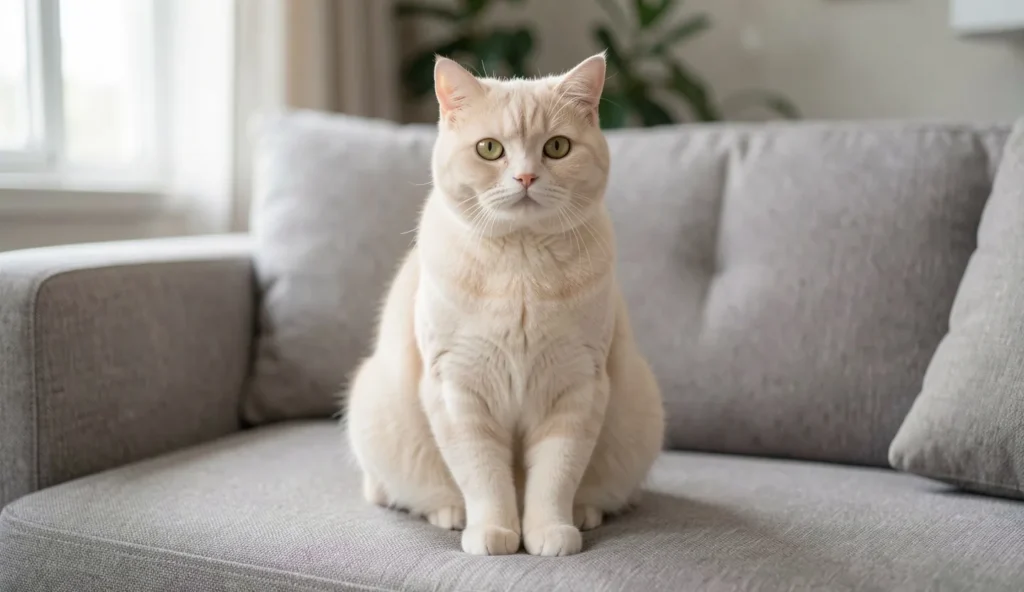
Exotic Shorthair cats typically have the round face and compact body associated with Persian-type cats. At the same time, the short coat stays soft and full, which many people find appealing. Because of these traits, the Exotic Shorthair is often chosen by people who want the look of a Persian without constant coat work.
Breed Background And Origins
Exotic Shorthair cats were created through breeding Persian cats with American Shorthairs. Over time, breeders selected for the Persian look, including head shape and body type. The goal focused on producing a short-haired Persian style that still feels luxurious to touch.
As a result, the breed standard emphasizes the plush coat appearance and the classic Persian-type features. Historically, the breed also grew because many households wanted a Persian look with less time spent on grooming. This background helps explain why Exotic Shorthair care often centers on short-coat maintenance and face cleanliness.
Key Breed Traits At A Glance
Several traits stand out when comparing this easy-care breed with other Persian-type cats. The most visible feature is the plush coat, which looks thick and feels soft. Most owners also notice a sweet personality, with many cats preferring calm indoor living.
Another common trait includes round body features and a flat facial structure. That face shape can affect tear drainage, which plays a role in daily eye care. Finally, many Exotic Shorthair cats are not known for being highly vocal compared with some other breeds.
What Does An Exotic Shorthair Look Like?
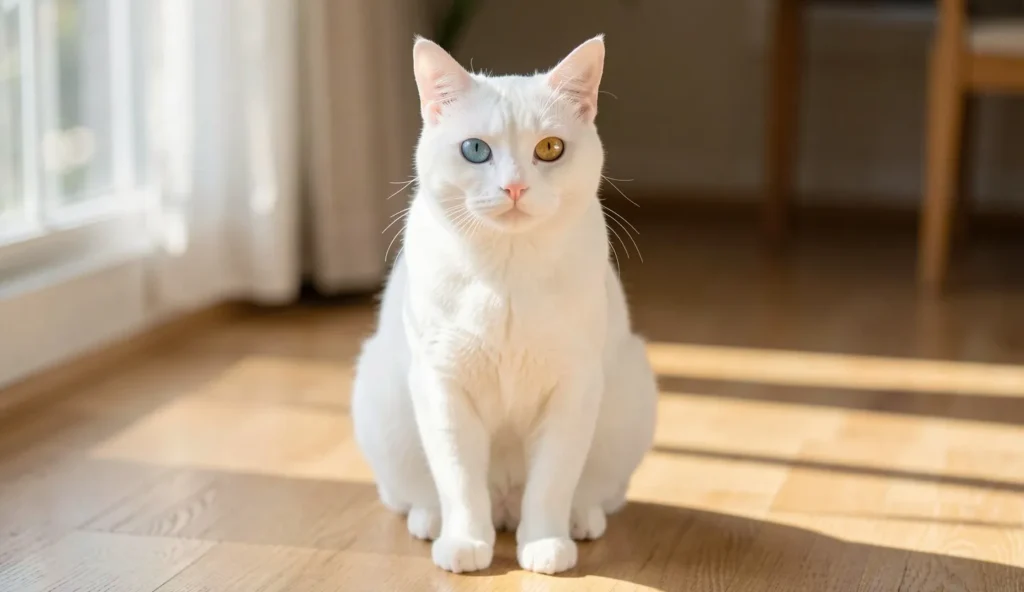
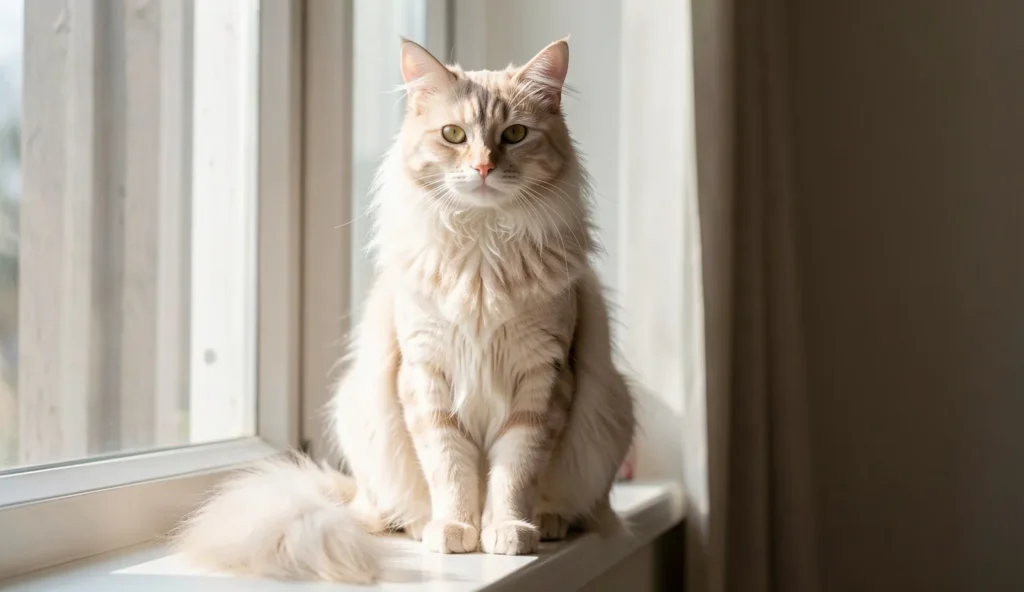
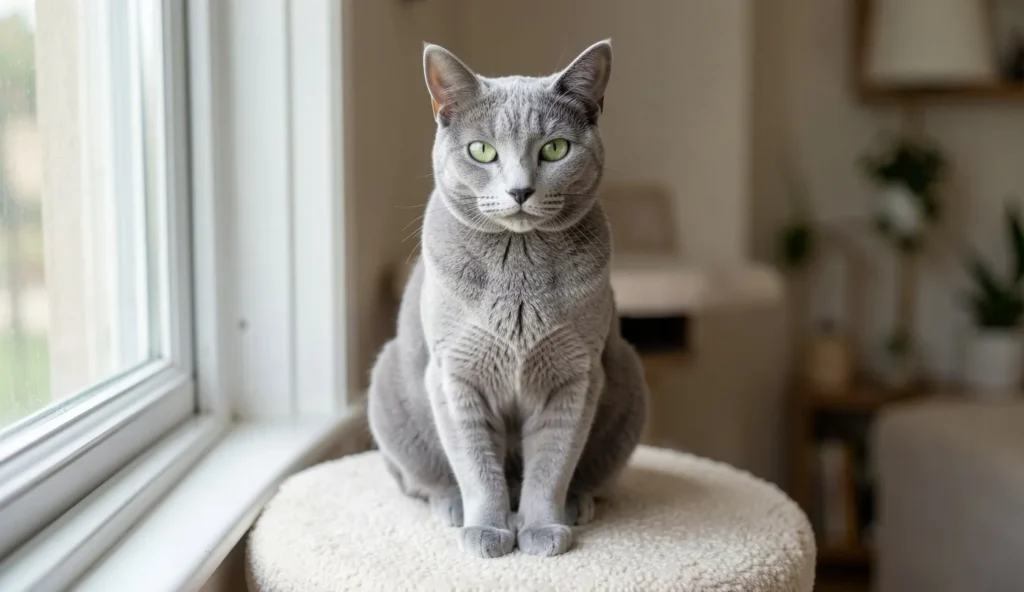
Exotic Shorthair appearance focuses on round features, a compact build, and a coat that looks plush rather than sleek. People often search for a short-haired Persian look, and the breed commonly delivers that visual style. Even though the coat is short, it still creates a dense, full profile.
Beyond looks, the facial structure can influence comfort and health planning. Understanding the physical traits makes Exotic Shorthair care easier to manage from day one. With the right routine, the coat stays even and the face stays clean.
Coat Type And Plush Texture
The coat typically stays short but dense, with a soft feel that resembles a plush toy. This texture comes from the undercoat and how the hair clusters close to the body. While shedding can still happen, grooming needs usually remain lower than for long-haired Persians.
Regular brushing helps remove loose hair before it gathers on furniture and clothing. It also reduces the chance of matting in areas where hair can tangle, such as under the collar. For many owners, a few weekly grooming sessions keep the plush coat looking full and even.
Face Shape And Body Build
Exotic Shorthairs generally have a round head with full cheeks that create a Persian-type look. The flat facial structure can contribute to breathing differences and tear drainage patterns. For this reason, face and eye care becomes part of daily life for many households.
The body often appears stocky and compact, with short, sturdy limbs. This build supports an indoor lifestyle with moderate movement rather than high-speed bursts. During play, monitoring comfort helps keep sessions safe and enjoyable.
Common Colors And Patterns
Exotic Shorthair cats come in many colors and patterns, and breed standards recognize a wide range. Coat color does not reduce grooming needs or health planning. Instead, color mainly changes how the dense fur looks in different lighting.
Consistent grooming also helps keep the coat appearance uniform across shades. Because the coat can look thick, owners may miss small skin changes if brushing only happens rarely. For that reason, grooming time supports both coat beauty and early detection of irritation.
If a Persian-like cat look is the priority, comparing similar short-ear and face styles can help with expectations. For example, reviewing the American Curl breed characteristics can clarify how ear and face traits vary across feline lines. That kind of comparison can support choosing the right temperament match for a household.
What Is The Exotic Shorthair Temperament Like?
The Exotic Shorthair breed is widely described as sweet, calm, and gentle. Most cats prefer a predictable routine and a comfortable indoor environment. This personality pattern makes the breed a practical choice for people seeking a Persian look without long hair care.
Temperament can vary by cat, but many owners report a relaxed daily rhythm. Because of that, the Exotic Shorthair often fits well in homes where noise levels stay moderate. With the right introductions, the breed can also adjust to gentle handling and steady social contact.
Sweet And Calm Nature
Many Exotic Shorthair cats enjoy calm household life and do not demand constant attention. Owners often see affectionate behavior that stays easy and low-pressure. Instead of frantic energy, the breed frequently shows a steady, friendly presence.
These cats often do well with predictable routines such as set feeding times and regular grooming. When a routine stays consistent, stress usually decreases and cooperation tends to increase. That matters because face wiping and coat brushing are common parts of Exotic Shorthair care.
Play Style And Energy Level
Exotic Shorthairs typically enjoy short play sessions rather than nonstop activity. Interactive toys can help maintain comfort and support healthy weight management. Wand play also provides movement while allowing the cat to stop when it feels tired.
Indoor activity can include climbing alternatives like sturdy shelves or low cat trees. If weight gain appears, puzzle feeders may help reduce boredom and slow eating. For many households, moderate play supports both physical health and good behavior.
How They Usually Handle People And Other Pets
Most Exotic Shorthair cats can tolerate gentle handling when introductions happen slowly. Many cats prefer quiet spaces and may do best away from constant loud noise. With steady, respectful contact, trust usually builds over time.
When other cats or calm dogs live in the home, supervised introductions help prevent stress. The best approach uses gradual exposure and safe space options. This is especially helpful if a new pet changes the routine and affects litter box habits.
For households comparing personalities across rare domestic breeds, it can help to look at another interactive cat line. The American Bobtail cat is also known for engaging behavior, which can clarify differences in social needs. That kind of side-by-side comparison helps set realistic expectations for daily interaction.
How Much Daily Activity Does An Exotic Shorthair Need?
Exotic Shorthair daily activity usually focuses on light movement and short play windows. The breed generally fits well with an indoor lifestyle, but it still benefits from regular engagement. A consistent routine supports weight control and keeps joints comfortable over time.
Because the breed has a flat facial structure, heavy exertion can become uncomfortable for some cats. Monitoring breathing and limiting session length can help keep play safe. When health conditions are known, a veterinarian can tailor an activity plan.
Recommended Daily Routine
A simple routine often works best for an easy-care breed with a calm demeanor. Most cats do well with one or two short play sessions spread across the day. During those sessions, interactive toys encourage natural movement without long bursts of effort.
Climbing options support both mental stimulation and physical activity. Low cat trees, wall perches, and sturdy shelves help cats reach elevated spots without jumping too far. If weight gain or boredom appears, puzzle feeders can slow eating and increase engagement.
Hydration also matters during daily activity. Wet food can support water intake, and fresh water encourages drinking throughout the day. When a cat drinks more, overall comfort tends to improve.
Health Factors That Affect Activity
Flat-face traits can contribute to breathing challenges, especially during warm weather. Noisy breathing or visible breathing difficulty should lead to shorter sessions and a vet check. Heat can also worsen stress, so indoor play may work better during high temperatures.
Regular veterinary care helps manage conditions that limit movement. Some cats may develop issues like dental discomfort or joint stiffness that change activity levels. Because these signs can be gradual, routine wellness visits remain valuable.
What Training Methods Work Best For An Exotic Shorthair?
Training for an Exotic Shorthair usually centers on litter habits, calm cooperation, and gentle reinforcement. Most cats learn best when routines stay consistent and rewards appear quickly. Since the breed can be sweet and calm, many cats respond well to positive interactions rather than strict correction.
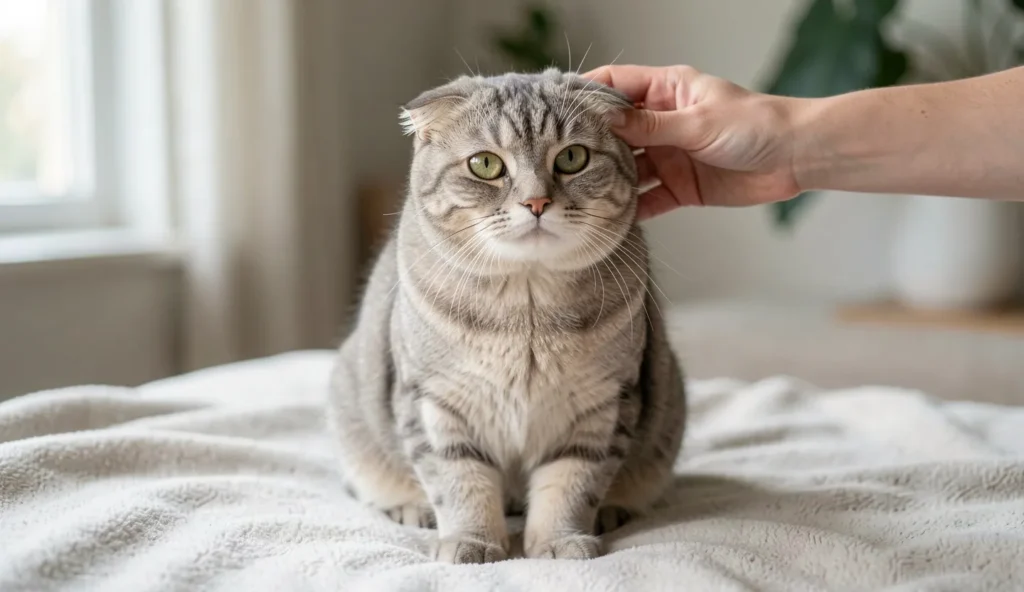
Training also supports grooming and health checks. When the cat accepts handling, face wiping and ear checks become less stressful for everyone. Over time, predictable cues can reduce resistance during routine care.
Litter Box And Habit Training
A clean, accessible litter box helps set the right foundation for litter training. Placement matters because calm location reduces stress and makes the box feel safe. Low tracking litter supports easier cleanup on floors and around litter areas.
Reinforcement should happen consistently after correct use. Praise and small treats can help the cat connect the box with positive outcomes. If accidents occur, the cause should be investigated, including stress, box cleanliness, and medical issues.
Positive Reinforcement And Gentle Handling
Rewards help build cooperation during grooming and veterinary exams. Grooming sessions should stay short at first, especially for face and eye care. Gentle handling reduces fear, which often improves compliance over time.
Punishment can increase stress and resistance, so it usually works poorly for this breed. Instead, calm repetition helps the cat learn that routine handling predicts comfort. This approach supports easier Exotic Shorthair care across daily life.
Teaching Simple Behaviors
Simple behaviors can make day-to-day care smoother. Hand touch practice can make nail trimming less stressful because it becomes a learned step. Carrier training also reduces vet anxiety when transport becomes familiar.
A consistent cue word helps the cat understand when an activity begins. For example, a simple cue before carrier placement supports predictability. Similarly, a repeatable routine before grooming helps the cat settle into the process.
How Should Exotic Shorthair Owners Groom A Plush Coat?
Grooming an Exotic Shorthair focuses on keeping the plush coat full while maintaining clean facial features. Even though the coat is short, it still collects loose hair, and dense fur can hide minor skin issues. The routine stays simpler than long-haired Persians, which is why many people consider this an easy-care breed.
In addition, the flat facial structure can lead to tear overflow and staining. Daily face wiping often becomes a steady part of care. With consistent grooming steps, the Persian look can stay neat and healthy.
Brushing Routine That Keeps The Coat Looking Full
Most owners brush several times per week to remove loose hair. During heavier shedding periods, brushing may increase for better control. A soft slicker or comb designed for dense short coats usually works well.
Brushing should include areas where tangles form, such as around the collar and legs. Quick checks during grooming also help spot irritated skin or small lumps early. Because the coat looks thick, early detection depends on regular contact.
- Brush several times per week for a plush look
- Use a soft comb for dense undercoat
- Check tangles under the collar and around legs
- Gently remove loose fur before it builds up
Bathing And Keeping Coat Clean
Bathing usually stays occasional and only when the cat becomes dirty or oily. Too frequent bathing can dry the skin and harm coat quality. When bathing happens, lukewarm water and a cat-safe shampoo work best.
Drying matters because damp fur can irritate skin. Thorough drying helps prevent leftover moisture in dense areas. If bathing feels stressful, a vet or groomer can advise safer alternatives for coat cleanliness.
Eye, Nose, And Face Care For Flat-Faced Cats
Tear overflow and staining are common because the face structure can affect drainage. Many owners manage this with gentle daily wiping using a soft, clean cloth. Eye wipes recommended by a veterinarian can also work if they match the cat’s needs.
Redness, discharge changes, or frequent squinting should trigger a veterinary visit. Persistent issues can point to irritation or infection. Gentle, regular cleaning can reduce surface irritation, but it should not replace medical checks.
Nail Trimming And Ear Checks
Nail trimming typically happens every few weeks or as needed based on scratching and growth rate. Trimming reduces damage to furniture and lowers accidental scratches during play. A calm approach and rewards help the cat accept handling.
Ears should be checked weekly for odor, redness, or debris. Avoid inserting objects deep into the ear canal, since safe cleaning stays superficial. When ear problems appear, a veterinarian can recommend a safe cleaning product and exam steps.
Owners who want to plan ahead for grooming and health routines can also review other breed-specific care patterns. Learning from an American Bobtail cat routine can highlight how different short-coat breeds still benefit from weekly checks. That comparison can strengthen consistency without copying a plan that does not fit the Exotic Shorthair.
What Should An Exotic Shorthair Cat Eat?
Diet plays a major role in weight control, coat quality, and overall comfort for an Exotic Shorthair. The breed often lives indoors, so measured feeding helps prevent overeating. Proper food choices support a healthy plush coat and stable energy levels.
Because face traits can make some cats prefer different bowl shapes, water habits can also affect eating comfort. A practical feeding plan works best when it fits the cat’s appetite and body condition. When concerns appear, a veterinarian can confirm the ideal portion size.
Choosing The Right Cat Food
Most meals should come from a complete and balanced cat food designed for daily feeding. High-quality protein sources and named ingredients help support muscle health and steady growth. Some cats prefer wet food for hydration, while others do well with dry food or a mix.
For owners using Exotic Shorthair care routines, food quality connects to grooming too. A well-fed cat typically maintains healthier skin and a more consistent coat appearance. When switching foods, changes should happen gradually over several days to reduce digestive upset.
Feeding Schedule And Portion Control
Feeding should use measured portions to reduce the risk of weight gain. Portion needs vary based on age, activity level, and body condition score. Treats should remain small and counted toward the daily total.
Weight monitoring should happen regularly, especially for indoor cats. If body condition increases, portions usually need adjustment. If weight drops unexpectedly, the cause should be discussed with a veterinarian.
Water Intake And Hydration Tips
Hydration supports urinary health, skin comfort, and digestion. Fresh water should stay available, and wet meals can increase overall fluid intake. Some cats prefer wider bowls because face structure can make drinking from narrow openings less comfortable.
Dehydration can worsen urinary concerns and lead to dry skin. When water intake seems low, offering multiple water stations can help. Also, consider gentle cleaning of bowls to reduce lingering tastes that discourage drinking.
What Health Issues Are Common In Exotic Shorthairs?
Several health issues deserve attention in Exotic Shorthair care due to breed traits and Persian lineage. Flat facial features can influence breathing and eye comfort. In addition, some genetic risks may occur more often than in other breeds.
Owners can reduce risk by watching for early symptoms and scheduling regular veterinary visits. Most problems respond better when detected early. Even with an easy-care breed routine, health monitoring still matters.
Breathing And Heat Comfort Concerns
Flat faces can contribute to breathing discomfort, particularly during exercise or warm weather. Noisy breathing or difficulty breathing should lead to reduced activity and prompt veterinary advice. During summer, keeping play indoors and short can help the cat stay comfortable.
Heavy exertion should usually be avoided when breathing seems strained. If the cat struggles during play, the routine needs adjustment. A vet can also check for any upper airway issues or other contributing conditions.
Eye And Tear Drainage Problems
Tear overflow and staining often appear in flat-faced cats. Gentle cleaning can reduce irritation around the eyes, but it cannot fix the underlying drainage structure. Persistent redness or discharge changes require veterinary evaluation.
Owners should watch for frequent squinting, swelling, or a sudden increase in tear staining. Those signs can point to irritation or infection. Regular gentle wiping can support comfort when used as a consistent daily routine.
Polycystic Kidney Disease Risk To Discuss
Because the breed relates to Persian cats, polycystic kidney disease can be a concern. Not every cat develops the condition, but screening remains helpful when available. Asking breeders for health testing results supports better risk awareness.
Veterinary discussions should include screening plans and symptom monitoring. Early kidney changes can sometimes show up as changes in thirst, appetite, or bathroom habits. When signs appear, prompt testing can guide next steps.
Skin Issues, Dental Care, And Weight Management
Dense coats can hide skin irritation, so regular checks help catch problems early. During brushing, owners should look for redness, scabs, or areas where the fur clumps differently. If anything seems unusual, a vet exam can determine whether treatment is needed.
Dental disease also develops over time in many cats, including indoor cats. Scheduling cleanings as advised by a veterinarian helps protect long-term comfort. Finally, weight gain remains a common indoor risk, so portion control and play matter throughout the year.
To strengthen understanding of breed health planning, comparing care needs with other cat types can help. For instance, the American Curl breed overview shows how physical traits can affect routine care decisions. Similar comparisons can make Exotic Shorthair care feel more structured and manageable.
Is The Exotic Shorthair Right For You?
The Exotic Shorthair breed can fit well for people who want a Persian shorthair look without long hair maintenance. The plush coat provides the classic visual appeal, and the sweet temperament often supports relaxed household life. For many owners, daily care stays simple enough to keep up consistently.
However, this breed still needs dedicated face cleaning and regular veterinary monitoring. Flat facial features may require extra attention during hot weather and during play. Understanding these needs early helps set the right home routine.
Good Fit Signs For New Owners
Many prospective owners find this breed appealing when a Persian-type appearance is the main goal. They may also prefer a calm, sweet indoor companion that does not demand constant activity. Regular eye wiping and short grooming sessions usually match the expectations of an easy-care breed.
Good fit also includes comfort with routine monitoring. Checking eyes, trimming nails, and brushing several times per week can become a dependable schedule. When that structure works, the plush coat and personality often shine.
Potential Challenges To Consider First
Flat-face features may require more health oversight than some other breeds. Extra monitoring for breathing comfort during play and hot weather can reduce stress. If respiratory issues show up, medical guidance becomes important.
Regular brushing remains necessary even with short fur because dense coats shed. Also, some health conditions may appear more often due to breed traits and lineage. Those considerations do not remove the breed’s appeal, but they do shape long-term care planning.
Frequently Asked Questions
How Often Should An Exotic Shorthair Be Brushed?
Brush several times per week to remove loose hair. Increase frequency during heavier shedding periods for better coat control.
Do Exotic Shorthairs Need Long Hair Grooming Like Persians?
They have a short plush coat, but brushing is still needed. Eye and face wiping may also be part of the daily routine.
What Is The Exotic Shorthair Temperament Like?
Exotic Shorthair personality is often described as sweet, calm, and gentle. Many cats do well in calm households with predictable routines.
Are Exotic Shorthairs Prone To Eye Problems?
Tear overflow and staining are common with flat facial features. Persistent redness or discharge should be checked by a veterinarian.
What Food Is Best For An Exotic Shorthair Cat?
Choose a complete and balanced cat food for everyday feeding. Use measured portions to help prevent weight gain over time.
Do Exotic Shorthairs Get Along With Other Pets?
Many do well with slow introductions and calm environments. Keep early interactions supervised to reduce stress and improve adjustment.
A Simple Routine That Supports A Plush Look
Consistent Exotic Shorthair care helps the plush coat stay full and the sweet temperament stay comfortable. With regular brushing, gentle face cleaning, and measured feeding, the breed’s Persian shorthair style can remain easy to maintain.