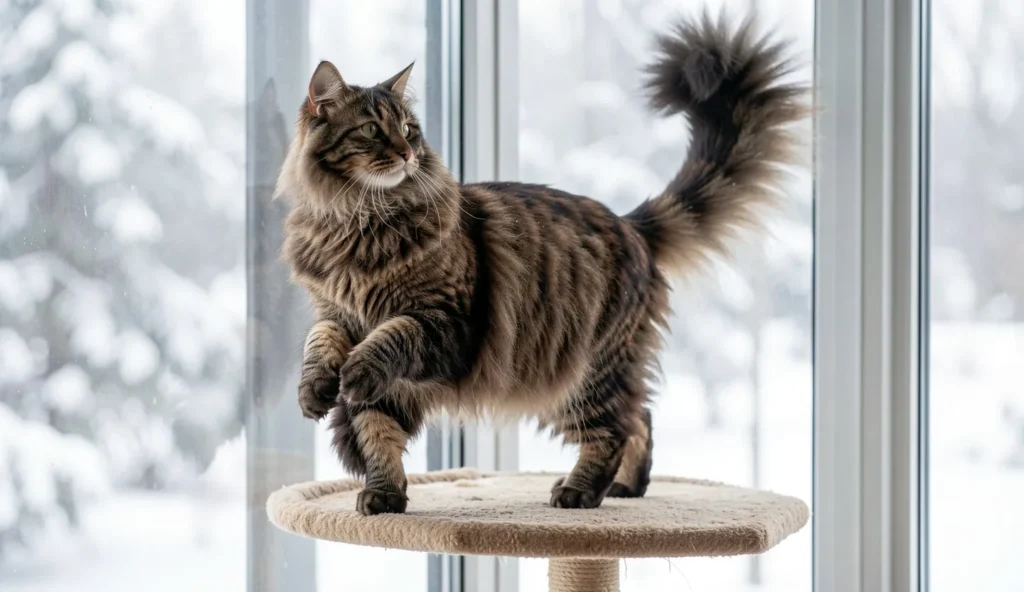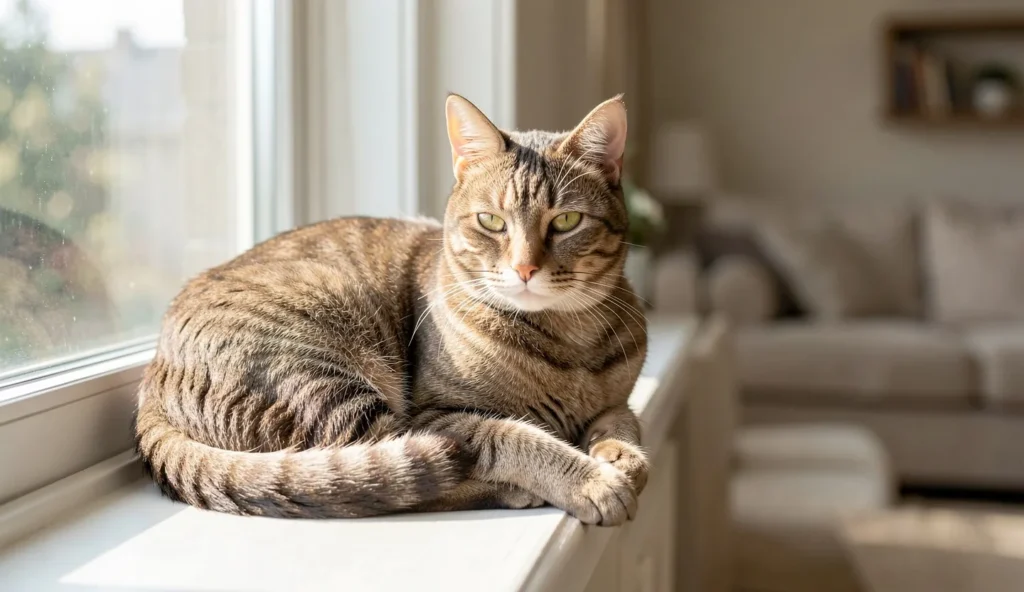
What Is A European Shorthair Cat?
The European Shorthair cat is a common European cat type shaped over time by natural selection and everyday living conditions. This breed is considered a landrace cat, meaning it developed through local environments rather than planned breeding goals. As a result, European Shorthair care often focuses on routine basics rather than complex specialty needs.
In many regions, the European Shorthair cat is simply described as a practical, adaptable household cat. Many owners choose it because it fits normal home routines and does not demand high-maintenance grooming. Additionally, this European breed typically shows stable temperament traits that suit everyday life.
Origins And Landrace Background
European Shorthairs developed in European areas where cats had to survive, hunt, and adapt with limited human support. Natural selection favored cats that handled common climates and daily environmental demands. Over generations, these cats formed a landrace cat type with consistent overall characteristics.
Because the gene pool formed locally, the European Shorthair cat is often viewed as a robust and versatile landrace cat. While “common cat breed” is sometimes used to describe availability, the traits still reflect long-term environmental adaptation.
Key Breed Traits At A Glance
European Shorthairs usually have a short coat that supports straightforward maintenance. Their bodies often reflect balanced proportions for moving, jumping, and exploring. In day-to-day settings, they tend to show an active, confident style that helps them adapt quickly.
Many caretakers describe the breed as practical for regular cat care. Even when individuals vary, the overall type usually supports a low-stress routine when litter boxes, feeding, and enrichment stay consistent.
How Does The European Shorthair Cat Look And Feel?
The European Shorthair cat appearance usually gives clear clues about grooming and care needs. Most cats have short, dense fur that protects skin and supports heat regulation in typical homes. Because the coat tends to stay manageable, European Shorthair care often involves simple brushing and regular hygiene checks.
Beyond fur length, the body design matters too. A balanced, sturdy build usually supports healthy movement and makes enrichment choices easier to plan for indoor spaces.
Coat Types And Common Colors
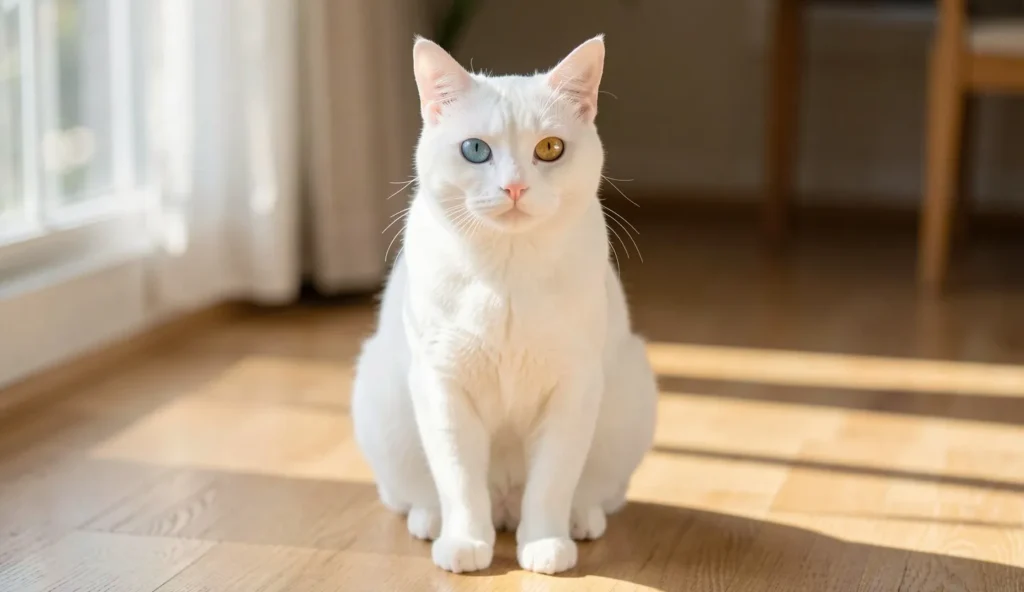
Most European Shorthairs have a short, dense coat that offers everyday protection. Coat colors and patterns can vary widely, reflecting a landrace background rather than one fixed style. Texture is generally simple to manage compared with longhaired cats.
Because the coat sheds some hair, brushing supports control. Even so, the routine remains much simpler than breeds that require frequent professional grooming.
Body Structure And Size
European Shorthair cats are generally medium sized and well built. A muscular body and sturdy legs support active movement and daily play. The overall proportions usually avoid extreme features that might complicate health.
When body shape remains balanced, owners can often monitor condition with simple observations. That makes it easier to adjust food portions and activity when weight shifts begin.
Head, Ears, And Eyes
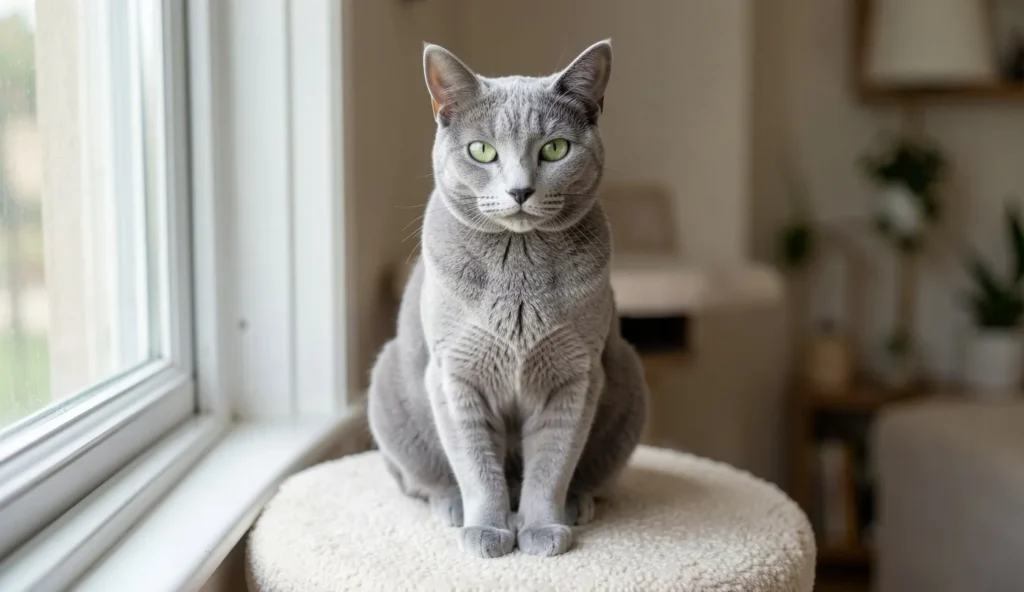
Facial features typically look natural and proportionate. Ears usually stand upright and give an alert appearance that matches their curious nature. Eye shape is often expressive and aligned with facial symmetry.
These features also help owners notice changes early. Redness, discharge, or unusual squinting can signal eye or respiratory issues that deserve veterinary attention.
What Temperament Should Owners Expect From A European Shorthair?
Temperament plays a major role in whether a European Shorthair cat fits household life. Many individuals stay independent yet remain tolerant of normal home routines. This balance often helps the breed handle predictable schedules and familiar caregivers.
Because the European breed type developed around real-world conditions, many cats learn routines quickly. With simple structure, they often settle without complex behavior management.
Typical Social Style
European Shorthairs commonly show a calm social style during daily routines. They often stay comfortable around family members when introductions happen gradually. Instead of constant handling, many cats prefer calm interactions and optional affection.
For owners, predictable feeding times and consistent litter box care can reduce stress. When routines remain stable, independent behavior usually becomes a benefit, not a problem.
Play Drive And Curiosity
Most European Shorthair cats show curiosity that supports enrichment. They often enjoy interactive toys and safe roaming areas indoors. Short hunting-style sessions can match their natural instincts.
While they do not require continuous entertainment, play needs still exist. Rotating a few toy types often keeps interest without increasing clutter.
Compatibility With Other Pets
Many European Shorthairs adapt well when other pets join the household. Still, individual temperament varies, so supervised introductions remain important at first. Resource planning also helps, since food and resting spots reduce competition.
When other animals have separate safe zones, the European Shorthair cat often learns boundaries faster. That approach typically supports fewer conflicts and easier management.
Common Behavioral Needs
Even low-maintenance cats need core resources. A scratching surface in key areas helps prevent furniture damage and supports claw health. Similarly, a steady litter box routine reduces litter avoidance and stress-related behaviors.
Consistent feeding also helps behavior patterns stay predictable. When meals arrive on schedule, many cats show calmer daily routines and fewer attention-seeking episodes.
How Much Daily Exercise Does A European Shorthair Cat Need?
Exercise needs for a European Shorthair cat are usually moderate and practical. Many cats do well with short play sessions that happen across the day. For indoor homes, enrichment matters because bored cats may seek trouble.
Fortunately, European Shorthair care does not require special equipment. Most enrichment needs can be met with interactive toys, safe perches, and structured play.
Daily Activity Targets
Short play sessions spread throughout the day often work better than one long session. Owners can aim for consistent play rather than occasional bursts. Indoor cats benefit when they have an outlet for roaming and hunting behavior.
Body condition monitoring can guide adjustments. If weight increases, play frequency and portion size can be reviewed without drastic changes.
Best Enrichment Options
Interactive toys and wand games support natural hunting behavior. Rotating toy types can help keep interest without buying large numbers of items. Window perches give visual stimulation and can reduce restlessness during the day.
For some homes, a safe catio or enclosed outdoor space adds variety. Watching birds and moving objects can enrich routine without overstimulation.
Weight And Body Condition Monitoring
Monitoring body shape helps prevent overweight development. Owners can compare body condition to a simple standard of visible waist and manageable body padding. When weight creeps up, portion guidance and treat limits often need adjustment.
Activity level also plays a role. If increased rest replaces play, a review of health status and environment can help identify the cause early.
What Training Works For Litter, Scratching, And Basic Habits?
Training a European Shorthair cat usually focuses on habits rather than complicated commands. With predictable routines, many cats learn litter box expectations quickly. Similarly, scratching behavior can become manageable when owners guide it to appropriate surfaces.
Since many cats respond well to positive reinforcement, beginners can keep training simple and consistent. Over time, small improvements typically build stable daily behavior.
Litter Box Setup And Habits
Clean, accessible litter boxes support correct elimination. Quiet locations reduce interruption, while easy entry helps cats use the box consistently. Many homes do best with one box per cat plus one extra when feasible.
Routine cleaning matters because cats often prefer fresh surfaces. Scooping on schedule reduces odor buildup and lowers the risk of litter box refusal.
Scratching Surface Training
Scratching training works best when scratching options appear in key locations. Sturdy scratching posts and pads placed near favorite resting areas often succeed. When the cat scratches the correct surface, rewarding that behavior supports learning.
Punishment usually backfires. Stress can increase avoidance, so redirecting gently and reinforcing the preferred option tends to work better.
Teaching Simple Commands
Teaching commands should stay short and use positive reinforcement. Many owners start with behaviors that naturally connect to daily life, such as responding during mealtime. A clicker can help some cats, but treats and praise can also work without tools.
Consistency matters more than complicated commands. When sessions match the cat’s energy level, learning becomes easier and less stressful.
For owners comparing general training needs across breeds, the approach used for a European Shorthair cat is similar to what works for other domestic types. For example, the learning style described in resources like the American Curl breed guide often comes down to routine, patience, and clear reinforcement.
What Grooming And Daily Care Keep A European Shorthair Cat Healthy?
Grooming for a European Shorthair cat usually stays simple, which makes it appealing for low-maintenance owners. The short coat still sheds, so routine brushing helps reduce loose hair. At the same time, basic health checks support early detection of skin, ear, and dental problems.
Most daily care tasks take only a few minutes when schedules stay consistent. Therefore, European Shorthair care can fit into normal household routines with minimal disruption.
Brushing Schedule For A Short Coat
Regular brushing removes loose hair and helps control shedding around the home. During seasonal shedding periods, brushing may need to happen more often. A gentle cat brush suited for short fur typically works well.
Brushing also gives a quick moment to check the skin. Owners can look for flakes, bumps, or irritation and then plan next steps if anything seems unusual.
Bathing And Odor Control
Most cats do not need frequent baths. If odor appears, spot cleaning often solves the issue without full bathing. When bathing becomes necessary, careful drying helps prevent chills and stress.
Any bathing routine should happen gradually. A calm approach reduces fear and makes future care easier, especially for first-time owners.
Nail Trimming And Ear Checks
Nail trimming supports comfort and prevents overgrowth. Many owners trim every few weeks, depending on wear and activity level. During grooming, weekly ear checks help catch early debris or odor.
When ears show redness, discharge, or repeated scratching, veterinary advice matters. It helps confirm whether an infection or irritation requires treatment.
Dental Care That Fits Daily Life
Dental care should start early when possible. Brushing teeth using cat-safe toothpaste reduces plaque buildup, although not all cats tolerate brushing at first. Dental treats approved for cats can support routine care when brushing is difficult.
Owners should watch for bad breath, gum redness, or changes in eating habits. If any signs appear, scheduling a dental check helps protect long-term health.
Care expectations across domestic breeds often differ mainly in coat length, not in basic health checks. For instance, short coat needs described for many domestic types align with the approach discussed in the American Bobtail cat care profile.
What Should A European Shorthair Cat Eat For Everyday Health?
Diet supports weight control, hydration, and overall health for a European Shorthair cat. A healthy routine starts with complete and balanced cat food labeled for daily feeding. Because this landrace cat often adapts well, many owners can keep feeding plans straightforward.
Even so, portion sizes still matter. Regular monitoring helps prevent obesity, which can increase joint strain and other health risks over time.
Choosing Food Types
Complete cat foods designed for daily use provide the right balance of protein, fats, and essential nutrients. Wet food can support hydration and help maintain healthy urine concentration. Dry food can also work well when portions stay controlled.
A balanced plan often includes wet meals occasionally or a consistent mix. Owners can choose based on preference, cost, and hydration goals.
Portion Sizes And Feeding Frequency
Feeding guidelines on the product label work as a useful starting point. Portions should then adjust based on body condition and activity level. Many cats do well with two meals per day, which keeps feeding predictable.
If weight changes occur, adjustments can happen gradually. A slower shift reduces gastrointestinal upset and supports a steady routine.
Treats And Food Safety
Treats should stay limited to avoid weight gain and digestive problems. Human foods often contain ingredients unsafe for cats, so keeping treats cat-approved helps. Proper storage prevents spoilage, and clean bowls reduce contamination risks.
Safe feeding also means accounting for other pets in the household. When food access is shared, portion control becomes harder without management.
Hydration And Water Habits
Fresh water should be available daily, and bowls should be cleaned regularly. Some cats prefer shallow bowls, while others do better with filtered water or a different location. Adding wet food can improve total fluid intake without major routine changes.
When water intake drops, it can signal stress, illness, or dental discomfort. Noticing these changes early helps keep health stable.
What Common Health Issues Affect European Shorthair Cats?
Many European Shorthair cats are considered generally healthy and adaptable. Still, landrace cat genetics vary by individual, so health history can differ from one cat to another. Routine care often prevents many problems, and early attention reduces the risk of complications.
Like other cats, the European Shorthair cat can develop issues such as respiratory infections and dental disease. Owners should watch closely and seek care when signs appear.
General Health Expectations For A Landrace Cat
Adaptability often supports the idea that the breed can handle normal household conditions well. Even so, each cat still needs vet exams, parasite prevention, and basic preventive care. That combination reduces avoidable health risks.
Because genetics reflect local landrace development, a cat’s background matters. A clear medical history from adoption or breeder sourcing can guide long-term planning.
Respiratory, Dental, And Skin Concerns
Upper respiratory infections can occur, especially when cats experience stress or exposure to other animals. Dental disease can develop without regular oral care, which is why routine checks help. Skin irritation can also happen and may require targeted treatment.
When symptoms last longer than expected, veterinary evaluation helps. Treatment timing often determines recovery speed.
Weight Related Problems And Mobility
Overfeeding increases the risk of obesity and joint strain. A European Shorthair cat may still remain active for a while, but mobility can change gradually. Sudden changes in movement may signal pain or illness.
Tracking weight and watching for behavior shifts can catch concerns earlier. If appetite decreases or the cat avoids jumping, a vet visit becomes more urgent.
Vaccines, Parasite Control, And Routine Screening
Vaccinations should stay current based on local veterinary guidance. Flea and parasite prevention helps prevent discomfort and reduces risks of internal parasites. Periodic screening is also useful, especially for older cats or those with ongoing issues.
When schedules are predictable, owners can avoid lapses. That consistency supports long-term health and reduces emergency interventions.
Red Flags That Need Veterinary Help
Not eating, repeated vomiting, or severe lethargy can signal serious problems. Litter box accidents can also mean illness when cleaning and routine stay normal. Breathing changes, drooling, or visible mouth pain require prompt action.
Owners should not wait for symptoms to disappear when behavior changes remain strong. Early veterinary support often improves outcomes.
For those who want a broader view of domestic cat health planning, breed-specific resources can still help with general expectations. The same preventive mindset used in the American Curl breed care discussion often includes routine hygiene, observation, and vet scheduling.
How Should European Shorthair Cats Be Sourced And Bred?
Responsible sourcing helps protect health, temperament, and long-term welfare of any cat type. European Shorthair cats often come from adoption routes as well as selective breeder programs. Either path works best when transparent health details guide decisions.
Because this breed is a landrace type, focusing on individual health records and clear communication matters. That approach supports a safer match between cat and owner needs.
Adoption Versus Breeder Sourcing
Shelters and rescues may have European Shorthair cats available, including adults and kittens. Adoption often includes basic medical history, although details can vary by organization. Breeder sourcing can work when health records, feeding plans, and transparency are clearly provided.
When discussing sourcing, temperament and medical history should be shared. Age, eating habits, litter use, and any known conditions need to be part of the conversation.
What To Ask When Looking For A Kitten Or Adult
When selecting a cat, asking about vaccinations, deworming, and parasite prevention helps confirm baseline care. Owners should also request information about the diet used previously to reduce transition stress. Any known health issues in the line or immediate history should be reviewed openly.
For adopters, asking how the cat currently uses the litter box and interacts with handling can guide setup decisions. For breeders, requesting clear documentation supports responsible ownership from day one.
Starter Checklist For New Owners Of A European Shorthair Cat
A strong setup reduces stress and helps the European Shorthair cat settle quickly. Planning for litter, food, scratching, grooming, and vet care keeps daily life predictable. As a result, European Shorthair care becomes consistent and low maintenance.
The checklist below focuses on practical items that support health and routine from the first days forward.
Essential Supplies For The First Two Weeks
- Litter box with scooper and odor control
- Complete cat food plus a measuring method
- Fresh water bowl and a simple backup location
- Scratching post in a high traffic area
- Cat brush for short coat shedding control
Health And Routine Planning
- Schedule a vet visit for exams and baseline tests
- Set a parasite prevention calendar for the year
- Plan a dental routine based on cat comfort level
Enrichment Setup That Does Not Require Constant Attention
- Provide multiple resting spots including a window perch
- Use a few rotating toys instead of many at once
- Keep play sessions short and repeat daily
When enrichment matches natural instincts, behavior often stays easier to manage. That also reduces the chance of boredom-driven scratching or furniture attention.
Is A European Shorthair Cat Right For You?
The European Shorthair cat can suit owners who want a robust, adaptable companion for everyday life. This European breed type often fits well in normal households with basic routine care. In many cases, grooming stays straightforward because the short coat does not require complex maintenance.
That said, individual temperament can vary within this landrace cat type. Indoor cats still need enrichment, litter hygiene, and consistent feeding to thrive long term.
Good Fit Situations
- Owners who want a robust cat for everyday life
- Homes that prefer low grooming needs
- Households ready for basic routine care and play
Things To Consider Before Choosing One
- Temperament varies even within the same type
- Indoor living still requires enrichment and litter hygiene
- All cats need vet care, parasite control, and dental attention
With steady routine and simple monitoring, the European Shorthair cat often performs well as a practical family pet. Many owners find that the cat’s adaptability supports a smooth transition into home life.
FAQs: European Shorthair Cat Care
How Much Grooming Does A European Shorthair Cat Need?
Brush regularly to control shedding and remove loose hair. Trim nails and check ears weekly for simple maintenance.
What Should A European Shorthair Cat Eat For Everyday Health?
Feed complete and balanced cat food meant for daily use. Use wet food for hydration or balance wet and dry with portions.
Are European Shorthair Cats Good For First Time Cat Owners?
They are often adaptable and generally straightforward to care for. Consistent litter box and feeding routines reduce common issues.
Do European Shorthair Cats Shed A Lot?
They shed, especially during seasonal changes. Regular brushing helps keep loose hair under control.
What Are Common Health Problems To Watch For?
Dental disease and typical respiratory issues can occur like other cats. Seek veterinary care for not eating, breathing changes, or repeated vomiting.
How Active Is A European Shorthair Cat Indoors?
They usually enjoy short daily play sessions and enrichment. Window perches, scratching options, and interactive toys help reduce boredom.
Practical Care That Keeps A European Shorthair Cat Stable
Consistent litter care, balanced feeding, and simple grooming routines usually keep a European Shorthair cat healthy. With early monitoring and prompt vet attention when needed, this landrace cat type often adapts well for long-term home living.