What Is a Hawk Headed Parrot
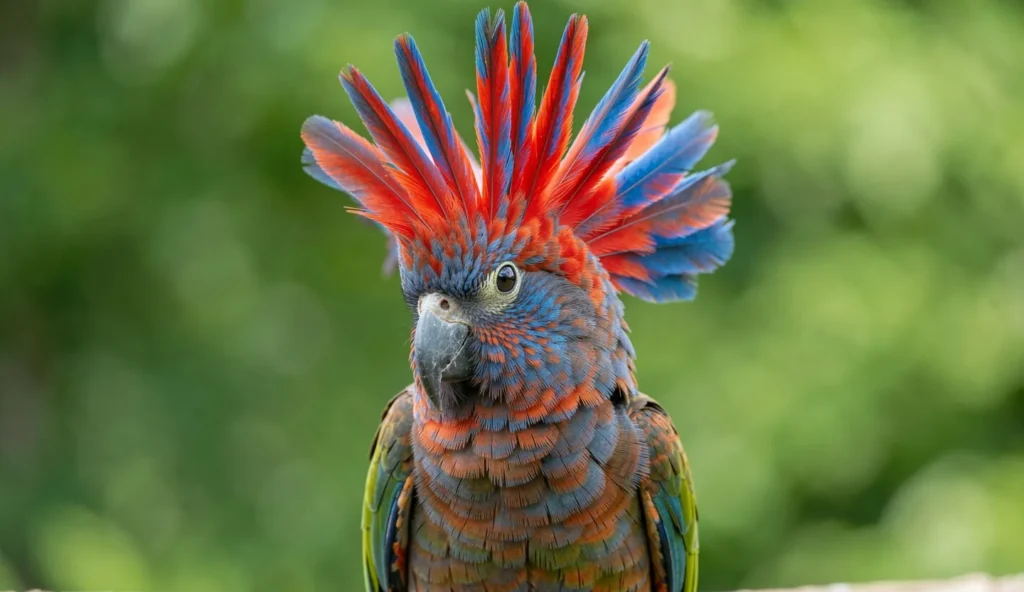
The Hawk Headed Parrot, scientifically known as Deroptyus accipitrinus, is a medium parrot native to the Amazon Basin in South America. This species stands out for its unique ability to raise the feathers around its neck into a dramatic fan, resembling a hawk. The bird’s cautious disposition and stunning appearance attract experienced owners who can meet its specific needs.
Scientific Name and Natural Habitat
Deroptyus accipitrinus belongs to the Psittacidae family and is the only species in its genus. Its range spans parts of Brazil, Venezuela, Guyana, Suriname, and French Guiana. These parrots inhabit lowland forests, savannahs, and forest edges where they feed on fruits, seeds, and flowers.
Distinctive Crest and Physical Features
The most recognizable feature of the Hawk Headed Parrot is its movable crest, which creates a striking halo of feathers around the head. This adaptation gives the bird a larger, more intimidating appearance when threatened or excited. The crest is a key part of the species’ social communication and courtship displays.
How the Crest Works
The crest feathers raise in a circular fan around the head, with alternating red and blue bands on the nape. The parrot can raise or lower these feathers voluntarily, using them to express mood, attract a mate, or deter rivals. When fully extended, the crest transforms the bird into an impressive silhouette. Observing the crest position helps owners interpret the bird’s emotional state.
Size and Coloration
Adult Hawk Headed Parrots measure approximately 14 inches in length, including the long tail. The body is primarily green with a dark brownish forehead and a scaled pattern on the chest and belly. The beak is strong and dark, well suited for cracking nuts and seeds. Males and females appear identical, making visual sexing impossible.
Temperament and Personality
The Hawk Headed Parrot displays a shy, cautious nature that differs from many other parrots. New owners often find the bird reserved, especially during the initial adjustment period. With patience, these parrots become affectionate and form deep bonds, but they remain wary of strangers.
Initial Shyness and Trust Building
This species naturally freezes or retreats when faced with unfamiliar people or situations. Building trust requires gentle, consistent handling over weeks or months. Novice owners may struggle with the bird’s initial skittishness, so experienced keepers are better suited. A slow approach, using treats and soft speech, encourages the parrot to feel secure.
Bonding and Social Needs
Once a Hawk Headed Parrot trusts its caregiver, it becomes playful and affectionate, often bonding strongly with one person. Daily interaction is essential to prevent loneliness and behavioral issues. Without proper socialization, the bird may become territorial or nippy. Early exposure to different people and environments helps develop a well-rounded adult.
Exercise and Enrichment Needs
Physical activity and mental stimulation are vital for this intelligent medium parrot. A sedentary lifestyle leads to health problems and feather plucking. Owners must commit to providing ample out-of-cage time and engaging toys.
Physical Activity
The Hawk Headed Parrot needs at least two to three hours of supervised out-of-cage time each day. A flight cage or bird-safe room allows climbing, flying, and exploring. Horizontal bars in the cage facilitate climbing, and perches of varying diameters exercise the feet. Regular wing exercise prevents obesity and joint stiffness.
Mental Stimulation
Foraging toys and puzzle feeders replicate the bird’s natural search for food. Rotating toys weekly maintains interest and prevents destructive habits. Short training sessions double as enrichment, reinforcing the bond between bird and handler. Without mental challenges, this parrot may develop unwanted behaviors such as screaming or biting.
Training and Behavior
Training a Hawk Headed Parrot requires patience due to its sensitive nature. Positive reinforcement methods work best, using favorite treats as rewards. Understanding the meaning behind the raised crest helps owners respond appropriately.
Training Tips
Keep training sessions brief, lasting five to ten minutes, to hold the bird’s attention. Use a calm voice and consistent cues for desired behaviors. Reward with small pieces of fruit or seed immediately after the correct response. Avoid punishment, as it damages trust and increases fearfulness.
Dealing With the Raised Hackles
A raised crest does not always signal aggression; it can indicate curiosity, excitement, or even stress. Observe the bird’s overall body language, including eye pinning and wing position, to interpret the mood. When the parrot raises its crest during training, pause and assess whether to continue or give space. Gradual desensitization helps the bird remain calm in new situations.
Grooming and Routine Care
Regular grooming keeps the Hawk Headed Parrot healthy and comfortable. Feather care, nail trimming, and beak maintenance are straightforward tasks when done consistently. Owners should monitor the bird’s condition during weekly health checks.
Feather Care
Misting the bird with lukewarm water two to three times per week supports feather condition. Offer a shallow dish of water for bathing, as many individuals enjoy splashing. A cuttlebone provides calcium and helps the bird keep its beak and feathers in good shape. Avoid drafts after bathing to prevent chilling.
Nail and Beak Maintenance
Natural wood perches with varying texture help file nails during normal activity. If nails become overgrown, trim them with a bird-specific nail clipper, avoiding the quick. Mineral blocks and calcium perches allow the bird to wear down its beak naturally. Professional avian vet assistance may be needed for first-time trims.
Diet and Nutrition
A balanced diet is essential for long-term health in the Hawk Headed Parrot. High-quality pellets form the foundation, supplemented with fresh vegetables, fruits, and limited seeds. Proper nutrition supports the immune system and vibrant feather color.
Pelleted Diet Foundation
Pellets should constitute 60 to 70 percent of the daily food intake. Choose a brand formulated for medium parrots that contains no artificial colors or preservatives. Offer pellets in the morning and remove uneaten portions after a few hours to encourage fresh eating. A Red Bellied Parrot thrives on a similar pelleted diet, making care practices comparable across poicephalus species.
Fresh Foods and Treats
Dark leafy greens, carrots, bell peppers, and broccoli provide essential vitamins. Fruits like apple, berries, and mango can be offered in small amounts, making up no more than 10 percent of the diet. Seeds and nuts should be reserved as training treats due to their high fat content. Always wash fresh produce thoroughly to remove pesticides.
Common Health Issues
The Hawk Headed Parrot is generally hardy, but certain conditions arise from improper care. Awareness of these problems helps owners prevent them through good husbandry. Regular avian veterinary checkups detect issues early.
Respiratory Infections
Symptoms include sneezing, tail bobbing, nasal discharge, and labored breathing. Drafty cages, poor ventilation, or bacterial infections trigger these illnesses. Maintain a stable temperature and clean environment to reduce risk. Isolate any new bird for at least 30 days before introducing it to the flock.
Feather Plucking
Boredom, stress, or lack of enrichment often leads to feather destructive behavior. Address the underlying cause promptly by increasing social interaction and toy rotation. Other parrots, such as the Senegal Parrot, are prone to similar stress-related plucking if deprived of mental stimulation. Veterinary consultation rules out medical causes like skin infections.
Obesity
High-fat seed diets and limited exercise contribute to weight gain in captive parrots. Monitor food portions and offer measured amounts of pellets and vegetables. Encourage climbing and flying during out-of-cage time. A healthy weight reduces the risk of fatty liver disease and heart problems.
Is a Hawk Headed Parrot Right for You
This South American parrot demands an experienced owner who understands its sensitive temperament. The unique crest and engaging personality make it a rewarding pet for those willing to invest time in bonding and enrichment. Consider whether your home can provide a quiet, stable environment free from loud noises or frequent disruptions.
Assessing Compatibility for Your Household
Advanced owners who have previously handled shy or territorial parrots will find the Hawk Headed Parrot manageable. Daily interaction, a large cage, and a varied diet are non-negotiable requirements. The bird’s long lifespan of 30 to 40 years represents a serious commitment. Seek adoption from a reputable breeder or rescue that provides health records and socialization history.
Frequently Asked Questions
How big does a Hawk Headed Parrot get?
Adults reach about 14 inches in length, including the tail. They weigh between 200 and 300 grams on average.
Are Hawk Headed Parrots good talkers?
They have a limited vocabulary compared to African greys or Amazons. Some individuals learn a few words and phrases with consistent training.
Do Hawk Headed Parrots raise their crest?
Yes, they can raise their crest feathers into a dramatic fan. This behavior signals excitement, curiosity, or stress, not always aggression, similar to how the Helmet pigeon uses its crest for display.
Are Hawk Headed Parrots aggressive?
They can be territorial and nippy during puberty or if poorly socialized. With proper handling and respect, most are not overly aggressive.
How long do Hawk Headed Parrots live?
Lifespan in captivity is typically 30 to 40 years. Good diet and veterinary care can extend that range.
What is the difference between male and female Hawk Headed Parrots?
Males and females look identical visually. DNA sexing or surgical sexing is required to determine gender.
Final Note
The Hawk Headed Parrot offers a unique blend of visual spectacle and deep companionship for dedicated owners. With proper socialization, enrichment, and veterinary care, this medium parrot can become a cherished member of the household for decades. Cockatiels parrots are also popular for their gentle nature, but the Hawk Headed Parrot’s crest and personality provide a different kind of reward.