What Is A Taupe Peafowl
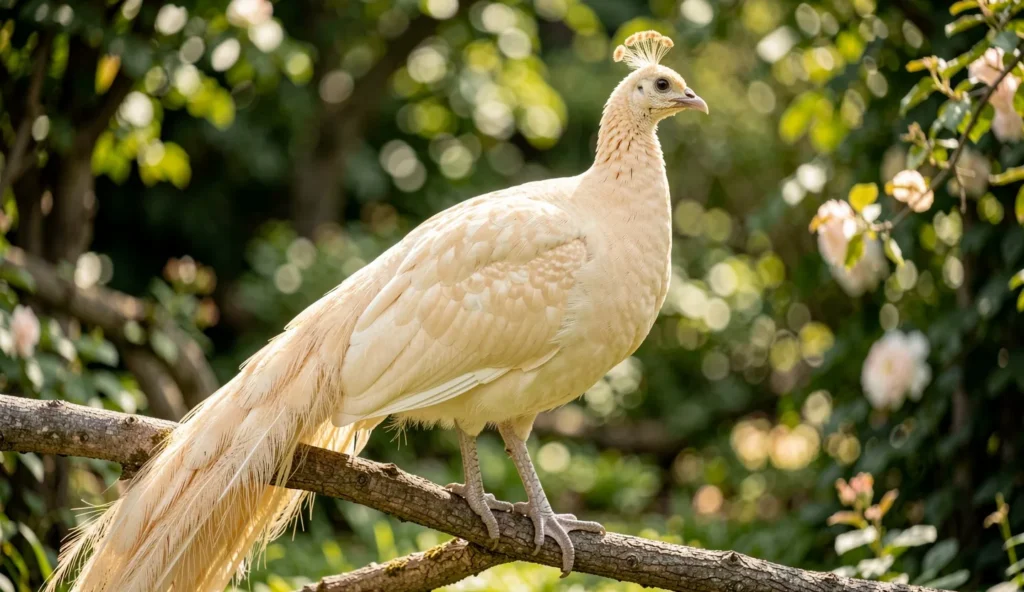
Taupe Peafowl is a color mutation within the Pavo genus, not a separate species. It appears in captive populations and ornamental aviaries, where its muted earthy tones stand out, a trait shared with Purple Peafowl.
Origin And Classification
The mutation is not a separate species but a variation within the family of peafowl, including Indian Peafowl in the broader Pavo genus.
- Taupe describes a color mutation within the Pavo species.
- Not a separate species, but a variation found in captive populations.
- Common in ornamental collections and aviaries.
Genetic factors influence pigment distribution in feathers, much as seen in the Green Peafowl.
Taupe Peafowl Appearance
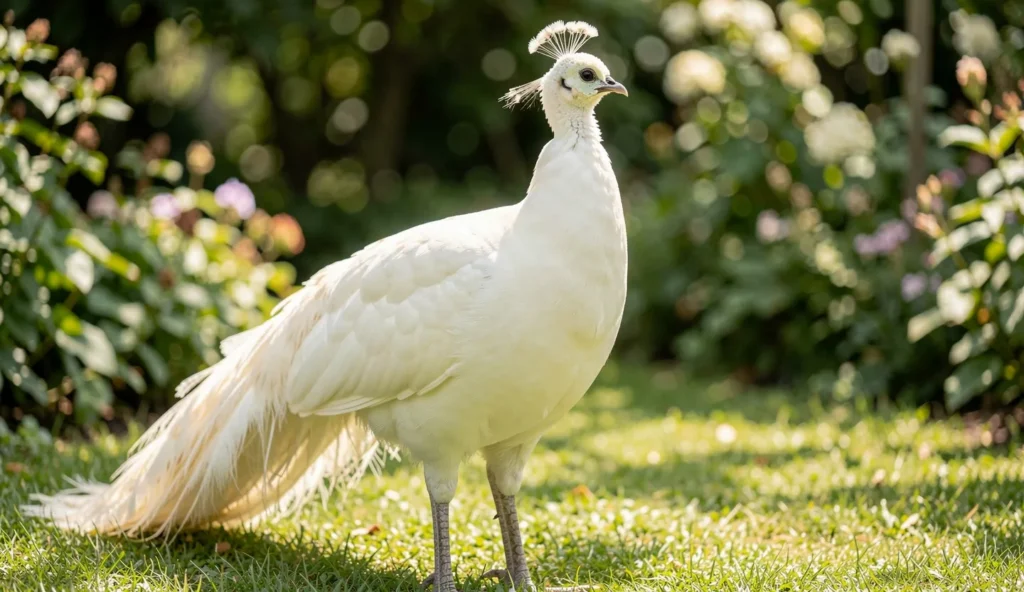
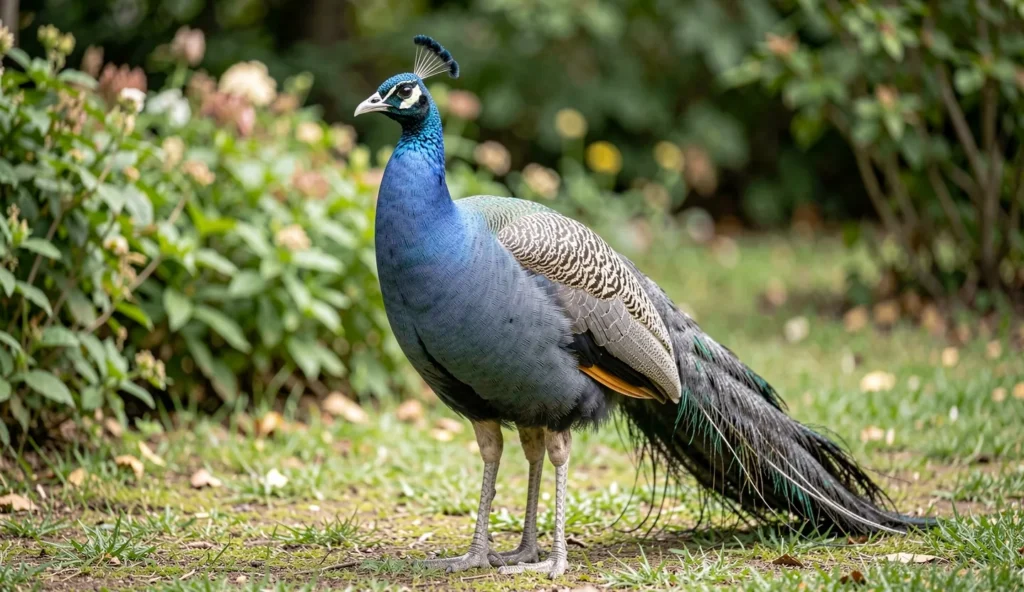
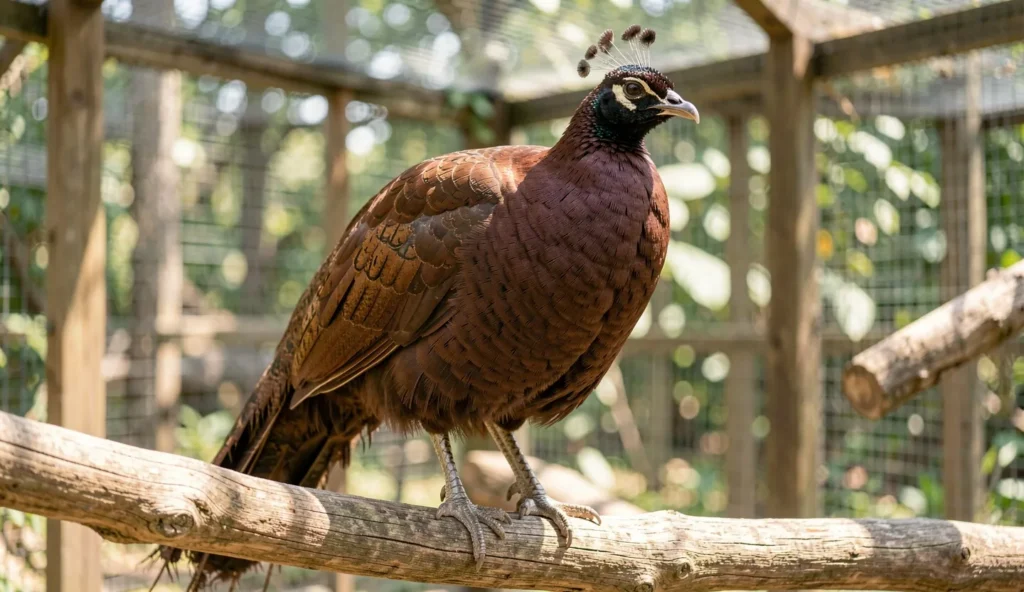
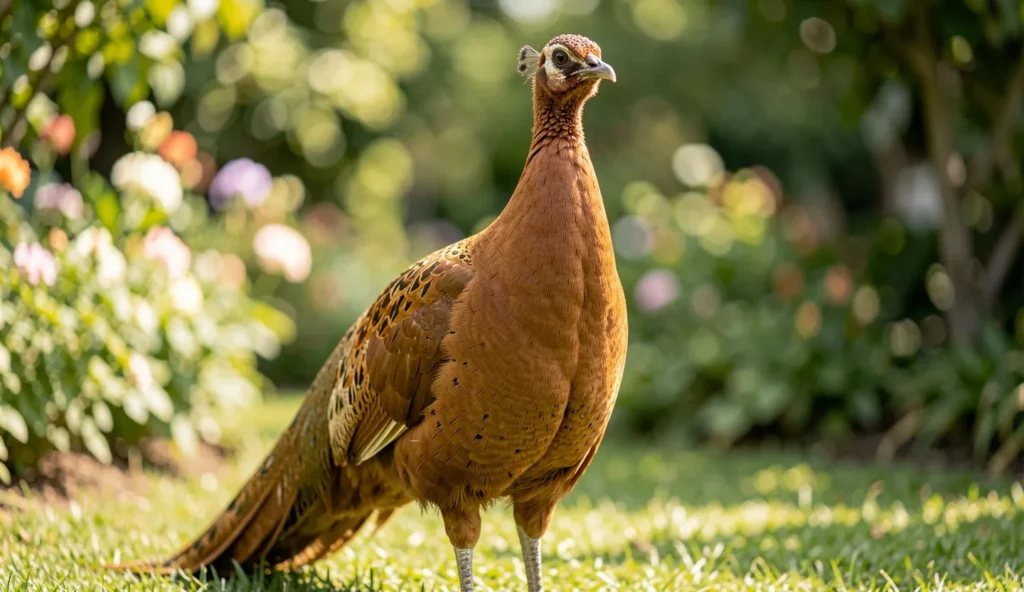
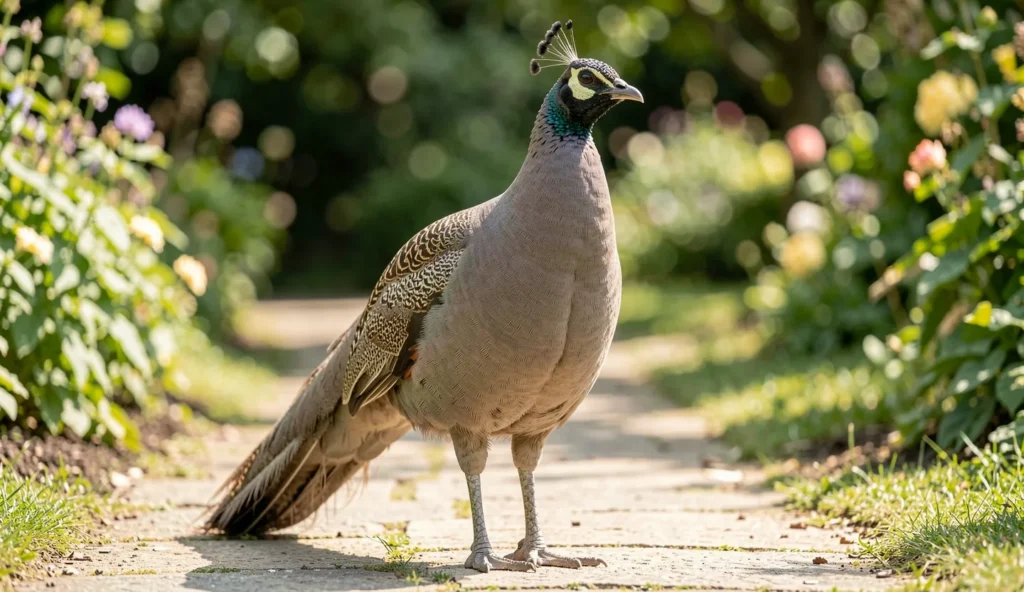
Taupe Peafowl features a muted brown gray plumage with subdued iridescence. The tail train may show less dramatic eye spots than standard peafowl, and individual variation exists, including comparisons to White Peafowl.
Plumage Color And Patterns
- Muted brown gray plumage with subdued iridescence.
- Tail train may show less dramatic eye spots than standard peafowl.
- Individual variation exists among taupe birds.
Size And Physical Build
Taupe birds are medium to large with a strong, upright posture. Males typically are larger with longer trains, while females are smaller with shorter trains.
- Overall frame suited for spacious enclosures.
Temperament And Personality
Taupe Peafowl are generally calm but can be territorial with preferred areas. Taming is possible with steady human interaction.
Behavior In Avicultural Settings
- Generally calm but can be territorial with preferred areas.
- Taming is possible with steady human interaction.
Social Needs And Compatibility
- Often do better with other peafowl to reduce stress.
- Crowding should be avoided to prevent aggression.
Evaluating suitability requires outdoor space, social needs, and room to roam. Breeders sometimes compare the taupe mutation with Congo Peafowl for rarity considerations.
Exercise And Enrichment
Taupe Peafowl require daily outdoor space for foraging and exploration. Roosting opportunities at varying heights encourage natural behavior and safety.
Daily Activity Needs
- Access to safe outdoor space for foraging and exploration.
- Roosting opportunities at varying heights.
Enrichment Ideas
- Rotating perches and safe foraging opportunities.
- Environmental changes to maintain interest without causing stress.
Grooming And Care Tips
Regular feather inspection supports general hygiene and early parasite detection. Dust baths aid feather condition and skin health.
Feather Care And General Hygiene
- Regular feather inspection for parasites or damage.
- Dust baths can aid feather condition and skin health.
Housing And Perches
- Spacious, predator-protected enclosure is essential.
- Provide multiple perches at different heights.
Safety And Handling
- Handle gently; avoid unnecessary stress during breeding.
- Watch for stress signals and provide retreat space.
Diet And Nutrition
A balanced diet centers on formulated poultry or game bird feed. Fresh greens, grains, and occasional protein supplements support plumage and health, similar to feeding practices used in Peela Aseel.
Balanced Diet Components
- Base on formulated poultry or game bird feed.
- Fresh greens, grains, and occasional protein supplements.
Feeding Schedule And Tips
- Offer food at regular times and fresh water at all times.
- Provide a diverse diet to support plumage and health.
Common Health Issues
Captivity can bring respiratory issues, mites, and obesity if diet and housing levels are not managed. Early signs include lethargy, appetite changes, and breathing irregularities.
Common Conditions To Watch For
- Respiratory issues, mites, and obesity can occur in captivity.
- Look for lethargy, appetite changes, and breathing irregularities.
Prevention And Vet Care
- Regular veterinary checkups and biosecurity measures.
- Quarantine new birds and monitor for signs of illness.
Is Taupe Peafowl Right For You
Assessing whether Taupe Peafowl is suitable requires outdoor space, social needs, and room to roam. This bird is not ideal for beginners due to enclosure and care needs.
Owner Commitment
- Requires outdoor space, time for social needs, and space to roam.
- Not ideal for beginners due to enclosure and care needs.
Space And Environment
- A large aviary or secure free-range area is preferred.
- Protection from predators and escape routes is essential.
Frequently Asked Questions
Are taupe peafowl exactly a distinct species or a color mutation?
They are color mutations within the Pavo genus, not a separate species.
What makes taupe peafowl color unique compared to standard peafowl?
Muted brown gray plumage with altered iridescence and eye spots may be less vibrant.
Can taupe peafowl be kept as pets in a suburban yard?
They require secure outdoor space, proper space to roam, and compliance with local laws.
What is the typical diet for taupe peafowl?
Base formulated poultry feed with greens, grains, and occasional protein; provide fresh water.
Final Note
For dedicated collectors, Taupe Peafowl can be a rewarding addition when space and care are available.